


The best action figure diorama cape prop for 1/12 scale is a wire-edged fabric cape. The wire holds a pose, and the cloth forms real folds. The Blanka Cape Replacement measures 7.5 inches collar to hem, suits 6-inch figures, comes in a muted red-orange tone, and costs $36.50. Molded plastic can't match that.
I pose a lot of 1/12 figures, and the cape decides whether a shot looks alive. A flat cape reads as costume. A bent one reads as momentum.
Quick Specs: Blanka 1/12 Cape
| Spec | Detail |
|---|---|
| Scale | 1/12 (fits 6-inch figures) |
| Length | 7.5 in (about 19 cm), collar to hem |
| Edge | Visible wire-shaped flowing edges, bendable |
| Surface | Textured cloth with natural fold lines |
| Color | Muted earthy or red-orange tone |
| Construction | Handcrafted stitching, visible up close |
| Price | $36.50 |
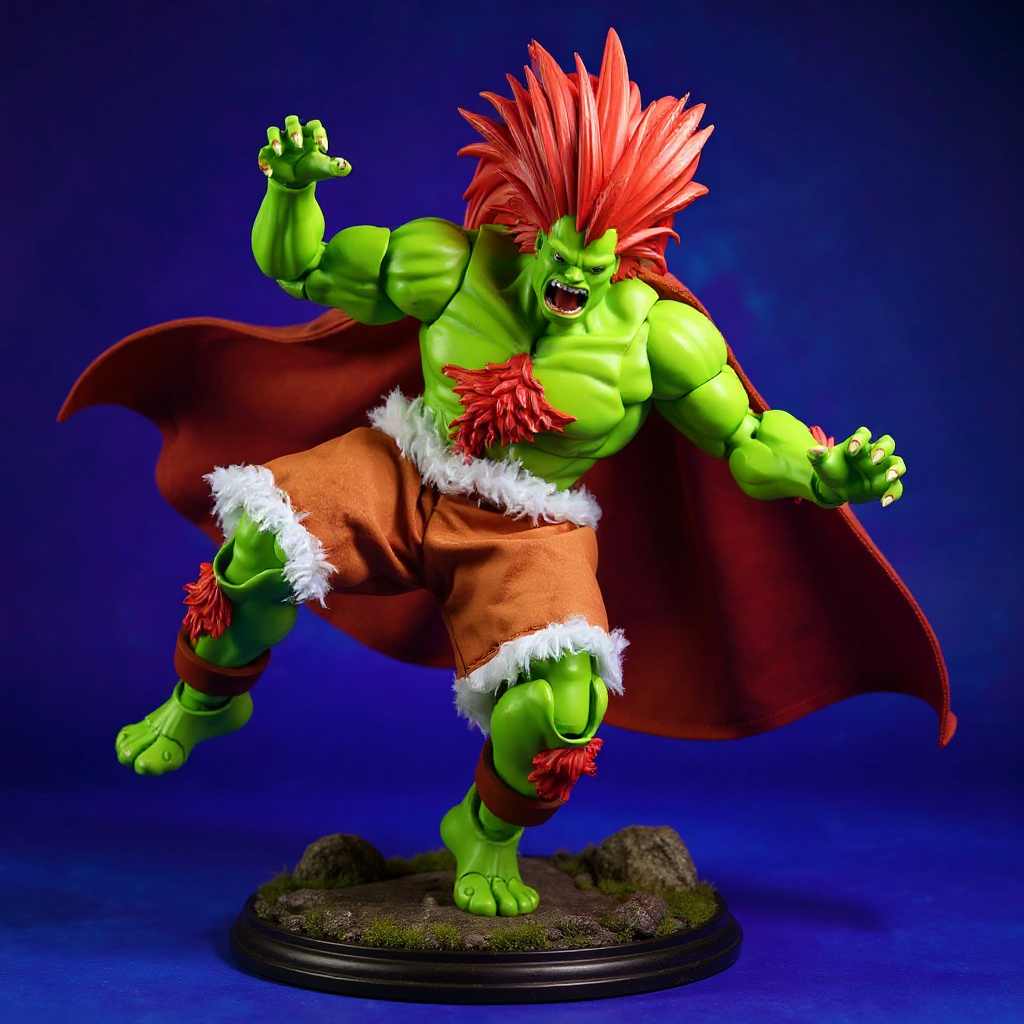
Why a Fabric Action Figure Diorama Cape Prop Beats Molded Plastic
A molded plastic cape carries one pose. Whatever the sculptor chose is what you get, and it is usually a generic sweep behind the figure. Fabric folds where you pinch it. The folds catch light from a new angle every time you move the camera.
Plain cloth has a limit, though. It hangs. A hanging cape says nothing about speed. Wire along the hem fixes that, because you can freeze a flutter mid-leap and it stays put.
Blanka, the green, orange-maned brawler from Street Fighter, is a good match. His rolling attack and electric charge are all sudden direction changes. A cape in a muted earthy or red-orange tone echoes his mane without fighting his green skin.Wire-Edged vs. Other Cape Types
| Cape type | Typical price (USD) | Re-posable? | Surface folds | Main weak point |
|---|---|---|---|---|
| Handmade wire-edged fabric | $30-45 | Yes, any number of shapes | Real cloth folds | Wire work-hardens at repeated bends |
| Plain fabric, no wire | $15-25 | Drape only, gravity decides | Real cloth folds | Cannot hold a flutter |
| Molded plastic or PVC | $8-15 | No, one fixed shape | Sculpted, fixed | Stiff, can crack at thin edges |
| DIY paper or cardstock | Under $5 | Limited, creases permanently | Sharp creases only | Tears, no cloth texture |
At $36.50, the Blanka cape costs roughly 2.4 to 4.6 times a $8-15 molded cape. That is the honest multiple. Earlier drafts of this guide said 2-3 times, which understated it.
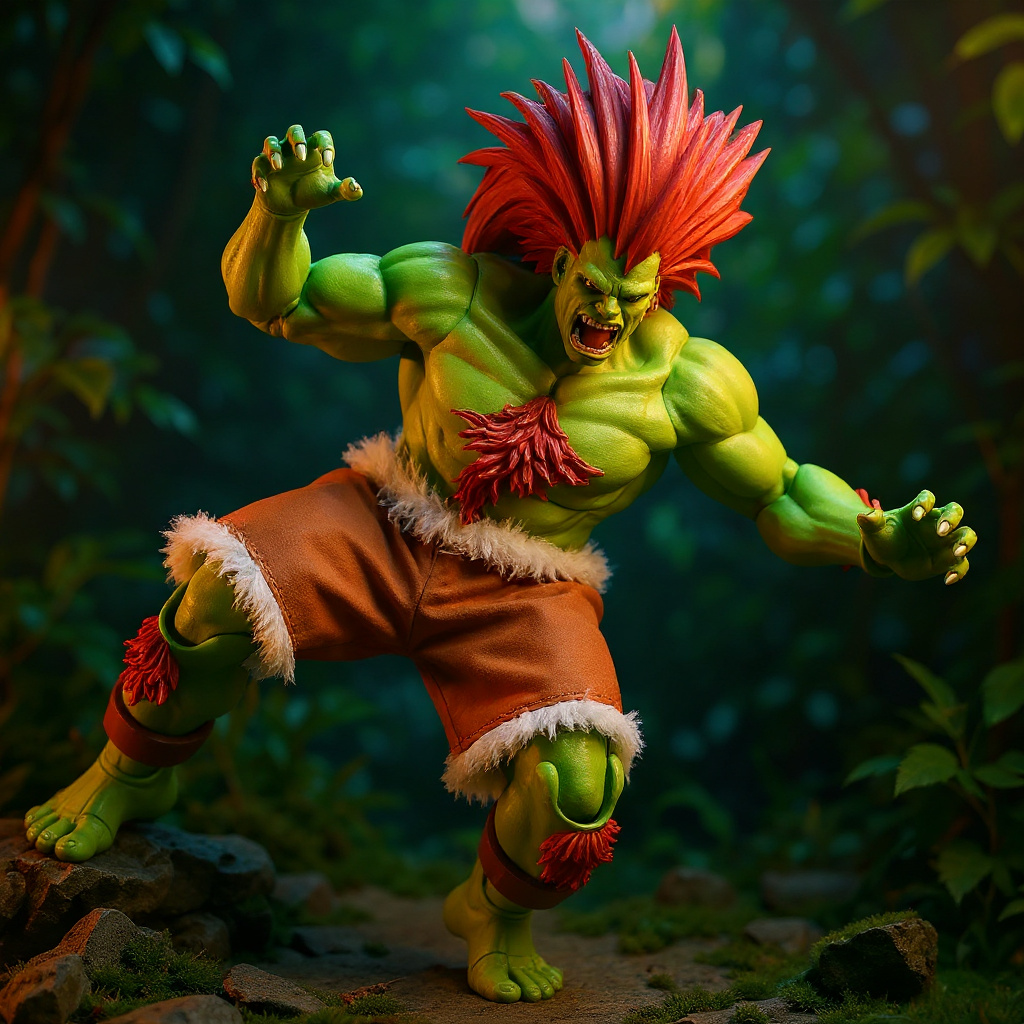
Wire Gauge: What 24-26 Means for a Cape Edge
AWG 24 wire is about 0.51 mm thick. AWG 26 is about 0.41 mm. See the American wire gauge table for the full scale.
Thinner wire bends with a fingertip but sags under a heavy hem. Thicker wire holds sharp angles but shows through the cloth as a hard line. I treat 24-26 as the working range for a 7-8 inch cape. That is a craft rule of thumb, not a standard. Ask the maker which gauge is inside before you buy.
Wire also fatigues. Metal work hardens when you bend it back and forth, and it eventually cracks. Nobody publishes a bend count for cape wire. My estimate is that a few dozen bends at one crease are fine and hundreds are not. That is a field estimate. It is not a lab result.
How to Pose a Wire-Edged Cape
Think in layers. Start with the overall shape, then add detail.
1. Set the primary curve. Pick one flow direction: behind the figure for speed, to one side for a turn, forward for a landing. 2. Add asymmetry. Raise one edge and drop the other. Matched sides look stamped out. 3. Pinch folds into the cloth. Ridges and valleys give the camera something to catch. 4. Adjust the collar. A small twist at the neck changes the whole flow. 5. Test camera angles. A pose that looks great from the front can look flat from the side. 6. Stop before it looks perfect. Leave one corner a little off.
For Blanka, skip the smooth, graceful sweep. Use sharp angles and abrupt bends. His style is chaotic. Your cape should be too.
Using the Cape in a Diorama Scene
A diorama gives the cape a reason to move. Consider a jungle riverbank base with a painted backdrop. Wind from one side of the frame would push the cape the same direction. Match the bend to the scene.
A few practical notes:
- Keep the cape inside the base footprint. A 7.5 in cape swept sideways can overhang a small base and knock into the frame. - Match the backdrop palette. Muted earthy or red-orange cloth pops against cool green foliage and blends with warm sand. - Shoot with a low angle. The hem and wire edge read as dramatic from below. - Plan the bend before you place props. Adjusting a cape after the scenery is glued down is a mess.
Collectors share setups like this on Reddit's ActionFigures community. Browsing it is a fast way to see which cape shapes read well on camera.
Handmade Stitching: What to Expect
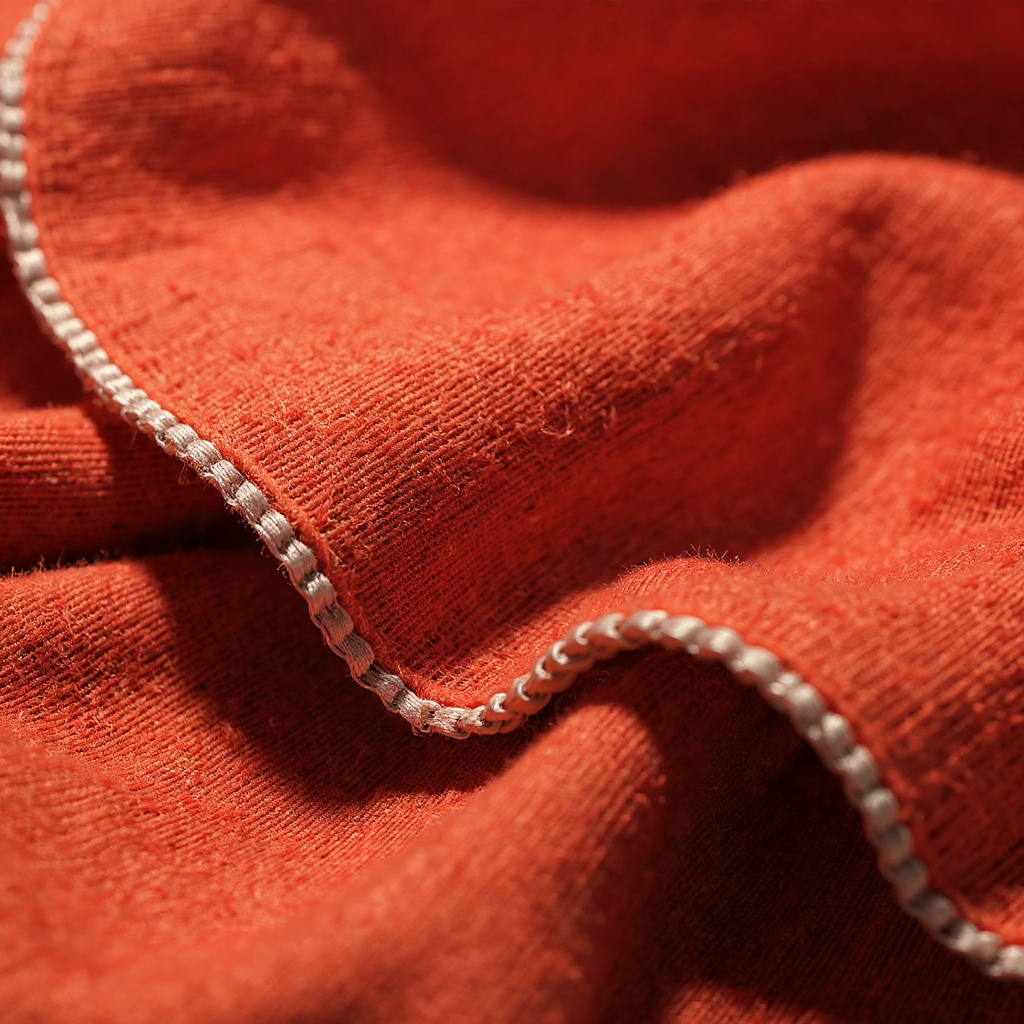
Handmade capes don't have machine-perfect seams. Some hems run a hair off straight. That is part of the product. Uneven stitching catches light, and a hem that isn't dead straight moves more convincingly.
A few handling tips:
- Loose threads: Pull one gently first. It may settle back into the seam. If it won't, cut close to the base with sharp scissors. - Color shifts: Hand-dyed cloth varies from panel to panel. Under photo lights, those shifts look like age and wear. - Wire check: Run a fingertip along each edge before first use. If a section feels loose, a dab of fabric glue fixes it.
The Blanka Cape Replacement shows all of this up close. The stitching is visible, and the cloth carries natural fold lines.
Honest Downsides
Honestly, if your display shelf sits in a humid room, skip this. Cloth holds moisture, and I can't promise any maker's wire is rust-proof. Ask first.
A 7.5 in cape also adds pull at the neck. A 6-inch figure's collar sits roughly 5 inches off the floor. That means the cape pools about 2.5 inches if it hangs straight. Wire lifts it, but a figure with loose ankles can tip backward when the cape is swept behind. Test it before you commit to a pose.
And a cape won't rescue a bad pose. Not even close.
Attach and Care Steps
1. Check the collar fit. Confirm the closure suits your figure's neck before bending anything. 2. Seat the cape low on the shoulders. A high seat bunches the cloth against the head. 3. Shape the main curve first. Make small bends. Don't force a sharp fold on the first try. 4. Dust with a soft brush. Use light strokes along the folds. Don't scrub. 5. Vary your bend points. Move the creases a quarter inch or more between sessions. 6. Store it loose. Hang it or lay it flat. A crushed cape loses its fold lines.
Keep it out of direct sun. Hand-dyed cloth fades with prolonged UV exposure. Small tears can be fixed with fabric glue or a few stitches, and handmade construction makes that easier than fixing cracked plastic.
Is $36.50 Worth It?
If you pose figures weekly or build dioramas, yes. One cape can serve dozens of scenes. If your figures sit untouched for months, a $8-15 plastic cape does the job.
A middle path works too. Buy one wire-edged cape for the figure you photograph most. Treat it as your hero prop.
Frequently Asked Questions
Does the Blanka cape fit 6-inch 1/12 figures? Yes. It is made for 1/12 scale, which means 6-inch figures. It measures 7.5 inches from collar to hem. Check your figure's neck design against the listing before ordering. What wire gauge is best for a figure cape edge? Most makers use 24-26 AWG, which is 0.41-0.51 mm thick. Thinner wire bends easily and holds lighter cloth. Thicker wire holds sharper angles. Ask the maker for the exact gauge. How long does cape wire keep its shape? No published test exists. My estimate is that a few dozen bends at one crease are safe, and hundreds will fatigue the metal. Spread your bends across different spots to extend life. How much more does a wire-edged cape cost than plastic? About 2.4 to 4.6 times. The Blanka cape is $36.50. Molded plastic capes typically run $8-15. How do I clean a fabric action figure cape? Brush it with a soft brush along the folds. Avoid soaking, because moisture can reach the wire. Spot-clean marks with a barely damp cloth and let it air dry flat. Can I use a wire-edged cape in a diorama? Yes. Keep the bent cape inside your base footprint, and match its direction to the scene's wind or action. A 7.5 in cape swept sideways can overhang a small base. What color suits Blanka? A muted earthy or red-orange tone. It echoes his orange mane and sits well against his green skin and jungle backdrops. Will the cape make my figure tip over? It can, if the figure has loose ankles or hips. Test the pose with the cape swept backward. If it tips, lower the cape's angle or add a stand.Product Details
| Item | Detail |
|---|---|
| Product | Blanka Cape Replacement |
| Scale | 1/12 |
| Length | 7.5 in (collar to hem) |
| Material | Soft textured cloth, wire-shaped edges |
| Price | $36.50 |
More accessories are in the full collection at TheFigureVault.

