


The bottom line
- A 7-inch figure stands about 178 mm tall (7 x 25.4 mm). - 22 AWG wire is 0.64 mm thick and 18 AWG is 1.02 mm, per the American wire gauge table. - Fabric wins for poseable capes, photography, and a traditional look with visible stitched seams. - Plastic wins for heavy handling, sculpted logos, and sun-exposed shelves.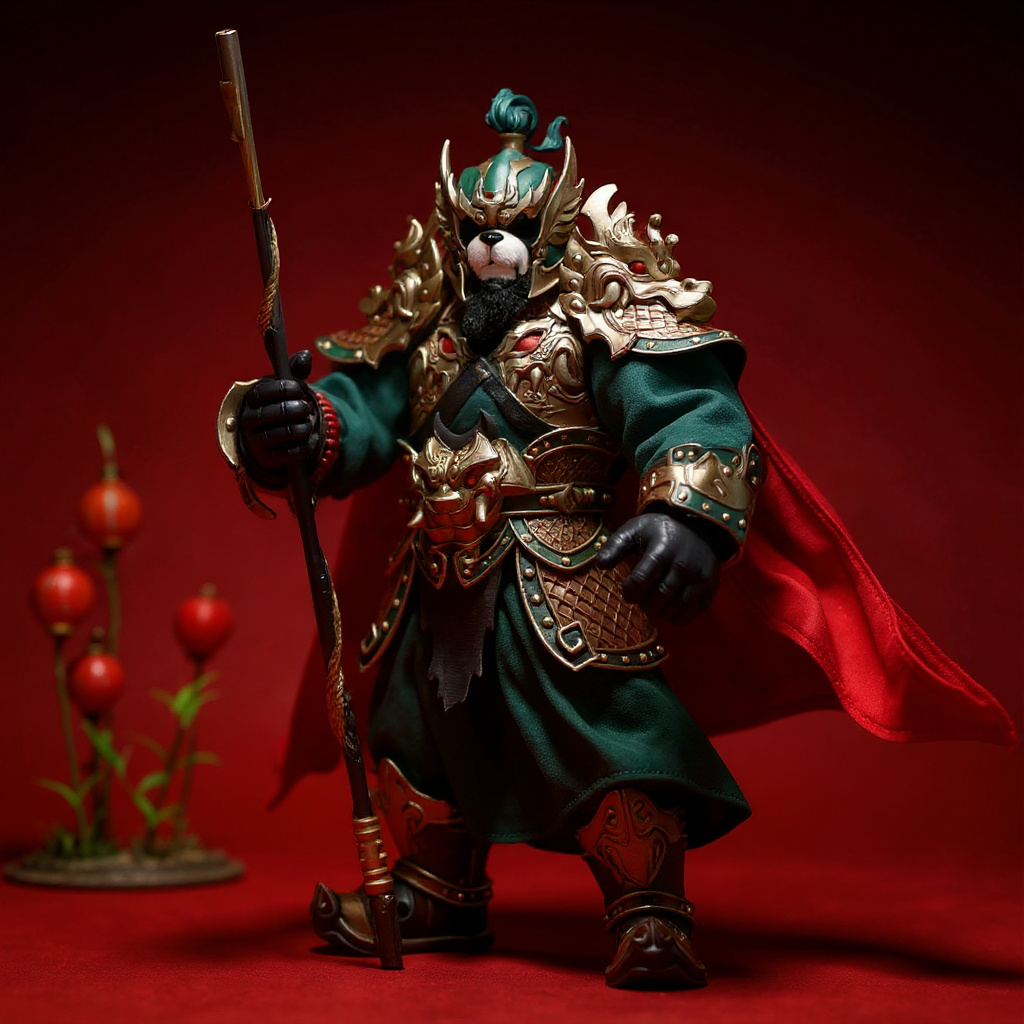
Action Figure Cape Comparison: Fabric vs Plastic at a Glance
| Factor | Fabric cape (wire-reinforced) | Plastic cape (molded) |
|---|---|---|
| Posing | Re-bendable many times | Fixed shape, or a little flex in soft PVC |
| Surface detail | Stitching, weave, dyed color | Embossed logos, sharp edges |
| Edge behavior | Can fray if not hemmed | Cannot fray |
| Look in photos | Real folds and soft light falloff | Often shows a plastic sheen |
| Light and humidity | Dyes can fade, damp can cause mildew | Can yellow, but does not mildew |
| Consistency | Varies by maker | Identical from unit to unit |
The 'consistency' row matters. Injection molding repeats the same part every time. Handmade work does not.
Why Scale Makes Fabric Harder Than It Looks
Here is what most 'fabric beats plastic' articles skip. Cloth does not shrink with the figure. Thread diameter, weave texture, and bending stiffness stay the same size. A cape that drapes softly on a person can look stiff and fuzzy on a 7-inch body. Stiff. Fuzzy. Wrong.
The fix is to choose thin cloth. Thin cotton lawn and silk habotai run about 0.1 to 0.25 mm thick (approximate). Canvas and denim are much thicker and look like a rug on a shoulder. If your fabric looks bulky next to the figure's hand, it is too thick, so try a finer weave.
Where Plastic Capes Still Win
Plastic has real strengths. Molded capes can carry embossed emblems and crisp edges that thread cannot copy. Lines like McFarlane's DC Multiverse, which is sold at the 7-inch size, rely on this sculpted detail. You can compare how McFarlane Toys, Hasbro, and Good Smile's figma line handle capes on their product pages, because each uses different approaches across its figures.
Plastic also survives a toddler, a cat, and a shelf move. Cut cloth cannot promise that. Soft PVC (a vinyl plastic) bends a little, but it will not hold a new shape the way wire does.
I can't give a verified per-unit cost for either type. Manufacturers do not publish those numbers, and quoting unsourced prices would only mislead you.
Poseable Capes: What the Wire Actually Does
Wire turns a floppy cloth into a poseable cape. Run it along the hem or the outer edge, and the cape holds a wind-blown sweep or a pulled-back sword-draw pose. A wire placed across the middle fights the fabric's natural fold.
22 AWG (0.64 mm) bends by hand and holds thin cloth in place. 18 AWG (1.02 mm) holds harder but may show as a ridge under fabric thinner than 0.2 mm. Bend any wire gently and as few times as you can, because metal work-hardens and can snap after repeated sharp bends.
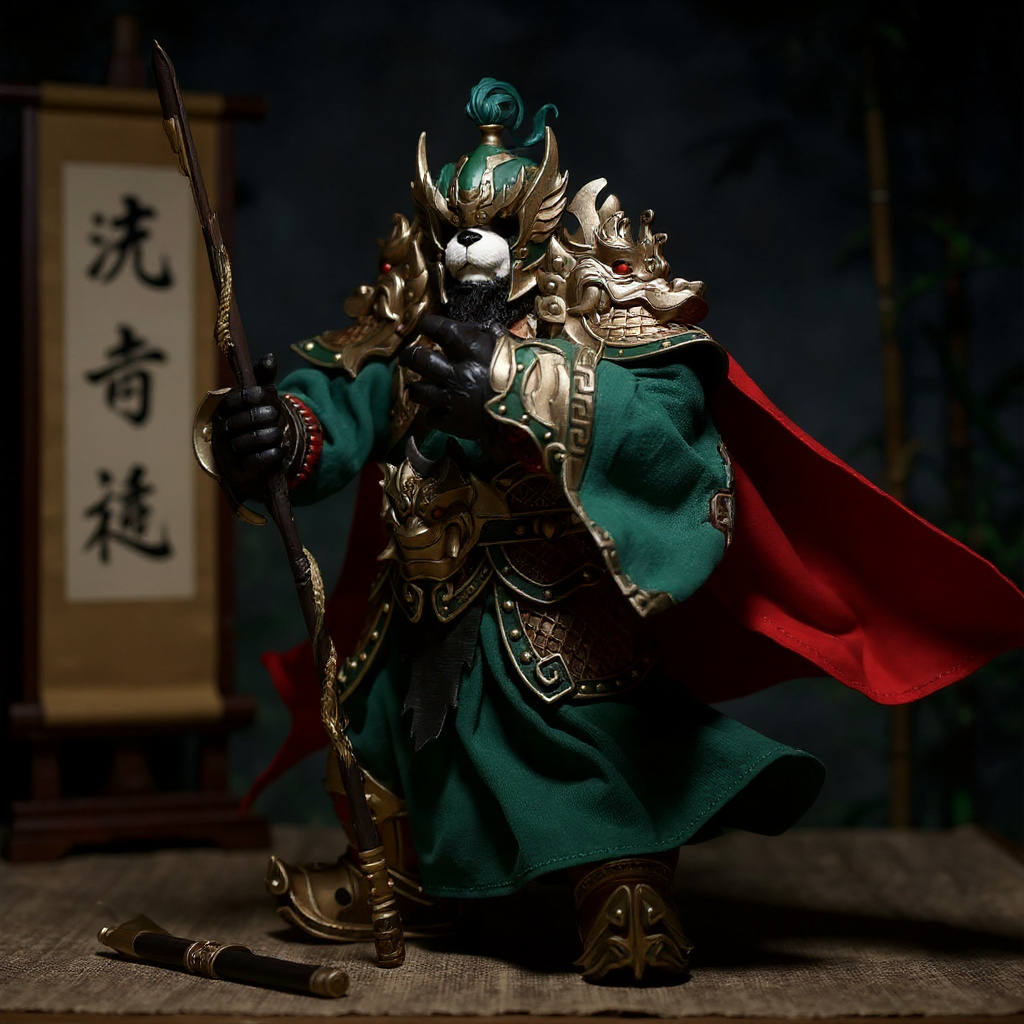
The Chinese-style cloak for 7-inch Panda General Wu Qinglong figures is one example of this build. It has an internal wire, visible stitched seams, and cloth in traditional colors. Check the listing for the current price and materials.
What a Good Chinese-Style Fabric Cape Looks Like
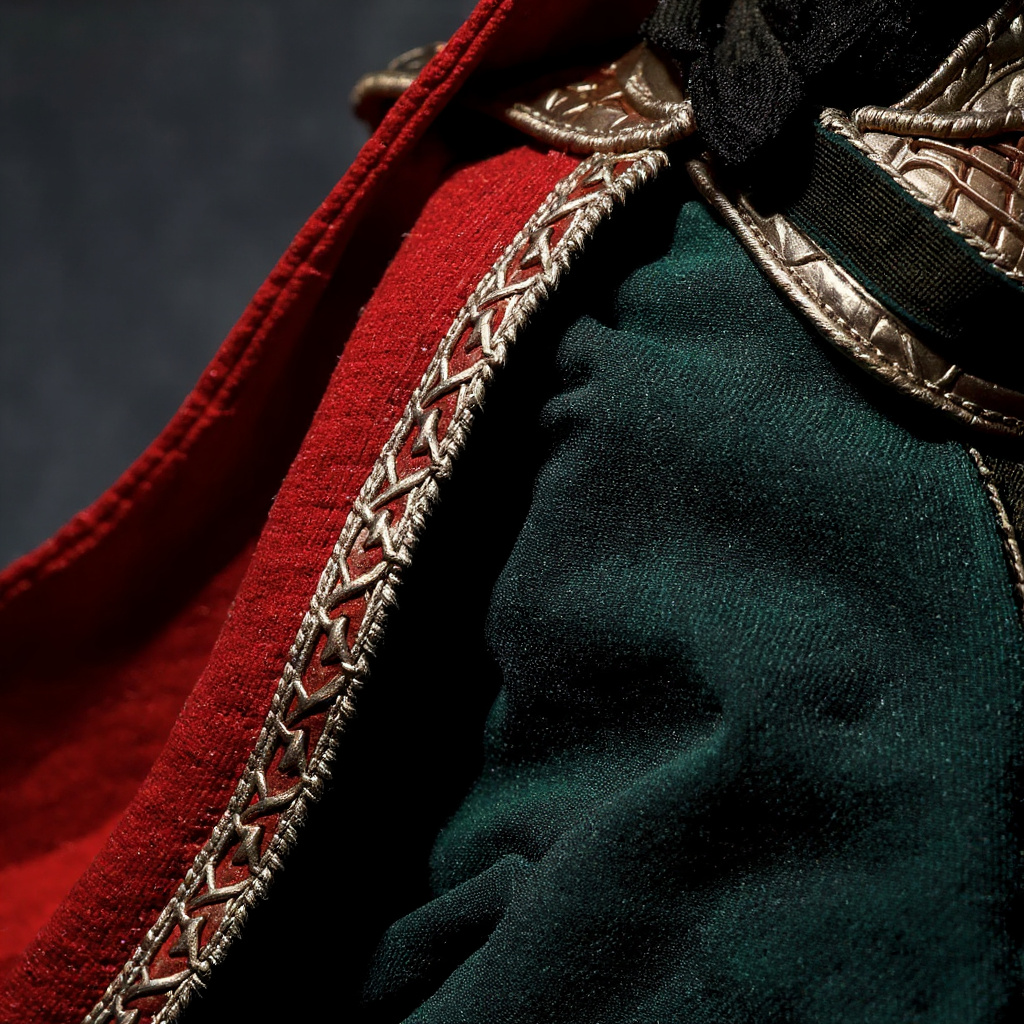
A traditional-style cape reads as cloth first. Look for these traits:
1. Visible stitched seams along the hem and shoulder line. They show it was sewn, not printed. 2. Rich or muted dyes such as deep red, black, and aged gold. These look right against lacquer-toned armor. 3. A hem on every cut edge so threads stay put. 4. A shape that follows the figure's shoulders, not a flat rectangle.
For display, use a plain neutral backdrop or a bamboo-themed one. Bamboo's vertical lines and green tones make red and gold cloth stand out. Light the cape from the side and the folds show up. Light it from the front and they flatten.
Toy Cape Materials: Approximate Comparison
| Material | Thickness (approximate) | Look at 7-inch scale | Holds wire pose | Main risk |
|---|---|---|---|---|
| Cotton lawn | 0.15-0.25 mm | Soft, matte folds | Good | Frays if unhemmed |
| Silk habotai | About 0.1 mm | Finest drape | Good | Snags, fades in sun |
| Polyester satin | 0.15-0.25 mm | Shiny, a bit slippery | Fair | Sheen can look cheap |
| Soft PVC (molded) | About 1 mm or more | Thick but sculpted | Poor | Does not hold a new shape |
| Hard plastic (molded) | About 1 mm or more | Fixed, sharp detail | None | Brittle if bent |
These figures are editorial estimates, not lab measurements. Measure your own material with calipers before cutting.
A 10-Minute Home Test Before You Choose
You can test the drape yourself. Cut a 90 x 60 mm strip of the fabric you are considering. Hang it from the figure's shoulders and tuck a length of 22 AWG wire into the hem. Pose it, then bend it back and forth ten times. Does the edge fray? Does the wire hold? Does the cloth look thick beside the hand? That test tells you more than any chart, including mine.
When You Should Skip Fabric
Honestly, if your shelf sits in a sunny window or a damp room, skip fabric and buy plastic. Sunlight fades dyes and damp can cause mildew. Plastic also yellows under UV, so no material is safe by a window. But plastic does not grow mold. Not even close.
The same goes for figures handled daily by kids. Wire ends and loose threads are a poor mix with small hands. A molded cape is the safer pick.
So Which Wins for 7-Inch Figures?
For a collector who poses and photographs, fabric wins. For a figure that gets handled or lives in a bright room, plastic wins. A wire-reinforced cloth cape gives you the drape and posing of fabric with fewer drawbacks than loose cloth. If you collect Chinese-style figures and want visible seams and traditional colors, see the handmade Chinese-style cape and compare it with what the major brands offer. For wider context on figures in general, the r/ActionFigures community and the action figure overview are worth a look. For scale basics, see 1:12 scale.
FAQ
Is a fabric cape or a plastic cape better for a 7-inch action figure?
For display and photos, a wire-reinforced fabric cape is better because it can be bent into new poses and shows real stitched seams. A plastic cape is better when the figure gets handled daily, since cut cloth edges can fray and molded plastic cannot. Pick by how you use the figure.
What wire gauge works inside a fabric cape for a 7-inch figure?
22 AWG wire, which is 0.64 mm thick, is a sound starting point. It bends by hand and holds a shape under the weight of thin cloth. 18 AWG is 1.02 mm and holds harder, but it may show a ridge through fabric thinner than 0.2 mm. Run it along the hem, not across the middle.
Which fabric looks best on a 7-inch Chinese-style cape?
Thin cotton lawn or silk habotai, both about 0.1 to 0.25 mm thick, give the softest fold at this size. Dyed reds, blacks, and muted golds suit a traditional look. Skip canvas, denim, and thick brocade; their weave is too coarse and the folds look like a bedspread.
Do handmade fabric capes fray?
Cut edges fray unless they are hemmed, folded, or sealed. Look for a stitched hem along every edge; visible seams are a good sign, not a flaw. If a thread lifts, a drop of clear fabric glue on the inside stops it. Keep scissors away from the finished edge.
Will a fabric cape fade on display?
Yes, if it sits in sunlight. Ultraviolet light fades many dyes, red among them. Keep the display shelf out of direct sun, or use a case with UV-filtering glazing. Plastic fades and yellows under UV too, so neither material is safe by a window.
How long should a cape be for a 7-inch figure?
Measure the figure, not a chart. On a 7-inch body (about 178 mm tall), a cape from shoulder to mid-calf often lands around 90 to 110 mm. Add a few millimeters for hems. Cut a paper pattern first. A cape 10 mm too long pools on the base and hides the legs.
Are wire-reinforced fabric capes safe for children?
A wire-reinforced cape is a collector accessory, and the internal wire is not suited to young children. Check the age grade on any listing before buying. For a child's play figure, a molded plastic cape has no wire ends to work loose. Keep wire-framed pieces on the shelf.
Sources and References
- American wire gauge (wire diameters) - 1:12 scale - Polyvinyl chloride - Action figure - Manufacturer product pages: McFarlane Toys, Hasbro, Good Smile

