


A good cape makes the difference between a static display figure and one that tells a story. Cheap plastic ones don't. That's really the whole article in two sentences, but let's get into why.
Why Most Figure Capes Fall Short
Most factory-included capes are molded plastic. They stick straight out behind the figure like a surfboard fin, or they hang there, limp, doing nothing. No wind effect. No dramatic swoosh. Just a flat piece of colored plastic that screams "toy" the moment it hits a photo.
Thin vinyl capes bundled with budget figures aren't much better. They tear if you look at them wrong, and the attachment points crack within a week of normal posing — I've had this happen on three separate cheap knight figures, all within the same month, which is how I ended up down this rabbit hole in the first place.
The deeper problem isn't materials. It's scale. At 1/12 size, fabric physics behave differently than they do at 1/6 or 1/4. What drapes naturally on a 12-inch figure often looks bulky and stiff on a 6-inch one, because the fabric weight doesn't shrink at the same rate as the figure. The action figure industry, broadly speaking, still hasn't solved this for the small-scale market.
Fabric Choice Changes Everything
Not all fabrics work at 1/12 scale. Cotton, on its own, is too thick. Satin looks cheap under normal room lighting. Denim? Don't. You'd basically be wrapping your figure in a sleeping bag.
The sweet spot is lightweight woven material with some structure but not too much body — thin canvas or a treated cotton blend, usually. Enough weight to drape. Not so much that it swallows a palm-sized frame.
| Material Type | Pros | Cons | Best For | Typical Cost |
|---|---|---|---|---|
| Thin Canvas | Holds shape, survives handling | Stiff until broken in | Knights, armor figures | $20–35 handmade |
| Cotton Blend | Soft drape, cheap to source | Frays at cut edges over time | Casual/civilian characters | $15–25 handmade |
| Treated Silk | Best flow of any option here | Delicate, tears near stitching | Formal or magical characters | $40–60 handmade |
| Vinyl/PVC | Won't tear, wipes clean | Looks fake, holds zero drape | Budget builds, kids' displays | $8–15 factory |
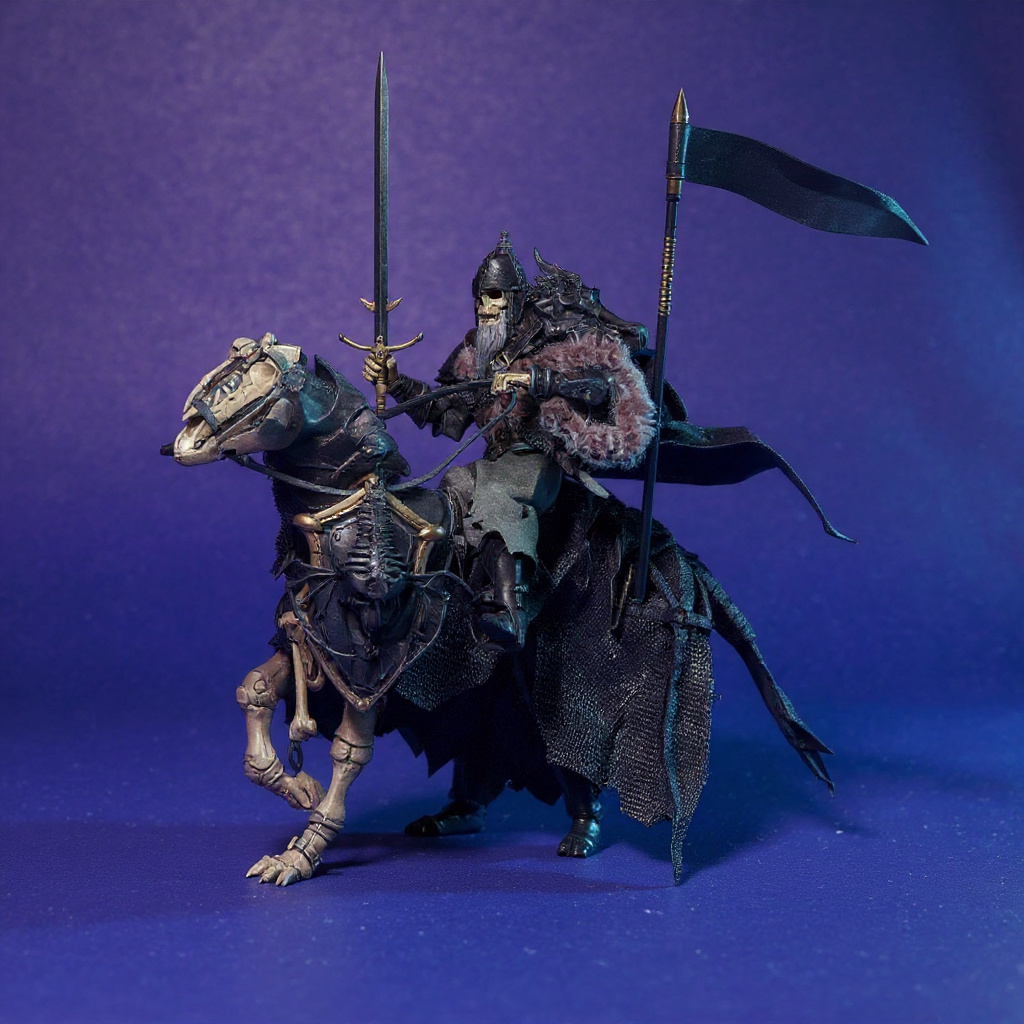
| Wire-Core Cloth Blend | Fabric drape + shapeable pose | Needs occasional wire adjustment | Dark fantasy, skeleton knights | $25–40 handmade |
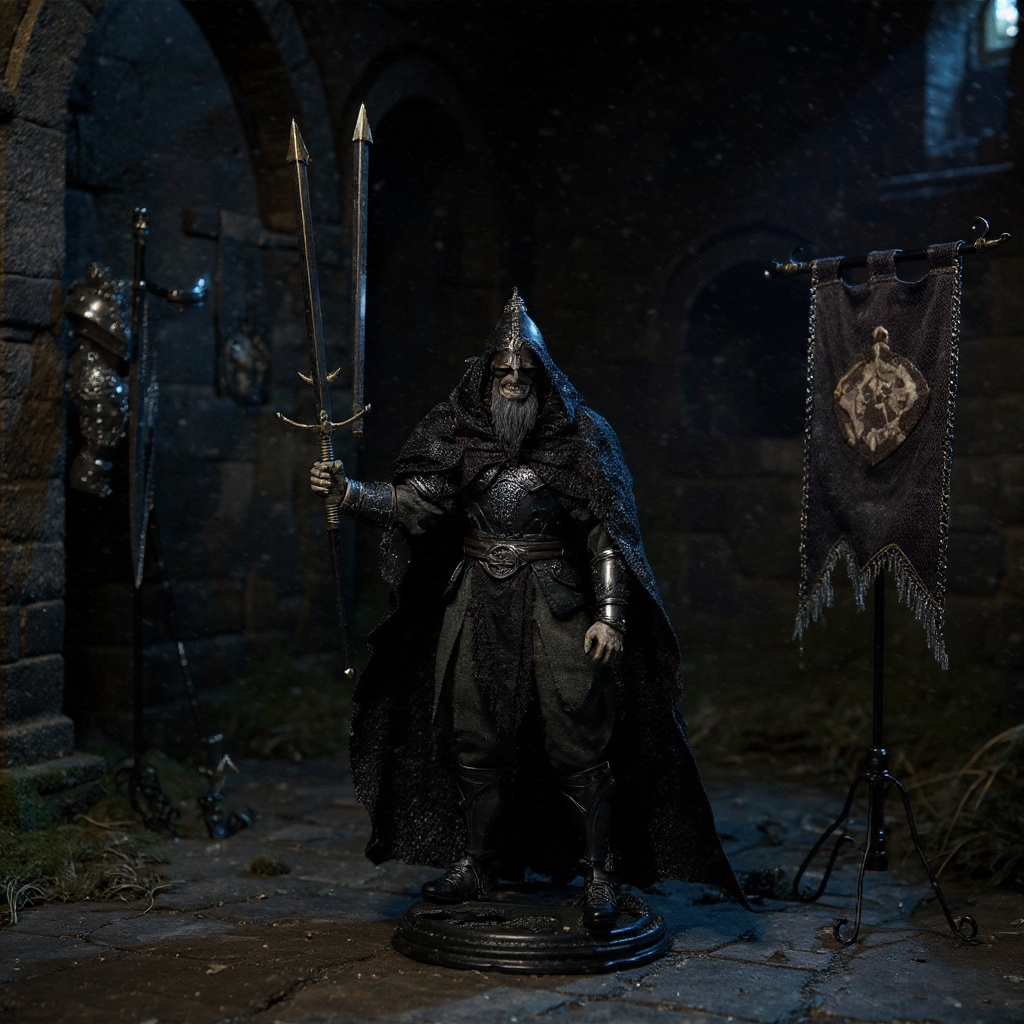
Texture matters as much as fiber content. A roughened surface catches light better than smooth fabric at small scale, which is part of why weathered, tattered edges often read as more convincing than a perfect factory hem. Honestly, if your figure is a clean paladin-type character in pristine armor, skip the distressed-edge cape entirely — it'll clash. Save the tattered look for characters where wear actually makes narrative sense.
Wire Cores: The Part Most Collectors Skip
Here's what a lot of buyers don't know until they've ruined one cape finding out the hard way: the fabric needs an internal skeleton. Thin wire sewn into the edges lets you shape curves that hold their position through an entire photo session, not just the first three shots.
Without wire, even good fabric just hangs there. With it, you can build:
1. Wind-swept action poses that freeze mid-motion 2. Hood shadows by curving the collar inward 3. Battle-torn edges that twist instead of flopping flat 4. Swooping arcs that read as speed or power in a photo 5. Asymmetrical drapes that give the figure personality instead of symmetry
Wire gauge matters more than most tutorials admit. Go too thick and it shows as a ridge through the fabric. Too thin and it won't hold a pose past the first repositioning. 24-gauge craft wire is the gauge that's worked across most of the 1/12 builds I've tested — thinner if the fabric itself is heavier, thicker if you're using something delicate like treated silk.
Some makers use floral wire because it's cheap and available at any craft store. Skip it if you can. The green coating shows through light-colored fabric under studio lighting, and it looks exactly as accidental as it is.
Size and Fit: Getting the Proportions Right
This is where most DIY attempts fail, and it's not really about skill — it's about the math nobody checks. A cape that looks perfectly proportioned on your desk can swallow the figure once it's attached, because scale doesn't work linearly. What looks right on a 12-inch figure needs to be shortened and narrowed for a 6-inch one, not just scaled down by the same ratio.
For 1/12 scale figures (roughly 6 inches tall), cape length should hit mid-calf to ankle — not drag on the display base. Width should span about 1.5 times the figure's shoulder width when fully spread, which for most 6-inch bodies works out to somewhere between 3.5 and 4.5 inches across.
Attachment points matter too. Neck clasps suit formal characters fine. Shoulder attachments give better range of motion for action poses, though some figures have fixed mounting points that limit which option even works. Check before you buy.
For fantasy builds like skeleton knights, you generally want that weathered, battle-worn look rather than a clean hem. The 1/12 Skeleton Knight Cape is built around tattered edges and a muted gray-black tone that lands in the dark fantasy aesthetic without tipping into cartoon territory.
What Actually Works vs. What Doesn't
After comparing notes with other builders in Reddit's ActionFigures community and running my own trial-and-error across a couple dozen capes, a few patterns keep showing up.
What tends to work:1. Lightweight fabric paired with an internal wire structure 2. Proportions cut specifically for 1/12 scale, not scaled down from 1/6 3. Attachment systems that don't fight the figure's articulation 4. Colors that sit close to the figure's existing palette instead of competing with it 5. Weathering that matches the character's backstory instead of being applied for its own sake
What tends to fail:1. Pure plastic with zero flexibility 2. Fabric heavy enough to pull the figure off balance at the waist or shoulders 3. Perfectly clean, unworn edges on a character who's supposedly been in ten battles 4. Bright, saturated colors that clash with a muted, realistic figure finish 5. One-size-fits-all capes sold across multiple scales without real resizing
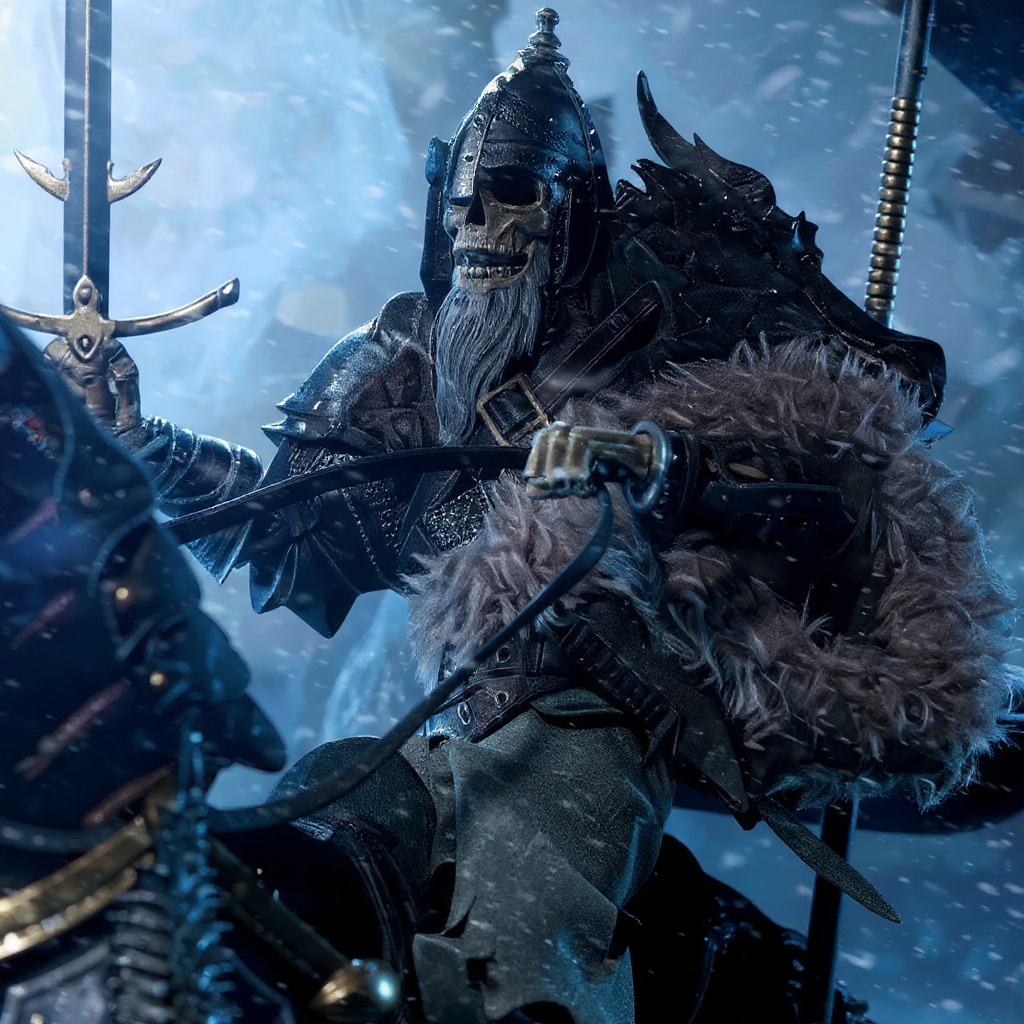
The difference shows up immediately in photos. A wire-core soft-goods cape creates a dynamic silhouette. Plastic makes the same pose look frozen and toy-like, every time.
Price Reality Check
Generic plastic capes from accessory sellers run $8–15. Cheap for a reason: no posability, limited attachment options, and they read as exactly what they are.
Premium soft-goods capes from established figure brands run $40–80, but most are cut for 1/6 scale (12-inch figures), not 1/12. Finding something actually sized for the smaller scale narrows the field fast.
Handmade wire-core cloth capes typically land at $25–40. More than plastic. Less than premium branded goods. You're paying for custom sizing and a wire structure that makes the poses possible in the first place — that's really the whole value proposition in one sentence.
For collectors who care about photography and display quality, that price gap tends to pay for itself by the first photo session.
So Is It Worth the Investment?
If you're fine with basic static poses, plastic does the job. Nothing wrong with that if display shelf space, not photography, is the goal.
But if you want figures that suggest movement or drama, you need fabric that actually moves like fabric. The best cape for palm-size action figures isn't the cheapest option or the most expensive one — it's the one cut for 1/12 scale with a wire core that lets you build the pose you're picturing before you even pick up the fabric.
For skeleton knight builds specifically, look for something that suggests age and battle wear without looking artificially distressed in a way that reads as obviously fake under close inspection. The 1/12 Skeleton Knight Cape, priced at $34, is built around that brief: handmade soft goods, a shapeable wire core, and coloring aimed at the dark fantasy, skeletal-armor look rather than a generic dark cloak. You can also browse the broader 1/12 scale accessories collection or the figure customization blog for sizing references on other builds.

