


The best soft goods capes for action figure collectors pair 20-22 gauge shapeable wire with 4-6 oz matte fabric and tidy hand-stitched seams, and they cost $20-40. They hold a windswept pose on a 7-inch figure, where $8-15 plastic capes stay fixed. Expect to replace a heavily posed wired cape every 1-2 years.
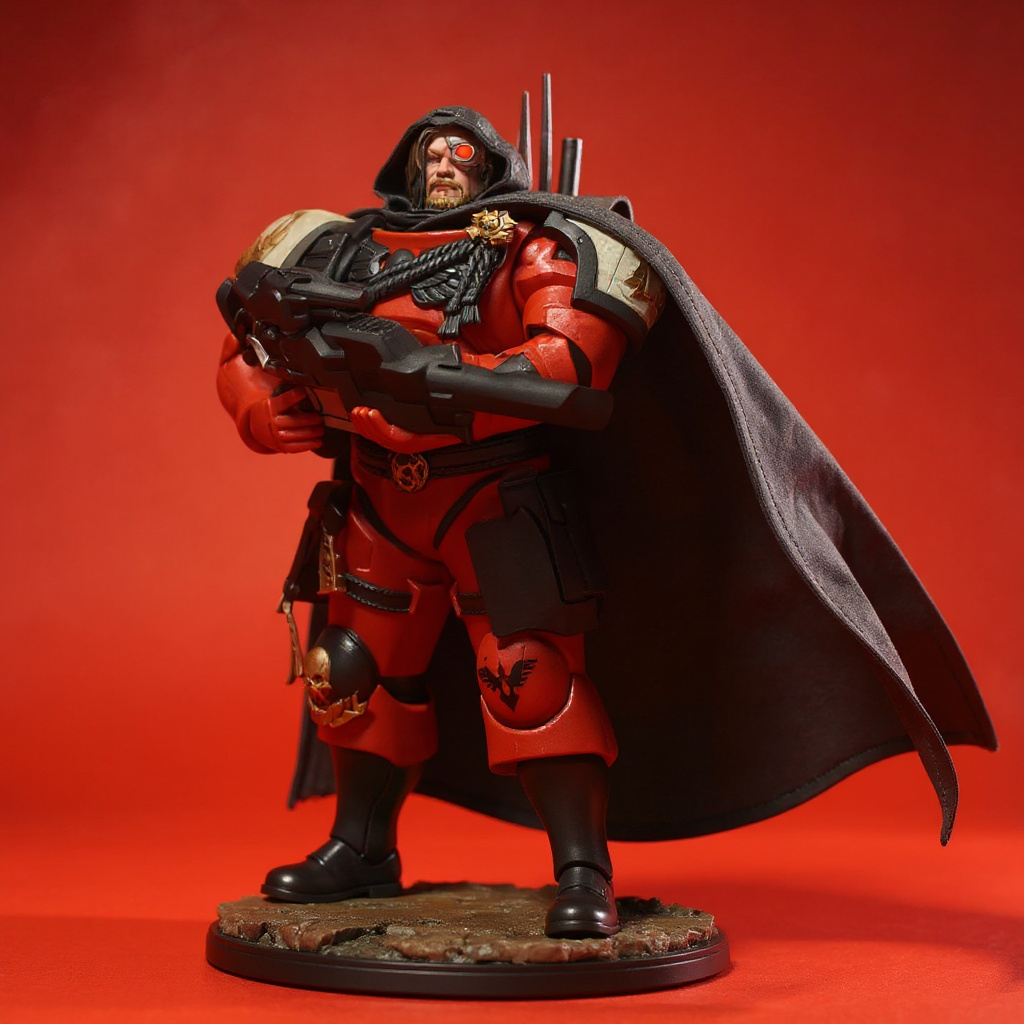
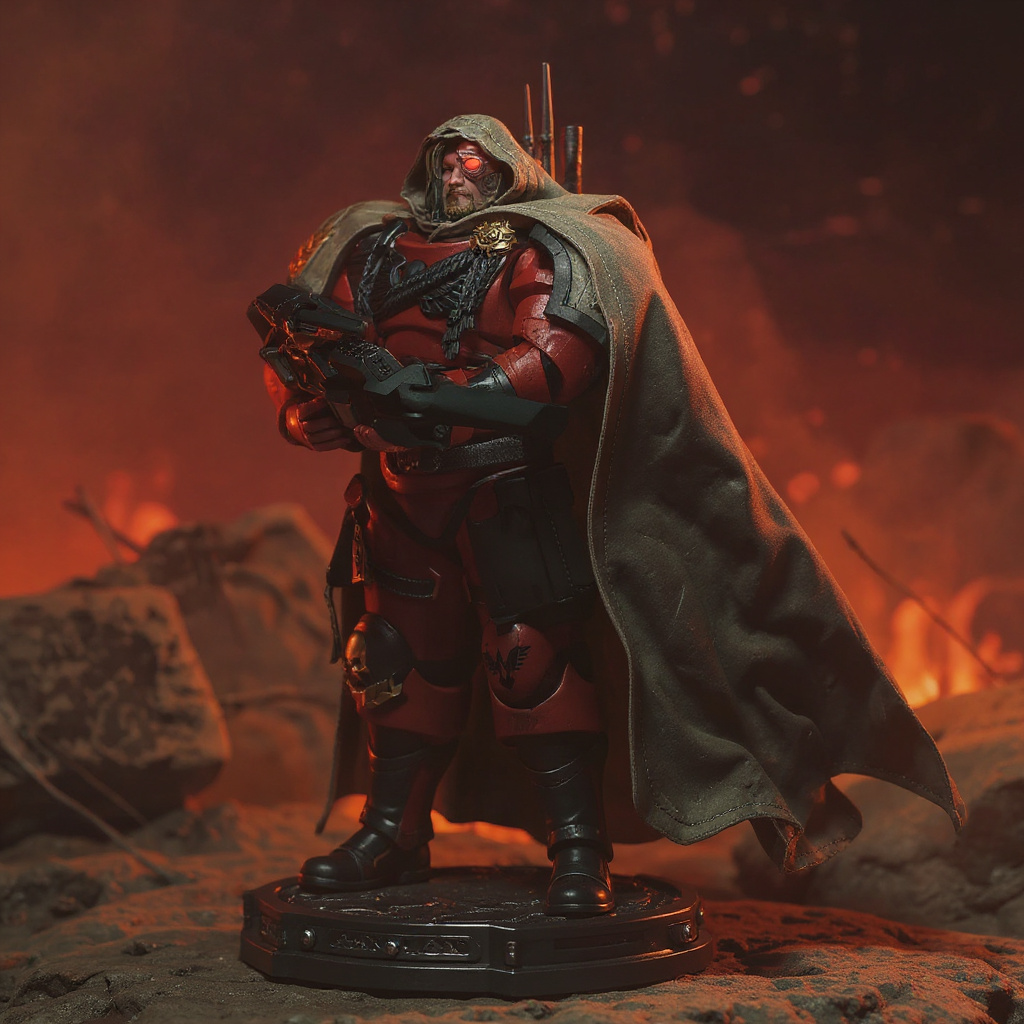
Picture the target look. A dark red-black cape sits over a 7-inch figure's shoulders. The cloth is matte with a faint sheen where the light catches it. Hand-stitched seams show along the edges. Wire inside the hem sweeps the folds sideways, as if a gust just hit. Studio lighting rakes across the surface and picks out the fabric grain. That is what soft goods can do and molded plastic cannot.
Plastic capes come on most store-bought figures. They are cheap, uniform and lifeless. The trade-off with cloth is upkeep: fabric frays, wire fatigues, and handmade quality varies from seller to seller.
How we judge the best soft goods capes for action figure collectors
These are hands-on observations, not lab tests. I have broken three wired capes in two years of posing figures for photos, and that wear shaped the checklist below. Where a number comes from general materials knowledge instead of our own handling, we say so and link a source.
We score every cape on five things:
- Wire gauge and whether the wire runs unbroken - Fabric weight and weave at 7-inch scale - Seam construction and edge finish - Surface finish under studio light - Fit across shoulder widths
What makes a wired cape poseable
Wire placement decides most of it. In our experience, wire around 20-22 gauge along the hem and collar holds a pose and still bends by hand. Thinner wire, such as 24 gauge, tends to spring back or kink sooner. Gauge numbers follow the American wire gauge system, where a higher number means a thinner wire.
Metal also gets stiffer and more brittle each time you bend it. Materials people call this work hardening. It explains why a cape that posed perfectly in week one fights you by month six. Bend gradually. Avoid sharp creases.
Fabric weight matters just as much. A cape that is too heavy tips a 7-inch figure over. One that is too light flops. Lightweight cotton or cotton-blend cloth in the 4-6 oz per square yard range drapes well and still holds wire-shaped folds, though makers differ on the exact weight.
Scale gets tricky. A 7-inch figure sits roughly between 1:10 and 1:12 scale, so a coarse weave looks like burlap on a superhero. Tight-weave cloth reads as smooth at that size. A matte finish with a faint sheen photographs best. Glossy satin throws hot spots under studio lights.
Wired soft goods vs plastic capes
| Feature | Wired Soft Goods Cape | Plastic Cape |
|---|---|---|
| Typical price | $20-40 | $8-15 |
| Pose flexibility | Reshapeable many times | Fixed or minimal bend |
| Durability | Wire fatigues with repeated re-bending | Rarely wears out; thin edges can crack |
| Scale look | Natural drape, visible weave | Often thick and stiff |
| Photography value | Dynamic, windswept shapes | Static and predictable |
| Care | Hand adjustment, edge sealing | Wipe clean |
Is it worth it? For photography, yes. For a shelf display you never touch, no.
Hand-stitched vs machine-stitched: the honest version
Honestly, a machine-stitched seam is usually stronger and more even than a hand-stitched one. Skip any seller who claims hand stitching is automatically tougher. We still prefer hand-stitched capes at this size for two reasons. A maker can control tiny seam allowances around a 2-inch collar, and the visible stitches add a handmade, scale-appropriate texture that photographs well. The catch is variance. One maker's stitches are even and tight, and another's loosen after a month. Judge the stitching on the cape in your hand, not the claim in the listing.
Buying checklist: how to spot quality construction
1. Check the wire path. It should run in one continuous piece from shoulder to hem, with no joints. 2. Look for fabric sleeves. Wire should sit inside a stitched casing, not under a glued strip. 3. Inspect the edges. Cut edges should be folded, hemmed or sealed. 4. Read the color in photos. Dark red-black cloth should look even, with no blotchy dye. 5. Test a hidden corner. If you plan to weather the cape, rub a damp swab on the inside first to check for dye bleed. 6. Confirm the dimensions. Ask for collar width and cape length in inches.
Posing techniques that work
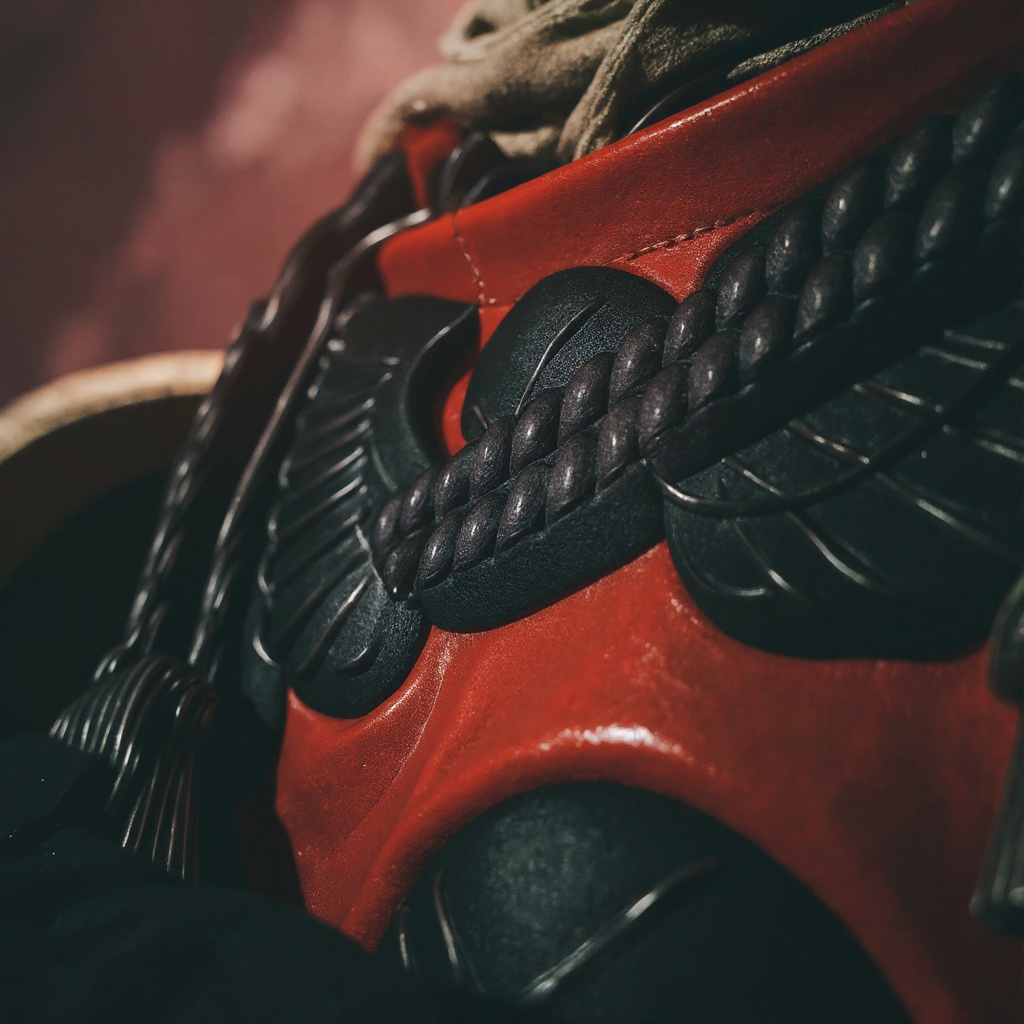
1. Attach the cape first. Fabric weight changes balance, so set the arms afterward. 2. Shape the collar, then work to the hem. Fighting gravity from the top gives a more natural fall. 3. Use a stand. Even a balanced cape benefits from rear support during a shoot. 4. Bend wire in wide arcs. Sharp angles create the weak points that snap. 5. Let it settle. Fabric relaxes over several minutes, so take a test shot, wait, then adjust. 6. Light from the side. Raking light brings out the grain and the stitch lines. 7. Test stability. A cape that looks perfect can topple your figure after 30 seconds. Check before you shoot.
Sizing: figure line, height and cape fit
Shoulder width matters more than height. The figures below are approximate. Measure your own before ordering.
| Figure line | Typical height | Approx. shoulder width | Cape fit |
|---|---|---|---|
| Marvel Legends (6-inch scale) | 6-7 in | 1.6-2.0 in | Fits with a small collar tuck |
| McFarlane DC Multiverse (7-inch scale) | 7 in | 1.8-2.3 in | Direct fit on most figures |
| Doom Slayer-style 7-inch figures | 7 in | 2.0-2.4 in | Direct fit |
| Small-run custom figures | 6-8 in | Varies widely | Measure first |
To measure a figure:
1. Measure shoulder-to-shoulder across the back, in inches. 2. Measure neck base to mid-calf for cape length. 3. Compare both numbers with the seller's listed dimensions. 4. Allow 1/8 inch of slack at the collar for pins or loops.
A $29 cape that does not fit costs more than a $40 cape sized correctly.
Weathering and customization
Dry brushing works better than liquid washes on cloth. The weave grabs pigment and avoids tide marks. Start with dark brown, then add lighter earth tones in thin passes. Mix acrylics with a textile medium to reduce cracking when the cloth flexes, and test on scrap first.
For battle damage, keep tears small. Large rips wreck the structure. Cut with a seam ripper, then fray the edge with fine sandpaper.
Common problems and fixes
Wire fatigue shows up as a bent section that will not hold. You can splice in new wire. It is tedious work. Prevention is cheaper.
Fraying gets worse with handling. Fray Check or a thin line of clear polish stops most of it. Use a tiny amount, because too much stiffens the cloth.
Shoulder attachment points take the most stress. A small patch hidden under the collar spreads the load. Add it before the first tear.
Honestly, if you live somewhere humid and never photograph your figures, skip soft goods entirely. Cloth holds moisture, thin wire can corrode, and a plastic cape will outlast it by years.
Action figures with soft goods take more upkeep than all-plastic ones. Budget time for adjustment. Budget money for replacement.Where collectors shop
Small custom shops dominate this niche. Mass manufacturers rarely hand-stitch, because volume does not justify the labor. Reddit's action figure community shares seller recommendations often, and individual experience beats marketing copy. Etsy hosts skilled makers, but quality swings. Ask for photos of the actual item, not concept art. Convention tables let you inspect stitching in person. Direct-from-maker orders sometimes allow color matching to a specific armor variant.
You can browse the full Figure Vault catalog or visit the Figure Vault homepage to compare accessories before you commit.
How the main options compare
We have not tested every competing product, so this table compares construction types, not brands.
| Option | Price range | Pose hold | Main weakness |
|---|---|---|---|
| Hand-stitched wired cape | $20-40 | Strong | Quality varies by maker |
| Machine-sewn wired cape | $15-30 | Strong | Flatter, less handmade look |
| Unwired fabric cape | $10-20 | Weak | Hangs limp, cannot hold a windswept pose |
| Molded plastic cape | $8-15 | None | Cannot be reshaped |
The 7 Inch Action Figure Cape Replacement from The Figure Vault falls in the first row. It is $29, dark red-black, matte with a slight sheen, hand-stitched, and wired for wind-swept shapes. The limits are the same as any cloth cape: the edges can fray and the wire will fatigue, so plan for that.
FAQ
Where can I buy a wired 7-inch cape? Specialty customizers on Etsy and Instagram, convention vendors, and direct-from-maker shops offer the best quality, typically at $20-40. Ask for photos of the real product and its dimensions. Are soft goods worth it on action figures? Yes for photography and dynamic displays, because you can reshape the pose over and over. No for hands-off shelf display, where a plastic cape lasts longer. Are soft goods or sculpted plastic capes better? Soft goods win on pose flexibility and realism, and plastic wins on durability and low upkeep. Choose by how often you handle your figures. Why do cloth capes look wrong on some Marvel Legends figures? Usually the fabric weave is too coarse or the cloth is too stiff for a 6-inch figure. Pick a tight, lightweight weave and check shoulder width. How do you weather a fabric cape? Dry brush thin layers of fabric-safe paint, starting with dark brown. Avoid liquid washes, which leave tide marks. How do you make a posable cape for an action figure? Use lightweight fabric of roughly 4-6 oz, sew a casing along the hem, thread 20-22 gauge wire through it, and finish the seams. Expect several test patterns per figure line. Can I add a cape to a figure that came without one? Yes. Measure shoulder width, then attach with fabric loops or small pins that sit under the collar and do not scratch the figure.Final take on the best soft goods capes for action figure collectors
The best soft goods capes for action figure collectors are lightweight, matte, wired at 20-22 gauge, and cleanly sewn. They cost more than plastic. They also wear out sooner. If you shoot photos, they are worth every dollar, because a dark red-black cape swept sideways under raking light makes a figure look alive. If you do not, buy plastic and move on.

