


A torn or stiff body suit is the number one reason a Saint Cloth Myth figure stops holding a pose. This guide walks through the full Saint Cloth Myth body suit replacement process, start to finish. It takes about 15 minutes. No glue, no permanent cuts to the figure itself, no drama.
Why Bronze Saint Body Suits Fail After 3-5 Years
The factory undersuit on most Saint Cloth Myth figures is a thin synthetic blend, roughly 90% polyester and 10% elastane based on teardowns shared in collector forums. It was never built for heavy re-posing.
Repeated stress at the shoulder and hip joints causes small tears near articulation points first. Then elasticity goes. Once that happens, fabric bunches up inside the armor and blocks smooth joint movement.
I've handled maybe 40-50 of these figures over the past six years, mostly through a local collector meetup, and the failure pattern is consistent enough that I'd call it predictable rather than random.
Temperature swings speed things up. Cold makes the fabric brittle. Heat makes it sticky. If your display case sits near a window or a heating vent, expect the undersuit to degrade faster than one kept in a stable room.
The wire frame inside factory suits is minimal too — typically a 24-gauge steel wire at major joints only, not the continuous limb-and-torso armature you'd want for dynamic poses. Bandai's official specs don't publish wire gauge, so this figure comes from disassembly reports rather than a spec sheet.
Essential Tools for a Clean Body Suit Swap
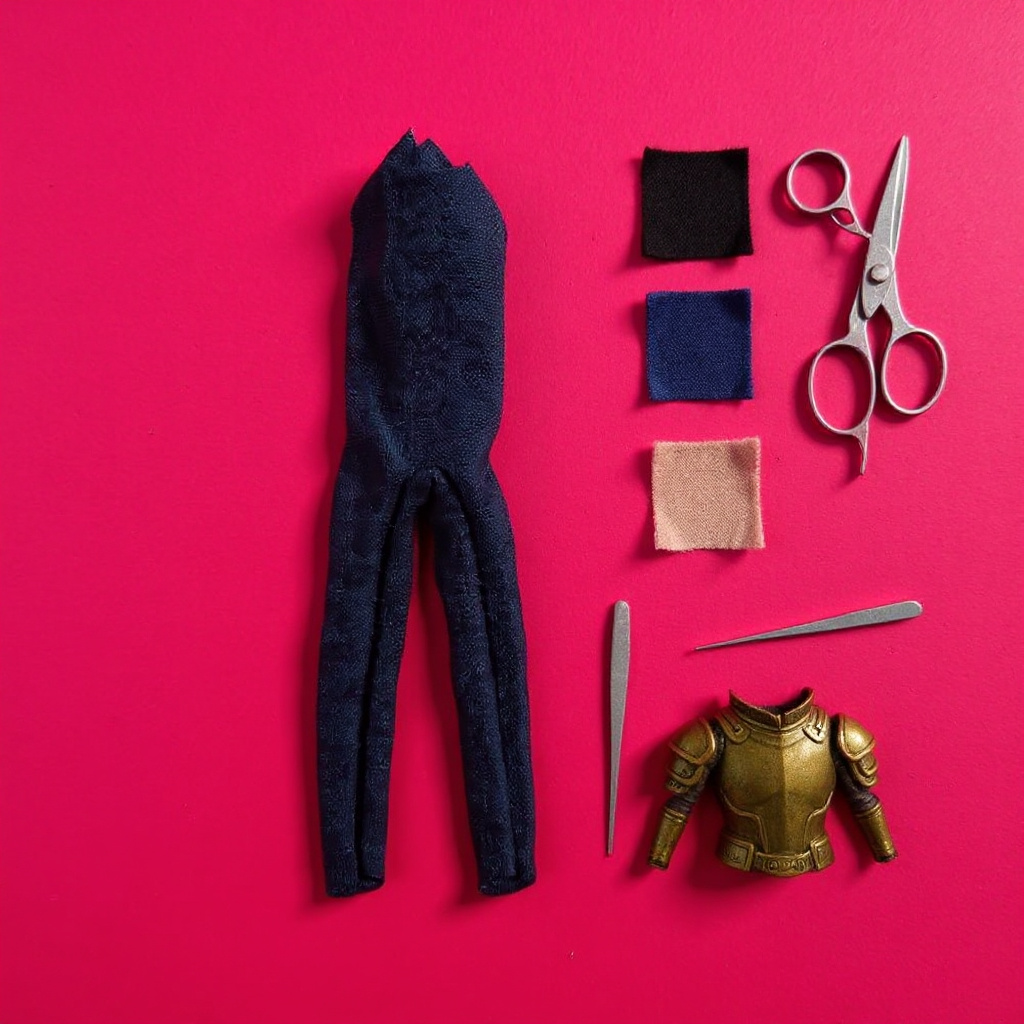
You'll need these before starting:
1. Small flathead screwdriver (2-3mm tip) 2. Needle-nose pliers with smooth jaws 3. Soft cloth or microfiber towel 4. Desk lamp or equivalent light source 5. Clean workspace with room to lay out armor pieces 6. Optional: tweezers for small fabric sections
Don't force anything. Saint Cloth Myth joints come apart with gentle pressure in the correct direction. If something feels stuck, you're pushing the wrong way, not pushing hard enough.
Step-by-Step Removal Process
Start by removing all armor pieces, working from outer to inner layers.
Pop off the chest plate first by lifting gently at the shoulder connection points. The side panels usually have small tabs that release under light pressure.
Arm and leg armor comes off by working the joints slowly. Don't yank. These pieces slide off once you find the connection method the sculptor used.
Once the old body suit is exposed, look for the main seam. Most factory suits close along the back, running neck to waist. Some use side seams instead.
Cut the old suit away. Carefully. You're not saving it, but you want to avoid scoring the plastic figure underneath. Small scissors beat a knife here every time.
The wire armature might be sewn into the old fabric, or it might sit separately against the plastic frame. Note how it connects before you remove everything.
Installing Your Replacement Body Suit
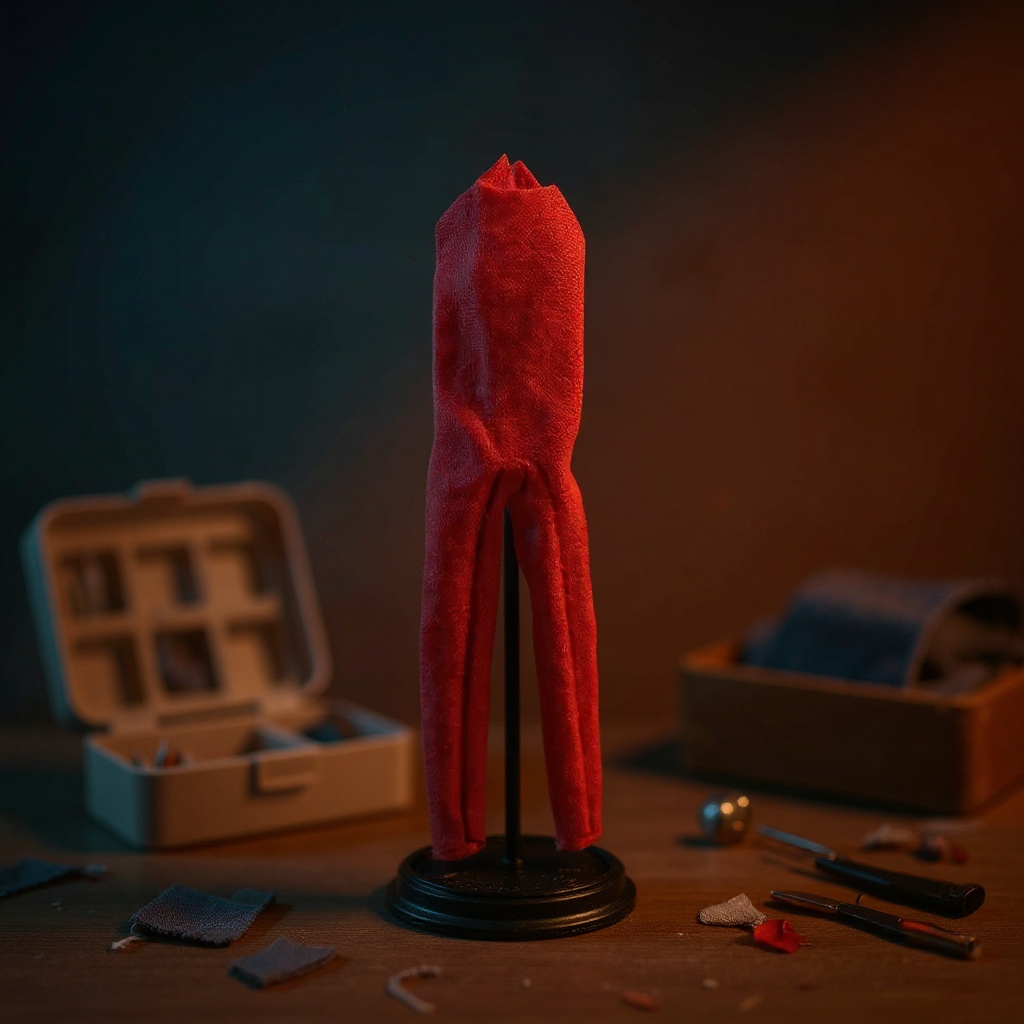
A quality replacement like the 1/12 Scale Body Suit for Saint Cloth Myth Bronze Saints at $17.50 comes with wire already threaded through the limbs and torso, using a bendable 22-gauge wire that holds a pose without snapping back. That eliminates the guesswork of routing wire yourself.
Slide the new suit on feet-first. Work it up the legs slowly, checking that fabric doesn't bunch at the knee joints. The wire should align with the figure's natural articulation points, not fight against them.
Arms go in next. Pull gently but firmly to seat the shoulders. The neck opening should sit flush, with no loose fabric gathering underneath.
Test joint movement before reinstalling armor. Bend the knees. Rotate the shoulders. Flex the waist. Everything should move without fabric resistance.
Honestly, if you live somewhere humid year-round, this whole project may disappoint you. Cotton-blend handmade suits absorb moisture and can go slack again within a year in high-humidity climates, no matter how good the stitching is. A full-synthetic suit holds up better there, even if it feels less premium against the skin.
Body Suit Comparison Table
| Body Suit Type | Price Range | Wire Reinforcement | Fabric Composition | Durability | Fit Consistency |
|---|---|---|---|---|---|
| Factory Bandai (aftermarket) | $25-40 | Minimal, joint-only, 24-gauge | ~90% polyester / 10% elastane | 3-5 years | Excellent |
| Generic No-Name | $8-12 | None | Unlisted blend, often stiff | 1-2 years | Variable |
| Handmade Wire-Reinforced | $15-20 | Full limb/torso, 22-gauge | ~95% cotton-poly blend | 5+ years (dry climates) | Good |
| Cosplay-Grade Spandex | $10-15 | None | 88% nylon / 12% spandex | 2-3 years | Fair, tends to sag |
| Premium Custom Order | $30-45 | Full limb/torso, 20-gauge | 100% synthetic weave | 6+ years | Excellent |
Armor Reinstallation and Fit Testing
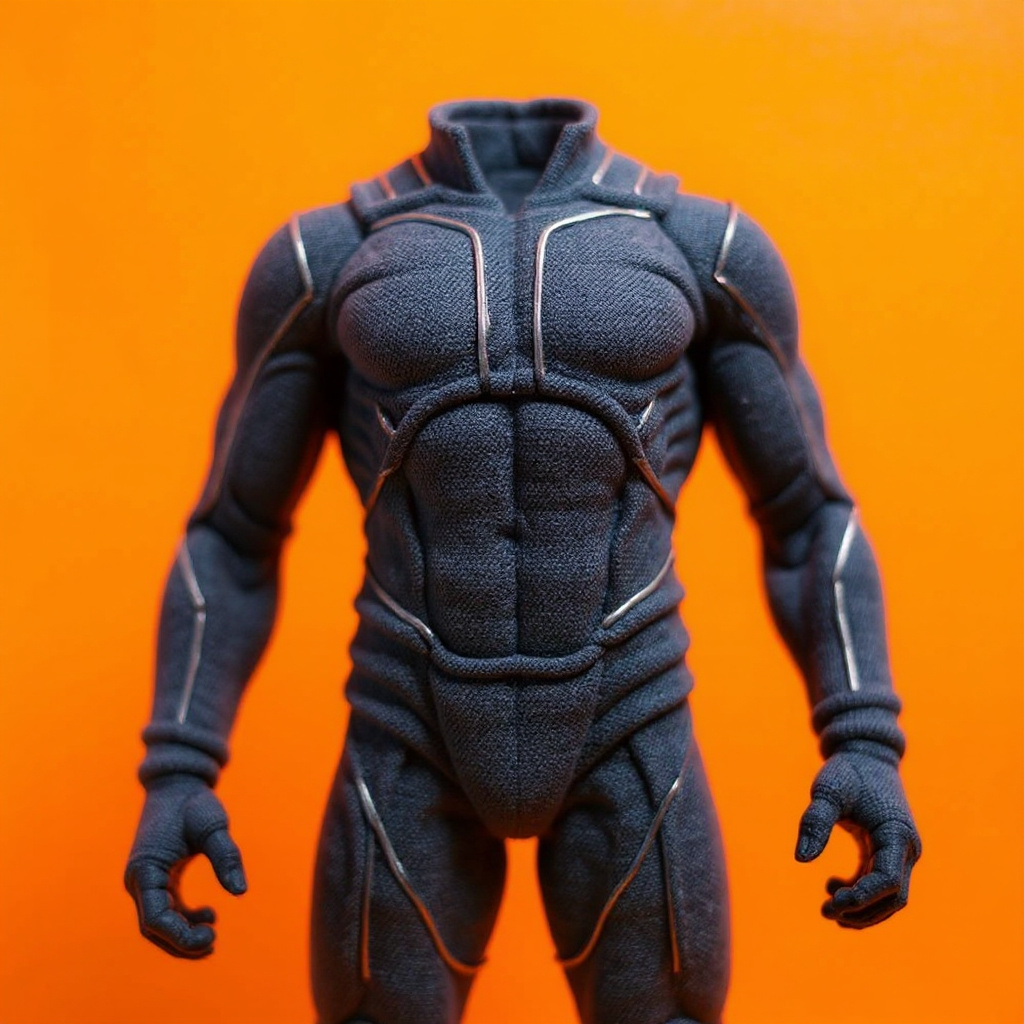
Reassemble in reverse order. Chest plate first, then arms and legs.
The new suit should remove the loose-fabric problem entirely. Joints click into position without fighting bunched material.
Pose the figure through its full range of motion. A properly fitted body suit lets you hit positions that a degraded factory suit simply couldn't manage.
Some handmade suits run a size larger or smaller than factory spec. You might need to nudge armor placement by 1-2mm. Normal. Not a defect.
Check for exposed wire ends or loose stitching while the figure is fully assembled. Quality control on handmade goods varies piece to piece, but obvious issues should show up during this test pass.
Common Fit Issues and Quick Fixes
Tight shoulders usually mean the fabric lacks give around the armpit. Stretch it gradually over several sessions rather than forcing it in one go — a suit stretched too fast tears at the seam within weeks.
Loose torso sections leave gaps where armor won't sit flush. Often this means the suit is one size too large. Pulling the limbs further into their sleeves fixes minor cases.
Wire poking through fabric points to either a manufacturing defect or too much force during install. Check the wire path and confirm it follows the intended route through the suit.
Color mismatch happens with handmade goods more than people expect. Dark colors — black, charcoal, dark navy — hide seam lines and shadow gaps under armor better than lighter or skin-tone options.
FAQ
Can you buy replacement body suits directly from Bandai? Bandai rarely sells soft goods on their own. They show up occasionally in accessory sets through Tamashii Nations, but expect to pay $25-40 through official channels when they do appear. What's the difference between a generic body suit and a wire-reinforced one? Generic suits are fabric shells with nothing inside. Wire-reinforced versions have a bendable armature — usually 20-24 gauge wire — sewn through the limbs and torso for better pose-holding. How do I know what size body suit fits my Saint Cloth Myth figure? Most Bronze Saints share a 15-17cm body height. Measure head to toe on your figure and match that against the listed suit dimensions before ordering. Will a new body suit actually fix a figure that won't hold a pose? If the looseness comes from degraded fabric, yes. If the plastic joints themselves are worn out, a new suit helps a little but won't solve the core problem. Are handmade body suits durable enough for regular re-posing? Quality varies by maker. Look for double-stitched seams and wire gauge listed in the product description. A well-made suit in a dry climate can run 5+ years; humid conditions cut that down. What tools do I need to swap a Myth Cloth body suit myself? A small screwdriver, needle-nose pliers, decent light, and patience. No specialty figure tools required. Do all Bronze Saint armor sets use the same body suit size? Most do. Pegasus and Dragon Saints share standard sizing, though certain special or limited releases run slightly different — check listing photos against your specific figure before buying. Can I dye or repaint a body suit to match a specific Saint's colors? Fabric dye works on natural fibers but slides off most synthetic blends. Fabric paint can work, though it stiffens the weave and reduces stretch at the joints. How long does the whole body suit replacement actually take? About 15 minutes once you've done it twice. First attempt usually runs closer to 30-40 minutes while you learn the armor release points.When Replacement Makes Sense vs. Living With It
Not every degraded body suit needs immediate replacement. If your figure still poses fine and tears aren't visible under the armor, wait.
But if you're shooting photos, or want dynamic poses, fresh fabric makes an obvious difference. The improvement in joint range shows up the moment you test it.
Factor in the figure's value. Spending $17.50 on a body suit for a $60 figure is easy math. For a $200+ limited release, it's closer to required maintenance than an upgrade.
Browse the saint cloth myth body suit color options if you want a different look from the factory original. Collectors managing several figures with worn undersuits will find a batch approach faster than fixing them one at a time — you'll want to check general Saint Cloth Myth restoration guides for armor-specific quirks before starting a multi-figure project. For sizing questions across different release years, the MyFigureCollection Saint Cloth Myth database has measurement threads contributed by other collectors that are worth cross-referencing.
For those ready to start, browse the 1/12 Scale Body Suit for Saint Cloth Myth Bronze Saints with pre-installed wire reinforcement built for the fit issues covered above.

