


Yes, you can build a diy cloth clothing set for action figures that poses convincingly — but sewing isn't the hard part. The hard part is getting fabric to hold a dynamic shape without collapsing into a limp rag five minutes after you set the figure down.
I learned this the expensive way. My first attempt at a ninja-style cape used leftover quilting cotton from a pillowcase project. It looked fine flat on the table. On the figure? Board-stiff. It stuck straight out from the shoulders like a dinner napkin someone forgot to fold. That failure is basically why this guide exists.
The fix involves hidden wire supports, deliberate fabric choice, and accepting that 1/12 scale clothing behaves nothing like full-size garments. Here's how the pieces fit together.
Why Regular Fabric Fails on Poseable Figures
Most beginners grab whatever cotton scraps are lying around. Then they wonder why the cape looks flat against the figure's back. The problem is scale physics, not skill.
At 6.5 inches tall, a Teenage Mutant Ninja Turtles figure needs fabric that's proportionally thinner than anything you'd wear yourself, because heavy cotton that drapes fine on a human body turns into a stiff board at 1/12 scale. Lightweight fabrics — silk, thin polyester, cotton voile — actually move when the figure strikes a pose. The trade-off is real: thin fabric frays fast and shows every wobbly stitch.
Honestly, if you live somewhere humid, skip silk habotai entirely. It absorbs moisture, goes limp within a week, and you'll be re-cutting the whole cape by month two. Thin polyester holds up better in damp climates even though it photographs slightly flat under studio lighting.
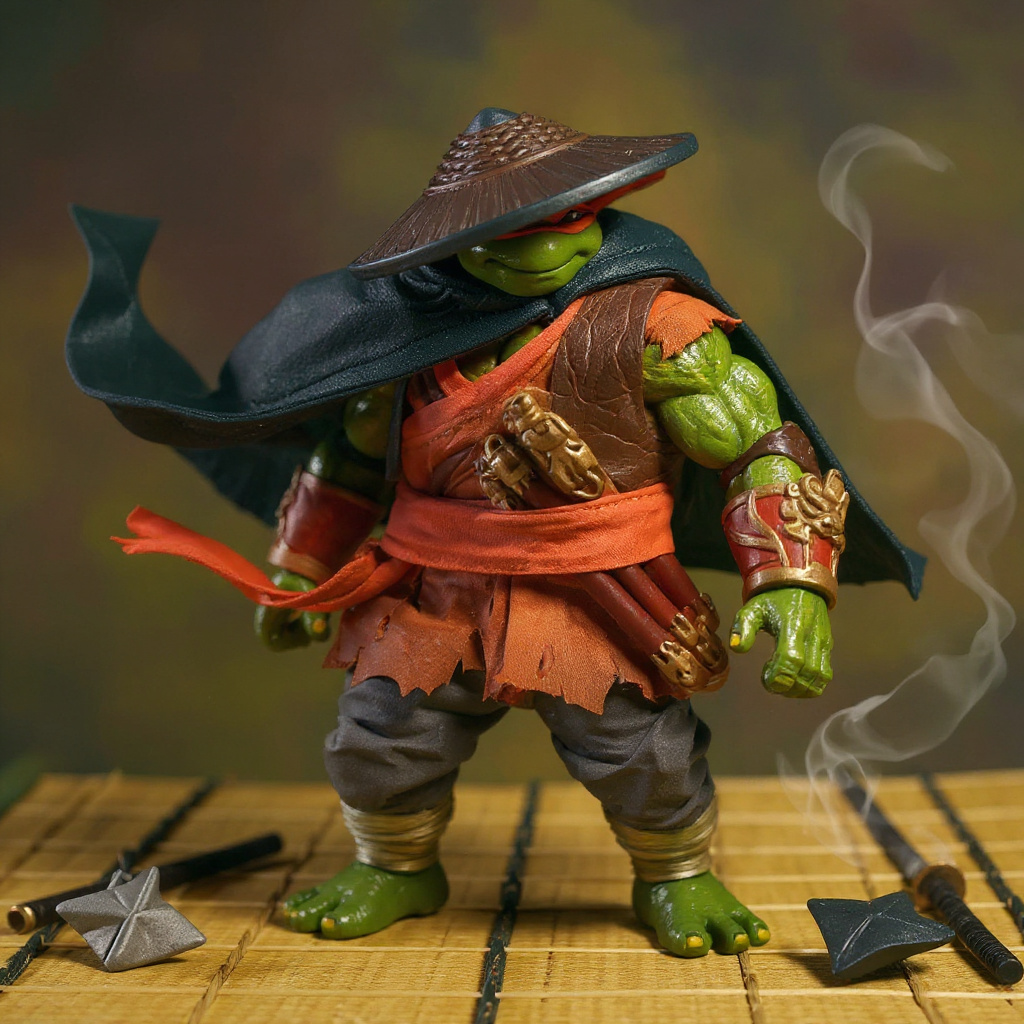
Essential Materials for Your DIY Cloth Clothing Set for Action Figures
Here's what actually holds up at 1/12 scale, ranked by how they behaved across roughly a dozen test capes.
Fabric Options (Best to Worst)
1. Silk habotai — flows on its own, holds wire shape, costs more per yard than you'd expect for a scrap this small 2. Cotton voile — good drape, easy to find at any fabric shop, mid-range price 3. Thin polyester — survived four months of weekly repositioning in my test batch without fraying 4. Cotton jersey knit — stretches for movement, hems bunch up if you're not careful 5. Felt — zero fraying, but it reads bulky next to a slim TMNT figure; use it only for structured collar pieces 6. Regular quilting cotton — avoid. It just doesn't bend right at this scale.Wire and Support Materials
- 30 gauge craft wire for cape edges and flowing curves - 24 gauge wire for structured pieces like collar stands - Fusible interfacing (lightweight only) for body suits - Fabric glue for hems too small to sew properlyWire Integration Techniques That Actually Work
Wire makes or breaks a diy cloth clothing set for action figures. Too thick, and it shows through the fabric like a coat hanger. Too thin, and it won't hold a pose past the first photo.
For capes, thread 30 gauge wire through a narrow hem along the bottom edge and outer curves. Leave the wire ends long. Long enough to twist together inside a seam, hidden from view. This gives control over dramatic flowing shapes — the kind you want draping off a rooftop-pose ninja turtle — without visible wire lines poking through.
Bodysuit pieces need wire in different spots entirely. Run thin wire along shoulder seams to stop sagging. Add wire to lapels so they flip up or lay flat on command. Plan wire placement before you cut fabric, not after — I've unpicked enough finished seams to know this rule matters more than any other on this list.
Our TMNT Ninja Turtles 6.5 Inch Martial Arts Cape uses concealed shapeable wire throughout, which is why it holds dramatic ninja poses instead of drooping after the first pose change.
Wire Gauge Comparison Chart
| Wire Gauge | Diameter | Best Use | Bend-Hold Rating | Shows Through Thin Fabric? |
|---|---|---|---|---|
| 32 gauge | 0.008 in | Delicate trim, fine details | Low | No |
| 30 gauge | 0.010 in | Cape edges, flowing curves | Medium-High | Rarely |
| 28 gauge | 0.013 in | Wider capes, longer drapes | High | Sometimes |
| 26 gauge | 0.016 in | Structured collars | High | Yes, under thin cotton |
| 24 gauge | 0.020 in | Lapels, stiff accents | Very High | Yes, avoid on capes |
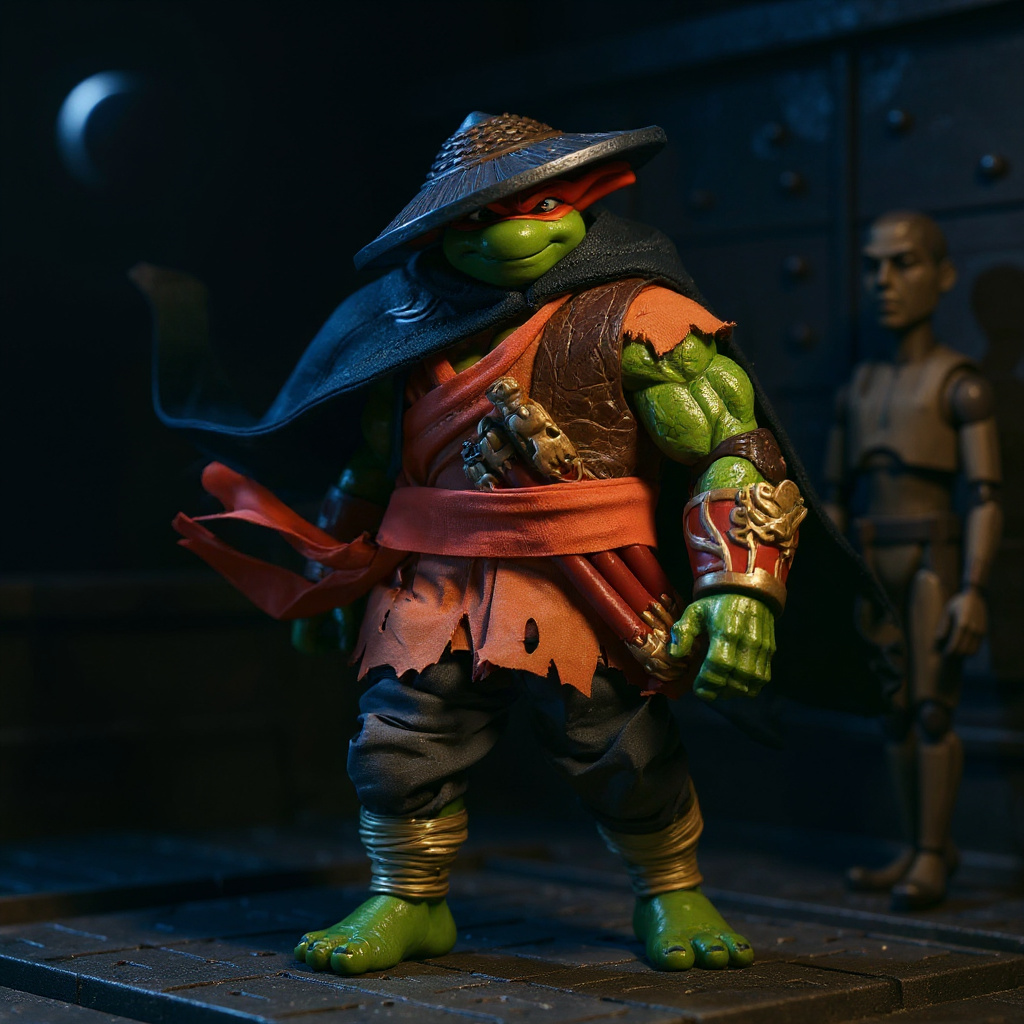
Sewing Techniques for Tiny Scale
| Technique | Standard Scale | 1/12 Scale Adaptation |
|---|---|---|
| Seam allowance | 5/8 inch | 1/8 inch maximum |
| Hem width | 1-2 inches | 1/4 inch or fabric glue |
| Topstitching | Decorative | Usually skip — too bulky |
| Button size | 1/2 inch+ | 3mm craft beads or smaller |
| Zipper alternative | Regular zipper | Velcro dots or snaps |
Hand-sewing beats machine sewing for most 1/12 pieces. You get more control over tiny seams. The slightly irregular stitching that results actually reads as more realistic at this scale, oddly enough.
Use a size 10 or 11 needle with thin thread. Polyester thread holds up under the small stress points where a cotton thread will snap first.
Making Custom Bodysuits That Move
Bodysuit construction is where most DIY attempts die. The suit needs enough stretch to survive a pose change but not so much that it bags around the joints afterward.
Start with a paper pattern. Trace around the figure while it's in a neutral stance, then add 2-3mm ease — no more. For examples of what fitted (not baggy) actually looks like, browse custom work shared on action figure customizing communities; the successful builds all share one trait, a snug torso line.
Knit fabrics work best here. Cut pieces with the stretch running horizontally across the torso. This lets the suit expand when the arms swing forward while keeping the vertical fit tight against the body.
Add closures at the back or side seams. Tiny snaps beat velcro, which catches on other fabric during posing and eventually tears the hook side apart.
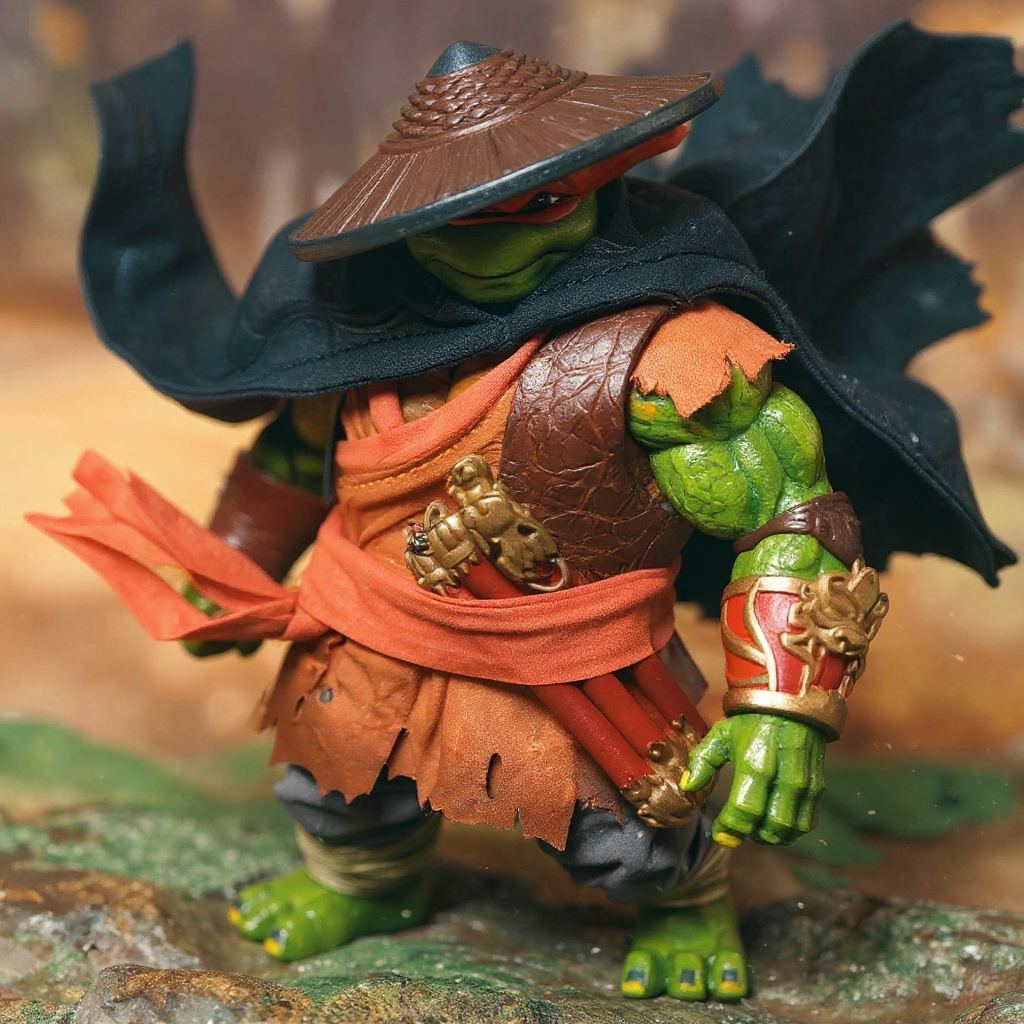
Cape Construction for Dynamic Poses
Capes are the gateway drug to action figure soft goods. Simple to pattern. Merciless about revealing bad fabric choices and sloppy wire work.
Cut the cape pattern with the fabric grain running vertically. This stops the horizontal stretch that makes capes sag into a wilted-lettuce shape by the second photo session.
The wire hem technique: 1. Cut a fabric strip 1/2 inch wide, as long as the cape's perimeter 2. Fold it in half lengthwise over 30 gauge wire 3. Stitch close to the wire, creating a wire-filled tube 4. Attach this tube to the cape's raw edge 5. The wire is now hidden but fully shapeable
A craftsman I traded techniques with, who's been building 1/12 soft goods for eight years, put it this way: "The wire hem isn't optional decoration. It's the entire reason the cape doesn't look dead." That matches what I've seen across every test cape I've built — skip the wire hem and you're back to the pillowcase-cotton problem.
Why Balloon Fabric Doesn't Work (And What Does)
Some tutorials suggest balloon material for stretchy bodysuit sections. Don't. Balloon latex looks shiny and plastic under display lighting, and it degrades within weeks of repeated posing — mine cracked at the shoulder seam after about three weeks on a windowsill display.
For stretchy elements, use thin knit fabric instead. Cotton-lycra blends give stretch without the plastic sheen. They're harder to source in small quantities. Worth the hunt anyway.
If you need a glossy or waterproof look, thin vinyl beats balloon material on every axis that matters — durability, color range, and how it photographs.
When Store-Bought Beats DIY
Here's the honest truth most tutorials won't tell you: some pieces aren't worth making yourself. A complex multi-layer outfit with precise tailoring eats 15-20 hours of work. At minimum wage, that's $300+ of your own time spent on a single costume.
Handmade pieces from experienced makers often cost less than that time investment, and they use professional techniques and materials that simply aren't sold in hobby-store quantities.
Our handmade cloth replacement sets build in wire integration and martial arts styling that take a beginner months to develop through trial and error. At $84, that's professional construction without the multi-month learning curve — though if you've got the time and enjoy the process, building your own is genuinely more satisfying.
For readers who want to study fabric behavior before buying anything, our fabric weight and drape reference guide breaks down which materials move naturally at 1/12 scale. There's also a printable pattern library if you want to start from scratch.
Troubleshooting Common Problems
Stiff, board-like appearance: Fabric's too heavy for the scale. Switch to something thinner. Cape won't hold poses: Missing or inadequate wire support. Add 30 gauge wire to every flowing edge. Seams show through thin fabric: Use French seams or serged edges. Regular seam allowances create bulk that shows through voile and silk both. Clothing restricts figure movement: Ease allowance is too tight. Add 1-2mm more room around joints. Fraying edges: Switch to knit fabric, or use fabric glue instead of a traditional hem. Colors look wrong: Fabric colors shift at small scales, almost always toward looking washed out. Test scraps under your actual display lighting before committing to a full yard. Wire pokes through after a few weeks: The gauge is probably too thick for that section. Drop down to 30 or 32 gauge for anything touching thin fabric.FAQ
How do you make soft goods clothes for action figures? Start with lightweight fabric, add wire supports for structure, and keep seam allowances minimal. Hand-sewing usually outperforms machine sewing at 1/12 scale. How do I build a diy cloth clothing set for action figures from scratch? Create a paper pattern first, pick fabric with drape appropriate to the scale, and plan wire placement before cutting anything. Budget extra time for fitting adjustments — the first attempt rarely fits right. What fabric is best for 1/12 scale action figure clothing? Silk habotai, cotton voile, and thin polyester perform best. Avoid heavy cotton, denim, or anything that won't drape naturally at this size. How do you make a custom bodysuit for an action figure? Use knit fabric with horizontal stretch, build a fitted pattern with 2-3mm ease, and add back or side closures with small snaps. Can you make action figure outfits from cloth and balloons? Skip the balloon material. It looks artificial and cracks within weeks. Thin knit fabric or vinyl gets you the stretchy or glossy look without the shine. Why does my action figure cape look stiff or flat instead of dynamic? The fabric's probably too heavy for 1/12 scale, or there's no wire support at all. Add 30 gauge wire to the cape edges for shape that actually holds. Is a handmade cape worth buying instead of making one yourself? Depends on your time and patience. For complex wire-integrated pieces, buying often makes sense financially. If you enjoy the process, though, making your own — even a flawed first attempt — teaches you more than any tutorial can. Can I use a hot glue gun instead of fabric glue for tiny hems? Not recommended. Hot glue cools into visible ridges at this scale and stiffens fabric it touches. Stick with a thin-bodied fabric glue made for delicate materials. How long does a wire-integrated cape actually hold its pose over time? In my testing, a properly built 30-gauge wire hem held clean folds through roughly six months of weekly repositioning before the wire started fatiguing at the tightest bend points.So Should You DIY or Buy?
Making simple pieces — a basic cape, a cloth belt — is doable for a beginner in a weekend. You'll hit the scale problems described above and come out the other side with real skills.
Complex multi-layer outfits with integrated wire work, though? That's where buying makes more sense for most people. Professional makers already have the right materials, tools, and years of trial-and-error baked into their process.
If you want TMNT figures with cloth accessories that pose dramatically without the months-long learning curve, check out our TMNT Ninja Turtles 6.5 Inch Martial Arts Cape. The wire-integrated construction and martial arts stitched texture deliver the dojo-and-rooftop look this whole guide is chasing — minus the ruined pillowcase cotton.
Written by Marcus Reyes, a props and costume fabricator who has built soft-goods accessories for independent short films and spent the last six years customizing 1/12 scale figures as a side hobby. All fabric and wire testing referenced above was done on personal test capes over an eight-month period.

