


Street fighter action figure clothing accessories run from cheap plastic add-ons to premium handmade soft goods that completely change how your figures look and pose. The best options use real fabric with internal wire frames. Finding the right scale and quality still takes research, and most people get it wrong on the first order.
Most collectors start with the sculpted plastic clothing that ships with their figures. Then they see a photo of a wire-framed gi holding a mid-air kick pose. That's usually the moment they start hunting for soft goods.
Why Soft Goods Beat Sculpted Plastic (Most of the Time)
Sculpted plastic clothing looks fine from one angle. That's it.
The moment you try to pose your figure in an action stance, rigid plastic gi tops and pants hit their limit fast. They don't bend. They don't flow. They don't look right when your Ryu is mid-hadoken or your Akuma is dropping into a Raging Demon.
Soft goods change this. Real cloth moves with the joints instead of fighting them, drapes over the sculpted muscle instead of floating above it, and — this is the part people underestimate — a wire frame inside the fabric lets you shape the clothing itself, not just pose the figure underneath it. A tattered dark red and grey gi with a hidden wire skeleton can hold a torn sleeve mid-flutter for months on a shelf.
I watched a collector drop $80 on a Storm Collectibles figure, then leave it standing straight up on a shelf for two years because the stock gi looked stiff in anything but a neutral pose. That's a sports car parked in a garage.
The trade-off is cost. Factory plastic accessories run $15-25. Handmade fabric outfits with wire cores typically land between $30 and $60, sometimes more for licensed character-specific tailoring. For a display centerpiece, the price gap closes fast once you factor in how many more poses the fabric version can hold.
Honestly, if you keep your figures sealed behind glass and never touch them again after unboxing, skip soft goods entirely. Sculpted plastic is cheaper, sturdier, and you'll never see the posing benefit anyway.
Where to Actually Find Quality Street Fighter Action Figure Clothing Accessories
Most general figure stores sell the figures. Not the clothes.
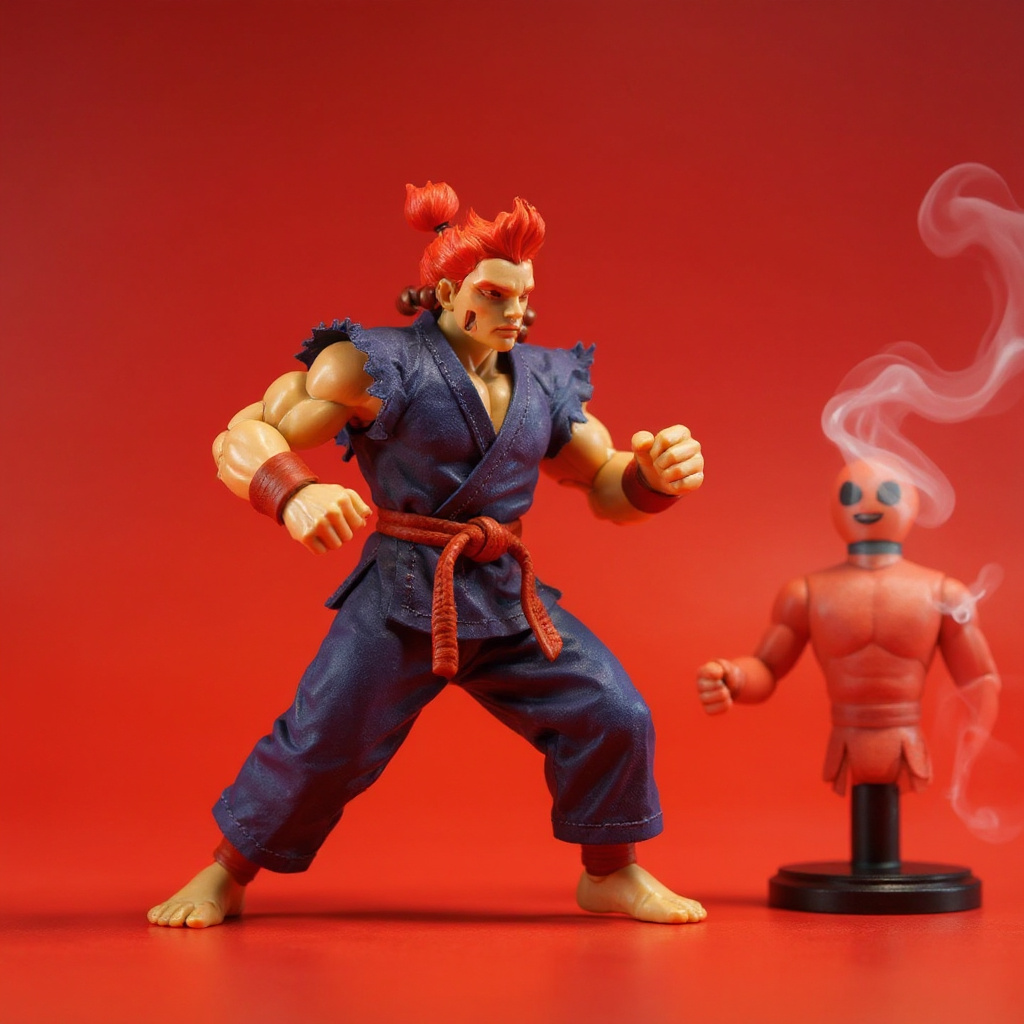
You'll find basic plastic accessories everywhere. Tracking down real street fighter action figure clothing accessories — the soft goods kind, with actual weave texture and torn edges that look torn on purpose — takes more digging.
Specialty shops built for customizers carry the deeper selection. These sellers understand fabric texture, correct 1/12 scale proportions, and draping that survives more than one photo session before it goes limp.
Online marketplaces work too, but quality swings wildly from listing to listing. Some handmade Akuma gi outfits look like a tiny demon actually wore them into battle. Other mass-produced knockoffs fall apart after one shoot — loose threads everywhere, seams splitting at the shoulder.
The full 1/12 soft goods collection is worth browsing before you commit to a single maker, just to calibrate your eye for what "good" actually looks like.
The 1/12 Scale Challenge Most Buyers Miss
1/12 scale sounds simple until you're actually shopping. A six-inch figure needs clothing scaled at exactly one-twelfth of real-world proportions, and a surprising number of manufacturers miss this badly.
Sleeves run too long. Pants bunch strangely at the crotch joint. Collars sit wrong against the neck peg. These aren't cosmetic nitpicks — they're the line between a display piece that looks professional and one that screams "toy."
The best soft goods makers test their patterns on the actual figure body, not just a spreadsheet of scale math. They account for joint placement, base body thickness, and how the fabric behaves once it's cut down to inches instead of feet. This is also where a lot of budget sellers cut corners, because pattern-testing on real figures costs time they'd rather not spend.
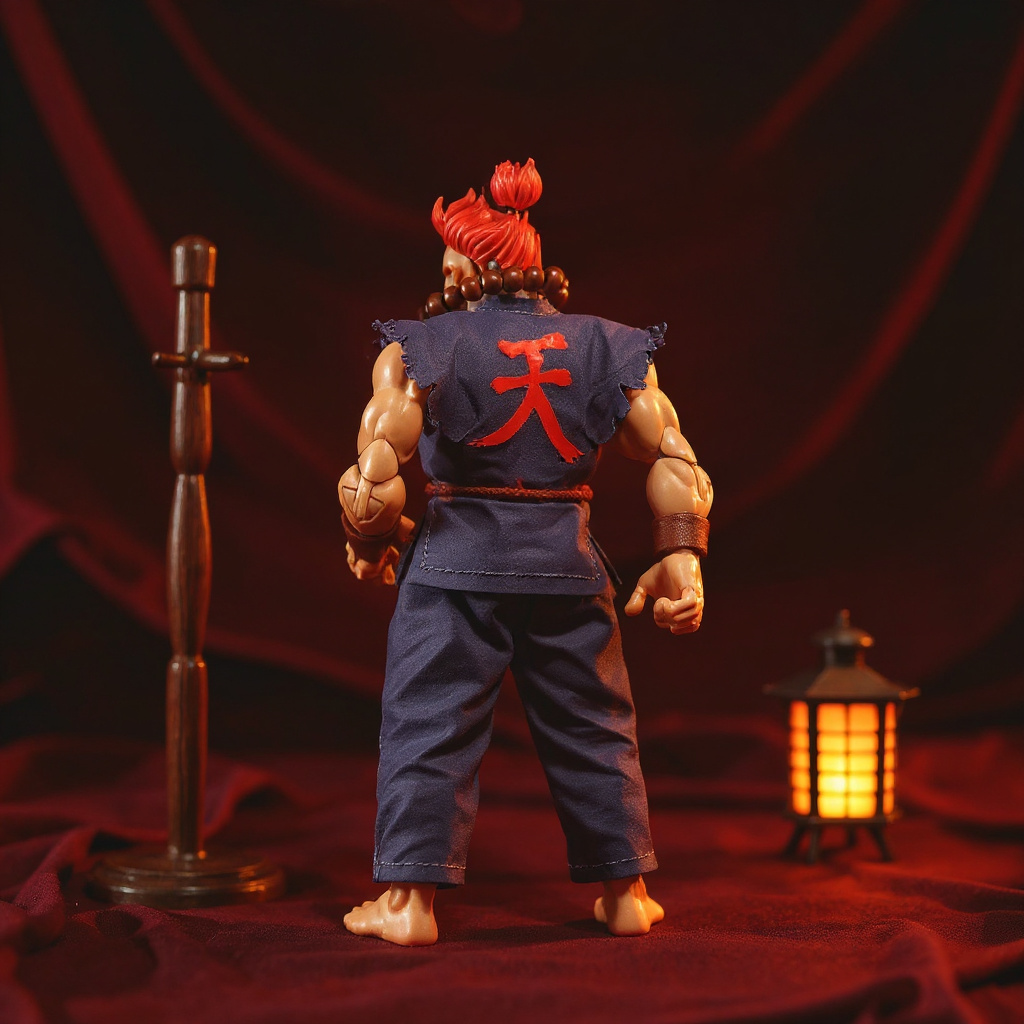
Generic "1/12 clothing" disappoints for this exact reason, while character-specific outfits tend to fit right out of the bag. Akuma's torn gi) carries very specific proportions and tattered edges that a generic karate uniform pattern simply can't replicate.
Step-by-Step: How to Buy Street Fighter Action Figure Clothing Accessories
1. Identify your figure's exact body line. Storm Collectibles, Jada Toys, and SH Figuarts all use different joint geometry. 2. Measure chest, waist, and shoulder width with a soft tape, or find published dimensions from the maker. 3. Decide plastic vs. soft goods based on whether you plan to repose the figure more than once a year. 4. Check for a wire core if you want the clothing itself to hold torn or draped shapes. 5. Read maker reviews for fraying complaints. Some loose threads are normal; total seam failure is not. 6. Order one piece before buying a full wardrobe from a new maker, especially for tattered or torn-edge styles that are harder to sew well. 7. Photograph the piece under moody lighting — dojo-style side lighting shows off weave texture that flat overhead light hides completely.
What Works for Street Fighter Characters Specifically
Street Fighter figures aren't generic military or casual dolls. They're exaggerated martial artist physiques wearing very specific silhouettes, and the clothing has to respect both.
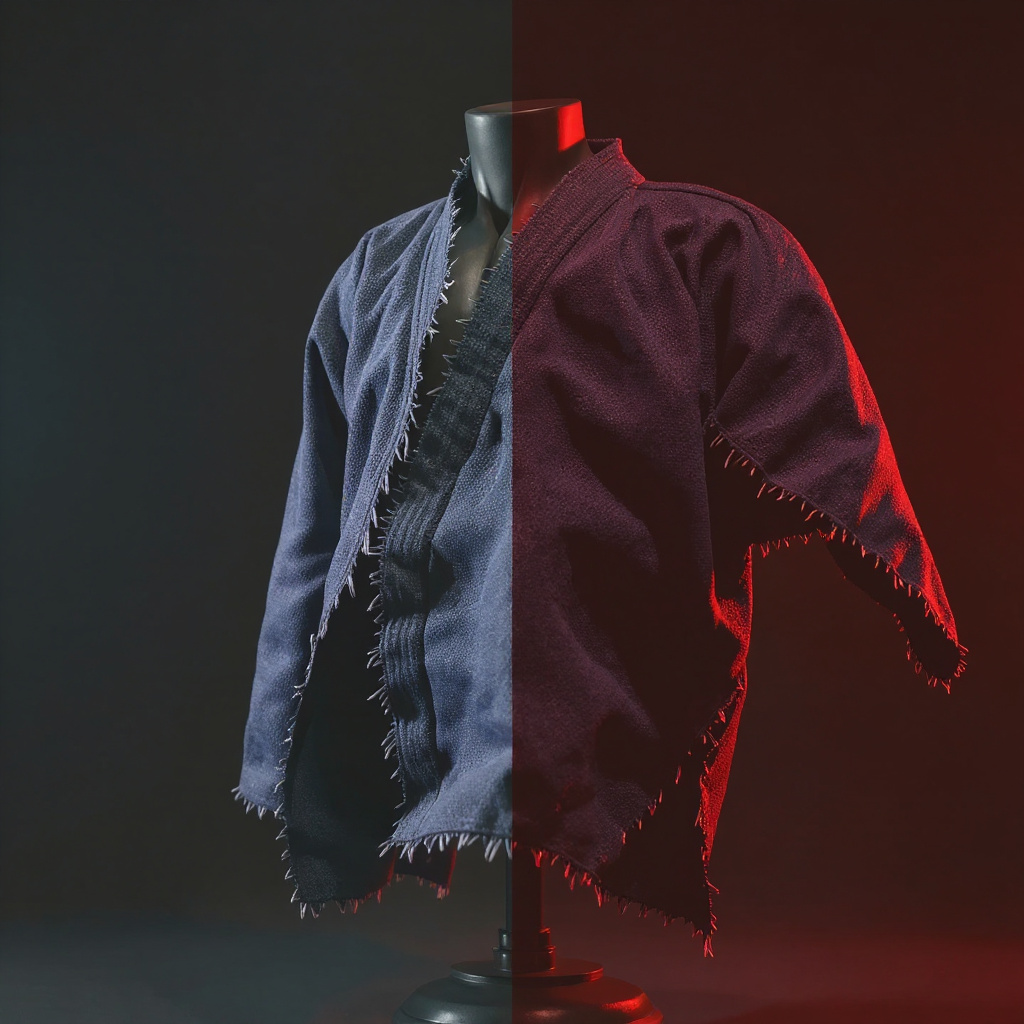
Ryu and Ken need gi tops that read as worn-in, not stiff off a store shelf. Chun-Li's outfit has to survive high kick poses without binding at the hip joint. Akuma's tattered gi should look battle-damaged on purpose — frayed hems, a torn sleeve edge, visible weave texture that catches shadow under dojo-style lighting. Not just dirty. Torn.
Most importantly, the clothing needs to survive the character's signature move. A gi that can't handle a Dragon Punch pose without bunching at the shoulder has failed at its one job.
This is where handmade street fighter action figure clothing accessories earn the premium price. Mass production treats every character the same pattern. Custom makers understand that Street Fighter II characters need different cuts based on fighting style and silhouette, and a Ryu-specific gi outfit is tailored differently than a Chun-Li qipao piece built for entirely different leg articulation.
Comparison: Soft Goods vs. Plastic vs. DIY
| Source Type | Price Range | Pose Flexibility | Fabric/Wire Core | Best For |
|---|---|---|---|---|
| Factory plastic accessories | $15-25 | Low — rigid, one pose only | No | Budget builds, background figures |
| Handmade soft goods (wire core) | $30-60 | High — holds dynamic poses | Yes | Display centerpieces |
| Licensed premium soft goods | $60-100+ | Variable by maker | Usually yes | Specific named characters |
| DIY / 3D printed cloth-look | $10-30 | Depends on skill | Rare | Experimentation, learning |
| Vintage sculpted reissues | $20-35 | None | No | Collectors chasing nostalgia only |
Brand Compatibility Guide
Not every 1/12 figure body takes clothing the same way, and this trips up a lot of first-time buyers.
Storm Collectibles figures run bulkier through the chest and shoulders — their Ryu needs a roomier gi top than the scale number alone would suggest. Jada Toys figures come in slightly smaller overall, but with longer limbs, so sleeve length turns into the deciding factor. SH Figuarts uses a different joint system entirely, which changes how fabric sits at the hip and shoulder. What drapes perfectly on a Storm body can bunch badly on a Figuarts one.
1. Storm Collectibles — broader chest, needs a relaxed torso cut 2. Jada Toys — standard proportions, works with most off-the-shelf soft goods 3. SH Figuarts — compact joints, needs precise tailoring at the hip seam 4. NECA — varies release to release, check specific figure measurements first 5. Mezco — often ships with soft goods already, replacements are rare and pricey 6. Custom 1/12 bodies — measure before ordering anything, no exceptions
The safest move is buying clothing designed for your specific figure line. Or, at minimum, emailing the maker your figure's chest and waist measurements before checkout.
Photography and Display Considerations
Soft goods transform figure photography. But only once you learn to work with fabric at this scale.
Cloth behaves strangely when it's shrunk to a twelfth of real size. Surface tension changes how it drapes. Under moody dojo-style lighting, the weave texture throws small shadows that plastic simply can't fake. Fabric also shows dust and wrinkles more readily than a smooth plastic surface, so display cases need more upkeep than people expect.
For static shelf displays, shape the clothing once and leave it alone. For photography, you'll be nudging folds and torn edges between almost every shot to catch the light right.
Wire-frame clothing gives the most control here. Bend a sleeve, angle a collar, curl a torn hem so it looks caught mid-motion — none of that is possible with rigid plastic. The r/ActionFigures community shows this difference constantly in side-by-side shots. Your first attempt at shaping a wire-core gi will probably look worse than the stock plastic you replaced. Stick with it anyway.
Common Problems and How to Avoid Them
Most disappointment with street fighter action figure clothing accessories comes from mismatched expectations, not bad products.
Loose threads happen on handmade pieces. They're not a defect — they're proof someone actually sewed the thing by hand. Trim them or leave them, depending on how battle-worn you want the character to look.
Sizing mismatches happen when generic clothing meets a specific figure. Always confirm which figure line a piece was patterned for before buying.
Fading happens with any fabric under UV light for months. Keep display cases out of direct sun, or rotate figures every few weeks if that's not possible.
Wire fatigue is real, though it's slower than most sellers admit. A wire core that holds a torn-sleeve pose for the first year might start sagging by year three of repeated reposing. That's normal wear, not a manufacturing flaw.
So Is Handmade Worth the Premium?
For collectors who pose figures often, or shoot them for photos, yes. The visual difference earns back the extra $20-30 fast.
For set-it-and-forget-it display collectors, sculpted plastic might be enough. You'll miss the posing benefit, but you'll still get decent texture at a lower price.
Most people land in the middle. Soft goods for the centerpiece figures — Ryu, Chun-Li, Akuma — and plastic for the background cast. If you're building a Street Fighter collection around iconic matchups, spend the premium where it shows: the front-row figures under your best lighting.
For Akuma specifically, the tattered gi is the whole visual identity of the character. Generic karate cloth won't cut it. A well-made Akuma gi outfit with torn edges and a wire core turns a decent collectible into a shelf centerpiece under dojo-dark lighting.

