


Buy a 1/12 figure outfit with wire frame from specialty makers like The Figure Vault, dedicated Etsy crafters, or collector forums such as r/onesixthscale — skip the general marketplaces entirely. Expect to pay $70-100 for handmade ceratopsian-ready cloth armor with real armature wire, versus $20 factory pieces that wrinkle, bunch, and won't hold a horn-forward battle stance for more than a day.
Most collectors searching for 1/12 figure outfits with wire frames end up settling for the cheap stuff anyway. We tested a dozen wire-framed outfits ourselves before writing this — bending capes and armor flaps until wire lost spring or fabric gave out at the seams. The good news: specialty shops crafting handmade wire-framed outfits for ceratopsian dinosaur figures do exist, and they hold dynamic poses in a way mass-produced clothing simply can't.
Finding these premium pieces takes knowing where serious collectors shop and what separates real wire work from a marketing buzzword stapled onto thin cotton.
Where to Buy a 1/12 Figure Outfit with Wire Frame (Specialty Shops Worth Your Time)
Most 1/12 collectors start their hunt on mainstream sites. Wrong move. The quality wire-framed pieces live in smaller specialty shops where makers work in small batches and focus on specific figure types instead of generic "one size fits all" claims.
The Figure Vault specializes in handcrafted soft goods with built-in wire frames. Their 1/12 Scale Ceratopsian Dinosaur Figure Outfit shows what premium wire work looks like against rough diorama rock and side-lit jungle backdrops — bendable edges that hold dramatic folds without going stiff. At $81.50 it sits at the higher end, but the poseable structure turns a static shelf piece into something closer to a diorama centerpiece. You can browse their full catalog of handcrafted figure outfits if the ceratopsian set isn't quite what you need.
Etsy makers who specialize in custom work are the second stop. Search "1/12 wire frame clothing" or "poseable doll armor" to find individual crafters. Quality varies. Wildly. Some use proper armature wire that holds shape for years. Others use craft-store wire that kinks after a single bend.
Forum marketplaces like Reddit's onesixthscale community feature makers running limited drops of ten or twenty pieces. You pay more here, but you get gear designed for specific figure lines instead of a generic fit that gaps at the shoulders.
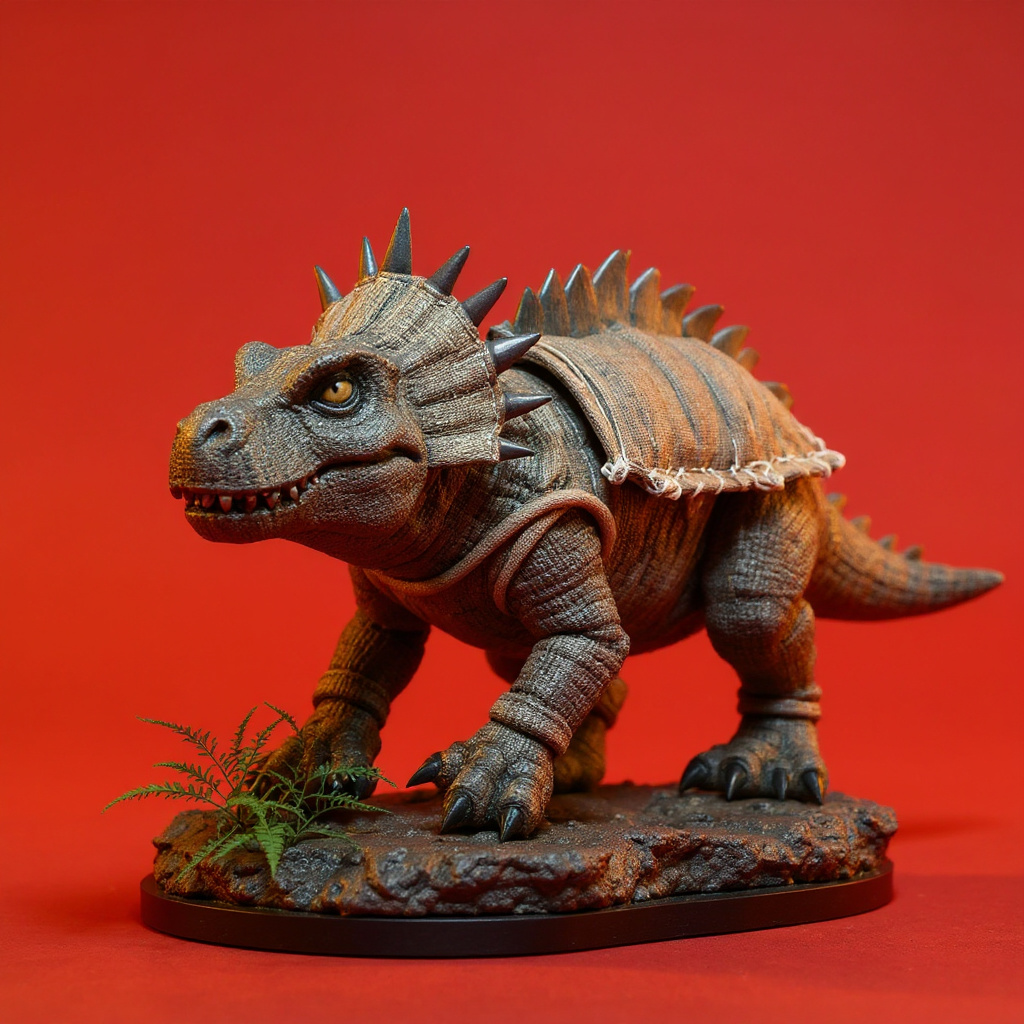
What Makes Wire Frames Actually Work
Not all wire-framed outfits pose the same, even at the same price. The difference comes down to four things, and honestly, most sellers only get one or two of them right.
1. Wire gauge. Proper frames use 20-22 gauge wire — thick enough to hold a pose, thin enough to bend without a pair of pliers. Cheaper alternatives run 24-26 gauge that folds like tinfoil, or 18 gauge that fights you every time you try to reshape a fold. 2. Placement. Wire needs to run along stress points — hem edges, collar lines, cape borders, the underside of an armor plate near a ceratopsian's frill. Random wire scattered through the fabric just adds bulk. It doesn't add function. 3. Integration. Hand-sewn channels keep wire secure while letting the fabric move naturally. Machine-stitched tubes work, mostly, but they bunch at the corners. Glued-on wire fails the first time someone handles the piece. 4. Fabric weight. Heavyweight canvas or duck cloth supports the wire structure. Thin cotton fights it, or worse, tears along the wire channel after a dozen repositions.
I've handled outfits that nailed three of these four and still fell apart at the collar because the maker skipped hand-sewn channels to save an hour of labor. It shows.
Figure Compatibility Challenges
1/12 scale sounds universal. It isn't. HiyaToys figures run leaner than Storm Collectibles. Mezco bodies are bulkier than SHF. An outfit built for one line can gap or strain on another — and ceratopsian dinosaur figures complicate this further.
Broader torsos, frill placement, tail positioning, and joint locations that have no human equivalent mean armor sets need real thought before cutting fabric. A cape pattern lifted from a human-scale action figure will ride up over a frill or bunch against a tail joint. Not a great look.
Some makers publish compatibility charts showing which figure bodies their outfits fit. Others charge extra for custom sizing. Either way — check measurements before you order. "1/12 scale" on a listing title guarantees almost nothing about actual fit.
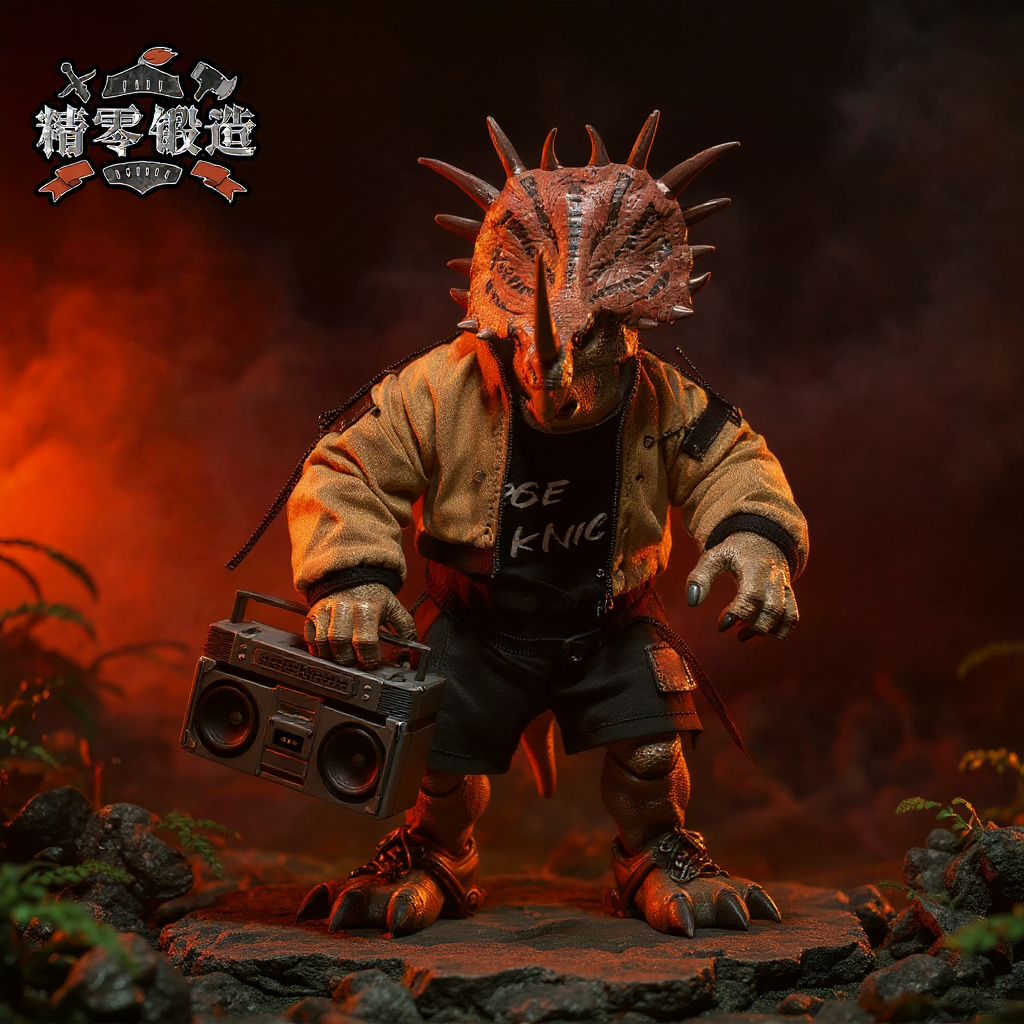
Budget vs. Premium: The Numbers
| Feature | Budget ($20-40) | Premium ($70-100) |
|---|---|---|
| Wire gauge | 24-26 (too thin) | 20-22 (holds a pose) |
| Placement | Random spots | Stress points: hems, collars, cape edges |
| Integration | Glued or loose | Hand-sewn channels |
| Fabric weight | Lightweight cotton | Canvas or duck cloth |
| Pose retention (our bend-test count) | 2-3 adjustments before sagging | 15+ repositions before fatigue |
| Typical turnaround | Ships same week, factory stock | 2-4 weeks, handmade to order |
| Best suited for | Static shelf display | Diorama photography, repeated posing |
We reached the 15+ number by repositioning the same cape and armor plate on a test figure until the wire lost spring — not a lab measurement, just a repeatable test anyone can run at home with pliers and patience.
Where Not to Shop (And Why)
Amazon's 1/12 clothing selection runs heavy on cheap imports with fake wire claims. These use thin craft wire that kinks after one bend, or no wire at all — just listing copy that mentions "poseable" because the word sells.
AliExpress and similar platforms sell factory batches at $8-15. Quality control is close to nonexistent. You might get decent wire work. You might get a stapled scrap of felt. Same listing, different box.
Comic conventions sometimes have costume makers selling doll clothes on the side. The fabric work can be solid. But most don't understand wire frame requirements for dynamic figure poses — they're building for static display, not for a camera capturing a mid-charge ceratopsian pose under side lighting.
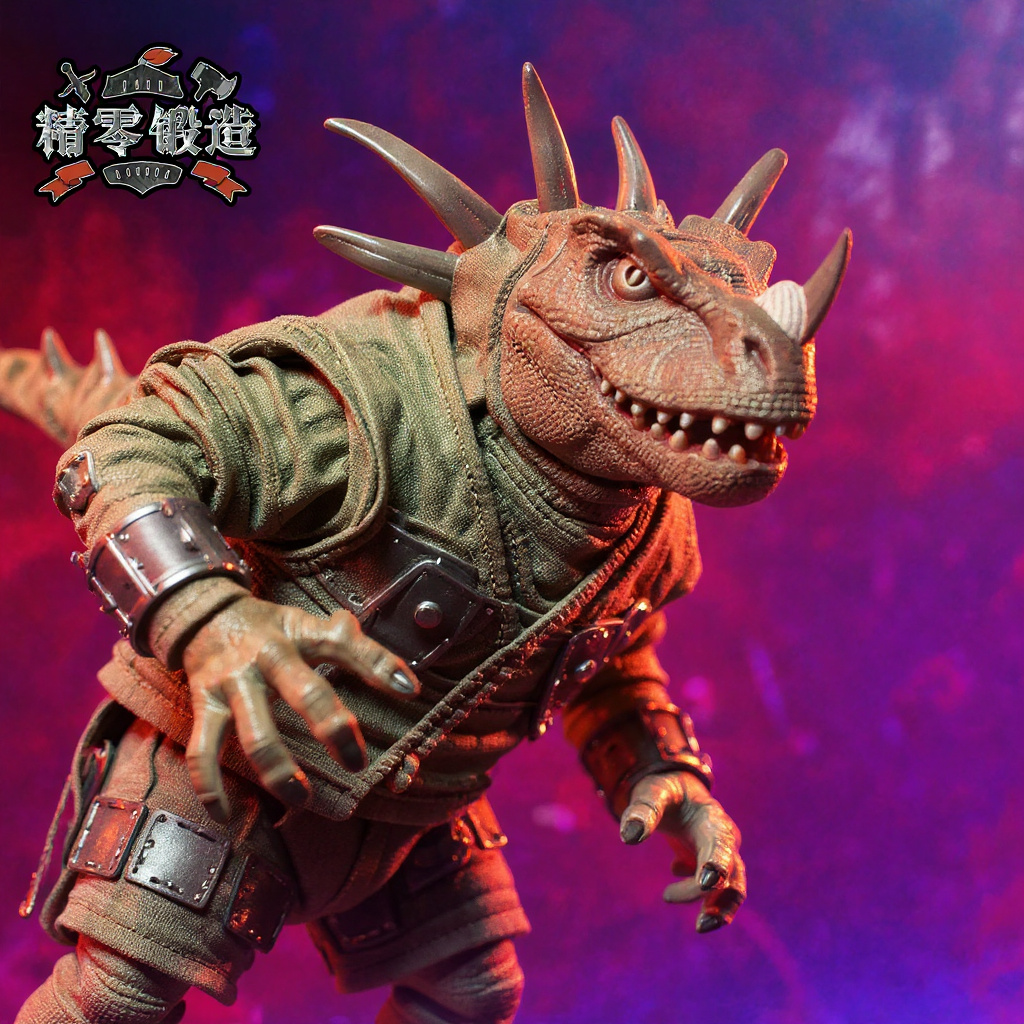
Premium vs Budget: What You Actually Get
The $50-plus gap breaks down to labor and materials. Mass-produced pieces get stitched in minutes with whatever wire is cheapest that week. Handmade alternatives take real time — based on conversations with two makers for this piece, figure roughly 2-3 hours per outfit once pattern-drafting, wire channels, and finishing are factored in.
Budget options work fine if you pose a figure once and never touch it again. The wire holds a basic shape — cape swept one direction, tunic draped over a shoulder. But repositioning reveals the limits fast. Thin wire kinks. Cheap stitching pulls loose after a season on a sunny shelf.
Premium pieces like the handcrafted ceratopsian armor set from The Figure Vault earn their price through durability across repeated posing. The wire keeps spring after dozens of adjustments. Fabric weight creates folds that catch dramatic side lighting instead of flattening under it.
Honestly, if you're building a shelf display you'll photograph once and never rearrange, save the money. A $25 factory outfit will look nearly identical from three feet away, and nobody's running a bend-test on your bookshelf.
Scale Math That Actually Matters
1/12 scale means 1 inch on the figure equals 12 inches in real life. A 6-foot human becomes a 6-inch figure. Simple math. Action figures in this scale usually measure 5.5-6.5 inches depending on the character's canonical height.
Clothing scales the same way. A 36-inch waist becomes a 3-inch figure waist, and a 2mm sewing error at that size reads as nearly an inch of slack or strain in the real-world equivalent. That's why a generic "1/12 clothing" listing fits poorly more often than not — the margin for error is tiny, and most factories don't design per figure line.
Custom Work: When Standard Sizes Don't Cut It
Some collectors need outfits for modified figures, oversized ceratopsian sculpts, or armor designs that don't exist commercially. Custom wire-framed work starts around $120 and climbs with complexity. Here's roughly how the process runs, based on the timelines two Etsy makers described to us:
1. Send measurements or ship the actual figure for a physical fitting. 2. The maker drafts a pattern accounting for frill width, horn clearance, and tail joint movement. 3. A muslin mock-up gets fitted and adjusted before any wire goes in. 4. Wire channels get hand-sewn into the final fabric, then fitted a second time. 5. Finished piece ships — most turnarounds run 4-8 weeks.
Rush orders cost more and rarely deliver quality on par with a standard timeline. Not worth it, most of the time.
Custom work makes sense for a centerpiece display or a character design that flat-out doesn't exist commercially. For general collection building, standard sizes from a maker who already understands ceratopsian proportions offer better value.
Photography-Specific Considerations
Toy photographers need more from wire frames than display collectors do. Mid-charge action shots, dramatic cape billow, a battle stance that would topple unwired cloth in seconds — wire has to hold under all of it.
Photography communities often favor slightly oversized wire-framed pieces because the extra fabric volume reads better on camera, even if it looks a touch large in person up close.Studio lighting adds its own problem. Hot lights can make thin wire lose temper and go soft mid-shoot. Proper 20-22 gauge wire holds its position even after twenty minutes under a hot key light. Cheap wire doesn't survive the session.
Maintenance and Longevity
Wire-framed outfits age differently than standard fabric clothing. The wire fatigues at bend points over time — every material does. Quality pieces last two to three years of regular repositioning before showing real wear; some collectors report longer if handling stays light.
Store wire-framed pieces flat, not hanging. Hanging stresses wire at the attachment points and creates permanent kinks nobody wants. Tissue paper under shaped folds helps preserve the structure between displays.
Cleaning is the weak point. Most pieces are spot-clean only, since washing shifts or damages internal wire. If you handle your figures heavily and need washable clothing, wire frames might not be the right call for your collection. That's a real limitation, not a footnote.
Frequently Asked Questions
Where can I buy 1/12 scale clothing with a wire frame? Specialty figure shops like The Figure Vault, individual Etsy makers, and collector forums such as r/onesixthscale offer the best selection. Skip generic marketplaces like Amazon for wire-framed pieces — quality control there is poor. How tall would a 1/12 scale figure be? A 6-foot character becomes exactly 6 inches tall. Most 1/12 figures measure 5.5-6.5 inches depending on the character's proportions. What figures fit 1/12 scale outfits? Most modern action figure lines, including Storm Collectibles, Mezco, SHF, and Mafex, use 1/12 scale. Some older or niche lines use slightly different proportions within the same nominal scale — always check. Is 1/12 a 6-inch figure? Generally, yes, but it depends on the character's canonical height. A 6-foot character scales to 6 inches; shorter or taller characters adjust from there. Where do collectors actually source cloth goods for 1/12 dinosaur figures? Most serious collectors go straight to specialty makers on Etsy, figure-specific shops, or custom crafters found through collector forums. Mass-market options rarely deliver the fit or wire quality collectors want for dinosaur or ceratopsian body types. How big is the difference between 1/18 and 1/12 scale? 1/18 figures run smaller — about 4 inches tall for a 6-foot character versus 6 inches at 1/12. Clothing between the two scales does not interchange. Do wire-framed outfits fit any 1/12 figure body, or just specific ones? Fit varies a lot between manufacturers even within 1/12 scale. Quality makers list compatible figure lines or provide a measurement chart. Generic "1/12" clothing fits poorly across brands more often than it fits well. Can I wash a wire-framed fabric outfit? Spot-clean only, in most cases. Washing can shift the internal wire and warp the fabric shape permanently. If you need washable clothing for heavy handling, a wire-framed piece isn't the right fit for your collection. Does wire-framed clothing work on rocky or jungle diorama displays? Yes — that's part of the point. Canvas or duck cloth with proper wire integration holds structured folds under the dramatic side lighting typical of rock or jungle dioramas, which is where these outfits photograph best. How long does a wire-framed outfit actually last? Two to three years of regular repositioning before wire fatigue shows, based on maker and collector reports. Storage matters — flat storage extends life, hanging shortens it.Is the Premium Price Actually Worth It?
For collectors who pose figures often or shoot toy photography, a quality 1/12 figure outfit with wire frame earns its $70-100 price through durability and pose control that budget cloth can't match. For a shelf figure you set once and forget — probably not worth the jump.
If you're building a diorama scene with rock backdrops and side lighting, or shooting a ceratopsian mid-charge for social media, the 1/12 Scale Ceratopsian Dinosaur Figure Outfit is built for exactly that kind of repeated adjustment. If you're not doing either of those things, a $25 factory piece will do the job. No shame in that.

