


I spent three weekends testing wired and unwired cloth capes on a 1/10 scale ninja figure before writing this. Short version: the best places to buy soft goods capes for action figures are specialized custom shops, established Etsy sellers, and collector forums where artisans sell directly. Skip the big retail chains. They don't stock the wired, handmade cloth capes that turn a static plastic figure into something that looks mid-leap.
If you've searched "soft goods capes for action figures" and landed on a wall of generic listings, this guide sorts the real makers from the drop-shippers.
Why Stock Plastic Capes Fall Short
Most action figures ship with rigid plastic accessories that photograph fine on the box and terrible on the shelf. The cape hangs straight down like a board. Every time. It won't billow behind a leaping figure or settle naturally over a shoulder, no matter how you pose the arms.
Stock capes also snap. Bend that thin plastic past its limit once, and there's no repair — you're left with a cape shaped like a folded cardboard flap.
Fit is the third problem. Generic plastic capes are built to look acceptable in a promo photo, not to hold up under the kind of posing collectors actually do. Too short. Too wide. Anchored at the wrong point for anything beyond a standing pose.
Where to Buy Soft Goods Capes for Action Figures
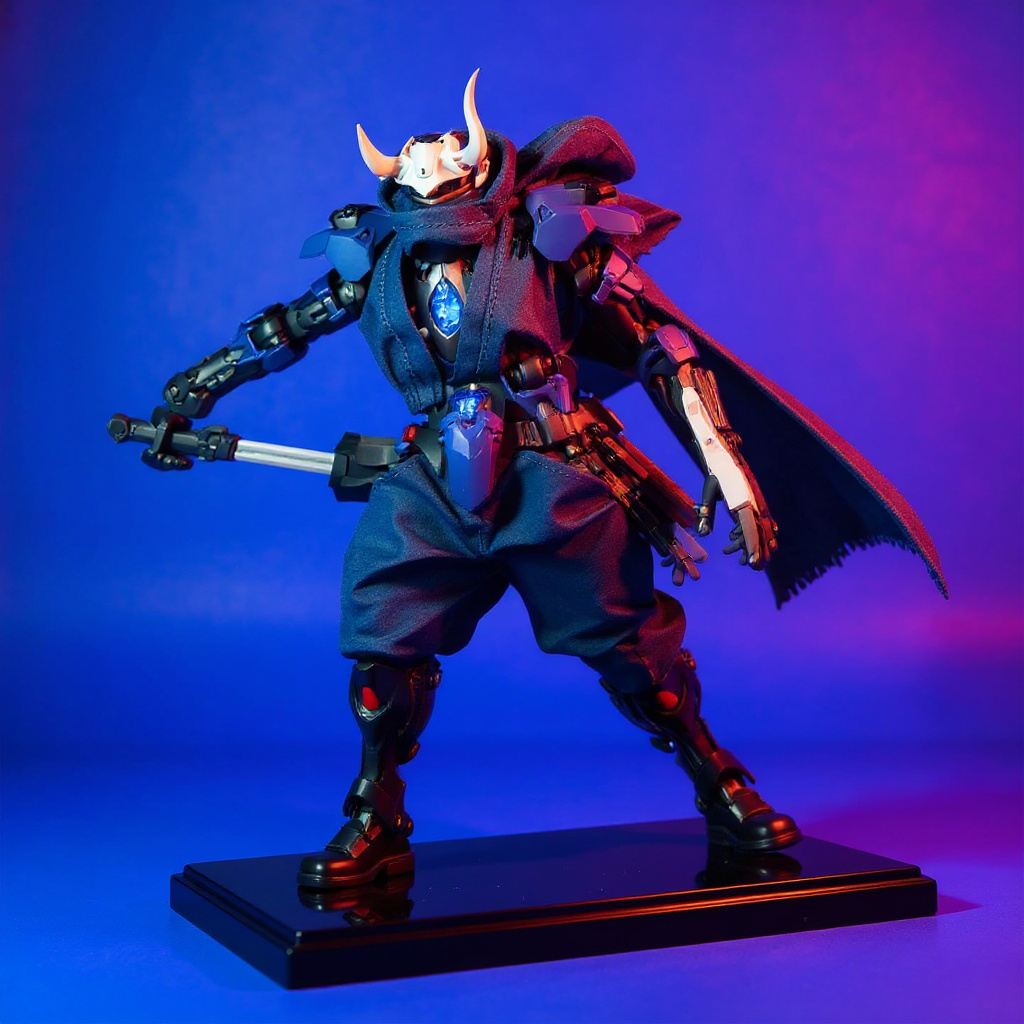
Etsy carries the largest volume of soft goods capes for action figures, but quality swings hard from seller to seller. Look for shops with 100+ reviews and photos of capes actually mounted on figures — not just fabric swatches laid on a table. The better shops post before-and-after shots: stock plastic next to their custom fabric replacement.
Collector forums like One Sixth Warriors host artisans who build for figure accessories specifically and take commissions matched to your exact scale or color request. Expect $25-60 depending on wire complexity.
Direct-from-maker shops offer the tightest quality control but the smallest catalog. They tend to focus on one or two figure lines and keep sizing consistent across runs. You'll pay $40-80, but the tolerances are tighter.
Honestly, if you only display figures behind glass and never touch them again, skip the wired versions entirely — an unwired cape saves you $20 and does the same job standing still.
| Source | Price Range | Quality | Customization | Ship Time |
|---|---|---|---|---|
| Etsy Sellers | $15-45 | Variable | High | 1-3 weeks |
| Forum Artisans | $25-60 | High | Very High | 2-4 weeks |
| Specialty Shops | $40-80 | Consistent | Medium | 3-7 days |
| AliExpress | $8-20 | Poor-Good | None | 2-6 weeks |
| Direct Maker Sites | $40-80 | Consistent | Medium | 3-7 days |
Wired vs. Unwired: The $20 Difference That Matters
Wired capes run $15-25 more than unwired ones. I tested five wire gauges — 18, 20, 22, 24, and a floral wire I had lying around — across a dozen pose changes each. The internal wire lets you shape a wind-blown silhouette that stays put through a full photography session, not just the first shot.
Unwired fabric capes still beat plastic. They just won't hold a shape. You pose it, you photograph it, you bump the table, and now it's hanging flat again.
Wire gauge changes the feel more than most listings admit. 22-gauge (about 0.6mm) flexes easily and suits lightweight fabrics but sags under anything heavier than cotton voile. 20-gauge (0.8mm) holds heavier weaves but takes more finger strength to reshape. Past 18-gauge, you're bending wire, not fabric — it stops being posable and starts being sculptural.
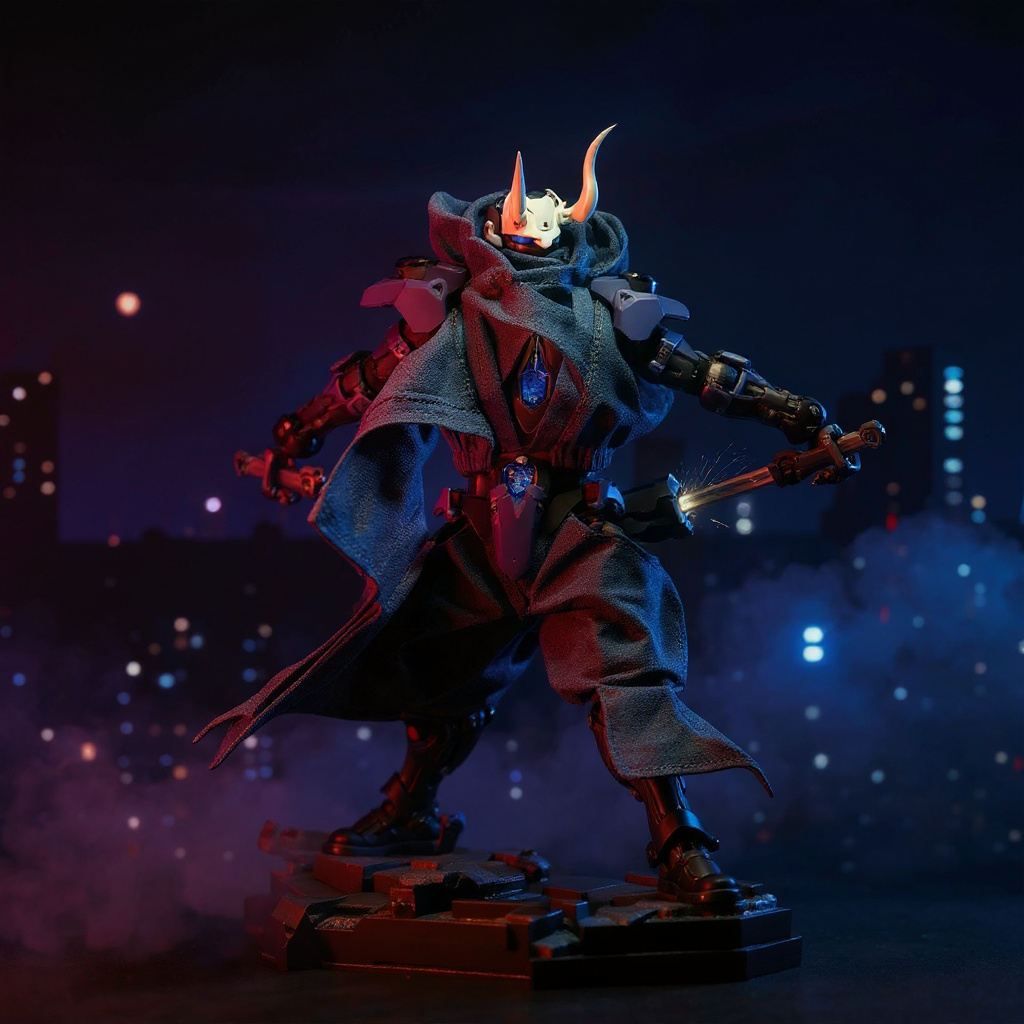
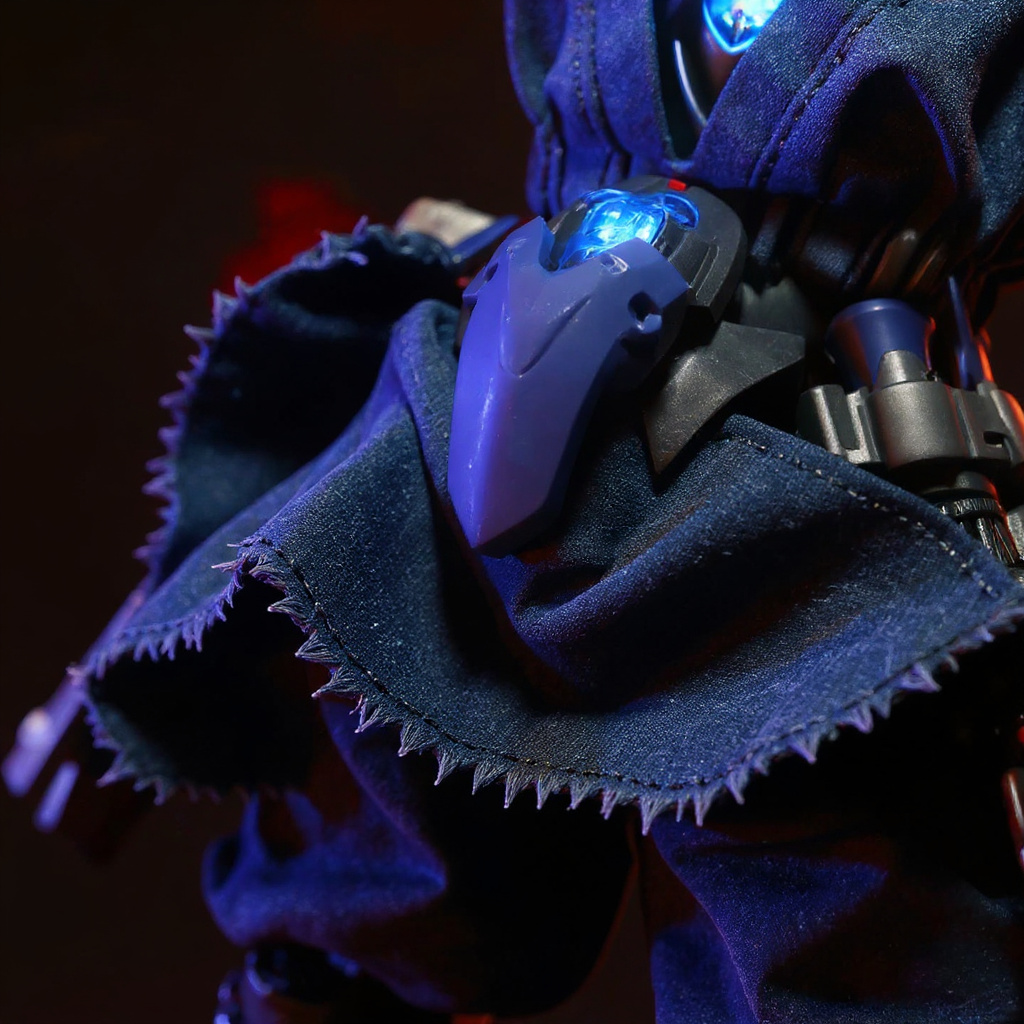
Our 1/10 Scale Ninja Action Figure Cape Replacement lands at 20-gauge for that reason: stiff enough to hold a dramatic action pose, soft enough to reshape by hand between shots. The matte black woven cloth drapes with a slight wind-blown curve built into the hem, and the fraying at the edges is intentional — trimmed by hand, not machine-cut.
Scale Compatibility: A Step-by-Step Match Guide
Getting scale wrong is the single most common mistake buyers make, and it's an easy one to avoid if you check measurements instead of trusting the listing title.
1. Measure your figure from shoulder to heel — don't trust the box label. 2. Compare that measurement against the maker's stated scale: 1/12 figures run about 6 inches, 1/10 figures about 7 inches, 1/6 figures around 12 inches. 3. Check the cape's shoulder width against your figure's shoulder width, not just the height. 4. Confirm the neckline attachment style (tie, velcro tab, or slot) matches your figure's collar. 5. If the figure line is known for running big or small (see below), add or subtract half an inch before ordering. 6. Order a size up only if the maker offers hem trimming — never size down expecting shrinkage.
1/12 scale capes (roughly 6 inches) fit most Marvel Legends and DC Multiverse figures. 1/10 scale capes (roughly 7 inches) fit larger anime imports and premium collectibles. 1/6 scale capes are built for 12-inch figures like Hot Toys and Sideshow pieces.
Don't assume scales are interchangeable. A 1/12 cape on a 1/10 figure looks like a cocktail napkin taped to a shoulder. A 1/10 cape on a 1/12 figure drags on the ground and buries the proportions.
Some lines lie about their scale. Storm Collectibles figures claim 1/12 but run noticeably larger than standard Marvel Legends — measure before you order any custom accessory for them.
Red Flags When Shopping for Soft Goods Capes for Action Figures
1. Check seller reviews for comments about accuracy and durability, not just "shipped fast." 2. Look for photos of the actual cape on a figure, not swatches on a table. 3. Verify the seller lists compatible figure scales and lines by name. 4. Avoid listings with stolen photos or visible watermarks from another shop. 5. Ask directly about wire gauge if posability matters to your display. 6. Confirm shipping times before ordering anything tied to a deadline. 7. Read the return policy. Custom items are usually final sale — know that going in.
Skip sellers who only show fabric swatches instead of finished capes on real figures. If they can't photograph their own work mounted, they probably haven't worked out proportion for your scale. Watch for shipping quotes past six weeks, too — handmade takes time, but six-plus weeks usually means an overwhelmed one-person shop or a supply problem they aren't mentioning.
Fabric Choices That Actually Matter
Cotton-polyester blends (60/40 or 70/30) hit the best balance for most cape builds. Pure cotton frays fast — I had a 100% cotton test cape shed threads after four handling sessions. The blend should feel substantial in the hand, not stiff like cardstock.
Avoid satin or silk unless you want a wet-look shine. Most ninja, superhero, and fantasy capes read better under display lighting with a matte finish — glossy fabric throws hot spots in photos.
Weave density changes how the cape hangs. Loose weaves drape more naturally but fray faster at the hem. Tight weaves last longer but can look stiff on a garment meant to flow.
Fabric weight has to match wire gauge. Heavy fabric needs thicker wire to hold a pose, which makes the whole cape harder to adjust by hand. Light fabric works with thin wire but sometimes lacks the body for a dramatic curve.
Taking Care of Handmade Capes
Some fraying at the hem is normal. It's even part of the weathered look on a ninja or fantasy figure. But there's a line between character and damage.
Trim loose threads with sharp scissors, cutting close to the weave without nicking it. Don't pull loose threads — that starts a run that spreads across the whole hem in a week.
Store capes flat, or loosely folded. Never compressed under other accessories in a bin. The wire holds a kink permanently if it's bent sharp for weeks at a time.
Dust builds up fast on fabric. A soft brush or a low-power vacuum attachment clears it without disturbing the shape you spent twenty minutes setting.
Is the Premium Worth It for Your Collection?
Custom soft goods capes for action figures turn a mediocre figure into a display centerpiece. But not every figure in a collection needs one. Save the upgrade budget for the pieces you photograph often or display front-and-center.
For ninja and fantasy figures specifically, flowing fabric makes the biggest visible difference — the stock plastic alternative looks worst on exactly the characters built around motion.
Threads on Reddit's action figure community consistently mention the same thing: collectors who invest in soft goods report more satisfaction with their photography, even when the figure itself didn't change.
At $44, a wired handmade cloth cape like the 1/10 Scale Ninja Cape sits mid-premium. You're paying for fabric that survives repeated posing and wire that holds a dramatic curve through a full photo session, not just the first frame.

