


Quick Answer
A 1/12 scale wired cape for action figures holds poses that a factory vinyl cape cannot. Look for 0.3-0.5 mm craft wire sewn into the hem, cloth near 3-4 oz/yd², and a drop of 8-9 cm for a mid-calf sengoku cloak. Custom pieces run about $25-50. The Tiger of Kai cape lists near $42.50.
Key Specs at a Glance
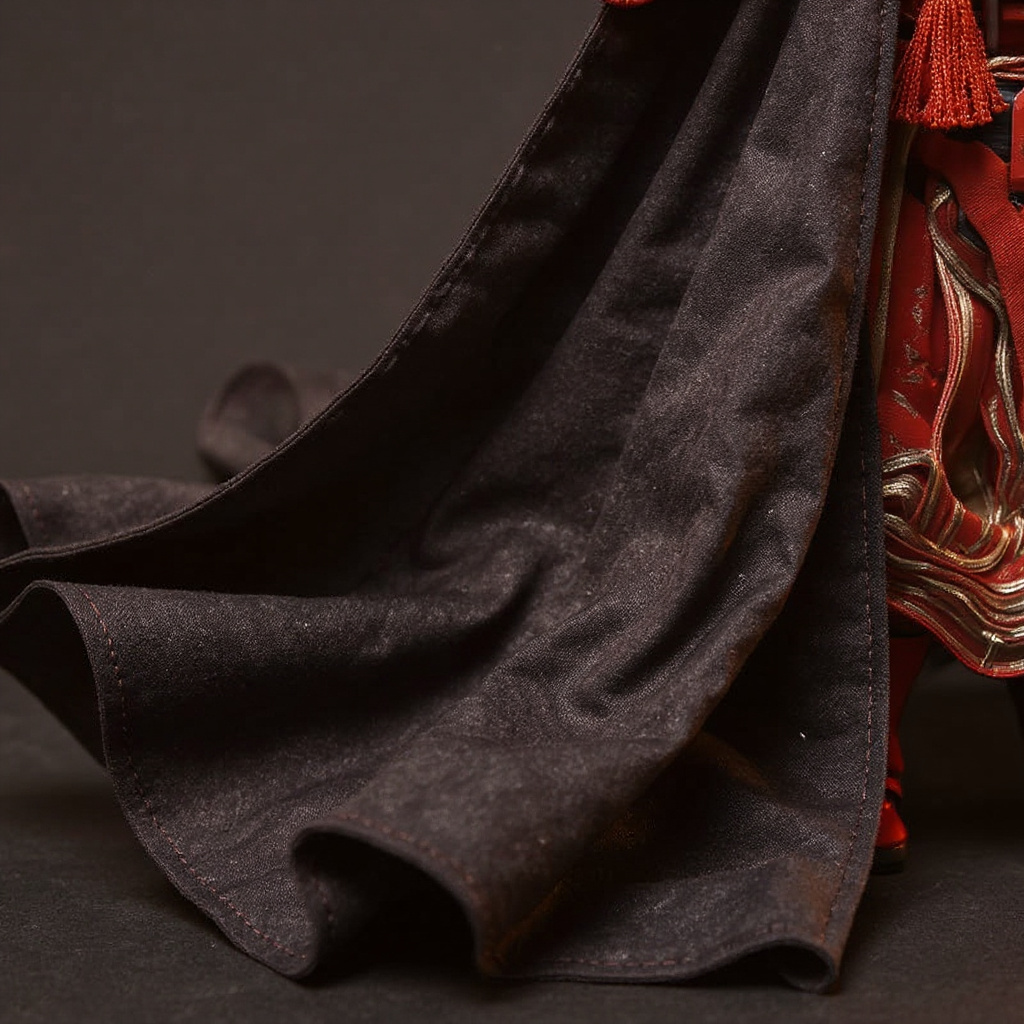
- Scale: 1/12, so 1 cm on the cape equals 12 cm on a real garment. See the scale model definition for the math. - Look: dark, muted black, brown, or deep red cloth with visible weave, folds, and hand-stitched seams. - Wire: thin, bendable metal in the hem and edges, giving the cloak curved, wind-caught lines. - Fabric weight: 3-4 oz/yd² (about 100-135 gsm). We use this one range throughout. - Price: $25-50 for custom handmade pieces. Generic marketplace capes run $15-25.
What Is a 1/12 Scale Wired Cape?
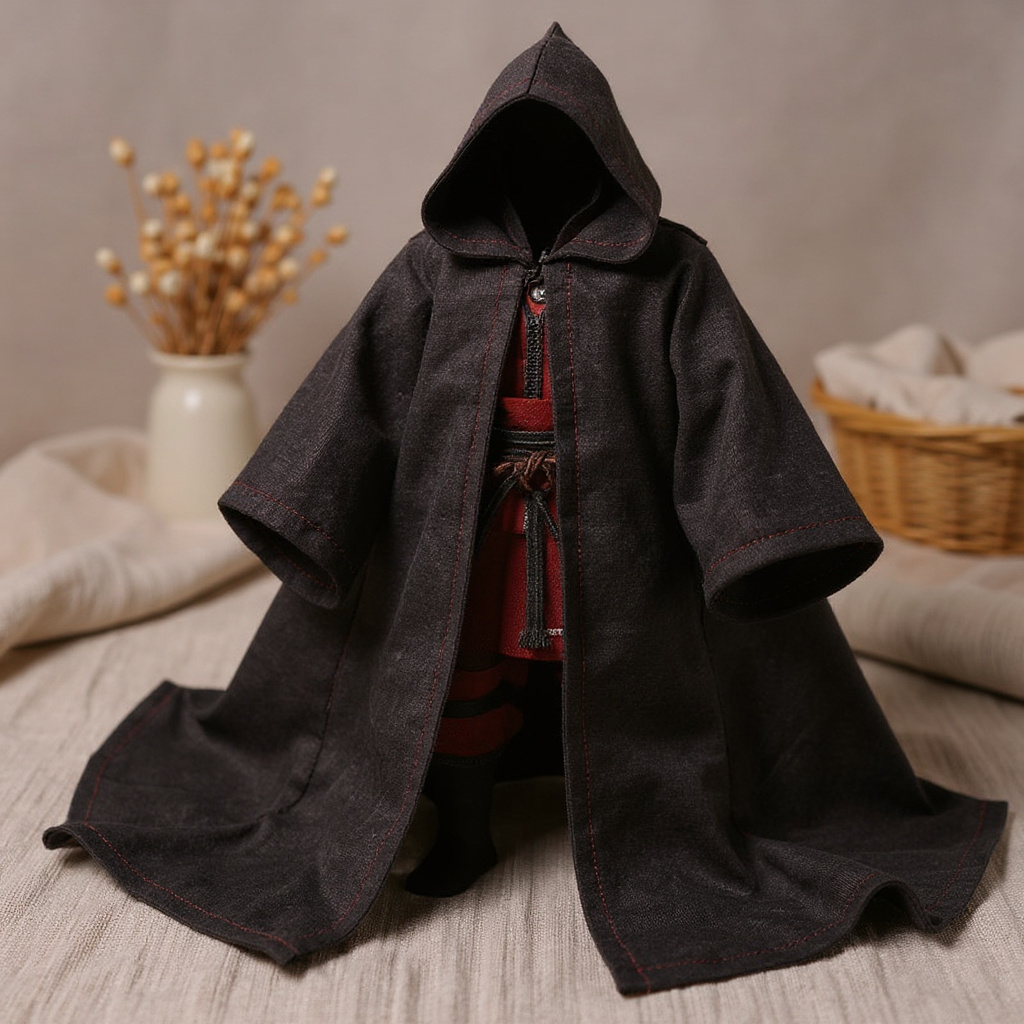
It is a small cloak cut from real cloth, with a thin wire stitched into the edges so you can shape it. Think of a sengoku warrior's cloak draped over one shoulder of a 1/12 figure. The folds look heavy. The hem curls as if a gust just hit it. Stitches show at the seams, and that is the point.
The wire does the posing. The cloth does the believing. Together they let one accessory work for a standing portrait, a charge, or a quiet stance before battle.
Why Factory Capes Fall Short
Most bundled capes are thin printed fabric or soft PVC. They are cut to fit a blister tray, not a historical silhouette. Stiff. Flat. Glossy under a lamp.
PVC gets brittle as its softening additives (plasticizers) migrate out over the years. That is a known property of the material, not a story about one cape. Fabric factory capes avoid cracking but have no internal support, so they hang straight down or collapse into a lump.
The bigger problem is availability. Most makers do not sell a loose replacement cape, so you either buy a whole second figure or turn to the aftermarket.
Comparison: Factory vs. Wired Cape Options
Prices are typical marketplace ranges. Check current listings before you buy.
| Option | Material | Pose Holding | Typical Price | Best For |
|---|---|---|---|---|
| Factory PVC cape | Thin vinyl | Fixed shape | $0 (bundled) | Basic display |
| Factory fabric cape, no wire | Thin printed cloth | Hangs only | $0 (bundled) | Standing poses |
| Generic wired cape | Mixed, often shiny polyester | Good to fair | $15-25 | Budget trials |
| Custom handmade wired cape | Cotton or blend, 3-4 oz/yd² | Strong, re-posable | $25-50 | Photography, dioramas |
| DIY wired cape | Your choice | Depends on skill | A few dollars in materials | Hobbyists |
The Tiger of Kai Cape: Specs and Honest Limits
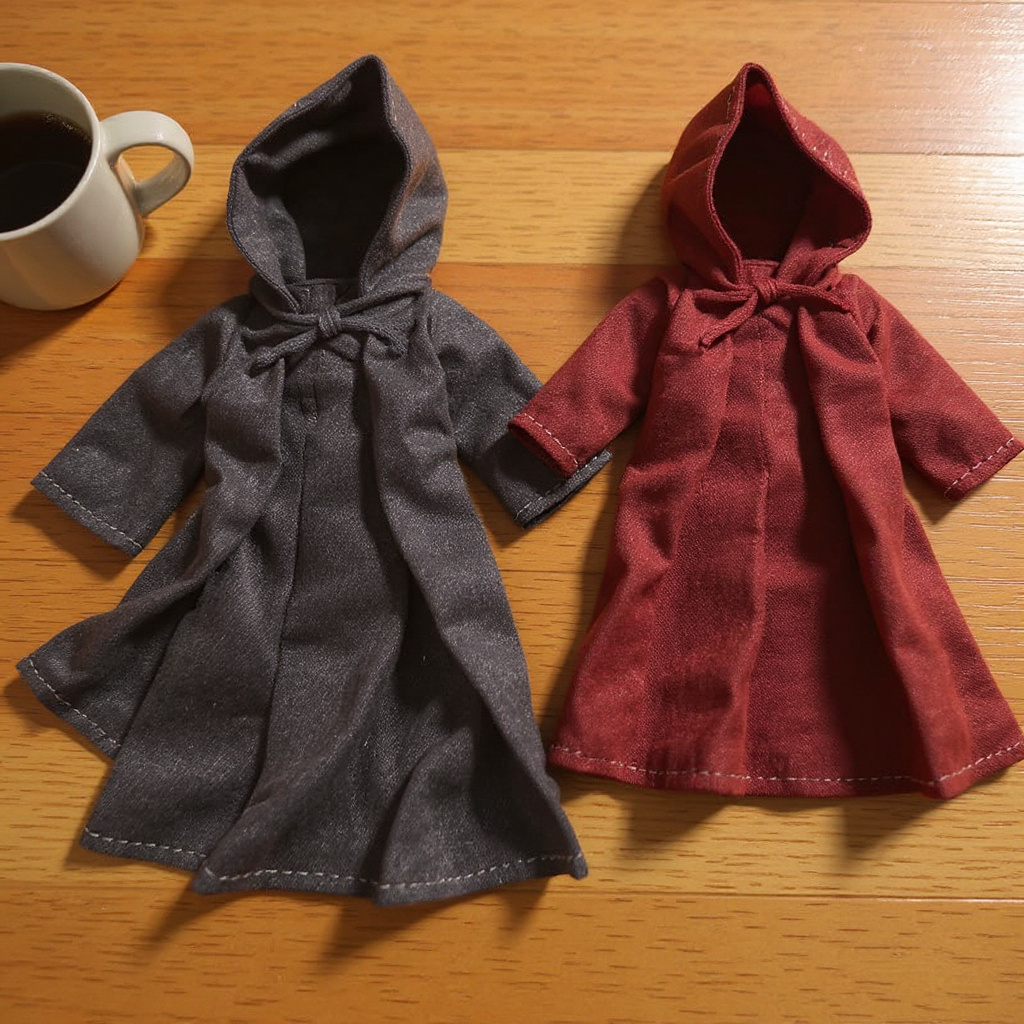
The 1/12 Scale Tiger of Kai Cape Replacement is built for the sengoku look: soft dark cloth, visible folds, and wire-shaped curves. The name nods to Takeda Shingen, the daimyo nicknamed the Tiger of Kai. The listing price was about $42.50 when we wrote this.
Two cautions. First, the product URL says 8-inch while 1/12 scale usually means a figure near 6 inches. The label most likely refers to the size class. Confirm the cape's drop and shoulder width with the seller before you order. Second, we have not published wire-gauge test data for this piece, so ask for it if wire thickness matters to you.
Is it the cheapest option? No. Does the price buy hand stitching and shaped wire? That is what the listing promises.
How to Measure Your Figure for a Cape
1. Stand the figure upright on its base. 2. Measure shoulder width from deltoid edge to deltoid edge, in millimeters. 3. Measure from the back of the neck down to the point where you want the hem. For mid-calf on a 13 cm samurai, expect about 8-9 cm. 4. Add 20-30% to the drop if you plan wind-blown poses, because curved cloth uses more length. 5. Note any armor. Pauldrons add bulk, so add a few millimeters of slack at the neck. 6. Compare your numbers with the listing's dimensions, not its scale label.
How to Shape the Wire
1. Support the cape on a flat surface before you touch the hem. 2. Bend the wire in wide, rounded arcs. Sharp creases are where metal fatigues. 3. Shape the leading edge first, then the trailing edge, so the folds follow one direction of motion. 4. Pose the figure and drape the cape over its shoulders. Do not hang the full weight from the neck tie. 5. Adjust in small steps and step back after each one. 6. Photograph under diffused light so shadows fall in the folds instead of harsh stripes.
Fabric and Color for a Sengoku Look
Choose plain-weave cotton or a cotton-polyester blend in the 3-4 oz/yd² range. Lighter cloth flutters well but cannot carry wire. Heavier cloth bunches up at this size. Matte beats shiny every time.
Color matters just as much. Black, bark brown, and deep red read as period dyes. Slight variation in tone, as in hand-dyed cloth, photographs better than a flat factory color. A rougher weave suits a campaign cloak, and under a macro lens a coarse canvas can look distractingly large, so test with a phone macro shot first.
Hand stitching helps here. Small irregularities at the seam look like real tailoring at 1/12 scale. Perfect machine lines look like a toy.
Wire Care and Fatigue
Wire does not hold a shape forever. It holds a shape until you bend it again, and each bend work-hardens the metal. A rule of thumb from makers: avoid re-bending the same crease over and over, and replace the wire if it feels gritty or springs back.
Keep the cape out of direct sun, which fades dark dyes. Clean it with a soft brush or compressed air, not water, since a damp wire edge can leave rust marks on the cloth. Store it in a relaxed curve, not folded flat.
Who Should Skip This
Honestly, if you pose a figure once and leave it on a shelf for years, skip the wired cape. A plain unwired cloth cape costs less and looks fine in a static stance. A wired cloak also cannot fix a figure with a weak sculpt or loose shoulder joints. It adds drama. It does not add quality.
Buy one if you photograph your figures, build dioramas, or change poses often. Otherwise, save the money.
For more accessories, browse the Figure Vault collection or start at the main store.
FAQ
Is the 1/12 scale wired cape for action figures adjustable?
Yes. A thin craft wire runs through the hem and edges, so you can bend the cloth into curves and then bend it again. The wire holds a shape against gravity, but each re-bend work-hardens the metal. Reshape in wide, soft arcs and avoid creasing the same spot repeatedly.
What fabric type is best for an action figure cape?
Choose plain-weave cotton or a cotton-poly blend near 3-4 oz/yd² (about 100-135 gsm). Lighter cloth cannot carry wire, and heavier cloth bunches at 1/12 scale. Matte, muted dyes in black, brown, or deep red photograph better than shiny synthetics, and a visible weave reads as period cloth.
How long do wired capes last?
No reliable lifespan figure exists, so treat any claim like 'lasts 10 years' with suspicion. Cloth fades in direct sunlight, and wire fatigues with each repeat bend. Keep the cape in indirect light, pose it in wide curves, and replace the wire if it kinks, feels gritty, or springs back.
What are the best places to buy 1/12 wired capes?
Buy from a seller who lists dimensions, wire type, and fabric, and who shows close photos of the seams. The Figure Vault carries the Tiger of Kai cape, and its collection page lists other accessories. Skip listings with no measurements, because poor fit is the main reason capes get returned.
How do you make a custom cape for your figures?
Cut a pattern from your figure's measurements, fold and stitch a narrow hem around 0.3-0.5 mm wire, add shoulder ties or a small collar, and press the folds with a damp cloth. Expect two or three tries before the drape looks right. Materials cost a few dollars.
Custom soft goods for action figures: trench coat or cape?
A cape is easier. It needs one panel, no sleeves, and puts no strain on shoulder joints. A trench coat needs sleeve patterns and can restrict articulation at 1/12 scale. For a sengoku theme, a cape or haori-style cloak also fits the period better than a Western coat.
Can I safely use this on Marvel Legends and other action figures?
Often, with checks. Marvel Legends figures stand near 6 inches but have broader, heroic shoulders than a historically proportioned samurai figure. Measure shoulder width and drop, then compare with the listing. The Tiger of Kai listing names an 8-inch size, so confirm dimensions before ordering.
Do custom capes affect figure resale value?
Keep the original accessory in its tray. Buyers of boxed figures often want complete stock contents, and you can list an aftermarket cape as a separate extra. Custom cloaks rarely raise resale value alone, so buy one for how your display looks, not for the return.
Verdict
A 1/12 scale wired cape for action figures earns its price when you pose, photograph, or build scenes. The dark cloth, visible folds, and hand-stitched seams give a sengoku figure weight that vinyl cannot fake. Measure first, bend gently in wide arcs, and confirm the listed dimensions. Then decide if the Tiger of Kai cape fits your shelf and budget.
Background reading: Sengoku period.

