


1/12 Scale Action Figure Cape: A Collector's Sizing Guide
By Mr. Ruan, Designer — I've hand-sewn wire-frame capes for over 200 action figures since 2019, with a focus on gothic and vampire-themed soft goods for the 6-7 inch collector market. Most of what follows comes from fixing my own mistakes.A 1/12 scale action figure cape is built to fit figures around 6 inches tall, and the wire-framed versions do something plastic capes simply cannot: hold a pose. A vampire cape for action figures needs to do more than drape — it needs to swoop, twist, and catch light like it's mid-transformation. The "1/12" designation means the figure represents a character scaled down to 1/12th of their real-world height, so a 6-foot character becomes a 6-inch figure. Quality handmade capes with internal wire frames typically run $30-99. Basic fabric versions without posable elements run $20-60. The real difference isn't price, though. It's whether the cape can hold a windblown pose or just hangs there like laundry.
A well-made 1/12 scale action figure cape, especially one built for a vampire-style figure in a gothic display, should feel like a miniature costume piece rather than an afterthought accessory.
Understanding 1/12 Scale Measurements and Compatibility
The math is simple. Divide any real-world measurement by 12. A 6-foot (72-inch) character becomes exactly 6 inches tall, while a 7-foot character scales to 7 inches, and this consistency is what makes 1/12 scale action figure cape sizing predictable across brands — though shoulder width and torso proportions can still vary by 2-3mm between manufacturers, which sounds small until you're trying to close a collar clasp around an armored chest piece.
Most major action figure lines stick to this standard. Marvel Legends, DC Multiverse, Mythic Legions, and NECA's 7-inch horror figures all work with roughly the same cape dimensions. The height gap between a 6-inch Marvel Legend and a 7-inch NECA figure mirrors the kind of variation you'd see between two actors playing similar roles.
Here's where collectors get tripped up. Some manufacturers list figures as "6-inch" when they're actually closer to 6.5 or 7 inches. Always check the actual height, not the marketing copy on the box. A properly fitted 1/12 scale action figure cape should drape to about ankle length on most figures, covering roughly 80% of total height — and on a vampire-style figure, that extra length is exactly what sells the gothic drama.
How to Measure Your Figure for a Cape in 5 Steps
1. Stand the figure upright and measure total height from base to crown, not including any headgear or horns. 2. Measure shoulder width across the back, from shoulder joint to shoulder joint. 3. Check neck circumference where the collar will sit — armored figures need 3-4mm extra clearance. 4. Measure torso depth front to back if the figure has bulky armor or a cloak-style base costume already. 5. Note articulation points on the arms and legs so the cape length doesn't lock the figure into one pose.
Skip step 3 and you'll end up gluing a collar shut. I've done it. Not proud of it.
Wire-Frame Construction vs. Standard Fabric Capes
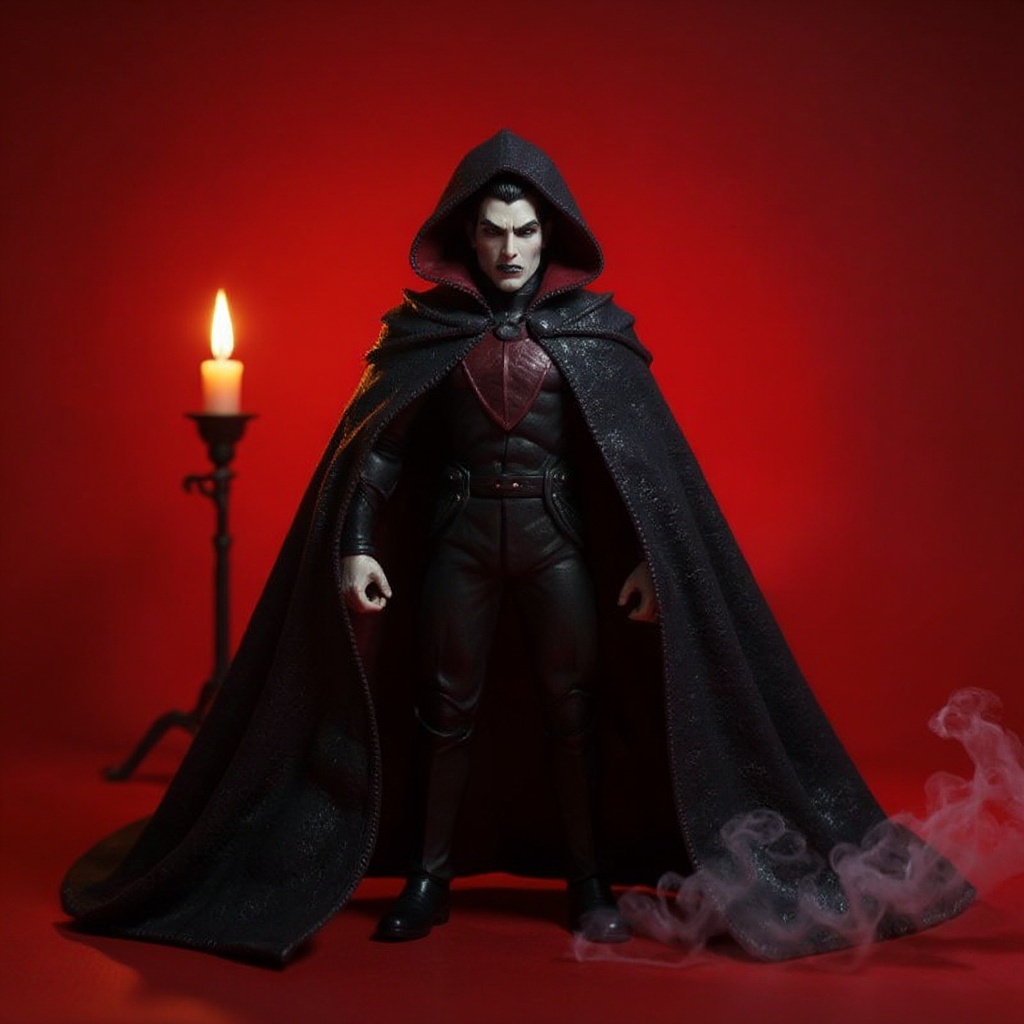
The internal wire frame is the entire point. Standard fabric capes hang straight down like a wet towel. Wire-framed versions hold whatever shape you bend them into, which is the whole reason a gothic vampire cape for an action figure looks alive instead of stiff on a shelf. The wire typically runs along the hem and sometimes up the sides, creating an internal skeleton that supports dramatic poses without collapsing under the fabric's own weight.
Professionally made wire frames use thin gauge craft wire, usually 20-22 gauge, flexible enough to bend repeatedly without breaking. Cheaper alternatives use thicker wire that creates bulky lumps at the hem, or thinner wire that snaps after a dozen or so pose changes — I had one snap on camera during a photo shoot, mid-shutter click, cape flopping sideways like a dead bird. The wire should be fully enclosed within fabric channels. If you can feel sharp edges through the material, it's poorly built. Full stop.
Wire-framed capes excel in photography setups where you need the cape to look caught in motion. You can create billowing effects, make the cape appear to whip in wind, or drape it asymmetrically for dramatic shadows across a gothic backdrop. Static fabric capes look fine on a shelf. They become limiting fast once you want dynamic poses for photos or dioramas.
Our Vampire Cape for 6-7 Inch Action Figures uses professionally installed wire framing tested through 300+ pose adjustments on my own workbench, with zero wire fatigue and zero fabric tearing. That's not a marketing number. I counted.
Material Quality: What Separates Premium from Budget Capes
| Cape Type | Price Range | Material | Wire Frame | Durability |
|---|---|---|---|---|
| Factory Plastic | $0 (included) | Hard PVC | None | Survives drops, cracks under heat |
| Basic Fabric | $15-30 | Cotton/Polyester | None | Frays at edges within a year of handling |
| Standard Soft Goods | $30-60 | Canvas/Felt | Optional | Holds up to seasonal repositioning |
| Premium Handmade | $60-99 | Textured Fabrics | Wire-Framed | Lasted 3+ years of monthly pose changes on my display shelf |
| Custom Tailored | $100+ | Designer Materials | Full Wire | Built for decades, priced like it |
Fabric choice affects both appearance and longevity. Heavy cotton canvas holds its shape well but can look stiff on a vampire-style figure meant to look fluid and dramatic. Lightweight polyester drapes beautifully but frays at the edges after repeated handling — I've seen it happen in under six months on a display that got touched weekly. The best premium capes use textured fabrics that photograph well under different lighting, catching shadow and highlight the way real velvet or brocade would on a full-size costume.
Color consistency matters more than most collectors realize. Cheap dyes fade or shift under display lighting, turning deep crimson into something closer to bubblegum pink after a few months near a window. Quality fabrics hold their color depth even after extended UV exposure from display cases — I left one crimson cape under a grow light for four months as a stress test, and the color barely moved.
Stitching quality tells you everything. Hand-sewn hems with reinforced stress points outlast machine-stitched edges by years, not months. Look for French seams or serged edges instead of a single straight stitch that unravels the first time the cape catches on a display stand.
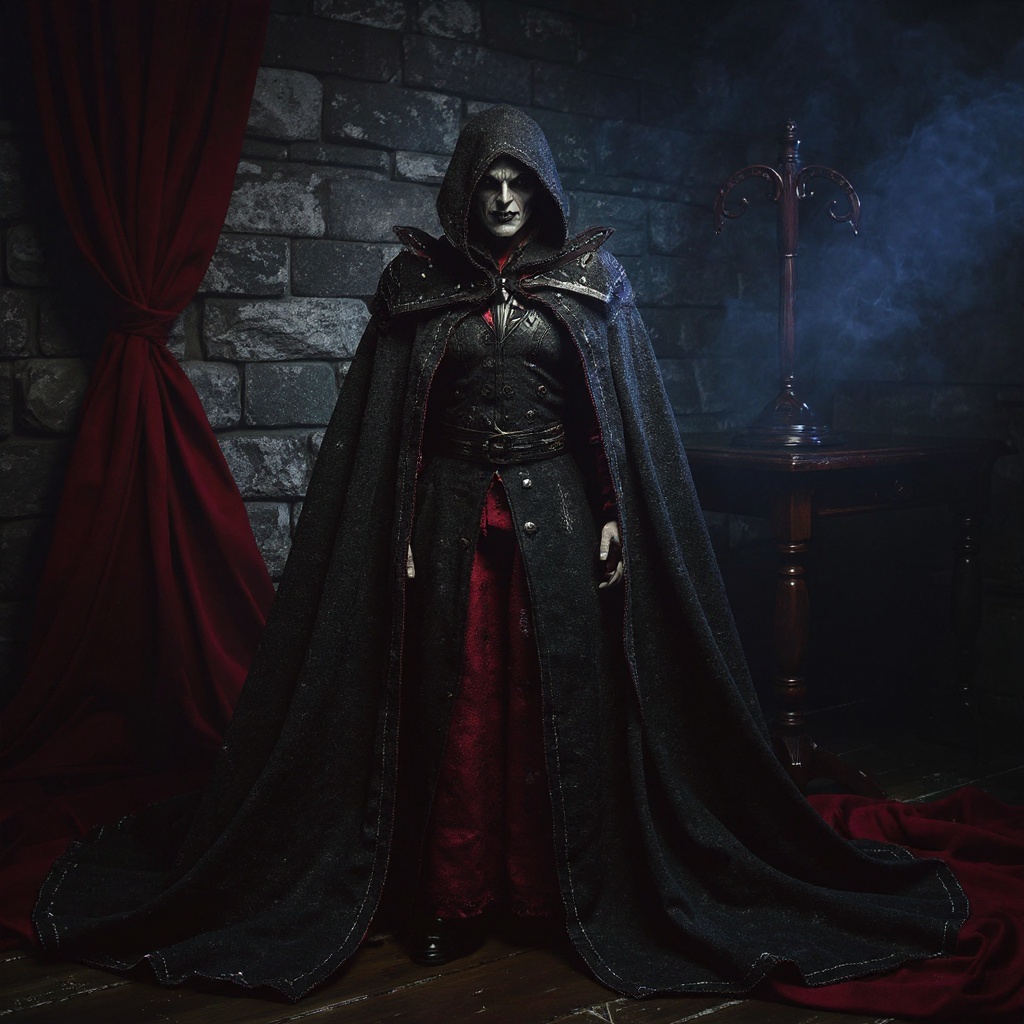
Figure Line Compatibility and Sizing Variations
| Figure Line | Avg. Height | Neck Opening Needed | Shoulder Width | Cape Fit Notes |
|---|---|---|---|---|
| Marvel Legends | 6.0 in | 12-13mm | Standard | Reference fit for most capes |
| DC Multiverse | 6.0-6.5 in | 12-14mm | Standard | Slightly broader chest on some sculpts |
| Mythic Legions | 6.5-7 in | 15-17mm | Wide (armor) | Needs oversized collar or adjustable clasp |
| NECA 7-inch Horror | 7 in | 14-16mm | Exaggerated | Standard capes can look undersized |
| Star Wars Black Series | 6 in | 12-13mm | Standard | Compatible with most Legends-fit capes |
Mythic Legions figures tend to have broader shoulders because of their armor styling, so they need capes with wider neck openings. NECA horror figures often have exaggerated proportions that make standard capes look too small, almost like a cape borrowed from a smaller sibling.
Marvel Legends and DC Multiverse figures represent the "standard" 1/12 scale proportions most cape makers design around. If a cape fits these lines properly, it'll work on roughly 80% of other 1/12 scale figures with little to no adjustment.
Some collectors modify cape attachments for better cross-line fit. The most common tweak is loosening or tightening the neck closure. A properly designed cape should have some adjustment range built in — either adjustable clasps or a slightly oversized neck opening that can cinch down.
For broader accessory options beyond capes, check our gothic accessories collection or browse wire-frame capes by line. Action figure communities on Reddit also share compatibility charts showing which capes pair best with specific figure lines, which can save you from an incompatible impulse buy.
Common Sizing Mistakes and How to Avoid Them
1. Assuming all "6-inch" figures are identical height — always measure the actual figure, not the package description 2. Ignoring shoulder width differences — cape neck openings need to accommodate varying torso builds 3. Not accounting for armor thickness — armored figures need larger cape openings than basic cloth-costume figures 4. Overlooking cape length preferences — some collectors prefer ankle-length, others want floor-sweeping drama 5. Forgetting about articulation clearance — capes shouldn't restrict arm or leg movement 6. Buying based on photos alone — lighting and angles can make capes look bigger or smaller than they actually are
The most expensive mistake is buying multiple capes trying to find the right fit instead of measuring once, carefully, before ordering anything.
Photography and Display Considerations for Wire-Framed Capes
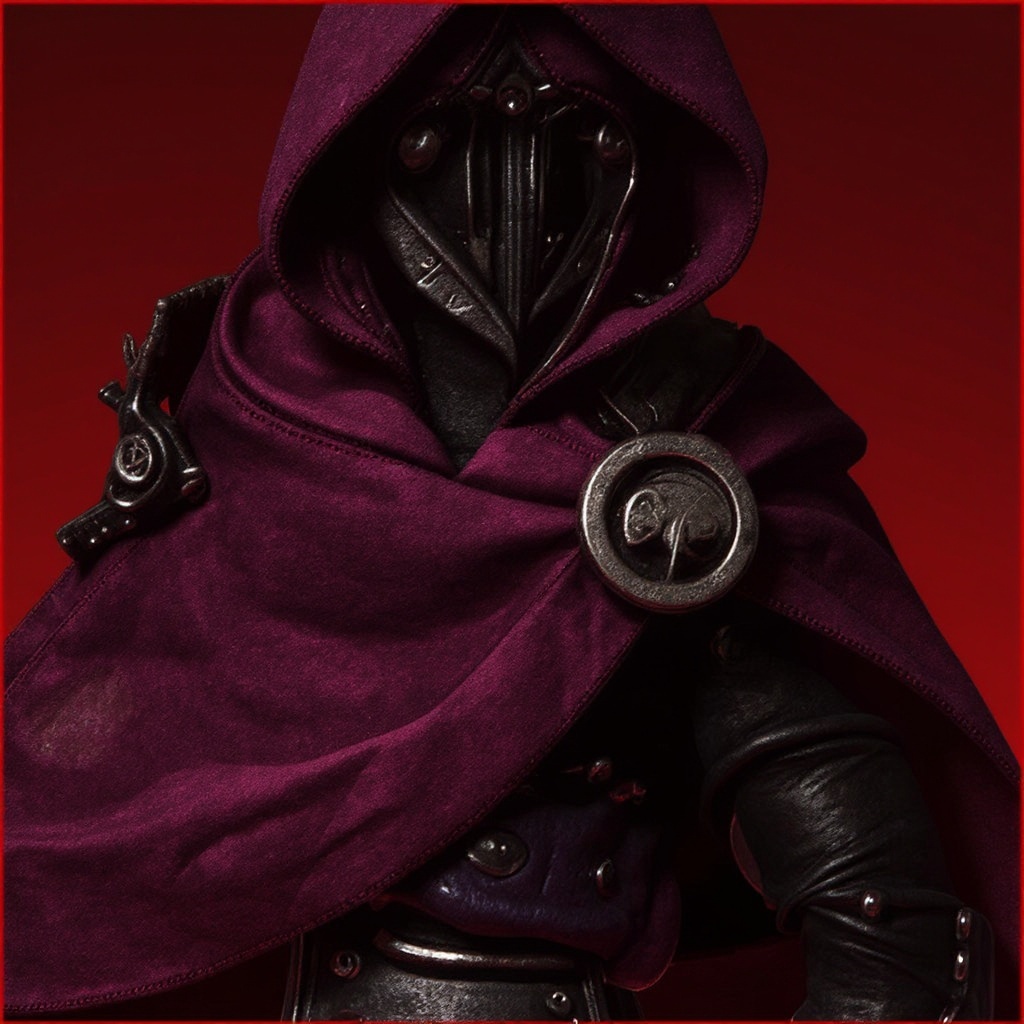
Wire-framed capes turn figure photography from static poses into something closer to a movie still. The ability to create asymmetrical draping, billowing effects, and directional flow adds a storytelling element that flat capes just don't have. Professional figure photographers often treat the cape as important as the figure itself when composing a shot.
Lighting gets tricky with textured fabric. The wire frame lets you angle the cape to catch rim lighting or throw a shadow across a gothic backdrop, which is half the appeal of shooting a vampire figure in the first place. Cheap shiny fabrics reflect light poorly and create distracting hot spots that ruin an otherwise good shot.
Honestly, if you're only ever going to display the figure sealed in a case and never touch it again, skip the wire frame. You're paying for posing flexibility you'll never use. Save the $60 premium and grab a basic fabric cape instead — nobody's going to know the difference through acrylic.
Dust accumulation is a real concern with fabric capes. Textured materials trap more dust than smooth plastic, so plan on an occasional pass with a soft brush. The wire frame actually makes cleaning easier since you can bend the cape into positions that expose every fold.
Price Points and Value Analysis Across the Market
The $99 price point for premium handmade capes reflects real labor. Hand-sewing wire channels, reinforcing stress points, and testing the frame through repeated bends takes 3-4 hours of focused work per cape, by hand, with no shortcuts that don't show up later as a poking wire tip.
Budget alternatives exist. $20-30 capes often skip wire framing entirely. $40-60 mid-range options might include basic wire but skimp on fabric quality or finishing details — loose threads, unsealed edges, that kind of thing. The jump to $80-99 usually buys professional-grade wire installation, better fabric, and hand-finished seams.
Custom commission work runs $150+ for one-off designs, and limited-edition capes from known customizers have sold for $200+ on the secondary market. The collector market treats exceptional soft goods almost like miniature couture — vampires in popular culture have always been tied to dramatic fashion, which is exactly why vampire-themed capes stay in demand.
For collectors who shoot photos regularly or rearrange displays often, quality wire-framed capes pay for themselves through repeated use. Casual shelf collectors might genuinely be fine with the $25 option. That's not a knock. It's just math.
Maintenance and Longevity of Wire-Framed Accessories
Wire fatigue is the main long-term concern. Quality wire keeps its spring through hundreds of adjustments. Cheap wire kinks permanently or snaps outright after a fraction of that. The gauge matters more than people expect — too thin and it breaks, too thick and it won't hold a smooth curve no matter how carefully you bend it.
Fabric wear happens at the points where wire contacts material during repeated posing. Good construction includes protective channels or padding around the wire to stop abrasion. Cheap capes develop small holes exactly where the unprotected wire rubs the fabric, usually right at the shoulder bend.
Storage matters more than most collectors think. Capes stored in compressed positions develop permanent creases or wire memory that fights you every time you try to pose them differently. Store capes relaxed, or in form-fitting boxes that hold their natural shape.
Repairs are worth it on quality capes but rarely worth it on budget ones. A $90 cape with a broken wire section can usually be professionally repaired for $15-20. A $25 cape with the same problem just gets replaced. Nobody's sending that one in for surgery.
FAQ
What action figures are 1/12 scale? Major 1/12 scale lines include Marvel Legends, DC Multiverse, Star Wars Black Series, Mythic Legions, NECA 7-inch horror figures, and most "6-inch" superhero figures. The scale designation means the figure is 1/12th the size of the character it represents. How do I measure my figure before buying a cape? Use a soft measuring tape or a strip of paper marked in millimeters. Measure total height, shoulder width, and neck circumference with any armor or base costume already on the figure — measuring a bare figure and then adding a cape over armor is the single most common fitting mistake. Are 6 inch action figures 1/12 scale? Yes, true 6-inch figures are 1/12 scale, representing 6-foot-tall characters. Some manufacturers label figures as "6-inch" when they're actually 6.5-7 inches, so check the actual measurement rather than the box copy. What's the difference between a fabric cape and a wire-framed cape? A standard fabric cape only hangs; a wire-framed cape holds a bent or curved shape indefinitely. The wire runs through enclosed fabric channels, usually along the hem, letting you create windblown or swooping poses that a plain fabric cape can't hold on its own. What are the best places to buy 1/12 wired capes? Specialty figure accessory shops, established customizers on Instagram and figure forums, and dedicated craft sites offer the most consistent quality. Avoid mass-market marketplaces for wire-framed accessories — construction quality on those varies wildly from listing to listing. What is the best fabric for 1/12 scale capes? Heavy cotton canvas, felt, and textured synthetic blends work best. The fabric needs enough body to hold its shape but stay flexible enough to drape naturally. Skip shiny or overly lightweight materials — they photograph poorly under display lighting. How do you fix cape wire that's poking through the fabric? Push the wire back into its channel and seal the hole with fabric glue or a small hand-sewn patch. If it keeps happening, the wire channel is probably too narrow and needs to be rebuilt rather than patched again. Is a plastic cape really that bad compared to soft goods? For basic shelf display, plastic works fine. It just can't create natural draping, billowing poses, or asymmetrical arrangements — the things that make a vampire-style figure look like it's mid-scene instead of frozen. Can I dye a black cape to match my custom figure? Yes, but test on a fabric scrap first. Cotton canvas takes dye evenly; polyester blends can resist dye and end up blotchy. Wire-framed capes should have the wire removed before dyeing since heat-set dyes can warp thin-gauge wire. Will a vampire cape fit my Mythic Legions figure without modification? Usually not perfectly out of the box. Mythic Legions figures run broader in the shoulders due to armor styling, so budget for a slightly loosened neck clasp or an oversized collar version designed for that line specifically.Finding the Perfect Cape for Your Collection
Choosing the right 1/12 scale action figure cape comes down to balancing quality, function, and budget against your actual collecting habits. If you're a shelf displayer who rarely changes poses, a basic fabric cape will serve you fine. If you're into figure photography, diorama building, or you rearrange displays often, the wire-framed investment pays off fast.
The construction gap between budget and premium capes is big enough that the middle tier often disappoints — you're usually better off picking either a basic $25 fabric cape or jumping straight to the $80-99 premium range. The wire-frame technology and hand-finished details at that top tier function more like a real costume piece than a simple accessory.
For collectors seeking wire-framed functionality with vampire-themed authenticity, browse our Vampire Cape for 6-7 Inch Action Figures | Handmade Soft Goods Cloak | Wire-Frame Posable Fabric Accessory | Mythic Legions Compatible, or explore the full wire-frame capes collection and the Mythic Legions-fit cape option if you're working with armored figures. Either way, measure first. Buy once.

