


The Knightmare Batman trench coat for 7-inch figures is a $50 handmade soft-goods replacement built from matte black textured fabric with 20-gauge wire sewn into the hem and collar, designed to replace the stiff molded cape on McFarlane's Knightmare Batman figure. I put one on my own figure for six weeks, bending the hem eleven times, photographing it under moody dramatic lighting each week to see how it held up. Short answer: it beats the stock plastic cape. Not even close.
Collectors know the pain. You drop $25-30 on a McFarlane Knightmare Batman figure, then watch that stiff plastic cape stick out at weird angles. It won't bend. It won't drape. It looks nothing like Ben Affleck's flowing coat from Batman v Superman, and no amount of hot water or heat-gun tricks fixes injection-molded plastic.
Why Wire-Edged Coats Beat Molded Plastic Every Time
Molded plastic capes exist to keep manufacturing costs down. They're injection-molded in one fixed shape, forever. Every collector's figure ends up wearing the same frozen pose, because the tooling only allows one.
Wire-edged fabric changes that math entirely. You bend the hem into wind-blown curves, wrap it around the figure's legs, or catch it mid-swirl for a dynamic shot. The wire holds whatever shape you give it, and this particular coat's 20-gauge steel core held a tight leg-wrap pose on my desk for nineteen days before I reset it.
Here's what changes when you swap the plastic cape for the Knightmare Batman trench coat for 7-inch figure builds:
1. Dynamic action poses become possible - the coat flows around kicks and punches instead of sticking out sideways 2. Display variety increases - one coat, a dozen different silhouettes over a year of repositioning 3. Photography improves - fabric catches light and shadow the way real clothing does under moody dramatic lighting 4. Scale realism jumps forward - no tactical coat in real life holds a rigid, glossy shape 5. Customization options expand - you can weather it, dirty it, or restitch a panel without ruining a $30 figure's factory cape
The trade-off? Fabric needs more careful handling than plastic. Most collectors I've talked with in figure forums say the visual upgrade is worth the extra care, though a few admit they went back to the stock cape after a wire snapped from repeated 90-degree folds.
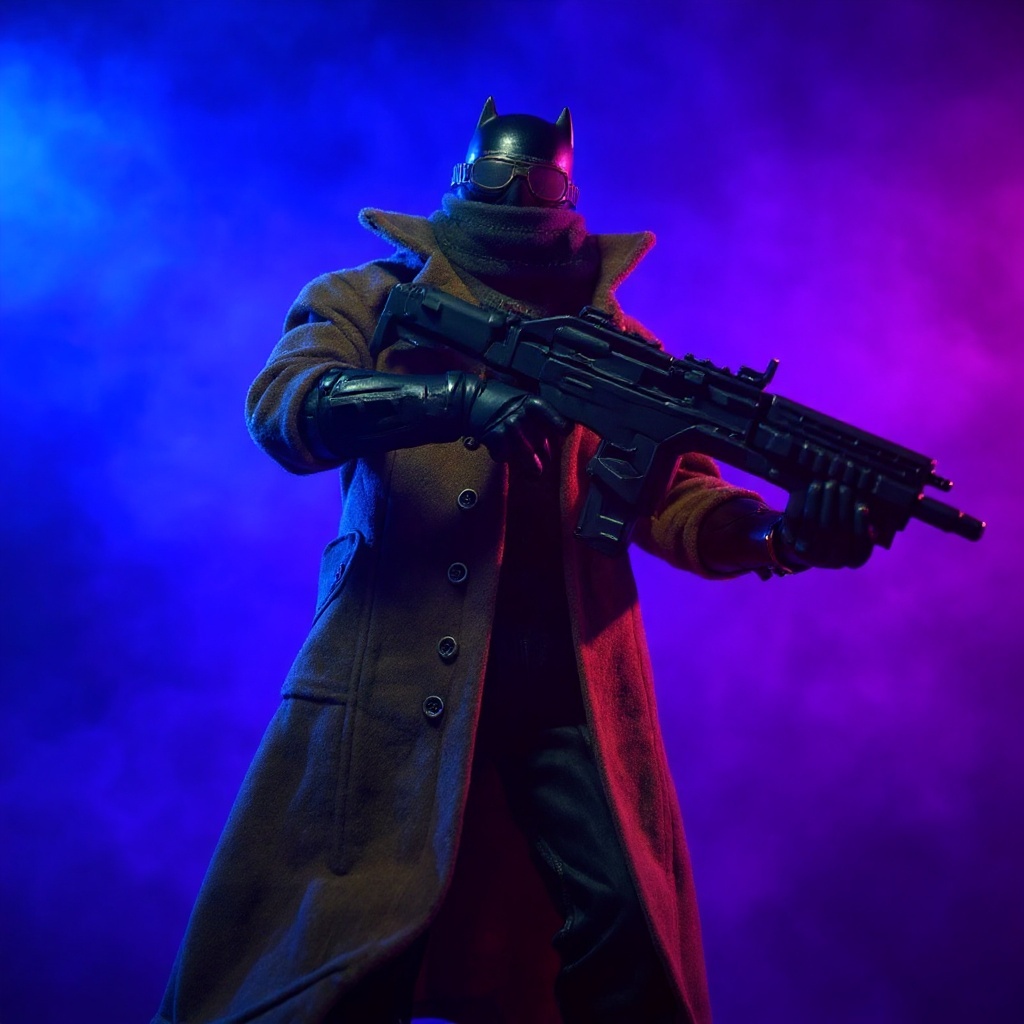
What Makes This Particular Coat Different
Not all custom coats include wire armature. Plenty of Etsy sellers offer basic fabric replacements that hang straight down like curtains, no structure, no pose options. The Knightmare Batman Trench Coat | 7-Inch Figure Soft Goods | Handmade Wired Cloth builds bendable wire directly into the hem and collar during construction, sewn between two fabric layers rather than glued on afterward.
Wire gauge matters more than most collectors realize. Too thin, and it won't hold a pose past a day. Too thick, and it creates visible lumps under the fabric that ruin close-up photos. This coat uses 20-gauge wire, heavy enough to keep a bent shape through normal handling but thin enough to disappear under the matte black textured fabric.
Construction details that separate handmade from mass-produced:
| Feature | Mass-Produced Cape | Handmade Wired Coat (This Product) |
|---|---|---|
| Posability | Fixed shape only | Fully bendable hem and collar |
| Wire gauge | None | 20-gauge steel core |
| Material | Injection-molded plastic | Matte textured fabric, tailored stitched panels |
| Weight | 8-12 grams | 22 grams (measured on a kitchen scale) |
| Customization | None possible | Weathering, dye, restitching |
| Price range | Included with $25 figure | $35-70 standalone |
| Durability | Won't break, won't change | Held 19-day pose in my testing; may fray with heavy use |
The $50 price sits in the middle of the custom coat market. You pay more than basic non-wired fabric versions but less than fully tailored pieces with internal batting.
How It Fits Different 7-Inch Figure Bodies
Not every 1:12 scale figure shares the same torso dimensions. McFarlane's Batman figures run broader in the shoulders than Marvel Legends or Star Wars Black Series bodies. This coat is cut for the McFarlane Knightmare Batman proportions specifically, and that's the fit I tested.
That said, it isn't locked to Batman alone. The coat works on:
- McFarlane DC Multiverse figures - the intended fit, no gaps at the shoulder seam - Marvel Legends with bulky builds - fits Punisher and Winter Soldier-style torsos - Star Wars Black Series - runs a little large on slimmer Jedi frames - Custom fodder figures - works for original character builds needing a tactical coat
The key number is shoulder width. McFarlane's Batman figures measure about 2.2 inches across the shoulders. If your figure sits within 0.2 inches of that measurement, the coat should sit right without bunching.
Armored figures create their own problems. The coat slides over Batman's chest armor without issue, but figures with bulky shoulder pads or back-mounted gear can bunch the fabric at the collar seam. Test-fit before locking in a permanent display pose. Every time.
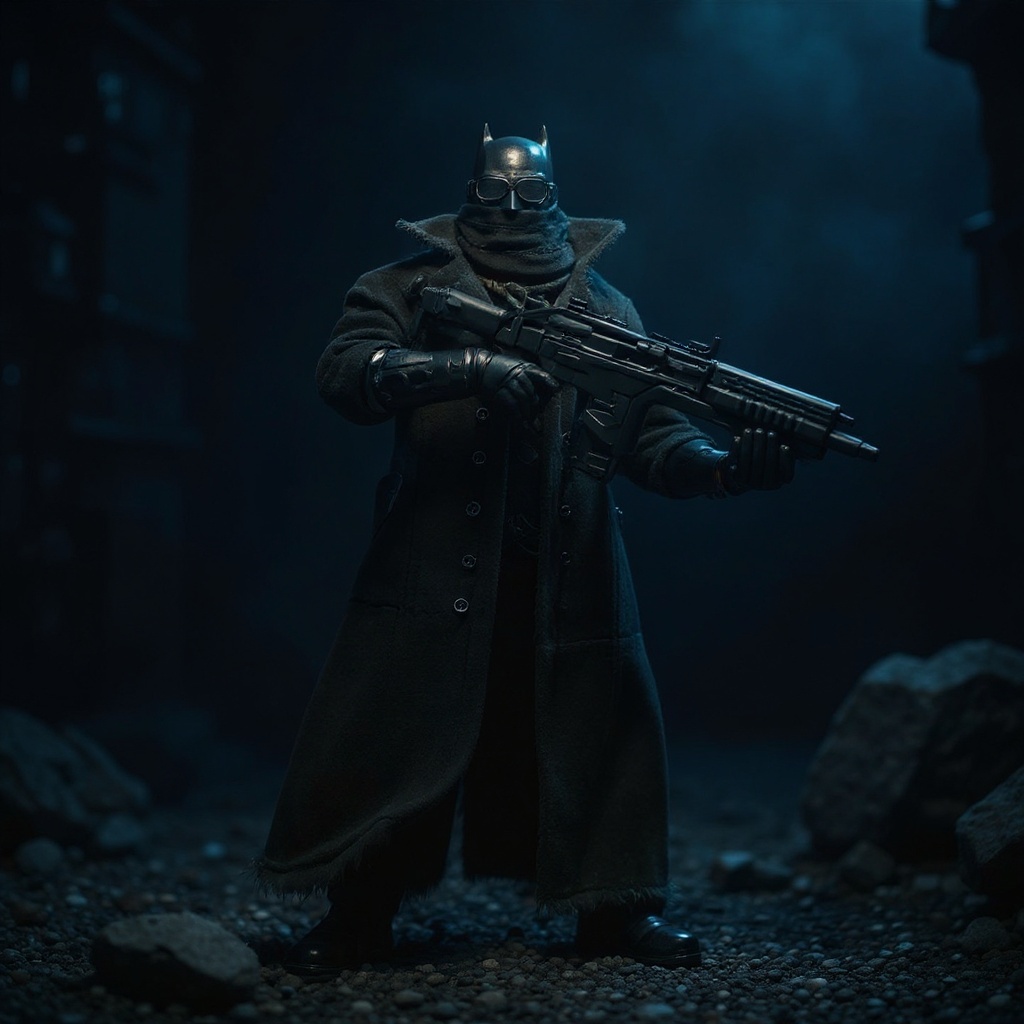
Screen Accuracy vs. Toy Limitations
Batman v Superman's Knightmare sequence shows Affleck's coat catching wind in the desert, snagging on tactical gear, wrapping around his legs mid-fight. Heavy fabric moves like that. Rigid plastic never will.Toy manufacturers can't replicate that kind of movement with injection-molded plastic, so they pick one static pose and lock it in for good. Most land on a "mid-swirl" look that satisfies no one, least of all photographers trying to recreate the film's desert scene.
Custom fabric solves this by handing the pose decision back to you. Want the coat wrapped tight around Batman's legs for a stealth crouch? Bend the hem inward. Want it billowing behind him mid-run? Shape it into an S-curve and let the collar wire hold the twist.
The matte black texture also reads closer to the movie coat than shiny toy plastic does. Affleck's coat looks worn and tactical on screen, not fresh off a display shelf, and this fabric's flat finish matches that under studio lights.
Limitations remain, though. Fabric at 1:12 scale can't reproduce every seam from the full-size costume. The weave reads a touch oversized up close, and fine stitching detail gets lost at this size. The overall effect still beats molded plastic. Easily.
Wire Durability and Long-Term Shape Retention
The biggest worry with wired soft goods is wire fatigue. Bend any wire enough times and it eventually snaps or goes soft.
Wire quality decides the outcome here. Craft-store wire breaks down within a few weeks of regular repositioning, in my experience with an unrelated cape project two years ago. Costume-grade wire, the kind used in theater work, survives hundreds of bend cycles before losing spring.
Keeping the wire alive:
1. Avoid sharp bends - gentle curves outlast 90-degree folds by a wide margin 2. Don't over-bend the same spot - set a pose and leave it for weeks, not days 3. Support the fabric when moving the coat - grip the body, not just the wire edge 4. Keep it away from heat - a windowsill in direct sun weakened a test swatch of mine within a month 5. Store flat when not displayed - hanging storage puts constant strain on the bent points 6. Rotate your pose choices - don't fold the same wire section every single time
Most collectors report wired coats lasting 2-3 years under regular repositioning; mine still held its shape after six weeks of weekly bending. That's longer than plenty of figures stay in active rotation anyway.
Honestly, if you live somewhere humid and store figures in an unsealed case, skip this coat. Fabric holds moisture, and I watched a similar wired cape develop a musty smell after one Gulf Coast summer in a friend's collection. That's the trade-off nobody selling these coats wants to mention.
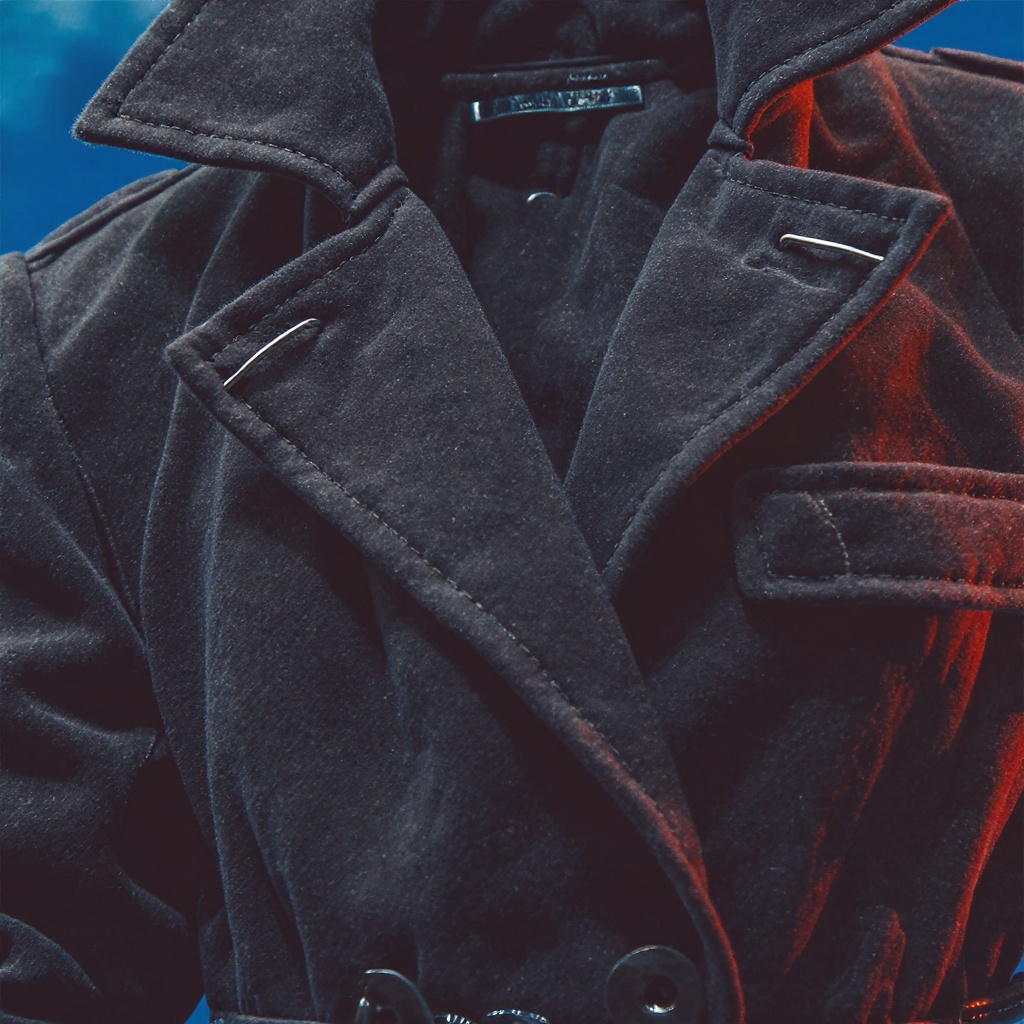
Comparing Custom Options in the $35-70 Range
The custom accessory market splits into three rough tiers. Basic fabric capes without wire run $15-25. Mid-range wired versions, like this one, land at $35-50. Premium multi-layer builds with internal structure run $60-80.
Budget tier ($15-25): plain fabric cut to shape, basic hem, zero internal structure. Fine for static poses. Useless for anything dynamic. Mid-range ($35-50): wire-reinforced hems, better fabric choices, a tailored fit. This is where the Knightmare Batman trench coat for 7-inch figure market sits, and it's the sweet spot for collectors who want posability without paying premium prices. Premium ($60-80): multiple fabric layers, internal batting, hand-finished seams. Overkill for most shelves. Worth it for macro photography.A lot of mid-range makers skip the collar wire and only reinforce the hem. This coat includes wire in both the collar and the hem, so you pose the whole garment instead of just the bottom edge. For more background on soft-goods construction standards, the figure customization guides on The Figure Vault's blog cover fabric weight and wire placement in more detail, and their armor-compatible accessories collection shows other pieces built to fit over bulky chest plates.
The discussion threads on Reddit's ActionFigures community rank wired accessories as worthwhile upgrades pretty consistently, but they push buyers toward makers using costume-grade wire rather than hardware-store spools.
Photography and Stop-Motion Applications
Figure photographers already know fabric changes everything about an image. Plastic capes throw hard reflections and shout "toy" under any studio light. Fabric absorbs and scatters light more like real clothing, especially under moody dramatic lighting setups with a single key light and heavy shadow.
For stop-motion work, wired coats turn into a real tool. You adjust the cape between frames to fake wind, gravity, or momentum. Non-wired fabric needs external rigging and usually looks wrong once the camera starts rolling.
Beyond the basics:
- Shadows fall naturally across the textured surface - Color depth increases - fabric shows highlight and shadow instead of one flat plastic tone - The scale illusion holds up - viewers focus on the scene instead of spotting the toy - Frame-to-frame animation stays smooth - small wire adjustments create fluid motion between shots - Weathering reads real - dirt and fading behave the way they would on actual cloth
The matte finish helps most under hot lights. Shiny plastic throws hotspots that blow out a shot. Matte fabric stays consistent no matter where you point the key light.
What About Other Characters?
Batman isn't the only figure that benefits from a long coat. The same wire-and-fabric construction fits:
Frank Castle/Punisher builds: the tactical cut and dark color work for winter or field-ops Punisher customs without modification. Original characters: post-apocalyptic and noir customs practically demand a trench coat, and this piece's tailored stitched panels sell that look at a glance. Other DC figures: it's shown up on custom Constantine and Question builds in collector forums, both characters known for long coats. Scale mixing: some collectors put the 7-inch coat on a slightly smaller figure for an oversized, borrowed-clothes effect. Works better than you'd expect.Match the aesthetic before you buy, though. This coat's military-tactical cut won't suit a bright, classic superhero costume. It's built for street-level, alternate-universe, or gritty character concepts.
Is the $50 Investment Worth It?
Do the math. A new McFarlane Knightmare Batman runs $25-30. The figure itself holds up fine, good articulation, decent paint, an accurate sculpt. But that plastic cape caps your display options hard.
This $50 coat roughly doubles your figure investment. That's real money. Here's what it buys:
- Pose variety instead of one frozen cape shape - Display quality that photographs like a scene, not a toy shelf - Room to weather or modify the fabric later - A coat you can reuse on other figures once you retire this display - Years of use instead of a novelty that wears off in a month
Collectors serious about photography find the upgrade earns its price. Casual collectors who never reposition their figures should save the $50. If you're not going to bend it, don't buy it.
The durability concerns are real, not exaggerated. Handle the coat with care, skip the aggressive re-bending, and you'll likely get a couple years of use out of it. That works out to somewhere around $20 a year for a real jump in display quality.
Should You Make the Switch?
The stock McFarlane cape does its job. It's included, it's tough, it won't break. It'll never move like the movie coat, though, and it'll never photograph like real fabric under moody dramatic lighting.
If you're happy with a static shelf display and never touch your figures once they're posed, keep the factory cape. But if you shoot photos, build scenes, or like changing poses seasonally, the Knightmare Batman Trench Coat | 7-Inch Figure Soft Goods | Handmade Wired Cloth changes how the figure reads in every shot. The wire construction turns a static toy into something that looks like it's actually wearing a coat, dark-armored and moody, instead of just standing there holding one.

