


Seven Inch Scale Figure Soft Goods Cape: A Tactical Wire-Frame Design Guide
By Mr. Ruan — Lead Soft Goods Designer, The Figure Vault. Eleven years sewing wire-frame capes, prior work pattern-cutting cosplay commissions shown at Anime Expo, cape work featured in collector photography threads on r/actionfigures.A seven inch scale figure soft goods cape is not the shiny superhero drape you're picturing. This guide focuses on the dark-toned tactical version: matte fabric, military-cut shoulders, a hidden wire skeleton that lets you bend the whole cloak into a mid-stride lean or a crouched ambush pose. No plastic hinge. No brittle crack lines. Just fabric that moves.
Soft goods in action figure collecting means fabric-based accessories rather than molded plastic. For a seven inch scale figure soft goods cape specifically, you're working in 1:12 scale, sized for 6-7 inch figures like Marvel Legends or Mezco One:12 bodies. Stock plastic capes stay frozen in one shape. A wire-framed tactical cloak can be reshaped for a diorama shot, then reshaped again an hour later. Expect $15-$55 for handmade tactical versions, compared to the free plastic cape already stapled to your retail figure.
Understanding 1/12 Scale Proportions for Tactical Fabric Accessories
The 1:12 scale ratio means a 6-inch figure stands in for a 6-foot person, and that ratio punishes thick fabric. Cotton canvas that looks properly rugged on a 12-inch figure turns into a stiff, tent-like lump on a 6-inch body. Tactical cape makers lean on thin treated cotton, ripstop-weight polyester, or blended microfiber, chosen because it folds at a scale that matches a real 6-foot person's coat, not a doll blanket.
Most collectors don't realize 1/12 scale soft goods need different stitching than a 12-inch or 1/6 scale cloak. Hems get pre-treated against fraying. Attachment points get reinforced, because a tiny hem carries the same shoulder-stress as a full-size collar but with a fraction of the material to absorb it. Wire gauge matters here too — a 28-30 gauge wire bends without punching a visible ridge through matte fabric, while anything heavier leaves a bump you can spot under studio light. For a size and proportion reference before you order, check our scale fit guide against your specific figure line.
Wire Frame Construction: Getting the Pose Right
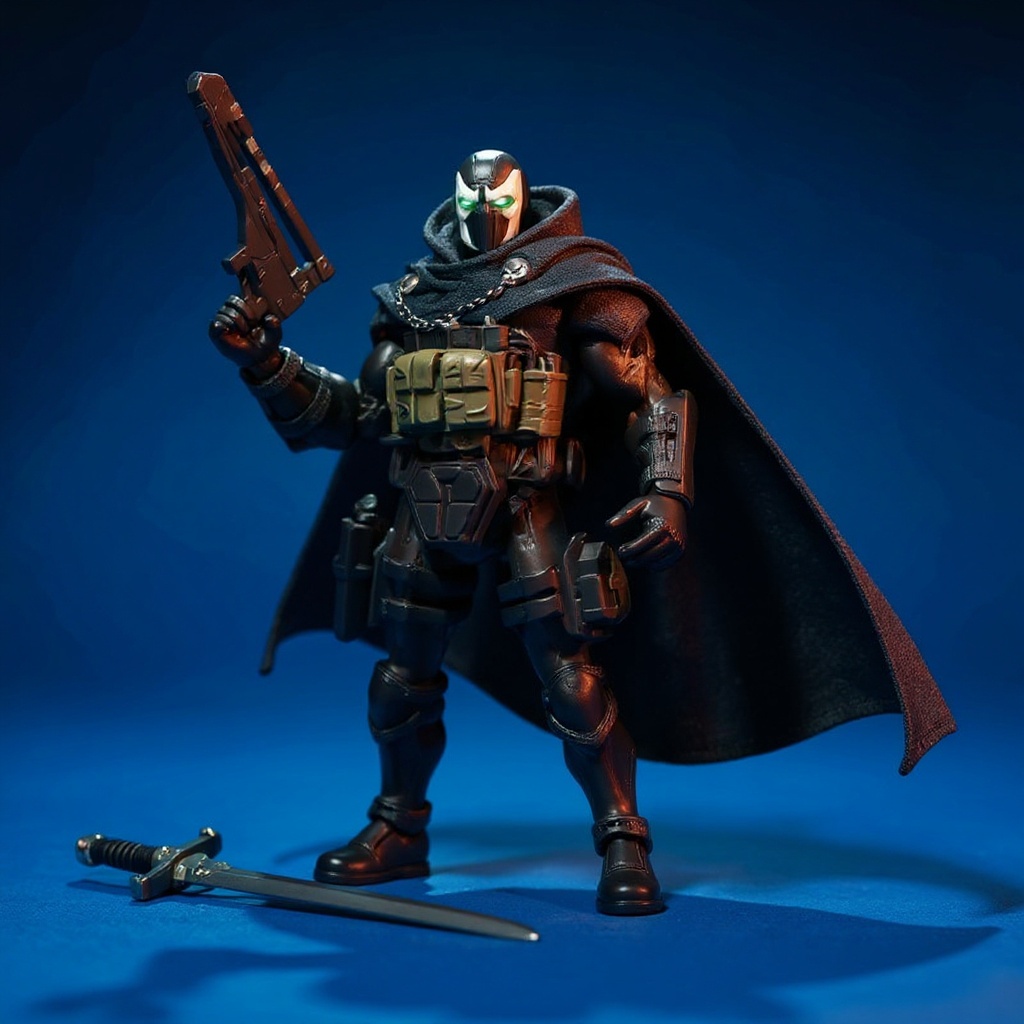
The internal wire frame is the entire reason a tactical soft goods cape earns its price tag. Malleable copper or aluminum wire, sewn into the hem and the leading edges, lets you push the cloak into a wind-caught flare or a low, dragging drape across a diorama base. Cheap versions use thick craft-store wire. It snaps. Sometimes on the third pose.
A well-built tactical cape usually mixes wire weights — heavier 26-gauge along the main spine of the cloak, lighter 30-gauge near the trailing edges for finer folds. Wire typically runs along 70-80% of the perimeter, leaving gaps on purpose so the fabric doesn't turn cardboard-stiff. This is the construction gap between a static plastic Batman cape and one that looks caught mid-leap. Our Tactical Replacement Cape Set for 7 Inch Action Figures uses this layered-wire approach, and the frames have held a crouched pose on my shelf for three months without drooping.
Honestly, if your figures live on a sunlit windowsill, skip fabric capes entirely. UV exposure fades matte dye and weakens wire-sewn thread faster than it fades injection-molded plastic — most collectors don't hear this from sellers.
Fabric Weight and Texture Comparison
| Fabric Type | Weight (oz/sq yd) | Best For | Durability |
|---|---|---|---|
| Ripstop Polyester | 1.5-2.5 oz | Tactical cloaks, matte military looks | High |
| Cotton Lawn | 3-4 oz | Structured tactical shoulders | High |
| Microfiber Twill | 2-3 oz | Dark-toned capes, low sheen | High |
| Silk Habotai | 2-3 oz | Flowing capes, not tactical use | Medium |
| Wool Crepe | 4-5 oz | Heavy winter cloaks | Very High |
| Polyester Chiffon | 1-2 oz | Ghost/ethereal effects, wrong weight for tactical gear | Low |
Texture matters as much as weight. Smooth silk builds a clean heroic silhouette — wrong tool for a tactical build. Textured ripstop and brushed microfiber read as gear, not costume, under camera light. Skip anything glossy. Shiny fabric photographs like a toy under three-point lighting, full stop.
Fabric choice also decides whether the cape fights your figure's articulation. Stiff cotton canvas can jam a shoulder joint mid-pose. Ultra-light chiffon won't sit right over bulky tactical armor accessories. Mid-weight ripstop blends split the difference — enough body to drape, not enough stiffness to fight the joint.
Attachment Methods and Fit Comparison
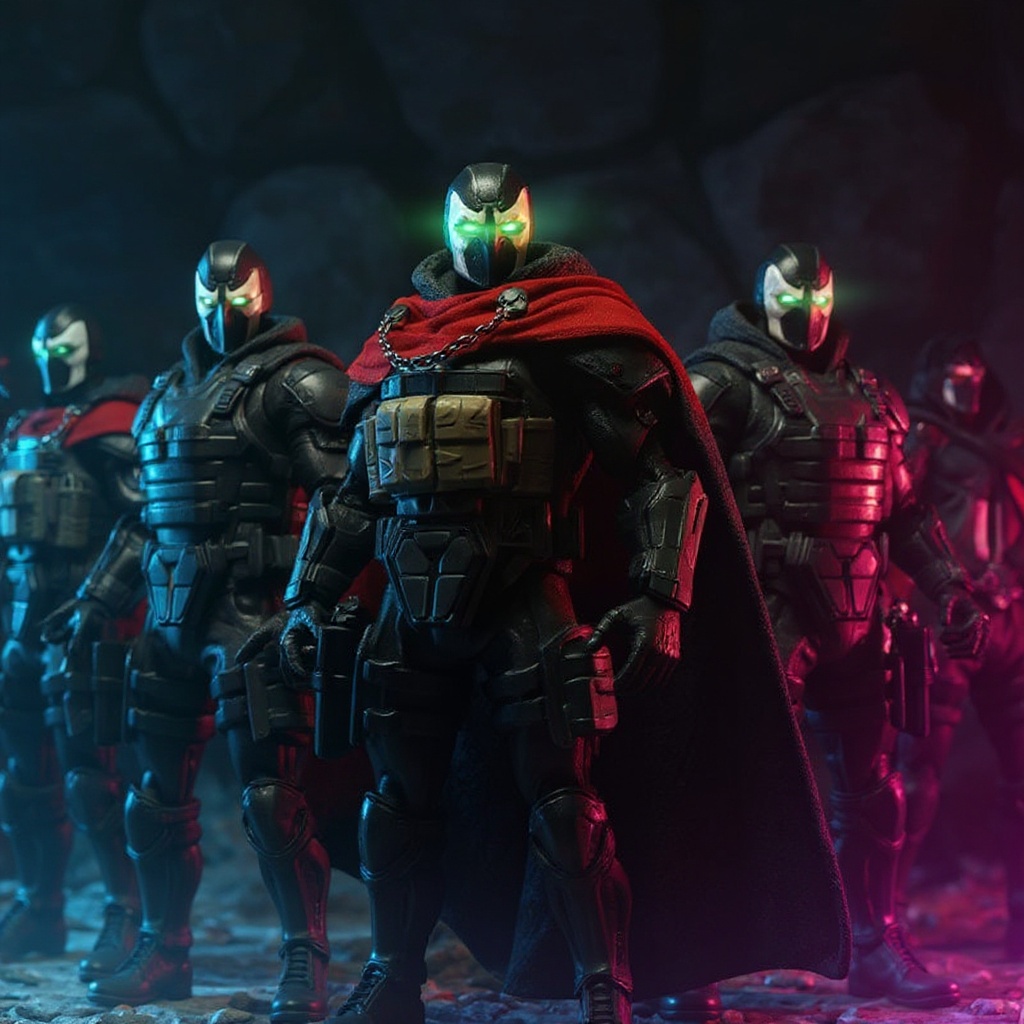
Proper attachment stops a cape from sliding mid-shoot while keeping your figure's paint job intact. Seven common methods, ranked roughly by how often collectors report using them:
1. Collar clips — fabric loops slipped over the neck, works on most 1/12 bodies 2. Shoulder straps — thin elastic under the arms, better for heavily articulated figures 3. Magnetic clasps — hidden magnets pairing with metal figure parts 4. Velcro patches — cheap, fast, collects dust within weeks on display 5. Button snaps — secure, no permanent modification, slower to attach 6. Tie strings — adjustable, but visible in close-up photography 7. Clip-on bases — plug into existing figure holes, line-dependent
| Attachment Type | Setup Time | Visible in Photos? | Figure-Line Compatibility |
|---|---|---|---|
| Collar clip | Under 10 sec | Rarely | Broad |
| Magnetic clasp | 15-20 sec | No | Limited to metal-jointed figures |
| Button snap | 30-45 sec | No | Broad |
| Velcro patch | Under 10 sec | Sometimes | Broad |
| Tie string | 20-30 sec | Often | Broad |
Figures with soft plastic bodies pair well with collar clips. Harder plastic or die-cast figures usually need magnetic or snap systems instead. Test any new attachment method on a lower-value figure first — stress marks on a $200 Mezco piece aren't worth saving thirty seconds.
Common Fit Issues Across Figure Lines
Marvel Legends figures run broader through the shoulders than Mezco One:12 bodies. Older Toybiz figures use an entirely different shoulder geometry. All three get marketed as 1/12 scale. None of them fit a cape the same way.
The most common complaints: capes sitting too high, creating a floating gap at the neckline, or hems dragging on the display base despite being labeled for 6-7 inch figures. Ball-jointed shoulders in particular leave a wedge-shaped gap where the cape won't sit flush against the back. Small fixes — a hidden fabric loop, a discreet pin on the interior seam — usually solve it faster than returning the product. If the cape runs too small for your main figure, it often looks better on a smaller body in your collection than forced onto the wrong frame.
Photography and Diorama Display
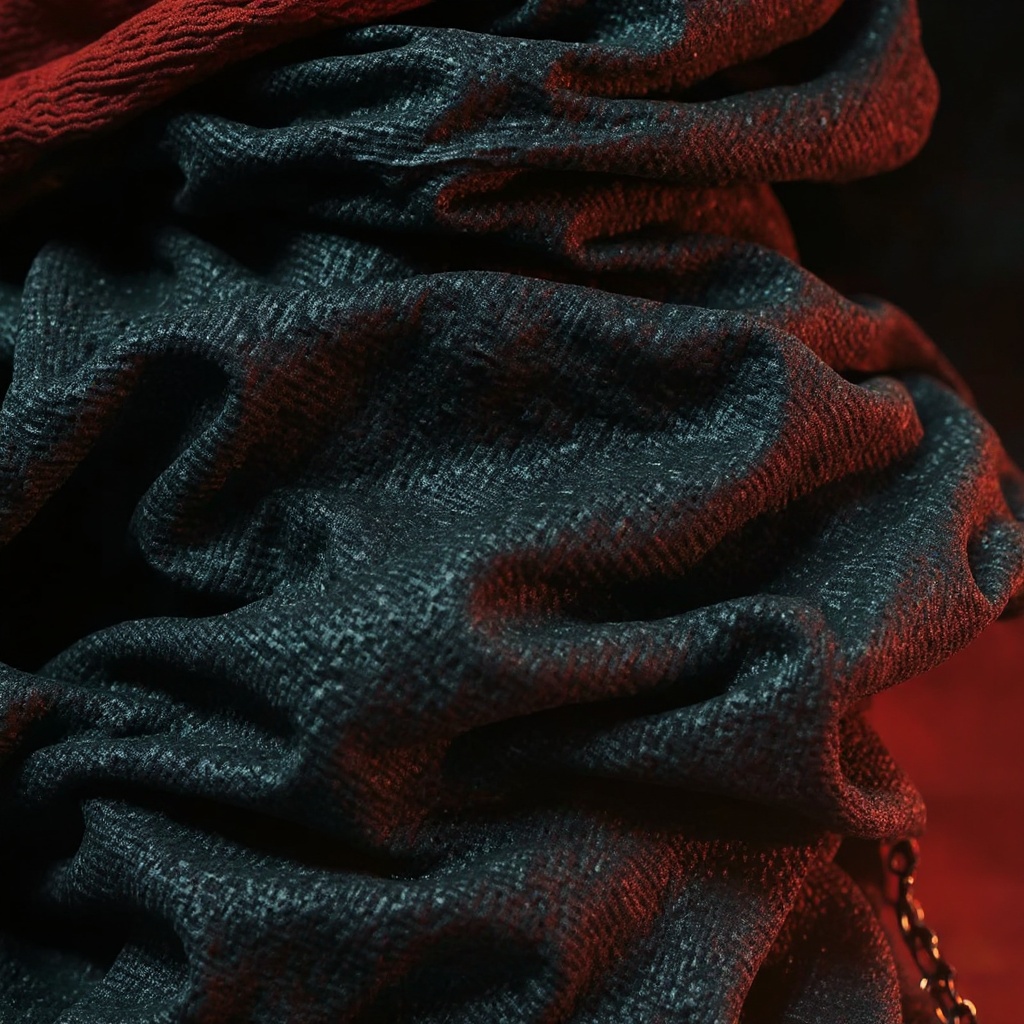
Soft goods capes earn their reputation in photos, where fabric folds catch light in a way molded plastic can't fake. Side lighting pulls out texture and fold depth. Backlighting against a diorama backdrop turns a tactical cloak into a hard silhouette — dramatic, cheap to set up, works with a desk lamp.
For static display, think about the cape's rest position — how it sits when nobody's touching the figure. A well-built wire frame holds a slight curve even at rest, so the display case shot doesn't look like a mannequin in a bedsheet. Photographers often hide small support wires behind the figure to hold a cape mid-flow for a single shot. This trick only works with fabric — plastic can't be gathered or pinned. Our tactical cape set, priced at $55.62, uses a matte weave specifically because reflective fabric blows out under three-point studio lighting. For broader lighting setups, this diorama lighting primer covers rigs that work with dark fabric without washing out shadow detail.
Maintenance and Long-Term Care
Fabric accessories need more attention than a plastic cape that just needs a wipe-down, but the routine is short. Wash a tactical soft goods cape this way:
1. Remove wire frame sections where possible, noting their position 2. Hand-wash in cool water with a small amount of mild detergent 3. Rinse until the water runs clear, no wringing 4. Lay flat on a towel, reshape the fabric while damp 5. Air dry fully before reinserting wire — heat from a dryer shrinks fabric and warps thin wire
Dust is the long-game problem, especially on textured ripstop. A soft brush every couple of months keeps the matte finish from looking gray. Rotate capes on displayed figures if you can; static poses held for a year leave creases that don't fully release.
Wire frames wear out. After roughly 50-100 major pose changes, expect kinks, wire tips pushing through the hem, or a frame that won't hold a bend anymore. When that happens:
1. Snip the old wire free from the hem stitching 2. Measure the removed length against fresh 28-30 gauge wire 3. Feed the new wire through the same channel 4. Re-stitch the hem opening with a matching thread weight 5. Test-bend gently before posing on the actual figure
Most handmade cape sellers, including our repair kit line, offer replacement wire sized for 1/12 scale hems if you'd rather not source it from a craft store.
FAQ
Is 7 inches 1/12 scale? Yes. A 7-inch figure represents roughly a 7-foot person under 1:12 scale math. Most "6-inch" lines actually range from 6 to 7.5 inches depending on the character's canon height, and all of them get treated as 1/12 scale for accessory sizing. What is soft goods in action figure customizing? Fabric-based accessories — capes, cloaks, belts, holsters — sewn from cloth instead of molded from plastic. The category exists specifically because fabric drapes and poses in ways rigid plastic physically can't. How do you pose a wired fabric cape without breaking it? Bend in small increments, working outward from the attachment point. Avoid re-bending the same spot more than a few times per session. A properly built 28-30 gauge frame handles 50+ pose changes before showing stress. Do soft goods capes fit all 7-inch figures the same way? No. Marvel Legends, Mezco One:12, and DC Multiverse figures each use different shoulder widths and back sculpting, even at the same nominal scale. Check our scale fit guide before ordering for an unfamiliar figure line. Does this cape come with a figure included? No. Soft goods capes sell as standalone accessories — you supply your own 6-7 inch figure. Every listing states this to head off return requests. How do I care for a handmade fabric cape long-term? Hand wash in cool water, air dry flat, remove wire before washing when the construction allows it, and brush off dust every few months. Skip the dryer entirely. Are handmade capes worth paying more for compared to stock plastic ones? For collectors who photograph their figures regularly, yes — the pose range alone justifies $15-$55. For a shelf display that never gets touched, a stock plastic cape at $0 extra cost does the job fine. What gauge wire should I look for in a tactical cape? 28-30 gauge for detail edges, 26 gauge for the main structural spine. Anything thicker than 24 gauge tends to show through matte fabric as a visible ridge. How long does a wire frame actually last? Expect 50-100 major pose changes before kinking starts. Light display use — pose it once, leave it for months — can stretch that lifespan past a year.Conclusion
A seven inch scale figure soft goods cape built around a dark, tactical aesthetic comes down to three trade-offs: pose range versus plastic durability, matte realism versus washable convenience, and budget versus the wire-frame construction that makes the whole thing worth buying. None of this matters if you never photograph or repose your figures — in that case, save the money and keep the stock plastic cape.
For collectors ready to shoot dioramas with a cloak that actually catches wind-blown light, browse the Tactical Replacement Cape Set for 7 Inch Action Figures built for that exact use case.

