


Why Fit Comes Down to Shoulders and Neck, Not Scale
Scale gives you height. A 6-foot person at 1/12 becomes 6 inches. That's all it tells you.
Shoulder span, neck width, head size and arm thickness differ between figure lines, and those are the numbers a cape collar or hood has to match. A cape cut for a broad, bulky body can slide off a slim one. A tailored collar can refuse to close around a chunky neck joint. Soft goods forgive more than hard plastic does, since fabric bends and wire reshapes. Forgiveness has limits.
The table gives fit notes, not millimetres. Check each maker's product page (Hasbro Pulse for Marvel Legends, Tamashii Nations for S.H.Figuarts) and then measure your own figure.
| Figure line | Maker | Build | Cape and hood fit note |
|---|---|---|---|
| Marvel Legends | Hasbro | Broad shoulders, heroic bulk | Needs a roomy collar around chunky shoulder joints |
| Mafex | Medicom Toy | Leaner, realistic proportions | Tailored capes sit cleanly; oversized collars slip |
| S.H.Figuarts | Bandai Tamashii Nations | Slim, stylized, small joints | Light fabrics drape best; heavy hoods pull at the neck |
| One:12 Collective | Mezco | Cloth-friendly body, runs a little taller | Check neck and shoulder before buying |
| DC Multiverse (7-inch) | McFarlane Toys | Larger than 6-inch scale | 6-inch capes ride short; not a true match |
How to Measure for 1/12 Scale Figure Clothing Accessories in 5 Steps
You need a ruler or digital calipers, a strip of paper and five minutes.
1. Shoulder width. Measure straight across the outer edges of the shoulder joints, with the arms hanging down. 2. Neck base. Wrap a paper strip around the base of the neck, mark the overlap and measure the strip. This sets the collar length. 3. Head height. Measure from the chin to the top of the head sculpt. A hood that is too shallow rides back and shows the face's edge. 4. Cape length. Measure from the base of the neck to where you want the hem: knee, ankle or floor-pooling. 5. Paper test. Cut a rough cape shape from printer paper and tape it on. If it won't close or sits crooked, the cloth version won't either.
Send those numbers to the maker before you order. A good seller answers within a day. A seller who won't answer is giving you information too.
What 1/12 Scale Figure Clothing Accessories Cost by Tier
Prices contradict each other across articles because they compare different units. A single plastic cape and a full accessory pack are different purchases. Here they are split out.
| Tier | Typical price | Material | Posing | Best for |
|---|---|---|---|---|
| Single plastic accessory | $5-15 | Molded PVC or similar | Fixed shape | Shelf display |
| Mass-market accessory pack | $20-45 | Plastic plus extra hands, gear | Fixed shape | Filling out a figure |
| Basic handmade soft goods | $35-60 | Light cotton or synthetic | Drapes with gravity | Simple cloaks, belts |
| Multi-piece handmade outfit | $80-150 | Mixed fabrics | Moves with the body | Custom character builds |
| Wire-framed cape with hood | $90-150 | Cloth plus internal wire | Holds dramatic poses | Photography, dioramas |
The Figure Vault lists its 1/12 Scale Devil Demon Cape with bendable wire at $111.25. That sits inside the wire-framed tier, and you should compare it to other sellers, not take our word that it's fair. Labor drives the price: hand-cutting, hemming a tiny hood, threading wire through narrow channels. Small batches cost more than injection molding. Always.
Where to Buy
Entertainment Earth and BigBadToyStore carry official accessory packs with consistent quality. Etsy hosts independent soft-goods makers, with a wide quality range, so read reviews and ask for photos on a figure that matches yours. Specialty retailers such as Monkey Depot and Cotswold Collectibles stock third-party gear. Action figure collectors on Reddit swap maker recommendations, and figures.com is another place to look for collector discussion. You can also browse all Figure Vault products or read the Figure Vault blog for more fit notes.
Hard Plastic vs. Soft Goods
Most action figures ship with molded plastic extras. They're durable. A plastic cape that has sat on a shelf for ten years still has its sculpted folds. But it hangs in one arc and can't billow, wrap an arm or pool on a base.
Fabric does those things. It bunches at the elbow, catches light on its weave and casts soft shadows that plastic can't fake.
Honestly, though, if you keep figures in a damp room, or you pose a figure once and never touch it again, skip the fabric. Plastic wins on cost and survival. Cloth can smell musty, fade in sunlight and fray at cut edges. Wire can snap after the same crease is bent over and over. Buy soft goods only if you'll use what they do.
Weight matters too. Heavy canvas looks like a rug at this size. Light cotton or fine synthetic weaves look right.
What to Look For in a Wire-Framed Gothic Cape
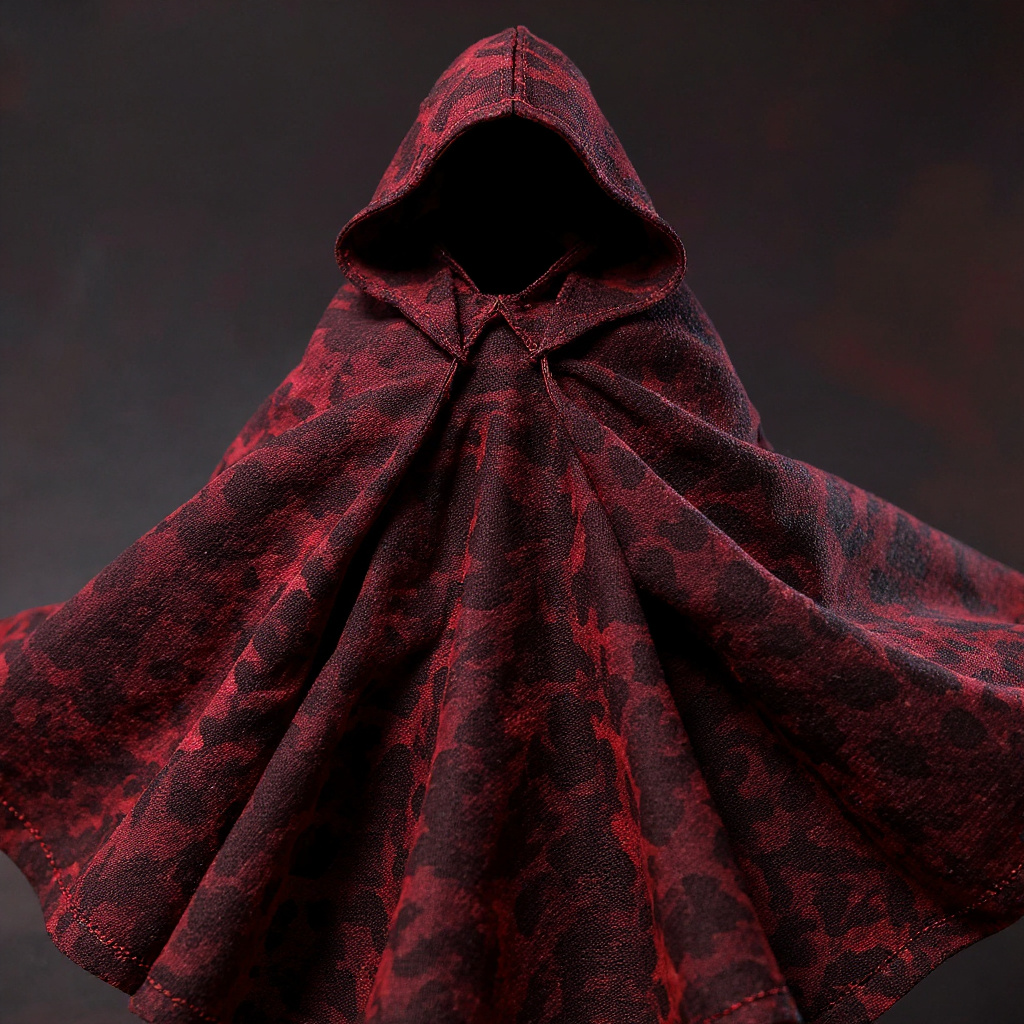
A wire-framed cape hides a thin, bendable armature inside the fabric edges and folds. You bend the wire; the cloth follows. That's how a cape can look caught in wind or wrapped around a shoulder.
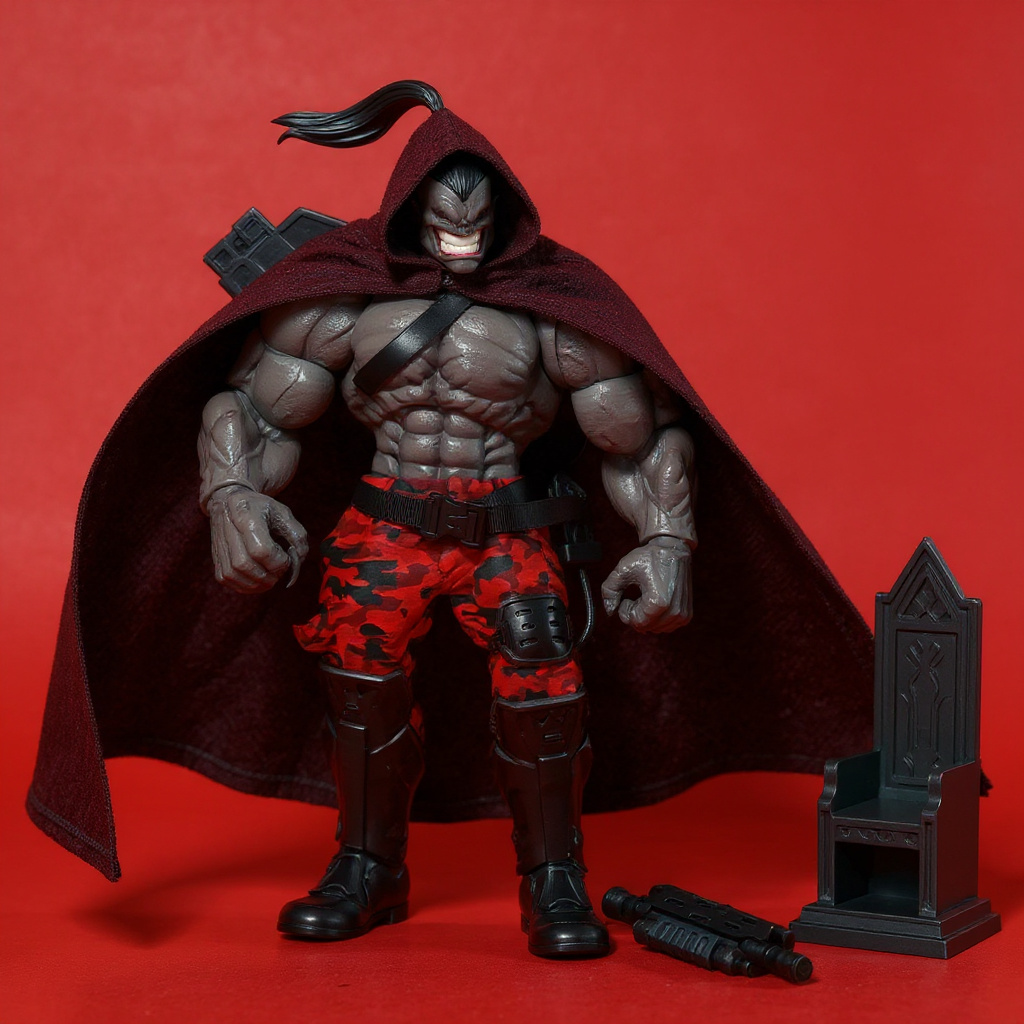
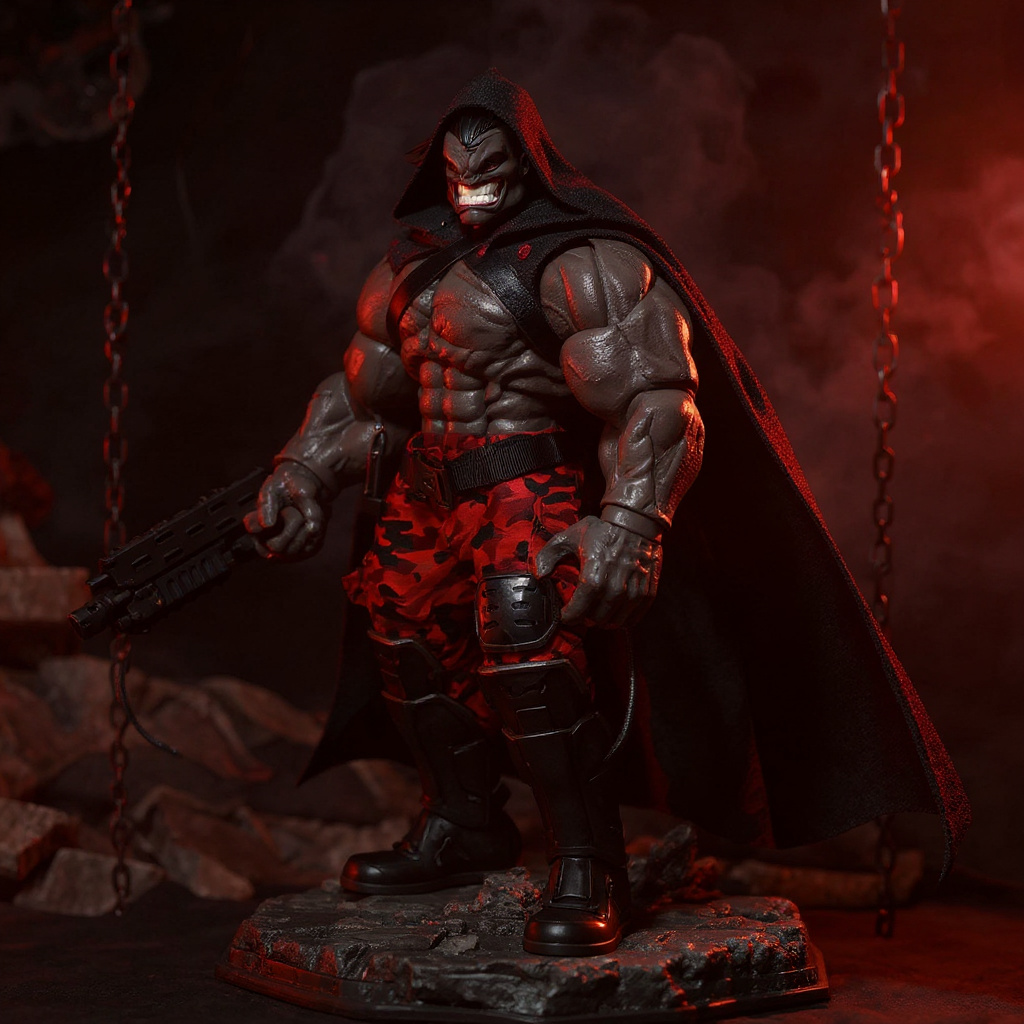
Our devil cape is black and deep-red flowing cloth with textured folds and creases, an attached hood and internal wire. It is built for a dark, gothic demon look on 6-inch figures. It can be draped on a figure or posed beside one. Whatever you buy, check these:
- Attached hood. Sewn hoods stay put. Loose ones shift every time you move the head. - Finished wire ends. Folded or capped ends keep metal off your paint. - Lightweight cloth. Heavy fabric overwhelms the wire and sags. - Collar tie or clasp. It must close around your figure's neck without strain. - Visible fold texture. Creases should look like fabric at 1/12, not like a bedsheet.
Posing a Wire Cape in 4 Steps
1. Seat the collar at the base of the neck and close the tie before bending anything. 2. Shape the main sweep of the wire first, with gentle curves. 3. Add smaller folds by pinching the cloth along the wire, working from shoulders to hem. 4. Step back and check the silhouette from the camera angle you'll actually use.
Sharp 90-degree bends add stress. Rounded curves last longer.
Beyond Capes: Other 1/12 Scale Figure Clothing Accessories
Capes get attention, but 1/12 scale figure clothing accessories also include belts, holsters, bandoliers, bracers, scarves, hoods and weapon rigging such as sheaths and shoulder straps. Belts and straps need the same waist and chest numbers you took earlier, plus room for a figure's hip joints to rotate. Holsters should fit the actual weapon you own, so measure it. Leather-look pieces in thin synthetic suede or faux leather hold up better at this size than real leather, which is thick and stiff.
DIY vs. Buying
Materials for one cape are cheap: fabric, thread and thin craft wire run about $15-25 by our estimate. The real cost is time. Miniature seams bulk up fast, and a hood with a curved seam at 1/12 is fussy work. If you already sew small, try it. If you don't, buy your first piece and study how it was built.
FAQ
How big is a 1/12 scale figure?
A 1/12 scale figure stands about 6 inches tall, because 1 inch stands in for 1 foot. Real figure heights vary a little by maker and release, and shoulder width, neck size and limb thickness vary more. Measure your own figure before buying clothing or a cape.Will a cape made for Marvel Legends fit a Mafex or S.H.Figuarts figure?
Often, yes, with adjustments. Capes tolerate size differences better than tailored jackets, because fabric and wire can be reshaped. Leaner bodies may make a wide collar slide, and bulky figures can strain a narrow neck tie. Compare the collar width to your figure's shoulder width first.How much should a good 1/12 scale cape cost?
Plastic capes run about $5-15 alone. Basic handmade fabric capes sit near $35-60. Wire-framed capes with hoods and layered fabric cost around $90-150, and The Figure Vault Devil Demon Cape lists at $111.25. Higher cost reflects hand sewing, wire insertion and small batches, not a guarantee of fit.Does the wire inside a cape damage the figure?
Well-finished wire should not. Look for soft, thin wire with capped or folded ends that stays inside the fabric, away from paint contact points at the shoulders and neck. Avoid bending the same crease repeatedly, because metal hardens with use and can snap. Check the collar for rough seams.Where can I buy 1/12 scale figure clothing accessories?
For mass-market packs, try Entertainment Earth and BigBadToyStore. For handmade soft goods, look at Etsy and independent shops like The Figure Vault. Collector groups on Reddit's r/actionfigures share maker recommendations. Always ask for shoulder and neck measurements, plus photos on a figure similar to yours.Is there a standard rule for clothing ease on 1/12 figures?
No official industry standard exists that we can cite. As a working guideline, leave a small gap at joints so arms can move, and test with a paper pattern first. Treat any rule you read, including ours, as a starting point and adjust to your specific figure.How do I keep a fabric cape from fraying or fading?
Keep it out of direct sunlight, which fades dark reds first. Dust it with a soft brush and avoid damp rooms. Store it loosely, not folded tight, or creases will set into the fabric. Hemmed or sealed edges resist fraying, so ask makers how edges are finished.Conclusion: Choose by Fit, Then by Use
Good 1/12 scale figure clothing accessories start with your figure's measurements, not the scale label. Measure first. Match the price tier to how you'll display the piece: plastic for shelves, handmade cloth for photos and dioramas, wire-framed capes if you want dramatic poses. If a black and deep-red hooded cape suits your demon or devil build, you can see the 1/12 Scale Devil Demon Cape and compare it against other makers, or visit The Figure Vault for sizing questions before you order.

