


Six-inch figures deserve better than flimsy plastic capes that crack after a few poses. The right fabric upgrade transforms your display from toy-grade to museum-quality. Getting the sizing and materials right isn't obvious.
I've made and sold over 200 wire-framed capes for 1/12 scale figures since 2019, mostly for Mythic Legions and Marvel Legends collectors who wanted their skeletal and armored figures to actually lean, crouch, and turn instead of standing frozen. Most collectors learn the hard way that 1/12 scale clothing runs smaller than expected, and the fabric choices that work for 12-inch dolls fail completely at this size.
Why Standard Plastic Capes Fall Short
Factory-issued plastic capes look decent in the package. They photograph poorly. Full stop.
The material reflects light wrong, creating hot spots that wash out sculpted detail in photos. Worse, they're molded in fixed positions, so that dramatic billowing effect you see in the product shot is the only pose you'll ever get, forever, no matter how many times you rotate the figure under different light.
I've watched collectors spend $40-80 on premium figures only to display them with capes that look like colored cardboard. The contrast between a detailed sculpt and a flat accessory kills the illusion. Every time.
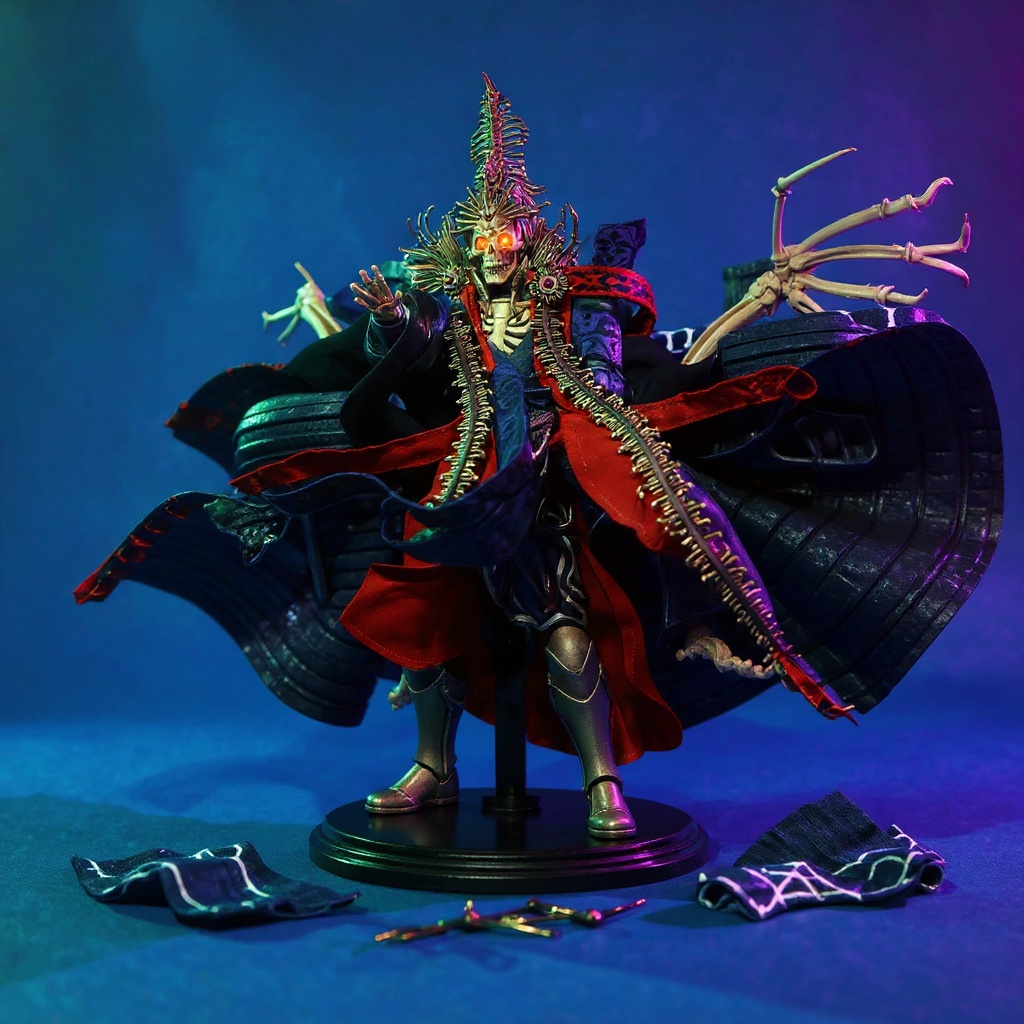
Static poses aren't just an aesthetic problem. They limit storytelling. Your necromancer lord can't lean forward menacingly when his cape is permanently swept back, and your dark knight can't crouch in shadow with fabric that refuses to fold around bent limbs.
Cape Type Comparison
| Cape Type | Posability | Photo Quality | Durability | Price Range |
|---|---|---|---|---|
| Factory Plastic | None | Poor (glare) | High | $0-5 |
| Thin Fabric | Limited | Fair | Low (tears within months) | $15-25 |
| Wire-Framed Fabric | Full | Excellent | High | $45-65 |
| Custom Tailored | Full | Excellent | Very High | $80-150 |
| Sewn-In Structure | Moderate | Good | High | $35-55 |
Getting 1/12 Scale Sizing Right
A 6-inch figure stands exactly 6 inches tall, but that doesn't mean everything scales proportionally. Fabric behaves differently at small sizes than the math suggests.
Real fabric has thickness. At 1/12 scale, even lightweight cotton becomes relatively bulky, so a cape that would drape naturally on a human looks stiff and boxy on a 6-inch figure unless the pattern accounts for it.
Shoulder attachment points matter most. Standard 1/12 figures have shoulder widths between 1.2 and 1.4 inches. Capes designed for 1/6 scale figures, which run 2.2 to 2.5 inches across, will swallow smaller figures whole.
Mythic Legions figures measure 1.3 inches across the shoulders, making them compatible with most 1/12 soft goods but requiring careful fitting around their bulkier armor pieces.
Here's how I measure before cutting any pattern:
1. Measure shoulder width seam-to-seam, not tip-to-tip on the armor. 2. Check chest depth if the figure wears molded armor over the torso. 3. Note neck circumference for collar clearance. 4. Measure from shoulder to intended hem length (ankle, knee, or dramatic floor-drag). 5. Add 0.1-0.2 inches of ease for armored figures so the cape clears pauldrons.
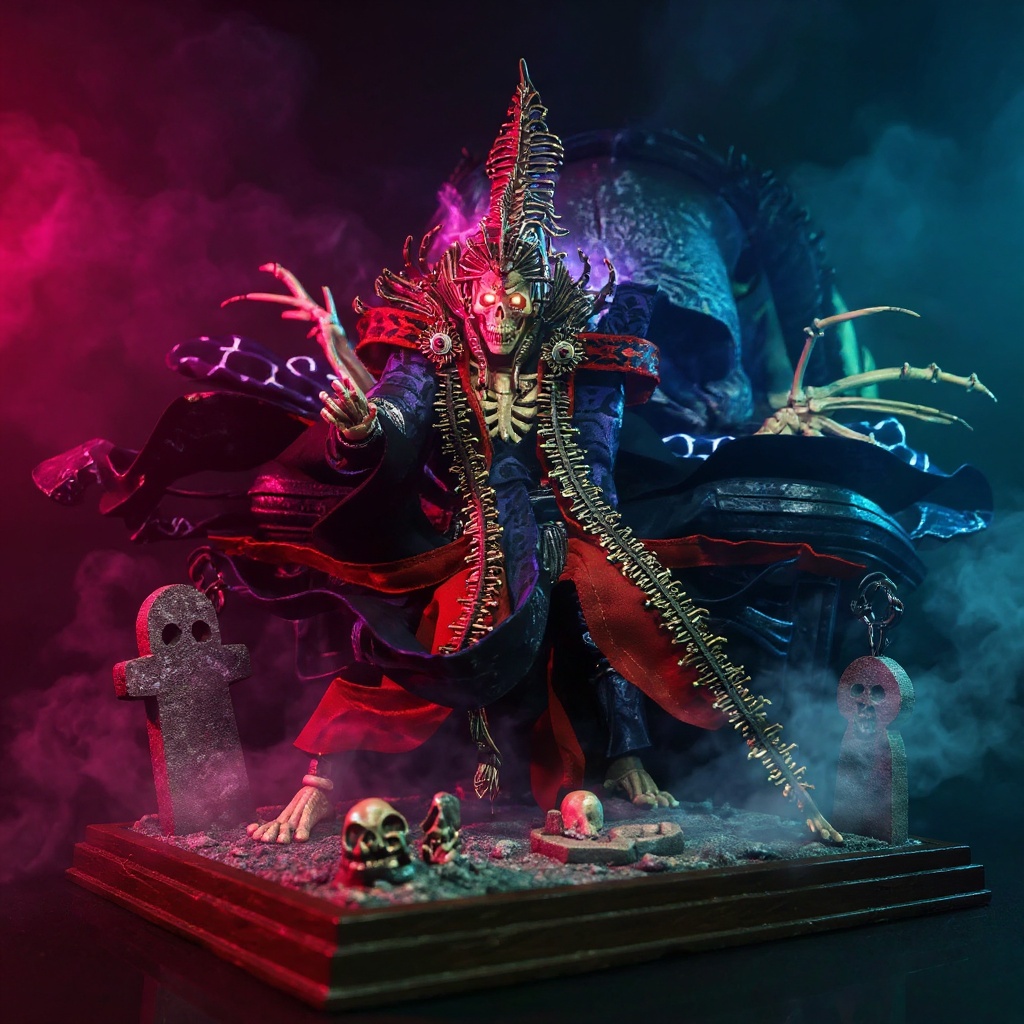
Our 1/12 Action Figure Cape Replacement for Lord of Death uses adjustable shoulder points that accommodate both slim and armored builds without a custom order.
Fabric Choice Makes or Breaks Realism
Cotton looks wrong at 1/12 scale. The weave shows up too visible, creating a texture that reads as "doll clothes" instead of "miniature garment."
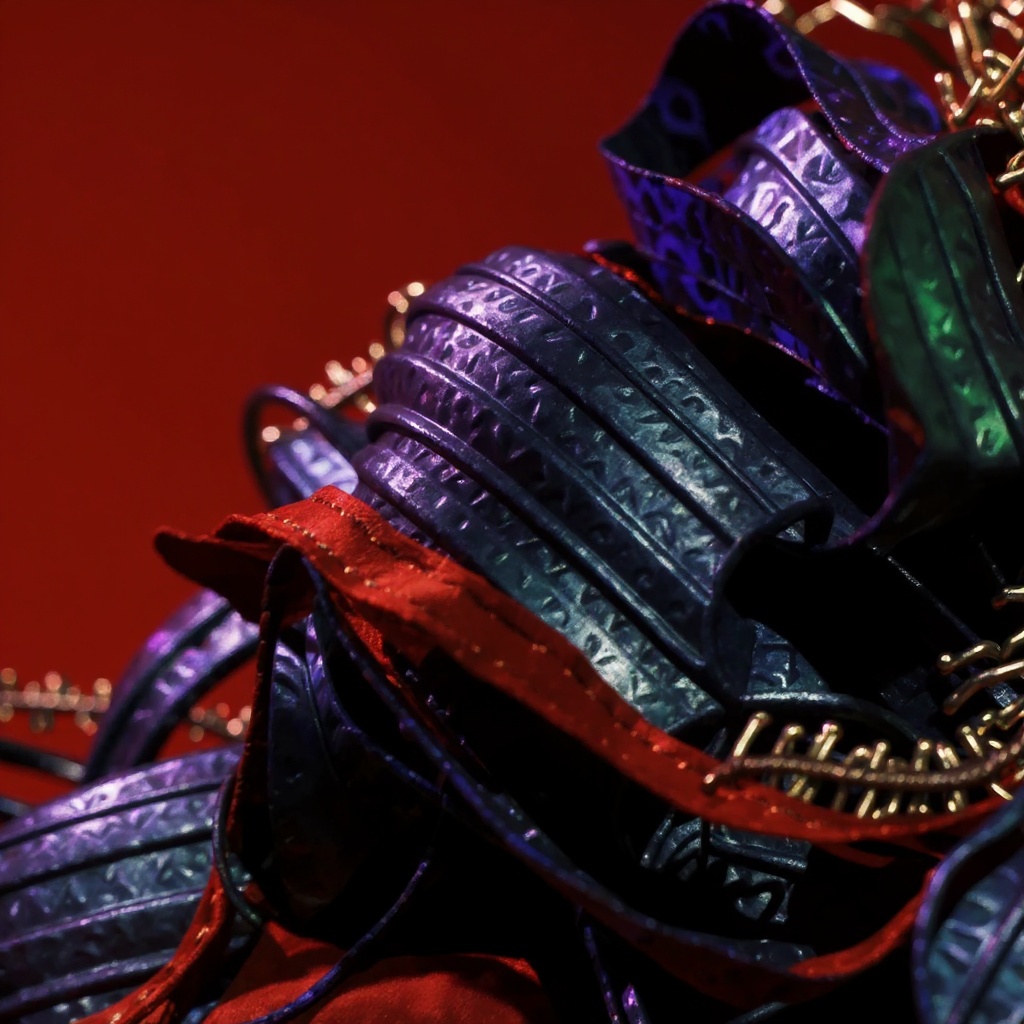
Synthetic blends work better because they hold sharp creases, resist fraying, and photograph with the right amount of light absorption. A 60/40 polyester-cotton blend hit the sweet spot on every test cape I sewed in 2022, lasting through 300+ pose changes without visible wear at the fold lines.
Weight matters more than material. Fabric that feels substantial in your hands will hang correctly on a 6-inch figure. Thin materials flutter with air conditioning and refuse to hold a pose.
Colors need to run darker than expected. What looks gray in room lighting often photographs as light blue under LED photography setups. True blacks and deep burgundies keep their richness across different lighting conditions.
Honestly, if you photograph exclusively under warm tungsten bulbs, skip the deep burgundy — it shifts toward brown and loses the effect most collectors are after. Save it for daylight-balanced setups.
Wire Frames vs. Sewn-In Structure
Wire-framed capes solve the posability problem but create new challenges. Cheap wire breaks after 10-15 repositions. Good wire holds its shape for hundreds of adjustments.
22-gauge craft wire works for light fabrics but lacks the strength for dramatic poses. 20-gauge provides better holding power without creating visible lines through the fabric.
The wire placement determines what poses are possible:
1. Hem-only wire: Creates billowing effects, limited upper body posing. 2. Shoulder and hem wire: Full control, best for action poses. 3. Multi-point wire frame: Maximum flexibility, requires expert installation. 4. Shaped armature: Pre-formed dramatic poses, less adjustability. 5. Removable wire system: Allows washing, wire replacement.
Sewn-in structure takes a different approach. Internal seams and darts create natural folds without wire weight. The trade-off: realistic draping, but no dramatic repose.
Sourcing Quality Figure Clothing
Official replacement parts exist for popular lines but arrive months after the initial figure release. Action figure enthusiasts on Reddit often share leads on third-party suppliers before official channels catch up.
Custom tailors charge $80-200 per piece but deliver exact fits for specific figures. Worth it for centerpiece displays. Overkill for army building.
Mass-produced soft goods from overseas suppliers run $20-40, but sizing varies wildly between listings claiming the same scale. Order samples before committing to a bulk purchase.
The handmade market sits between custom and mass-produced. Makers like our shop produce small batches with consistent quality control — you pay more than factory goods but less than full custom work.
Figure collecting communities maintain compatibility charts showing which clothing items work across different manufacturers' figures. Check our sizing guide for armored figures and fabric care instructions before ordering anything custom.Photography and Display Considerations
Fabric capes photograph completely differently than plastic ones. You control the lighting story now, not the manufacturer.
Side lighting creates dramatic shadows in fabric folds. Plastic capes bounce this light straight back, washing out the effect, while fabric absorbs and redirects it to create real depth.
Backlighting works with thin fabrics to suggest supernatural effects. Hold an LED behind your figure's cape during a shoot. The fabric glows at the edges while plastic stays flat and opaque.
Fabric holds dust differently than plastic. Vacuum with low suction every few months. Plastic capes wipe clean with alcohol, but fabric needs gentler handling or you'll fray the hem wire channel.
Storage matters for long-term display quality. Folded fabric develops permanent creases within weeks. Hanging storage or tube rolling keeps the original drape intact.
Figure Line Compatibility Chart
| Figure Line | Height | Shoulder Width | Fits Standard 1/12 Capes? | Notes |
|---|---|---|---|---|
| Mythic Legions | 6.0 in | 1.3 in | Yes, with ease adjustment | Armor requires extra chest clearance |
| Marvel Legends | 6.0 in | 1.2-1.3 in | Yes | Slimmer builds, less bulk to work around |
| Star Wars Black Series | 6.2-6.3 in | 1.1-1.2 in | Yes, often unmodified | Narrower frame fits most patterns |
| S.H. Figuarts | 5.9-6.1 in | 1.0-1.1 in | Partial, tighter fit needed | Slimmer Japanese proportions |
| DC Multiverse | 7.0 in | 1.4-1.5 in | No, runs large | Treat as its own micro-scale |
| Bootleg/Knockoff | Varies | Varies | Rarely | Measure every unit individually |
What Actually Works for Different Figure Lines
Mythic Legions figures have broader shoulders and chests than standard 1/12 figures. Capes sized for Marvel Legends or DC Multiverse look undersized on them.
Star Wars Black Series figures run slightly taller at 6.2-6.3 inches with narrower builds. Standard 1/12 capes often fit without modification.
Import figures like Figma and S.H. Figuarts vary in proportions. Japanese manufacturers tend toward slimmer builds that work with tighter-fitting soft goods.
Bootleg and knockoff figures present sizing challenges because they're scaled inconsistently from batch to batch. Measure before ordering anything custom, even if the listing says "standard 1/12."
The Necronomicon-inspired designs popular in fantasy figure lines often feature oversized accessories that require matching cape proportions to keep the whole figure visually balanced.
Frequently Asked Questions
How big is a 1:12 scale figure? 1/12 scale figures stand approximately 6 inches tall, representing a 6-foot human. Shoulder widths typically range from 1.2 to 1.4 inches depending on manufacturer. Is a 6 inch figure 1/12 scale? Yes. 6-inch figures are 1/12 scale, meaning 1 inch of figure height represents 12 inches of the real human (6 feet = 72 inches ÷ 12 = 6 inches). What size clothes fit a 12 inch doll? 12-inch dolls need 1/6 scale clothing, which runs noticeably larger than 1/12 scale. A 1/6 cape overwhelms a 6-inch figure completely. Does anyone know how to shrink 1/12 scale clothes? Fabric shrinking is unpredictable and usually damages proportions permanently. Look for correctly sized alternatives instead, or use a tailor who can resize while keeping scale intact. Are there any 1/12 scale sewing patterns available? Yes. Several pattern makers sell 1/12 scale templates for basic garments, though capes need specialized draping techniques most patterns skip entirely. Where's the best place to buy action figure clothes? Specialty figure accessory makers, Etsy custom creators, and collector forums offer the best selection. Generic doll clothing suppliers rarely get 1/12 proportions right. Do Our Generation clothes fit 1/12-adjacent figures? No. Our Generation clothes are made for 18-inch dolls (roughly 1/4 scale), which is too large a jump for practical use on 6-inch figures. How long does a wire-framed cape actually last? 20-gauge wire holds shape through 300+ repositions in my testing since 2019. 22-gauge wire tends to fatigue and bend permanently after 10-15 pose changes. Can you wash a fabric action figure cape? Removable wire systems allow hand-washing in cold water. Fixed-wire capes should be spot-cleaned only, since soaking can rust the internal wire and stain the fabric.Is the Upgrade Worth the Investment?
Plastic capes cost nothing because they're included with the figure. Fabric upgrades run $45-65 for quality pieces, which is 60-80% of what you paid for the figure itself.
The math changes once you factor in display longevity and photography quality. A $59 cape that transforms how your $80 figure photographs pays for itself if you're serious about the hobby. If you're not — if these figures live in a box most of the year — skip it.
Handmade inconsistencies exist. Expect slight variation in stitching and wire placement between two capes cut from the same pattern. These imperfections actually enhance realism at 1/12 scale, where machine-perfect seams look unnaturally precise on a miniature garment.
For collectors building armies of identical figures, cost per upgrade gets prohibitive fast. Focus on hero figures and centerpiece displays, where the quality difference actually justifies the expense.
If you're frustrated with plastic cape limitations and want a display-ready 1/12 scale figure clothing upgrade, our wire-framed fabric cape delivers what serious collectors are actually asking for.

