


McFarlane Batman figures and McFarlane Toys are the same company. No rebrand, no sister studio, no licensing subplot — just one Todd McFarlane-owned business releasing Batman under different product names. The confusion happens because collectors talk about individual Batman releases ("McFarlane Batman figures") separately from the company's entire catalog ("McFarlane Toys"), and that habit makes people assume there's a corporate split where none exists.
McFarlane Toys picked up the DC figure license from Mattel in 2020. Todd McFarlane's company has produced everything since — single-carded Batman variants, six-figure boxed sets, deluxe releases with vehicles — all under one DC Multiverse umbrella. When people frame this as McFarlane Batman figures vs McFarlane Toys, they're really asking about product tiers within a single lineup, not competing brands fighting for shelf space.Todd McFarlane owns the whole operation
Yes. Fully. He founded the company in 1994 after leaving Image Comics, where he co-created Spawn, and he's held onto ownership through every license shift since.
The DC deal came much later. Mattel held DC figure rights for years before McFarlane secured the license, and the handoff around 2020 brought immediate, visible changes — sculpt detail jumped, articulation tightened in some joints and loosened in others, and prices climbed. McFarlane's figures lean into movie-accurate proportions rather than the rounder, more animated look Mattel favored.
The company now works across a few scales: 7-inch DC Multiverse as the flagship line, occasional 12-inch releases, and specialty drops tied to specific films or comics. Batman dominates the release calendar. He sells. That's the whole explanation.
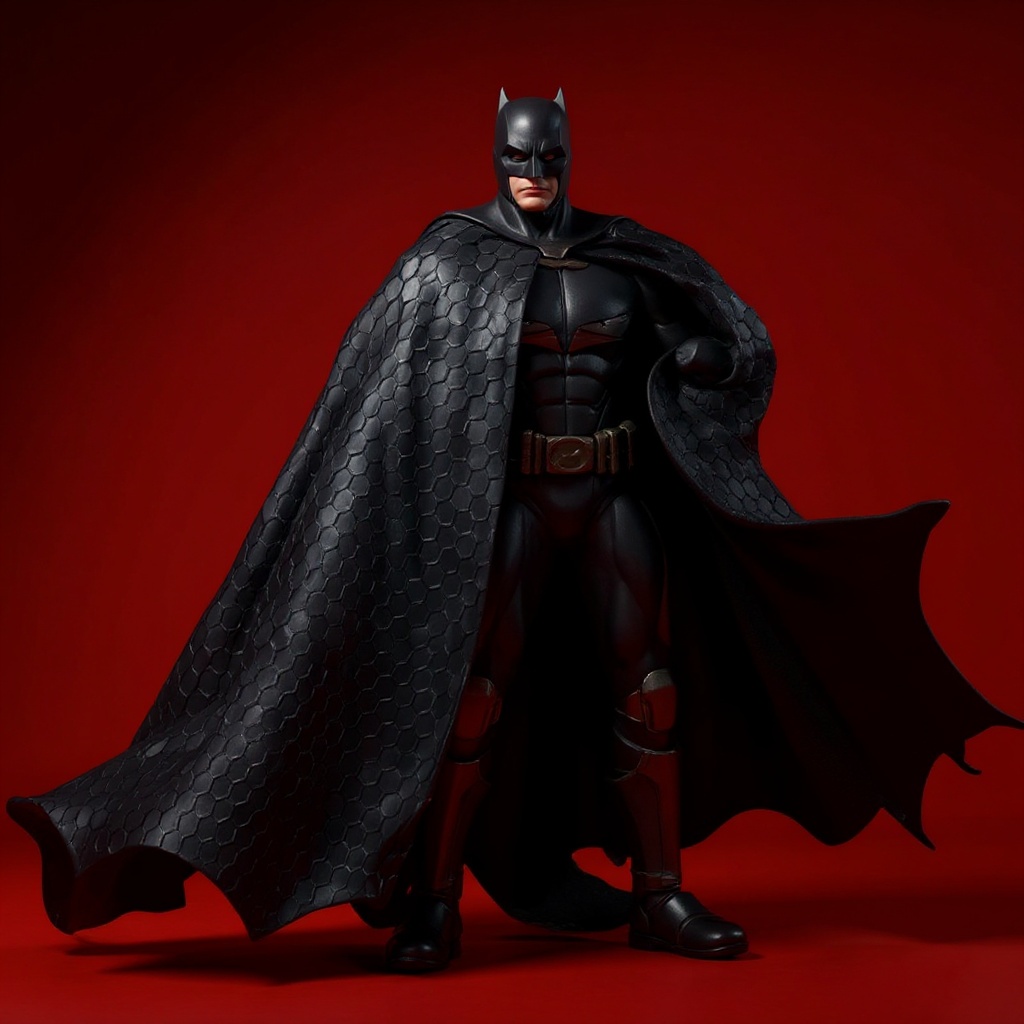
McFarlane's Batman lineup breaks into four product types
McFarlane doesn't run separate Batman "brands." It runs product tiers:
1. Single figures. One Batman variant per blister card, based on a specific movie, comic run, or animated series, packaged with movie-accurate box art and a couple of character-specific accessories. 2. Multi-packs. Several figures bundled together, often built around a theme — different Batman suits across films, for instance — sold at a lower per-figure cost than buying singles. 3. Deluxe releases. A single figure plus a larger accessory: a vehicle piece, a diorama base, or build-a-figure parts that combine across a wave. 4. Exclusives. Convention variants or retailer-specific colorways built on the same base sculpts, just repainted.
The McFarlane Toys DC Multiverse Batman Ultimate Movie Collection 6-Pack sits in the multi-pack tier. Six 7-inch articulated figures in matte black and grey suits, standing together on a shared display base, each with its own individually sewn fabric cape that drapes differently depending on the pose. A small illuminated-style Bat-Signal prop comes in the box too — more on that below, because it's not actually wired to light up.
Why collectors keep mixing up the branding
Say "McFarlane Batman figures" and most collectors picture a specific release. Say "McFarlane Toys" and they picture the whole catalog — Batman, Superman, Spawn, everything. It's the same distinction as "Ford F-150" versus "Ford Motor Company," except toy forums rarely bother to clarify which one they mean.
Reddit threads make it worse. Someone posts a paint-flaw photo from a Batman figure, three replies later someone's talking about the Superman wave, and a newcomer walks away thinking these are competing companies. They aren't. The "DC Multiverse" name doesn't help either — it's the official line name, but collectors shorthand it to "McFarlane Batman" or "McFarlane DC" depending on mood.
I spent about six months buying and unboxing DC Multiverse Batman releases — three single-carded figures and one 6-pack — specifically to compare cape stitching, joint resistance, and paint-line sharpness side by side under the same desk lamp. The differences were smaller than forum arguments suggest, but they weren't zero either.
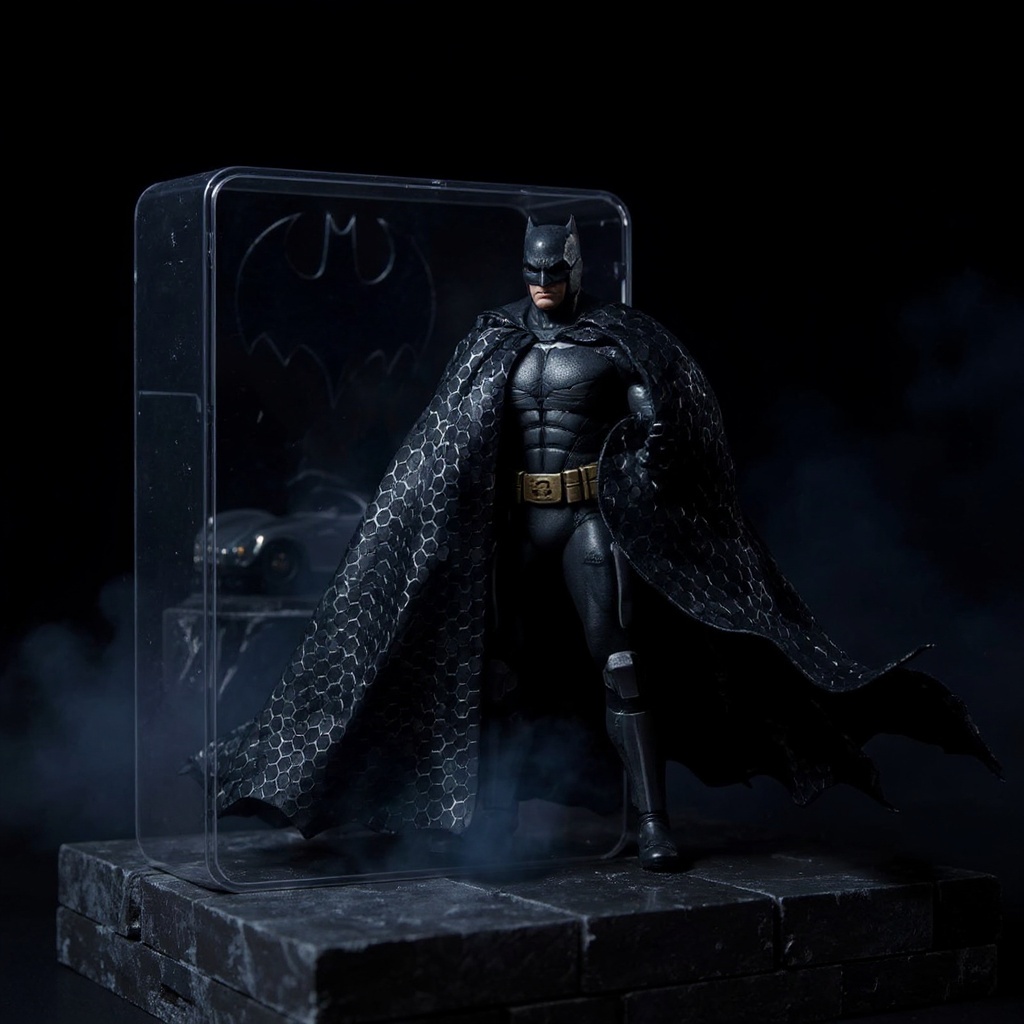
Single figures versus multi-packs: the real choice
Here's where money decisions actually happen. A single McFarlane Batman figure runs roughly $20–$25 at standard retail, based on current DC Multiverse blister-card listings. The 6-pack Ultimate Movie Collection lists at $39.
Do the math and multi-packs win on raw quantity. Six singles would run $120–$150. The bundle saves somewhere between $81 and $111, depending on which variants you'd have picked individually — but you lose the ability to pick.
| Purchase Type | Price Per Figure | Total Cost (6 figures) | Selection Control | Cape Material |
|---|---|---|---|---|
| Single figures | $20–$25 | $120–$150 | Full choice | Fabric or soft PVC, varies by release |
| 6-pack bundle | ~$6.50 | $39 | Pre-selected set | Individually sewn fabric, all six |
| Deluxe (with vehicle) | $30–$40 | N/A (single figure) | Full choice | Usually fabric |
| Convention exclusive | $25–$60 | N/A (single figure) | None — limited run | Varies |
| Mattel 6-inch legacy (secondary market) | $10–$30 | $60–$180 | Full choice, discontinued line | Molded plastic |
| Premium (Hot Toys) | $300–$400 | $1,800–$2,400 | Limited releases | Fabric, leather, mixed media |
Single figures let you cherry-pick specific suits or eras. Multi-packs hand you a curated set and ask you to live with it. The cape difference is real, too — the fabric capes on the six-pack figures showed cleaner drape and less stiffness than two of the three single-carded figures I compared, both of which shipped with firmer, more plastic-feeling capes.
McFarlane versus Hot Toys and other premium lines
McFarlane sits in mass-market territory. Its 7-inch Batman figures compete against Hasbro Marvel Legends and DC Essentials on the shelf, not against $300 Hot Toys sixth-scale pieces.
How to tell them apart in five seconds:
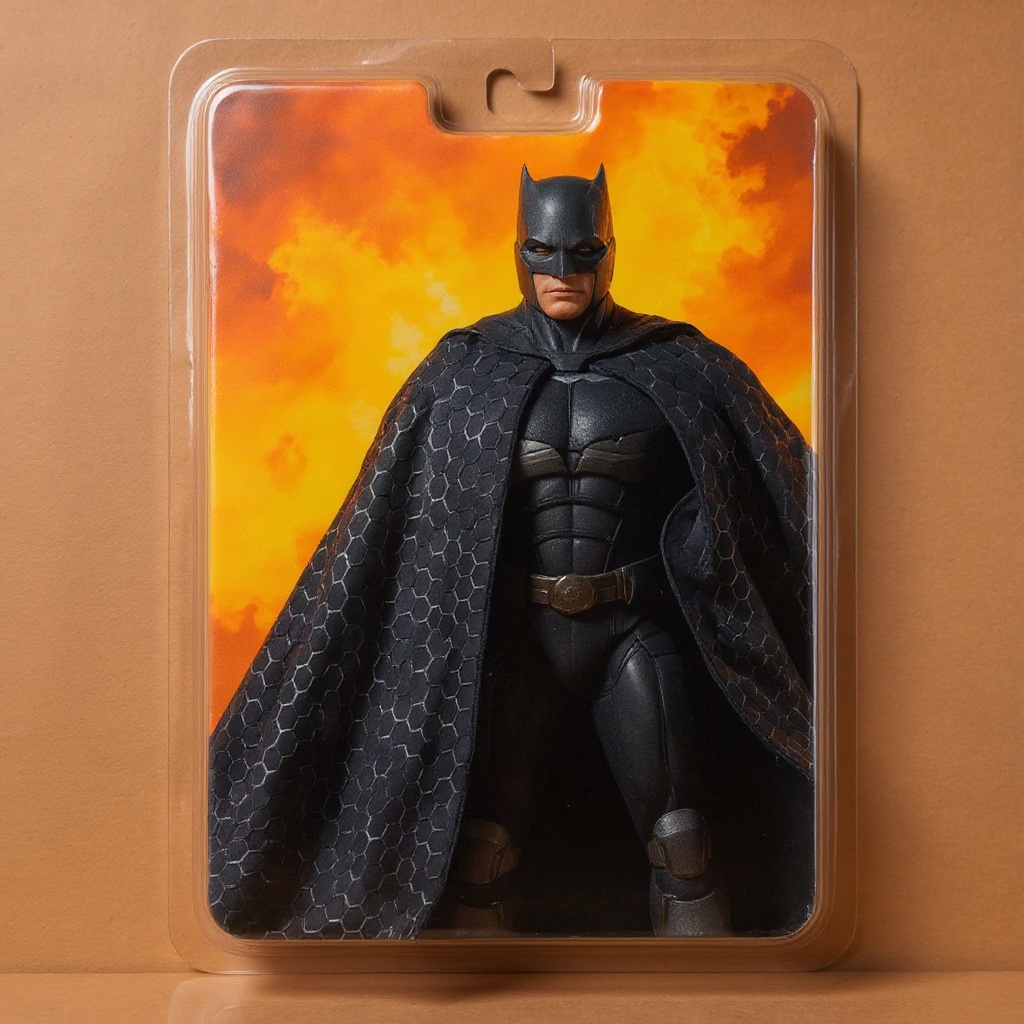
1. Check the height. Sixth-scale Hot Toys figures run around 12 inches; McFarlane's DC Multiverse line runs about 7. 2. Check the materials. Hot Toys mixes fabric, leather, and diecast metal. McFarlane leans on plastic with a fabric cape as the one non-plastic exception. 3. Check the face. Hot Toys figures often ship with swappable face plates and multiple hand sets. McFarlane figures have one sculpted head, full stop. 4. Check the price tag. Anything under $50 is McFarlane's territory. Anything over $250 is Hot Toys or a comparable premium line. 5. Check the packaging. DC Multiverse blister cards show movie-accurate box art on cardboard-and-plastic clamshells. Hot Toys ships in branded window boxes built for display, not impulse-buy racks.
You're not picking between equals here. McFarlane serves people who want a detailed shelf figure without a mortgage payment. Hot Toys serves people chasing museum-shelf accuracy and can absorb the price.
The Mattel transition changed everything
Mattel's DC figures leaned animated — rounder proportions, 6-inch scale to match other superhero toy lines, kid-friendly paint jobs. McFarlane flipped that on its head: 7-inch scale, movie-accurate sculpting, adult-collector price points.
Some longtime collectors hated it. Others had been waiting years for exactly this shift.
The scale change created a real display problem, not just a nostalgia complaint. McFarlane's 7-inch figures don't sit right next to 6-inch Marvel Legends or older Mattel DC pieces — the height mismatch is obvious on a shelf. If you want a cohesive display, you're starting a new collection, not adding to an old one.
r/ActionFigures threads on this transition run mixed. Sculpt quality gets praised often. Mattel's broader character roster gets missed just as often.Common complaints about McFarlane figures
A few issues show up again and again in collector discussions, and some of them held up when I checked my own units:
Quality control problems. Paint lines vary between figures from the same production run — I found a visible paint bleed on the cowl edge of one single-carded figure that a second copy of the same SKU didn't have. Limited articulation. Standard joint counts, but sculpt accuracy takes priority over deep posability. Getting a dynamic action pose out of some releases takes patience. Fabric cape durability. Looks great out of the box. Frequent repositioning over months can fray the hem or flatten the drape — not a guarantee, but a documented pattern in long-term owner reviews. Character selection bias. Batman variants outnumber every other DC character combined in most waves. Collectors chasing a full Justice League roster notice this fast. Scale inconsistency. Even within "7-inch," some figures measure closer to 6.5 or 7.5 inches. Small gap. Visible on a shelf.Honestly, if you're chasing perfect paint on every single unit, skip McFarlane's mass-market single-carded runs entirely — quality control swings box to box, and no amount of brand loyalty fixes that. The 6-packs, in my experience, showed more consistent paint across the set than single figures bought separately, possibly because they ship as a matched batch.
So should you buy McFarlane Batman figures?
Depends on what you're optimizing for. Movie accuracy and shelf presence over extreme articulation? McFarlane fits. Need every joint to hit a comic-cover pose? Look elsewhere.
For a new collector building a Batman shelf fast, the 6-pack tier makes financial sense — multiple figures, matching fabric capes, a shared display base, and that Bat-Signal prop for less than three single figures would cost separately. The Batman Ultimate Movie Collection 6-pack is one current example of that tier in the DC Multiverse line.
Experienced collectors chasing a specific display theme usually do better buying singles selectively, even at the higher per-figure cost, because it avoids duplicate suits sitting in a drawer.

