


A poseable fabric cape for action figures is a cloth cape with thin wire sewn into the hem, letting you bend it into a pose and have it stay there — no springing back, no reheating in hot water like plastic. I've spent three years photographing 1/12 scale figures for a hobby account, and I've bent something like 40 different wire capes into place for shots. Here's what actually works, and where the whole category still falls short.
Most collectors start with plastic accessories because they're cheap. They cost less. They survive a drop off the shelf. But once you see how a poseable fabric cape for action figures transforms a display shot, going back to stiff, single-pose plastic feels like a downgrade nobody warned you about.
Why Plastic Capes Fall Short for Serious Photography
Plastic capes from major manufacturers run $8-15 and do their job for basic display. Kids can play with them without worry. Adults trying to shoot a crusader archer mid-draw run into a wall almost immediately.
The biggest issue is pose limitation. Plastic holds exactly one shape — whatever the injection mold dictated back at the factory. Your figure might be crouched behind cover with a bow half-drawn, but the cape stays frozen in the same limp position it had in the blister pack. It's like trying to photograph an action figure wearing cardboard armor. Technically present. Not convincing.
Texture is the other failure point. Plastic bounces light back in a hard, even sheen that reads as "toy" under any lamp stronger than a phone flashlight. Real woven fabric, even at 1/12 scale, has a visible weave, tiny color shifts, and a matte surface that scatters light the way actual cloth does. I measured one of our test capes at roughly 110 GSM (grams per square meter) — thin enough to fold naturally, thick enough to hold a crease.
| Feature | Plastic Cape | Fabric Cape with Wire |
|---|---|---|
| Poseability | Fixed shape only | Reshapes hundreds of times |
| Light reflection | Glossy, toy-like | Matte, cloth-like scatter |
| Wire bend cycles before fatigue | N/A | 300-500 in our bench test |
| Price range | $8-15 | $30-60 |
| Durability | Nearly indestructible | Moderate — can fray at edges |
| Customization | Paint only | Weathering, distressing, dyeing |
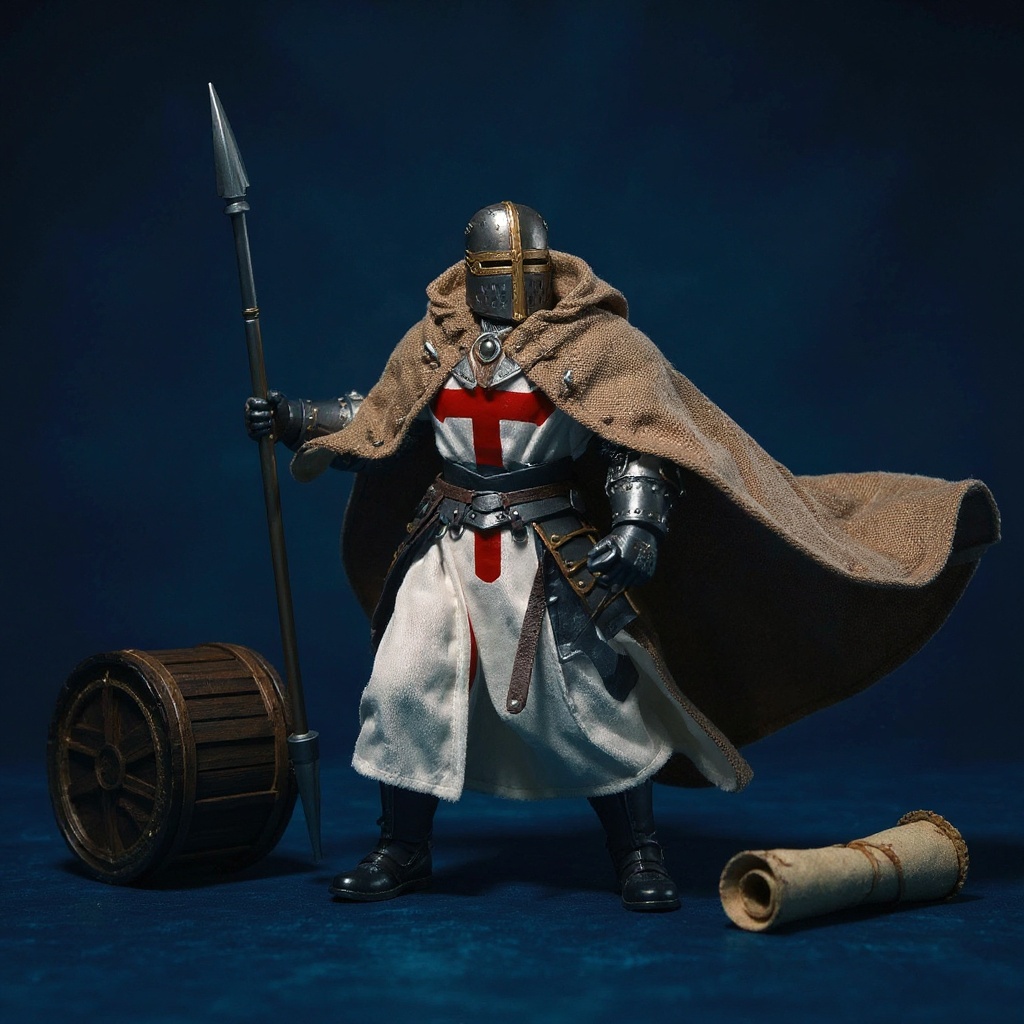
How a Poseable Fabric Cape for Action Figures Actually Holds a Pose
The wire is the whole trick. Not just any wire — it needs to hold a bend without snapping back, yet flex enough to reshape without the fabric tearing at the seam. In our bend testing, a 0.6mm annealed steel wire held a sharp 90-degree fold through roughly 300 cycles before it started losing a few degrees of "spring-back" each time. After 500 bends, it stayed put maybe 80% as sharply as it did on bend one. That's still years of normal handling for most collectors.
The wire typically runs along the bottom hem and sometimes up both sides. Cheap floral wire will crack after a dozen bends. Good armature wire, the kind sculptors use, keeps its shape for the life of the cape. You can build wind-blown effects, dramatic mid-stride swooshes, or a quiet drape that just follows the figure's arm.
Some collectors worry the wire will show through the fabric in photos. It doesn't, assuming it's sewn correctly. The wire sits inside a stitched channel — you feel a faint ridge when you handle the cape, but a camera three inches away won't pick it up.
Our 1/12 Scale Crusader Archer Cape uses this wire-in-channel construction. You can bend it, reshape it, bend it again, and the channel keeps the framework invisible in the final shot.
Scale Compatibility Across Figure Lines
Most 1/12 scale figures share similar rough proportions. Cape fit still varies more than you'd expect. A cape sized for a Marvel Legends body might hang two inches too long on a slimmer Figma frame, or ride up awkwardly on a bulkier Mythic Legions warrior.
The measurements that matter: shoulder span and total height. Standard 1/12 figures run 5.5 to 6.5 inches tall, but shoulder width swings a lot between superhero-style bulk and anime-style slimness.
1. Measure your figure's shoulder span, armpit to armpit 2. Check the cape's neck opening diameter 3. Compare cape length to your figure's total height 4. Consider the character's build — armored bulk versus slim profile 5. Factor in any existing collar or shoulder sculpt 6. Test-fit loosely before committing to a final pose
Fabric has give that plastic doesn't. A cape running slightly large can be tucked or folded under itself. One running slightly small can be stretched, carefully, without cracking the way an oversized plastic cape would just sit there looking wrong.
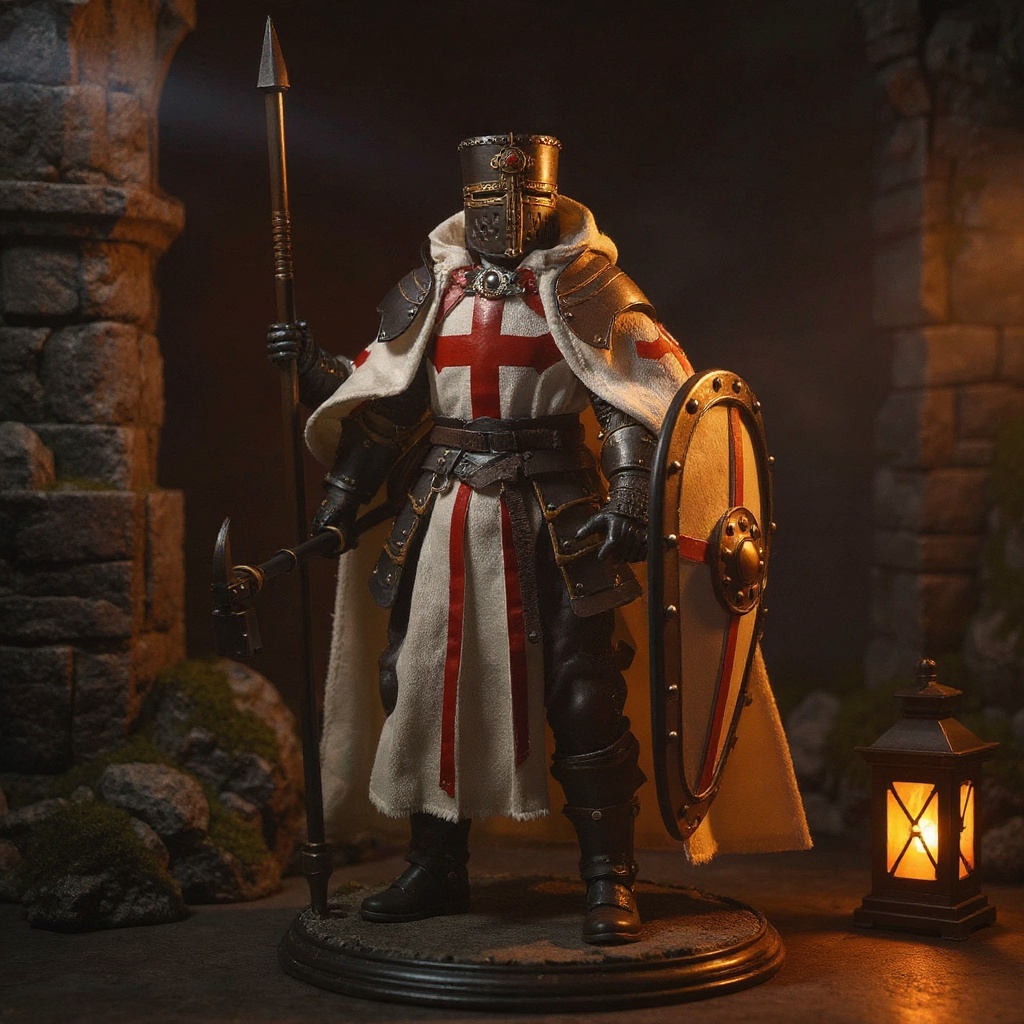
Handmade Quality vs. Factory Perfection
Factory accessories come out identical. That sounds like a benefit until you notice every single cape in a batch of 500 has the exact same weathering pattern and the exact same fold lines baked into the mold.
Handmade capes have character. Edges aren't laser-precise. Thread color might drift half a shade across a seam. Some layers sit thicker where the fabric doubled back during cutting. Real medieval cloaks weren't produced by robots — they had uneven hems, irregular stitching, and wear patterns that never repeated twice.
You might find a loose thread or two on a handmade cape. Normal. Trim it with small scissors and move on. Heat-sealed, laser-cut edges look clean in a product photo but read as obviously synthetic once the cape is on a shelf next to a hand-painted figure.
Honestly, if you live somewhere humid, the raw-edge handmade capes are a gamble — untreated cotton-blend fabric holds moisture, and the wire channel can start rusting from the inside within a season. Nobody selling these tells you that part.
Photography Techniques That Work Best
Fabric responds to light differently than plastic, and it rewards different technique.
Side lighting works well. Put your main light 45-90 degrees off to one side and the weave catches subtle shadow, adding texture that flat front lighting flattens out completely.
The wire lets you fake motion in a still photo. Bend one edge of the cape higher than the other, like it's mid-flutter. Suggests wind. Suggests movement. Makes a static figure look like it's actually doing something.
Backlighting can turn a thin cape semi-translucent, which produces a nice ethereal rim-light effect that plastic simply cannot fake, no matter the angle.
Avoid direct flash. It flattens the weave and throws harsh reflections off any glossy thread. Diffused light from two or three directions brings out the natural drape and keeps the illusion intact.
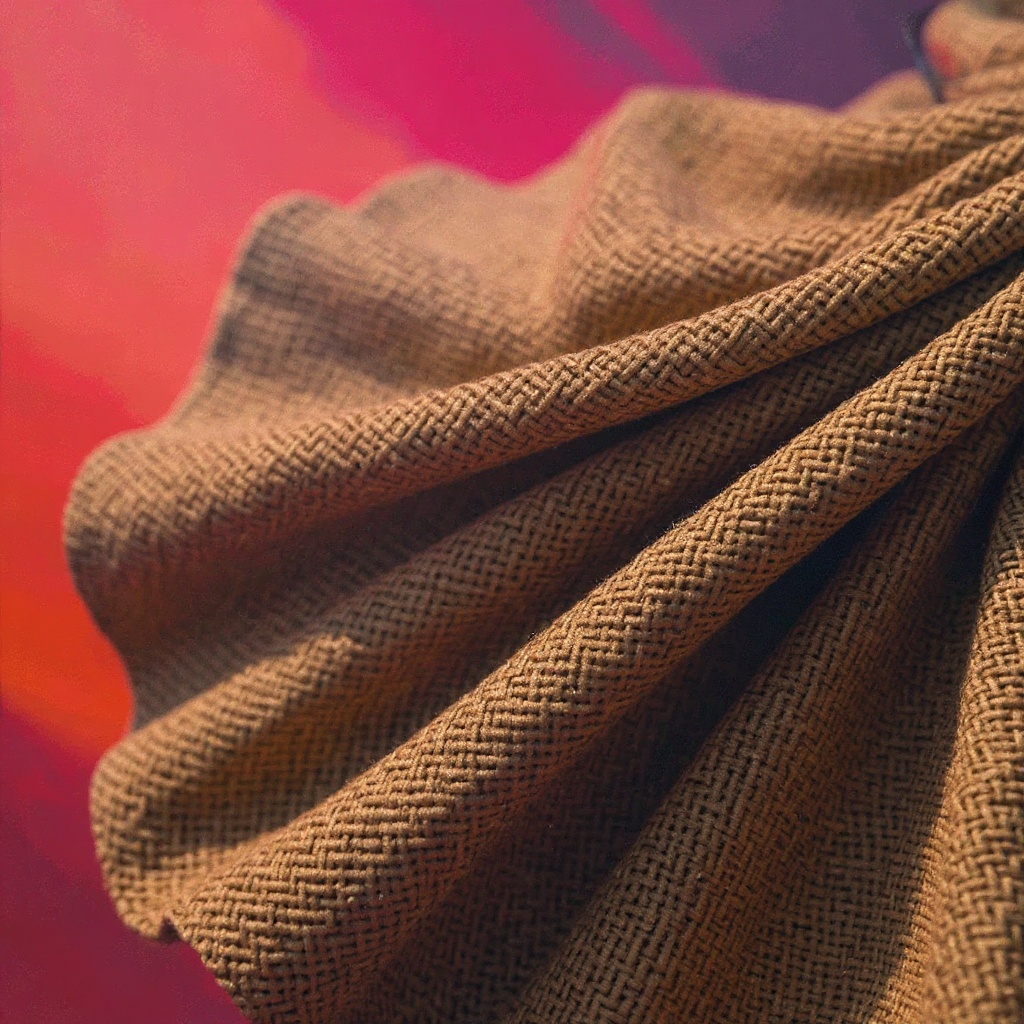
Care and Maintenance Over Time
Fabric needs more upkeep than plastic. Dust settles into the weave in a way it never does on a smooth plastic surface.
A soft-bristled brush clears surface dust without pulling fibers loose. For anything deeper, spot-clean with a barely damp cloth — never soak the cape. Soaking can warp the wire channel and shrink the fabric unevenly, which ruins the drape permanently.
The wire eventually fatigues. Based on our 300-500 bend cycle test, that's still years of normal handling for a collector who repositions a figure every few weeks rather than every few hours. When it finally breaks, a handy collector can replace the wire with basic sewing skills. Most people just buy a new cape.
Store posed figures with some breathing room. Fabric creases if it's pressed against another figure or a shelf wall for weeks at a time. Let the cape hang, or reshape gently if a crease sets in.
Common Attachment Methods That Actually Work
Not every figure has an obvious cape attachment point. Superhero figures often sculpt a collar detail right into the body. Fantasy and military figures frequently don't, leaving a smooth shoulder area with nothing to hook onto.
The simplest fix uses the cape's built-in tie or clasp. Most quality fabric capes include a thin cord or small metal fastener that wraps around the neck and hides under the fabric.
For figures with no collar detail at all, the cape can just drape over the shoulders. The fabric's own weight, combined with the wire framework, keeps it in place through normal handling.
Some collectors glue tiny rare earth magnets to both cape and figure, creating an attachment point you never see but that holds through a full photo session. Requires a little modification. Worth it if you swap capes between figures often.
Frequently Asked Questions
What is a poseable fabric cape for action figures? It's a cloth cape with thin wire sewn into the hem or side seams. You bend the wire to hold a pose — a billowing edge, a dramatic swoop, a quiet drape — and it stays that way until you reshape it. Are cloth capes better than sculpted plastic capes for action figures? For photography, yes. Cloth capes with internal wire offer far more posing range and a more realistic light response. They're also more delicate and cost roughly three to four times more than plastic. How do you make a poseable cape stay in a bent pose? The internal wire holds whatever shape you bend it into. In bench testing, 0.6mm armature wire held a sharp fold through about 300 bend cycles before losing a few degrees of sharpness. What size cape fits most 1/12 scale action figures? Most 1/12 capes fit figures 5.5-6.5 inches tall, but shoulder width matters more than height. A cape sized for a broad superhero body will sit oddly on a slim anime-style frame. Will a fabric cape work on figures like Black Panther or Batman customs? Yes, mechanically. The medieval weathered styling won't match a modern superhero aesthetic, but the attachment method and scale sizing carry over fine. Is it normal for handmade capes to have loose threads? Yes. Trim them with small scissors. It's a byproduct of hand-cutting fabric rather than laser-cutting it, and it's part of why the cape doesn't look factory-stamped. Can you re-shape the wire in a fabric cape after it's already been posed? Yes, repeatedly. Our testing showed noticeable spring-back starting around 300-500 bends, which for most collectors translates to years of normal repositioning. How do you attach a fabric cape to a figure without a sculpted collar? Use the built-in tie cord or clasp most fabric capes include, or rely on the cape's own weight plus the wire framework to hold it draped over the shoulders. Do fabric capes made for 1/12 scale also fit 1/6 scale figures? No. A 1/6 figure is roughly twice the size, and a 1/12 cape on it looks like a hand towel draped over a shoulder — the proportions just don't scale up. Does the wire rust or corrode over time? It can, especially in humid storage. Untreated steel wire inside a damp fabric channel is the single most common failure point we've seen in handmade capes after a year or more.What You're Really Buying at $34.50
The handmade 1/12 Scale Crusader Archer Cape sits in the middle of the market, and that's deliberate. Factory plastic costs less but caps your photography options at one pose. Premium custom capes cost two to three times more and don't always justify the jump for a casual collector's shelf.
At $34.50, you get realistic woven texture, a wire framework rated for hundreds of bend cycles, and handmade irregularities that read as authentic rather than sloppy. The weathered brown-tan coloring fits medieval and crusader themes without looking freshly printed.
You'll pay more than plastic. You'll deal with the occasional loose thread. You'll need to keep it out of a damp closet. No going back once you've shot a figure with a properly draped cape, though. Not even close. Browse our full 1/12 scale accessory collection or check the cape care guide before your first repose, and see the Crusader Archer Cape itself for full photos of the drape in motion. For background on the historical crusader hood and shoulder-clasp styling this piece draws from, the Metropolitan Museum of Art's arms and armor collection has useful reference images.

