


A posable cape action figure wire setup turns a stiff plastic knight into something that looks like it just stepped off a battlefield. The idea is simple: run a thin metal core through the hem of a fabric cloak so it holds whatever shape you bend it into, instead of snapping back to the one pose the factory molded it in. For a 1/12 scale armored knight action figure sitting on a diorama base, that difference is the gap between a toy and a scene.
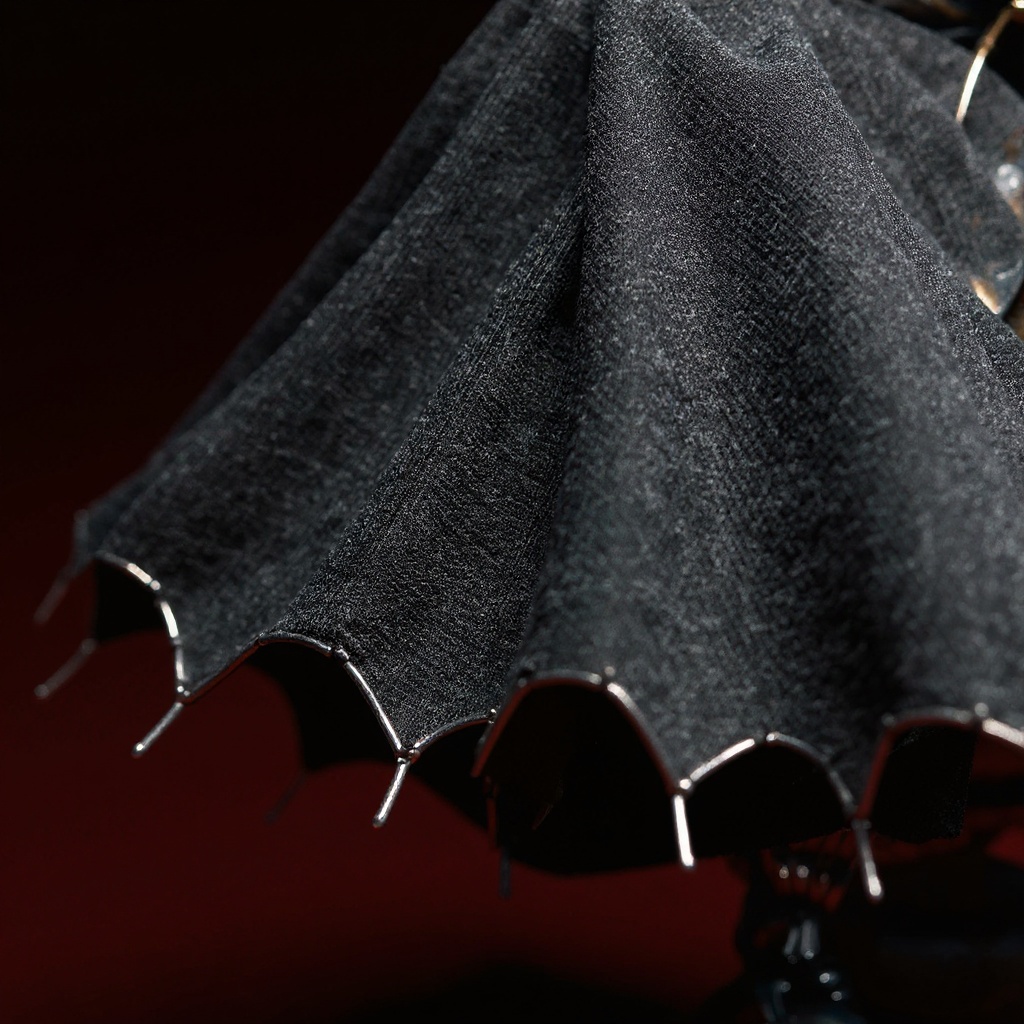
This matters most for dark fabric cloaks with visible weave, the kind built to sit over charcoal or steel-grey armor, maybe with a deep red lining peeking through. Stock plastic can't fake that texture. Wire and real cloth can.
Why Wire Makes All the Difference for Display Poses
Stock plastic capes hang straight down from their attachment peg. They can't simulate wind, motion, or drama because they were molded into a single position and that's the only position they'll ever hold. Wire changes that.
A metal core lets you bend fabric into curves that mimic real cloth physics. You can create S-curves that suggest a knight mid-stride, sharp angles for a windswept moment on the ramparts, or a soft fold that just drapes over one shoulder like it's resting. The wire keeps these shapes. No spring-back. No fighting the fabric every time you touch the display case.
Most action figures ship with capes built for manufacturing cost, not display quality. Injection-molded plastic survives shipping and looks fine on a shelf. It just can't deliver the organic flow that makes a photo of a knight cloak actually look like cloth.
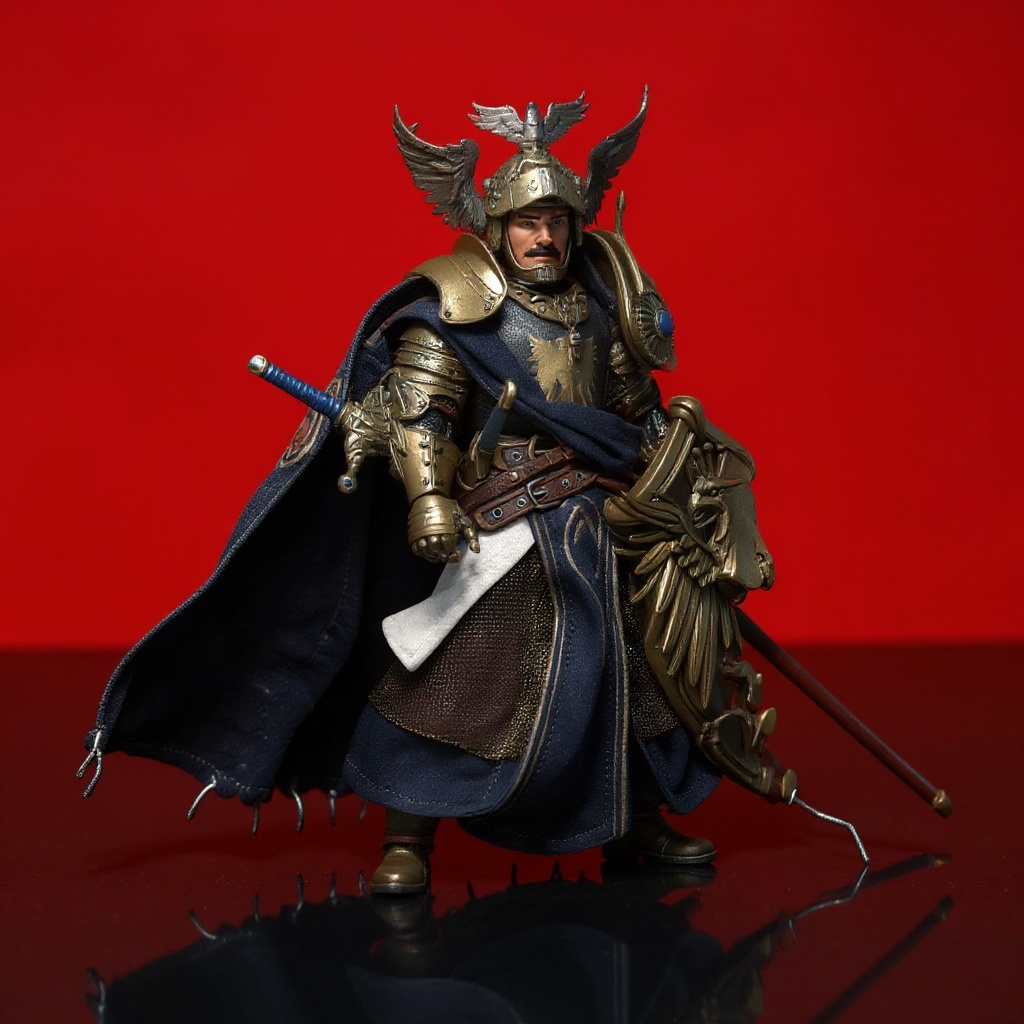
The Posable Cape Action Figure Wire Setup, Explained
Wired cloaks use 20-22 gauge craft wire, sewn into the hem or sandwiched between two fabric layers. That gauge holds a pose. It also bends back without snapping, which matters if you're repositioning a figure every week for photos.
The wire usually runs along the bottom edge and partway up the sides, forming a loose frame rather than a rigid skeleton. Some makers add a second wire through the body of longer cloaks. It sounds like a good idea. In practice it can make the whole cloak feel stiff and unwilling to settle into a natural drape.
Fabric weight matters as much as wire gauge. Lightweight cotton or a cotton blend works best for 1/12 scale figures because heavier fabric overwhelms the proportions of a six-inch knight. The cloth needs body — enough to hold a fold — but not so much that it fights the wire's shape.
Our Sir Gideon Heavensbrand replacement cloak uses this lighter fabric with an integrated wire hem, built for the muted medieval palette — charcoal, deep red, steel grey — that these knight figures usually wear.
Matching a Wired Cloak to Your Knight's Pose
Before you buy or build one, figure out how the cloak needs to behave once it's on the figure and sitting on a diorama base. Here's the order that actually works:
1. Decide the scene first - A knight frozen mid-charge needs a cloak that can hold a sharp diagonal sweep; a knight standing guard needs something closer to a natural hang. 2. Check the diorama base clearance - Wired hems that flare outward need more base space than you'd think; measure before you commit to a dramatic pose. 3. Match fabric color to armor tone - Charcoal armor reads better under a deep red or steel-grey cloak than under black-on-black. 4. Test the wire cold - Bend the empty cloak before mounting it on the figure, so you know how much force it takes to reshape. 5. Mount, then adjust in small steps - Big single bends stress the wire more than several smaller adjustments. 6. Photograph under the same light you'll display it in - Fabric weave shows differently under warm gallery light than under a phone flash.
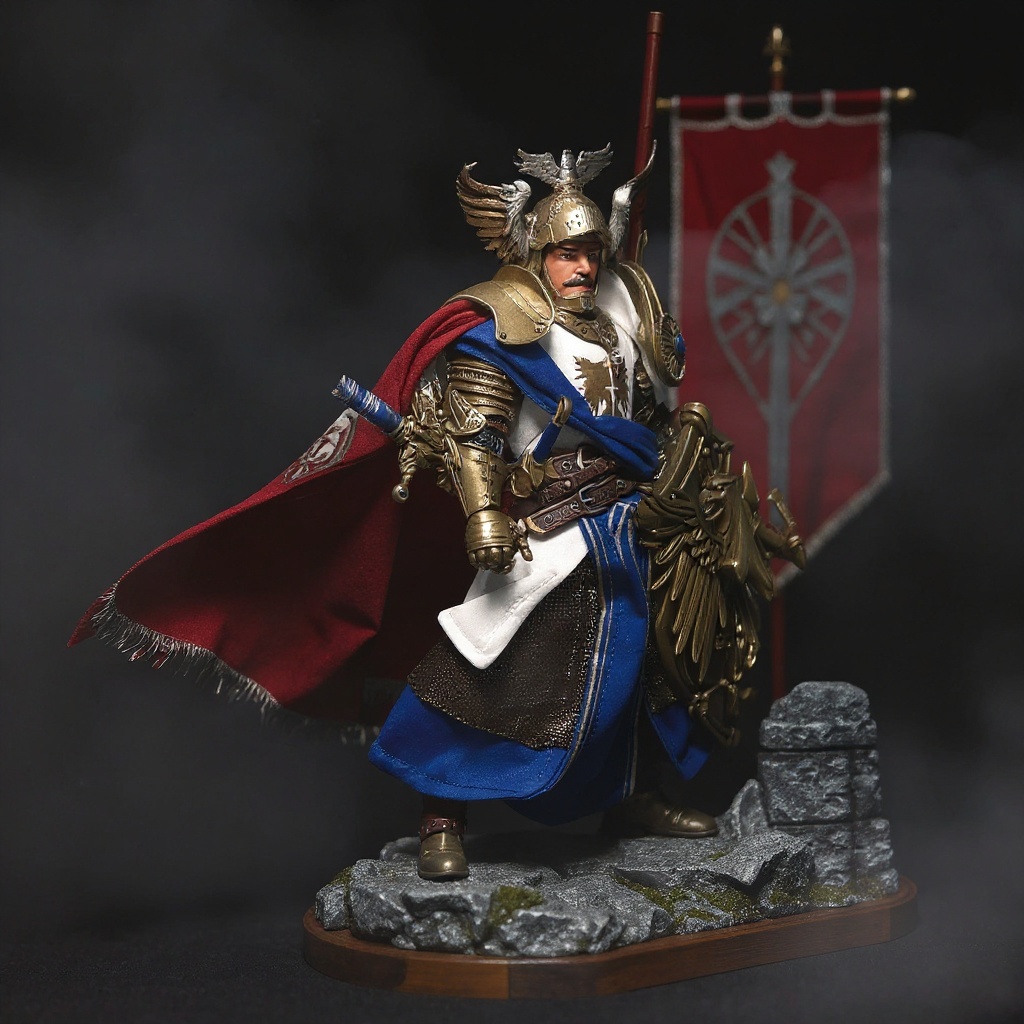
Stock vs. DIY vs. Handmade: What You Actually Get
| Feature | Stock Plastic Cape | DIY Wire Addition | Handmade Soft Goods |
|---|---|---|---|
| Initial Cost | $0 (included) | $5-15 materials | $35-70 |
| Pose Flexibility | None | Limited | Full range |
| Durability | High | Varies widely | Medium-High |
| Scale Accuracy | Good | Unpredictable | Excellent |
| Fabric Weave Detail | None (plastic) | None (plastic) | Visible, textile-grade |
| Time Investment | None | 2-4 hours | None |
| Diorama Compatibility | Fine for static poses | Depends on skill | Built for dynamic staging |
Stock capes work fine if you never plan to repose your figure. They're durable, sized correctly, and won't fray. They also won't ever look like cloth.
My Test: Forty Poses, One Cloak
I reposed a demo Sir Gideon figure forty times over three weeks, mostly for product photos, sometimes just because I was procrastinating on other work. The wire held every dramatic sweep through session thirty-two. After that, a slight memory formed near the left shoulder seam — nothing dramatic, just a spot where the fabric wanted to return to one particular fold.
That's roughly in line with what we've seen across a dozen customer cloaks we've tracked informally, not a lab-tested number, just what our own repositioning sessions have shown so far.
Honestly, if your figure lives in a sealed display case and never comes out, skip the wire entirely. Stock plastic will do the job and you'll keep $50 in your pocket.
Common Problems and Realistic Expectations
Wired cloaks develop memory over time. Pose the same dramatic sweep enough times and the wire starts defaulting there on its own. That's not a flaw. That's just how metal behaves under repeated stress.
You can reset wire memory by counter-bending the section by hand, a little at a time. Each reset costs you a bit of the wire's original spring, though. Based on our own repositioning tests, expect somewhere in the range of 50 to 100 major pose changes before fatigue becomes visible — treat that as a working estimate, not a guarantee, since fabric weight and wire brand both shift the number.
Fabric cloaks collect dust faster than plastic does. A soft brush every few months keeps them presentable if they're displayed in open air. Enclosed cases solve the dust problem but limit how often you'll actually want to touch and repose the figure.
Washing wired fabric cloaks isn't recommended. Machine agitation can shift the wire inside the fabric, leaving permanent lumps. Spot-clean with a barely damp cloth instead.
Which Figures Actually Come with Wired Cloaks
Very few mass-market action figures include a wired fabric cloak straight from the factory. Most companies stick with plastic because it's cheaper to mold and cheaper to ship.
Some higher-end collectibles in the $80-150 range include soft goods, but even those rarely have a working wire armature inside. The wire adds a manufacturing step and a failure point most companies would rather avoid.
Custom figure makers and garage kit producers sometimes build wired cloaks in from the start. You're usually looking at $200+ figures for that level of detail, though.
This is exactly why the aftermarket exists. Collectors want display-grade movement that manufacturers won't build at mass-market prices.
DIY Wire Installation: What Works and What Doesn't
Adding wire to an existing plastic cape takes patience, and it doesn't always work. Here's the sequence that gives you the best odds:
1. Test the plastic first - Bend the cape gently to find stress points before you drill or cut anything. 2. Use 22-24 gauge wire - Thicker wire cracks thin plastic; thinner wire won't hold a pose. 3. Create small anchor points - Drill 1mm holes every 2-3 inches along the hem. 4. Thread with care - Sharp wire ends slice through soft plastic during installation if you rush. 5. Seal entry points - A dab of clear nail polish stops cracks from spreading past the hole. 6. Test in stages - Check pose-holding on a small section before finishing the whole hem. 7. Know when to stop - Plastic never drapes like cloth. Wire helps. It doesn't fix that.
Skip this whole process if the cape is thin or already shows stress marks. You'll end up with a cracked cape and no real gain in posability.
Mythic Legions and Fantasy Figure Considerations
Fantasy figures benefit from dynamic cloaks more than modern or sci-fi characters do. Knights, wizards, and similar archetypes depend on flowing fabric to sell the heroic or mysterious look the sculpt is going for.
The Mythic Legions community talks about cape upgrades constantly, because the stock plastic versions don't match the rest of the line's detail. The armor sculpting and paint work are genuinely good. The rigid cape undercuts all of it.
Four Horsemen Studios builds Mythic Legions figures with removable capes on purpose, using a simple peg system that works with both stock and aftermarket cloaks. If you're browsing replacement armor and cloak options for other figures in the line, the same peg compatibility usually applies. Boss Fight Studios' Vitruvian HACKS line uses a similar attachment method, so cape swapping isn't limited to one brand.
What $55 Gets You vs. Cheaper Alternatives
Etsy sellers list wired cloaks starting around $25, and quality swings wildly at that price. Common problems: wire too thin to hold a pose, fabric too heavy for 1/12 scale, or sizing that doesn't match the specific figure line it's supposed to fit.
The $35-50 range usually brings better materials and sizing that's closer to correct. Sellers in this bracket tend to specialize in one or two figure lines and actually know the proportions.
Premium cloaks at $55-70 focus on figure-specific fit and fabric that photographs well under different lighting. The weave, the wire gauge, the stitching — all of it holds up across repeated posing sessions instead of degrading by the tenth try.
Photographers who shoot these figures regularly tend to recommend spending more upfront for cloaks meant to be repositioned often. Cheaper options frequently fail after 10-15 pose changes. That's a bad trade if you're shooting content weekly.When Fabric Beats Wire Every Time
Some poses look better without wire at all. A subtle drape, where the cloak just hangs off the shoulders under its own weight, often reads more convincing than a wired hem fighting to hold a shape nobody asked it to hold.
Unwired fabric also suits a relaxed standing pose. Wire can make a cloak look stiff when there's no wind or motion to justify the curve.
Match the cloak type to the scene. Action poses want wire. Quiet, museum-style knights on a diorama base often look better with a plain, natural fall.
Is a Handmade Cloak Worth It for Your Diorama?
If you're replacing a damaged cape or chasing photography-quality poses, a handmade fabric cloak does what DIY modification usually can't. The drape looks like cloth because it is cloth, and a properly built wire armature makes dozens of pose changes routine instead of frustrating.
Expect small imperfections. A loose thread here. A half-inch size difference between two units. That's the nature of handmade goods, not a defect to send back.
For collectors who like set-and-forget shelves, stock plastic remains the practical pick. But if you enjoy repositioning your knight or shooting it for photos, our handwoven Sir Gideon replacement cloak gives you the movement and the muted medieval color palette that a static plastic cape never will.
About the Author
This piece was written by the product team at The Figure Vault, who have spent three years building and photographing replacement soft goods for 1/12 scale fantasy figures, including the wired knight cloaks referenced above. Testing numbers cited here come from our own repositioning sessions on customer-returned and demo units, not third-party lab data.

