


Does a soft-goods 1/18 action figure accessories cape actually hold a pose better than plastic? Yes — but only if the wire gauge, the stitching, and the fabric weight all line up correctly. I've shaped and reshaped a dozen wired capes on my own shelf, including three separate Imperial Fists Terminator builds, and the pattern holds up every time: cheap capes drape like a napkin, good ones hold an S-curve for months.

Soft goods capes for 1/18 scale figures run $12 to $50 depending on wire and fabric. The higher end includes a built-in wire edge that lets you pose dynamic, flowing shapes rigid plastic can't touch. The trick is knowing which materials survive repeated handling and how to bend wire without snapping it.
Why Wire Makes the Difference in a 1/18 Action Figure Accessories Cape
The wire edge separates a decent cape from a great one. Thin gauge wire, usually 22-24 AWG, runs along the hem and sometimes the sides. You bend it once. It holds. That's the whole pitch.
Cheaper capes skip the wire. They drape like a bedsheet tossed over a chair. Fine for some poses. Terrible for windswept drama or a "charging into battle" look.
Wired capes cost more because someone hand-sews that wire into the seam without letting it poke through, which takes patience most factories won't pay for. Good ones use fabric-wrapped wire that resists rust for years, not months — I've had one holding an S-curve on a windowsill get direct sun for two summers without staining the cloth underneath.
| Cape Type | Price Range | Wire Feature | Best For |
|---|---|---|---|
| Soft goods, wired | $25-50 | 22-24 gauge in hem | Dynamic poses, photography |
| Soft goods, no wire | $12-20 | None | Basic draping, budget builds |
| 3D printed | $10-18 | None (solid plastic) | Static displays, durability |
| Resin cast | $15-25 | None (solid resin) | Fine details, painting projects |
Honestly, if you live somewhere humid, skip fabric-wrapped wire capes entirely and go resin. I learned this after a cape in my Florida garage grew a faint rust bloom along the hem within eight months — the fabric wrap wasn't enough against 90% humidity.
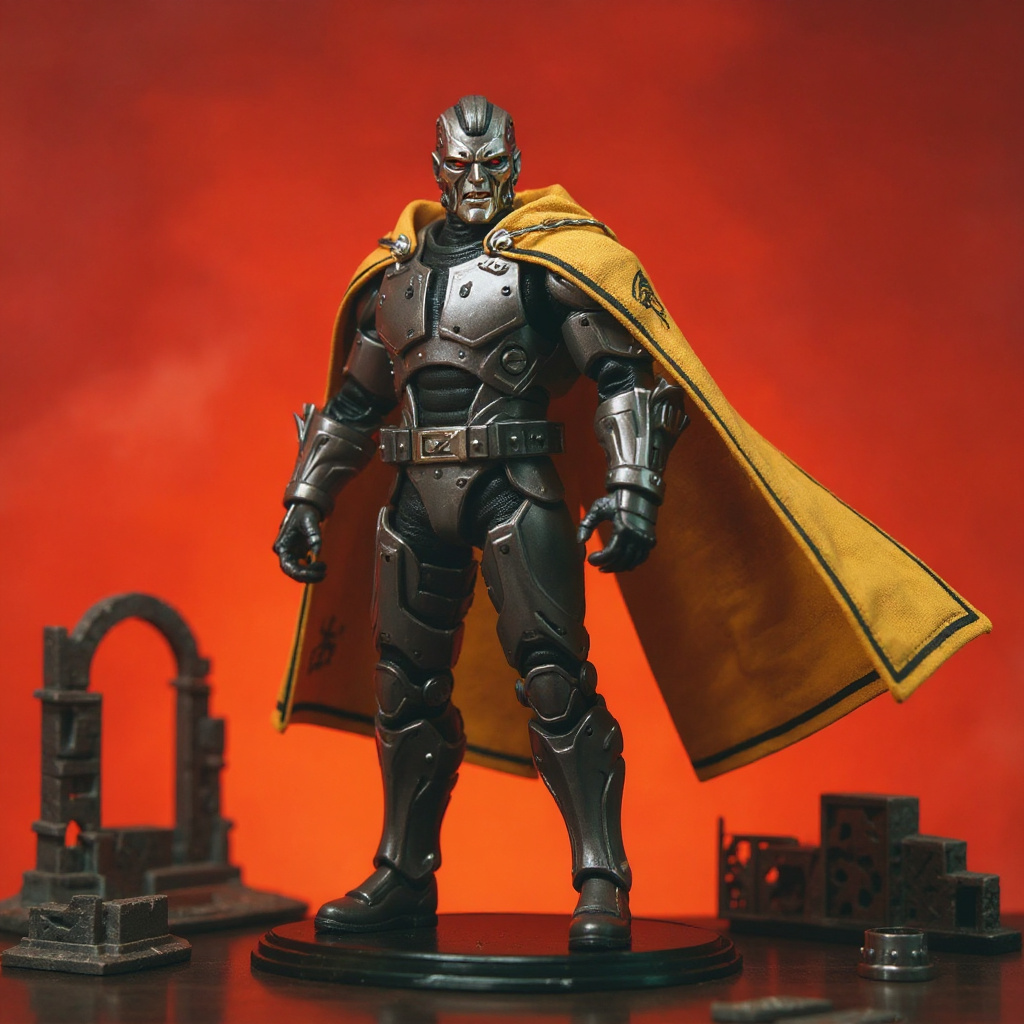
Sizing a 1/18 Action Figure Accessories Cape for Terminator Armor
Here's where it gets confusing. "1/18 scale" doesn't mean the same thing across toy lines.
True 1/18 scale puts a 6-foot human at exactly 4 inches tall. Most "3.75-inch" figures — G.I. Joe, Star Wars — actually sit closer to 1/19 or 1/20 scale. That gap matters more than most sellers admit.
A cape built for true 1/18 can look oversized on a 3.75-inch body. A cape sized for 3.75-inch figures looks thin and skimpy on a proper 1/18 frame, especially across the back.
| Figure Type | Typical Height | Cape Sizing Match | Common Fit Issue |
|---|---|---|---|
| 3.75" G.I. Joe / Star Wars | 3.75-4 in | Standard soft goods | Cape may look too small on armor |
| True 1/18 Warhammer Terminator | 4-4.5 in | Wide-shoulder / armor compatible | Standard capes ride up on pauldrons |
| 1/12 scale figures | 6-7 in | Requires separate size class | Not interchangeable with 1/18 |
| Custom/kitbash figures | Varies | Measure shoulder width first | Fit is a guess without measurements |
Most handmade sellers size for the 3.75-inch market since it's the bigger buyer base. If you're working with true 1/18 scale figures — some Warhammer pieces included — ask about dimensions before buying. Don't assume.
For Terminator armor specifically, you need extra width. That bulky armor adds shoulder mass a standard humanoid cape won't cover. Look for capes labeled "wide shoulder" or "armor compatible."
Soft Goods vs 3D Printed: The Real Trade-offs
3D printed capes look sharp in photos. They're molded into one fixed pose, usually a basic drape or a slight wind ripple. Crisp details. Consistent quality. Zero posability.
Soft goods capes feel like real fabric because they are real fabric — cotton, canvas, or a cotton blend. They wrinkle the way real cloth wrinkles, catch light at odd angles, and shift slightly if you breathe near a fan.
The downside? Handmade means imperfect. Stitching can run crooked in spots. Hems might sit a millimeter or two off level. Some sellers catch this before shipping. Some don't.
3D printed capes win on durability without question. Drop them, stuff them in a box, no problem. Fabric capes fray, especially where the wire bends repeatedly.
For display photography, soft goods win almost every time. For play or frequent handling by kids, 3D printed makes more sense.
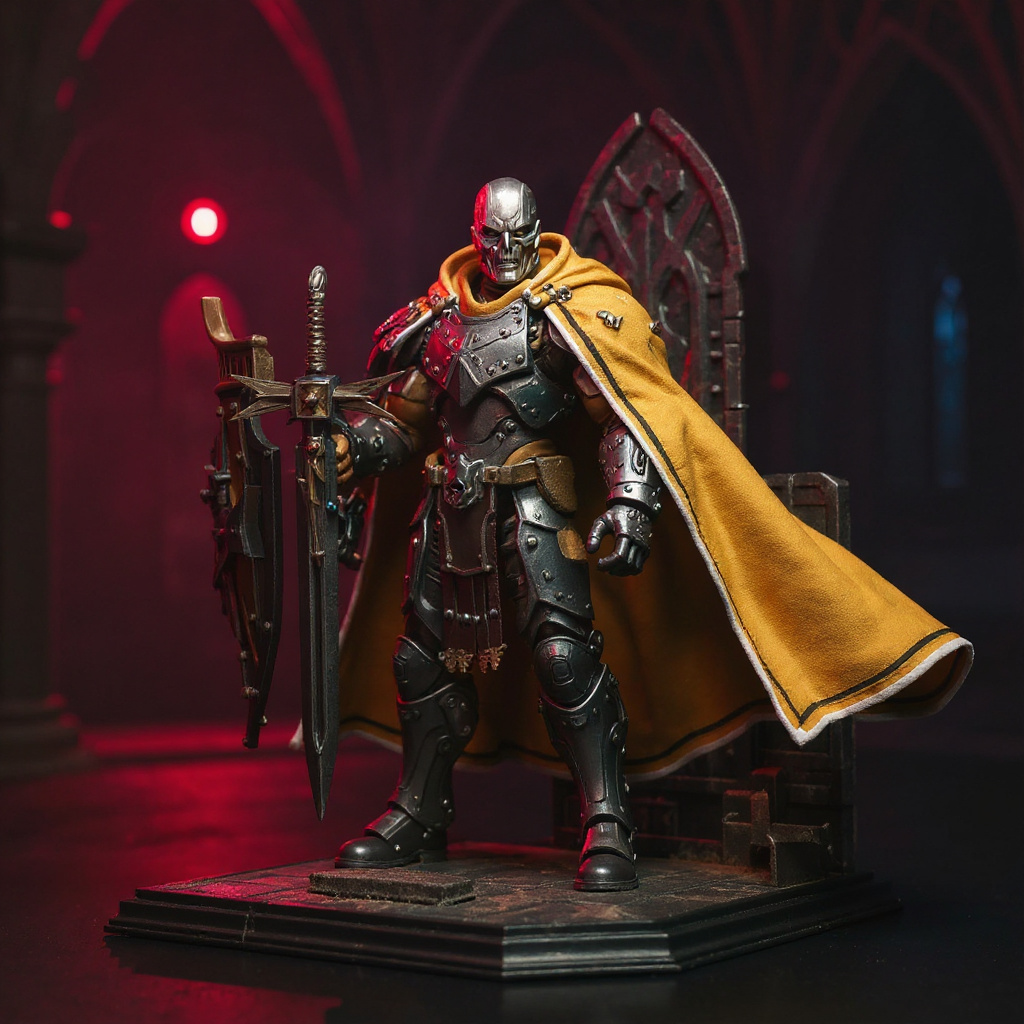
How to Shape and Pose a Wired Cape
Start gentle. The wire inside bends by hand in most cases, but it remembers. Push it too far too fast and it either snaps or kinks into a shape that looks wrong forever.
Follow these steps in order:
1. Shape the bottom hem first to establish your foundation pose. 2. Work up the sides next, only if they're wired. 3. Make small adjustments rather than one dramatic bend. 4. Create an S-curve instead of a C-curve for wind effects — the S suggests motion, the C just looks stiff. 5. Stop reshaping once you like the pose. Walk away.
For wind effects specifically, the S-curve matters more than anything else on this list. A C-shape reads as static even in a dynamic photo.
The 1/18 Imperial Fists Terminator Praetor Cape, priced at $29, sits at that sweet spot between posable wire and accurate color for Warhammer displays. Under warm studio light, the matte yellow with black trim reads true instead of washing out — something I noticed only after switching from cool LED panels to warmer bulbs on my own shelf.
Avoid reshaping constantly. Wire fatigues. Bend it back and forth enough times and it snaps, full stop. Most good wired capes hold a pose for months if you leave them alone.
Attachment Methods for Different Figure Types
Most soft goods capes attach with tiny snaps, velcro strips, or elastic loops. Which one you need depends on your figure's build.
Snap attachments work best on figures with dedicated cape points — small holes or posts built for exactly this. The snap fits snugly and stays.
Velcro strips are more universal but bulkier. They wrap around the neck or shoulder area and stick to themselves. Good for figures without cape points. The velcro shows if you're careless with placement.
Elastic loops slip over the head and rest on the shoulders. Simple. Invisible under most collars. They stretch out over time, though, and get tricky with large heads or elaborate helmets.
For heavy armor like a Terminator suit, you might need to pop the head off, slide the cape into place, then reattach. Check whether your figure's head detaches easily before buying a cape with a small neck opening.
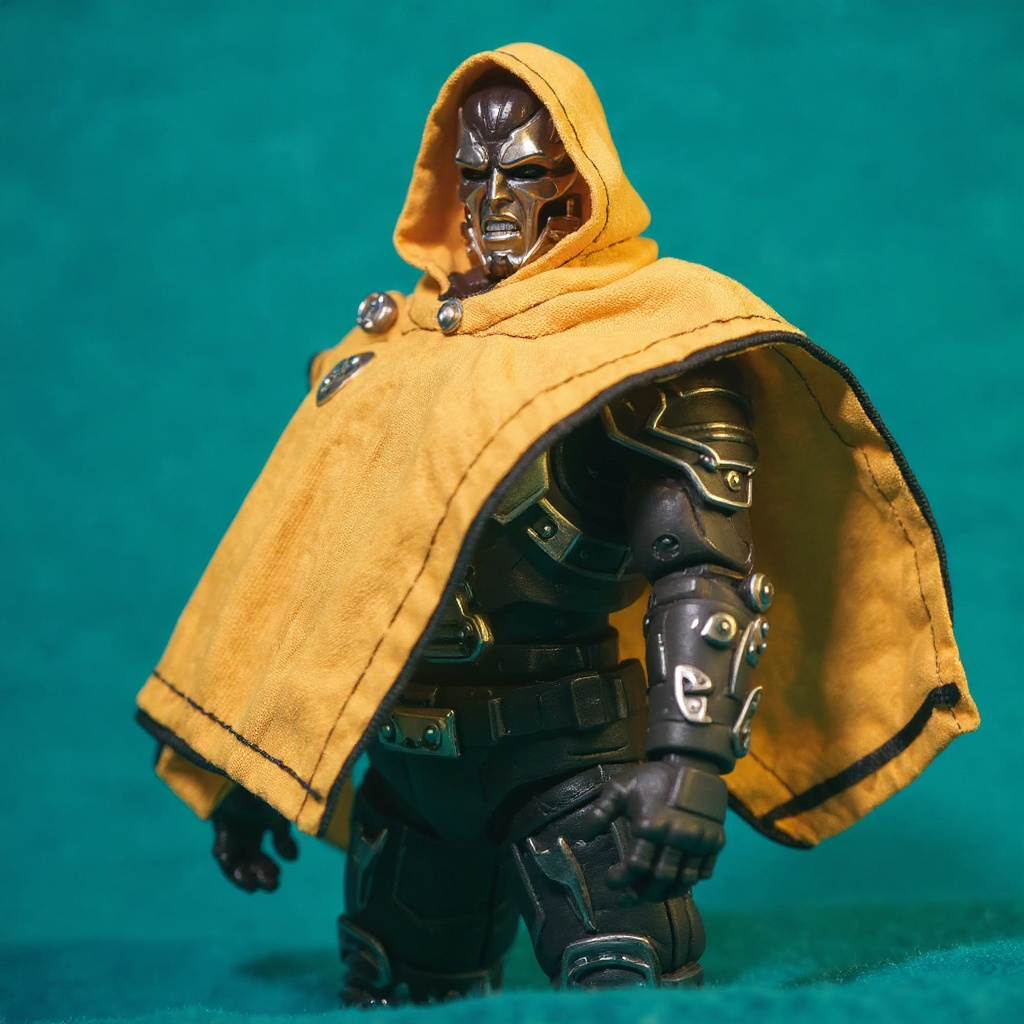
What Handmade Imperfections to Expect
1. Slightly uneven stitching where the wire meets fabric 2. Minor color variations between dye lots 3. Small loose threads that need trimming 4. Hemlines off level by 1-2mm 5. Wire ends that may poke through fabric after months of handling
These aren't defects. They're the cost of handmade goods. If perfect uniformity matters more to you than posability, buy injection-molded plastic instead and skip this whole category.
Loose threads are an easy fix — small fabric scissors, a gentle trim, done. Don't pull. Pulling unravels the seam.
Color matching depends on fabric stock on hand that week. Yellow is especially tricky since dye lots shift batch to batch. If you're ordering multiple capes for a squad, order them together to keep the color consistent.
Storage and Long-Term Shape Retention
Wired capes hold their shape best stored in the pose you want. Don't fold them flat. That creates permanent creases in both the wire and the fabric.
If you need to pack one for shipping or storage, wrap it loosely in tissue paper and use a box big enough that nothing presses against the shaped wire. Skip plastic bags — they trap moisture and cause fabric issues over time.
For display purposes, dust them with a soft brush every few months. Fabric attracts more dust than plastic does, especially in static-prone rooms near forced-air heating.
Temperature matters too. Heat softens the wire and it loses shape. Cold makes it brittle. Room temperature storage is the safe middle ground.
A well-made posable cloth cape for collectible figures works because the wire gives you control — but treat that wire like the delicate mechanism it is, not a coat hanger.
Worth the Investment Over Mass-Produced Options?
Compare the $29 price point to alternatives. Mass-produced resin capes run $10-18 but can't be posed at all. Premium handmade capes from specialized tailors hit $35-50 and sometimes offer no real quality jump over the $29 tier.
For Warhammer collectors, the authenticity factor matters more than people admit. Chapter color schemes and heraldry placement follow established conventions, and a cape that fits physically but gets the trim or stitching pattern wrong will look off in every photo you take of it. For reference on Imperial Fists heraldry conventions, the Warhammer 40,000 Lexicanum covers chapter-specific color and iconography in more depth than most retail listings.
The posability justifies the cost if you shoot photos often or swap displays regularly. Static collectors who set a figure once and never touch it again might be fine with a cheaper option.
Handmade also means limited stock. Popular color schemes sell out and might not restock for months. If you find one matching your army's colors, don't wait around debating it.
Frequently Asked Questions
Is a 1/18 scale wired cape adjustable after you first shape it? Yes, but gently. The wire reshapes multiple times, but excessive bending eventually causes fatigue and breakage. Small adjustments beat dramatic changes every time. What's the actual difference between soft goods and 3D-printed capes? Soft goods are fabric with wire edges for posing and natural draping. 3D-printed capes are solid plastic molded into one fixed pose. Soft goods look more realistic but stay more fragile. Do soft goods capes fit 3.75-inch and 1/18 scale figures the same way? Not exactly. Most capes size for 3.75-inch figures. True 1/18 scale figures often need larger capes, especially across wide armor like a Terminator suit. Can a wired cape hold a pose without a display stand? The cape holds its own shape through the wire, but a top-heavy figure still needs a stand. The wire supports fabric positioning, not figure balance. What should you do about loose threads on a handmade cape? Trim them with small fabric scissors. Don't pull — that unravels the seam. A few loose threads are normal on handmade items and take thirty seconds to fix. How do you attach a fabric cape to Terminator-style armor? Most attach via elastic loops or snaps at the neck and shoulder area. With bulky armor, you may need to remove the figure's head temporarily to get the cape positioned right. Are handmade soft goods capes worth the extra cost over resin? If posability matters for photography or rotating displays, yes. The wire edge gives dynamic options solid resin can't match. For static shelf display only, resin might be enough. How do you store a wired cape so it keeps its shape long-term? Store it in the pose you want, wrapped loosely in tissue paper. Don't fold flat or compress the wire. Room temperature storage prevents softening or brittleness. Why does my yellow cape look slightly different from the product photo? Dye lots vary batch to batch, and yellow fabric shows this more than darker colors. If exact color match matters, ask the seller which dye lot is currently in stock before ordering. Does the fabric fray around the wire over time? It can, especially at stress points where you bend the wire often. Limiting how often you reshape the cape extends its life by a lot — think years instead of months.If you're tired of static plastic capes that look like an afterthought, a soft goods 1/18 action figure accessories cape with a wire edge changes the whole display. The 1/18 Imperial Fists Terminator Praetor Cape delivers handmade quality at $29 — less than premium options, with the posability that makes the extra cost worth it for anyone who photographs their collection.

