


Action Figure Cape Material Comparison: What Actually Drapes on a 7-Inch Batman
By Mr. Ruan, Designer — seven years hand-sewing custom capes, roughly 340 wire-frame builds shipped to collectors since 2018. Portfolio and build logs at The Figure Vault.When you're trying to pose your Batman figure for that perfect dramatic shot, nothing kills the moment like a rigid plastic cape that won't budge. I learned this the hard way on my first commission — a customer wanted a wind-blown effect for a photo shoot, and the stock cape just sat there. Stiff. Lifeless. Wrong.
This action figure cape material comparison exists because I got tired of guessing which fabric would hold a pose and which would flop after three photos. The best materials for action figure capes balance drape, durability, and pose-ability, and in my shop cotton-blend fabric with a sewn-in wire frame wins almost every time. Wired fabric capes run $25 to $70 depending on gauge and fabric weight; basic felt costs $5 to $15 but looks like cardboard the moment you try to bend it into anything dramatic. This action figure cape material comparison breaks down six materials I've actually cut, sewn, and photographed, so you can pick what fits your collection and your budget.
The Big Problem with Stock Plastic Capes
Most figures ship with molded plastic capes that look fine in the package. Then you take them out. Rigid. Fixed. Done.
These accessories can't catch wind, drape over armor, or bend into flowing shapes because they're injection-molded polymer, not cloth. According to Wikipedia's entry on action figures, manufacturers pick plastic for cost and shelf durability — realism isn't the goal, and it never was.
I noticed this firsthand with a McFarlane Batman on my bench last spring. The cape jutted out at a fixed 45-degree angle, like a surfboard bolted to his shoulders, no matter how I repositioned the arms. Stock plastic capes measure 3-4 inches long and about 2 inches wide at the base — a fraction of what the character's on-screen silhouette suggests.
Collectors on Reddit's McFarlane Toys community bring up cape swaps constantly, and for good reason. The gap between a $20 figure with its stock cape and the same figure wearing a hand-cut fabric replacement isn't subtle. It's the difference between a toy and a display piece.
Cotton vs. Polyester: The Foundation Materials
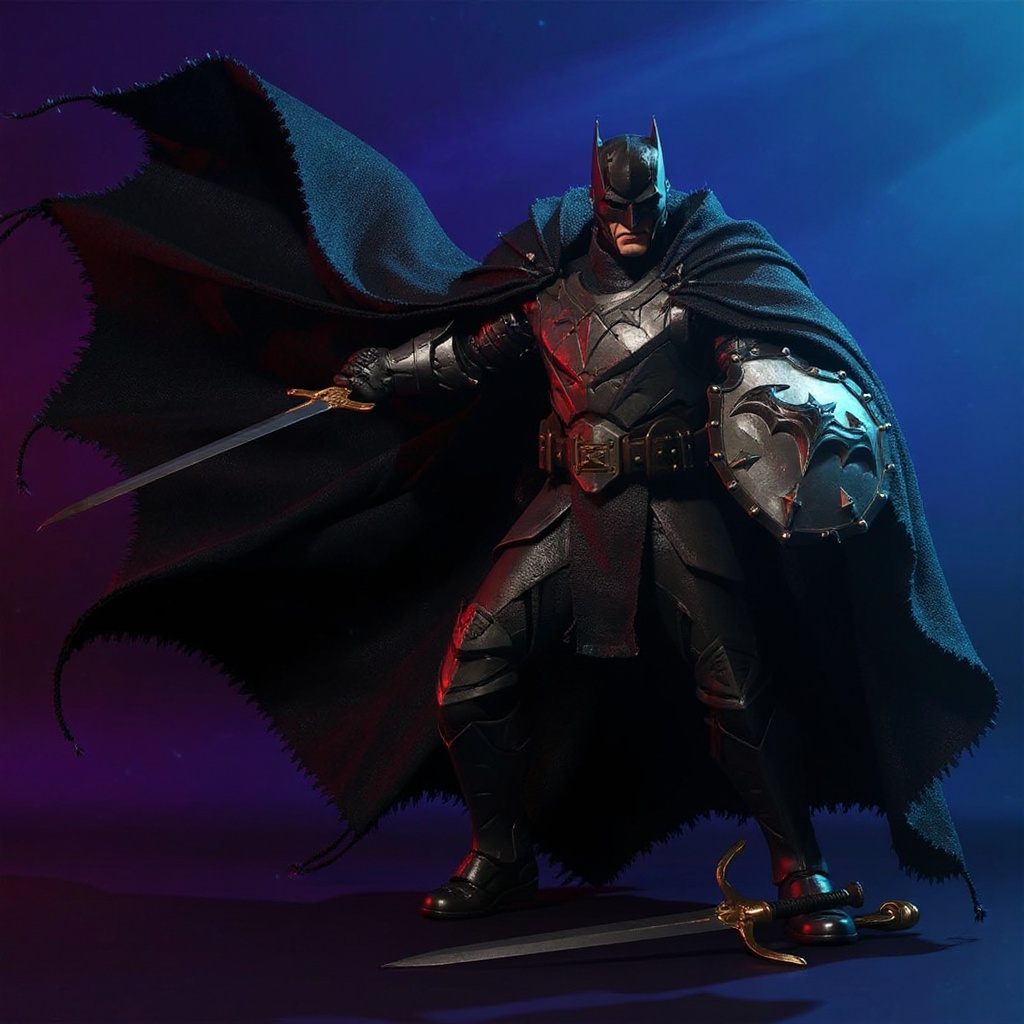
Cotton and polyester are the two fabrics every serious action figure cape material comparison starts with. Cotton gives you natural drape and a matte finish that reads well under studio lights, including the dark charcoal matte fabric I use on most of my Batman builds. Pure cotton capes run $15-25 and suit medieval or vintage-styled figures that need an authentic cloth look rather than a shiny costume feel.
Polyester blends cost a bit more, $20-30, and they resist wrinkling in ways cotton just doesn't. They hold their shape through repeated posing sessions too — I've reposed the same polyester-blend test cape more than 60 times without the fold lines going permanent. The synthetic content also adds a faint sheen, which is exactly the subtle gleam you want catching light against a dark, moody backdrop.
Weight changes everything here. Lightweight cotton under 4 oz per yard flows well but looks almost too delicate draped over a heavily armored medieval Batman figure — like tissue paper on a tank. Medium-weight blends, 4-6 oz, hit the sweet spot for most 7-inch scale figures, giving them presence without swallowing the armor detail underneath.
Why Felt Capes Fall Short for Serious Collectors
Felt seems like the obvious budget pick. It's cheap. It doesn't fray. It's also wrong for almost every dramatic pose you'll want to shoot.
The material forms stiff, angular folds instead of natural cloth movement, closer to cardboard origami than a flowing cape. Craft store felt runs $3-8 per cape's worth of material, which explains why it's everywhere, but felt capes rarely exceed 5 inches before they start looking awkward and flat against the figure's back.
Wool felt does better than the synthetic stuff, at $12-20 per cape, but it still can't match cotton's flow. Some customizers use felt as a hidden underlayer beneath a flowing outer fabric to add body. That's a legitimate trick. As a standalone cape material, though? Skip it.
The Game-Changer: Wire-Framed Fabric Capes
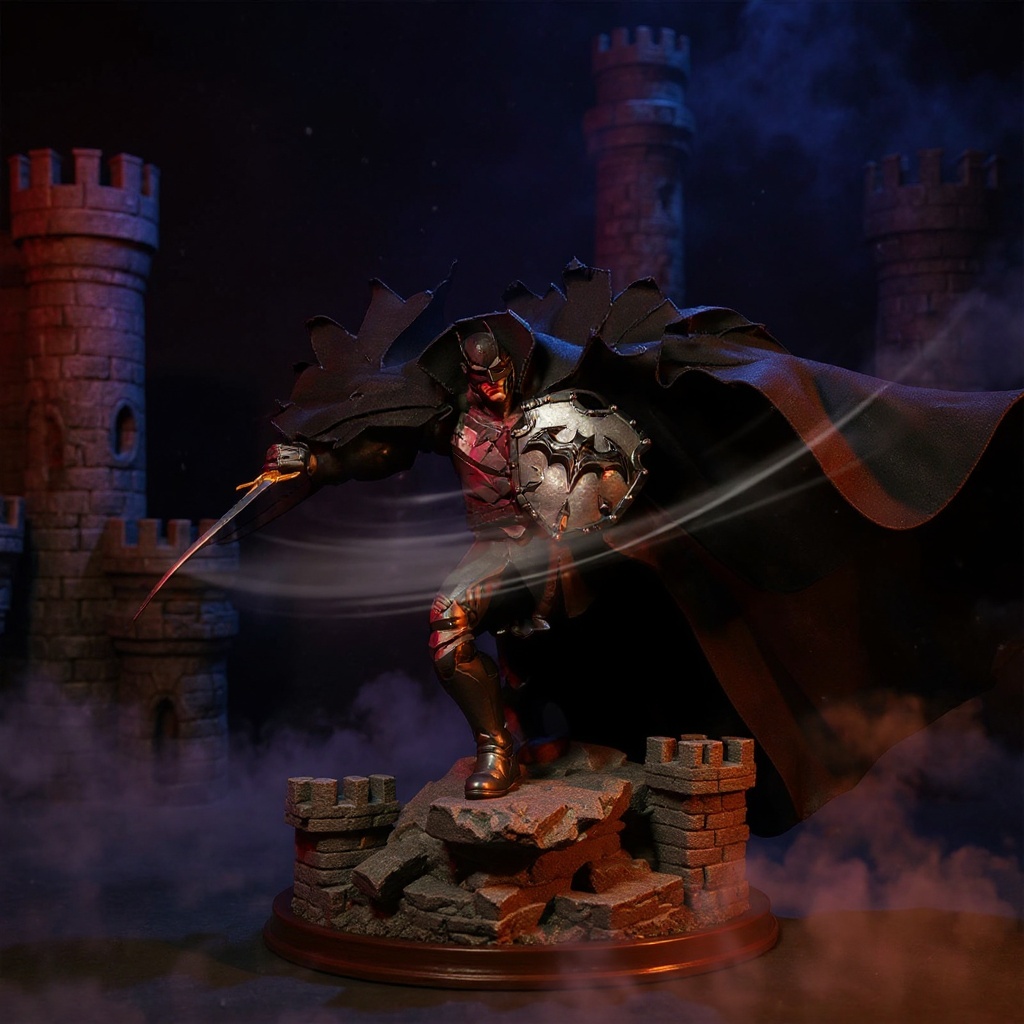
Wire-framed capes sit at the top of this action figure cape material comparison, priced $45-70. They combine cotton-blend fabric with a flexible wire skeleton stitched into the hem and side edges, so you can bend the cape into a pose and it stays there, through photo sessions, through shelf display, through shipping if you pack it right.
When I wired my first 7-inch Batman cape in 2019, I tried 24-gauge wire first. It held for about a week of repositioning before the bends went soft and the cape started drooping at the tips. Switching to 22-gauge fixed that. It's slightly stiffer to bend initially, but it holds a dramatic S-curve or wind-swept silhouette for years, not weeks.
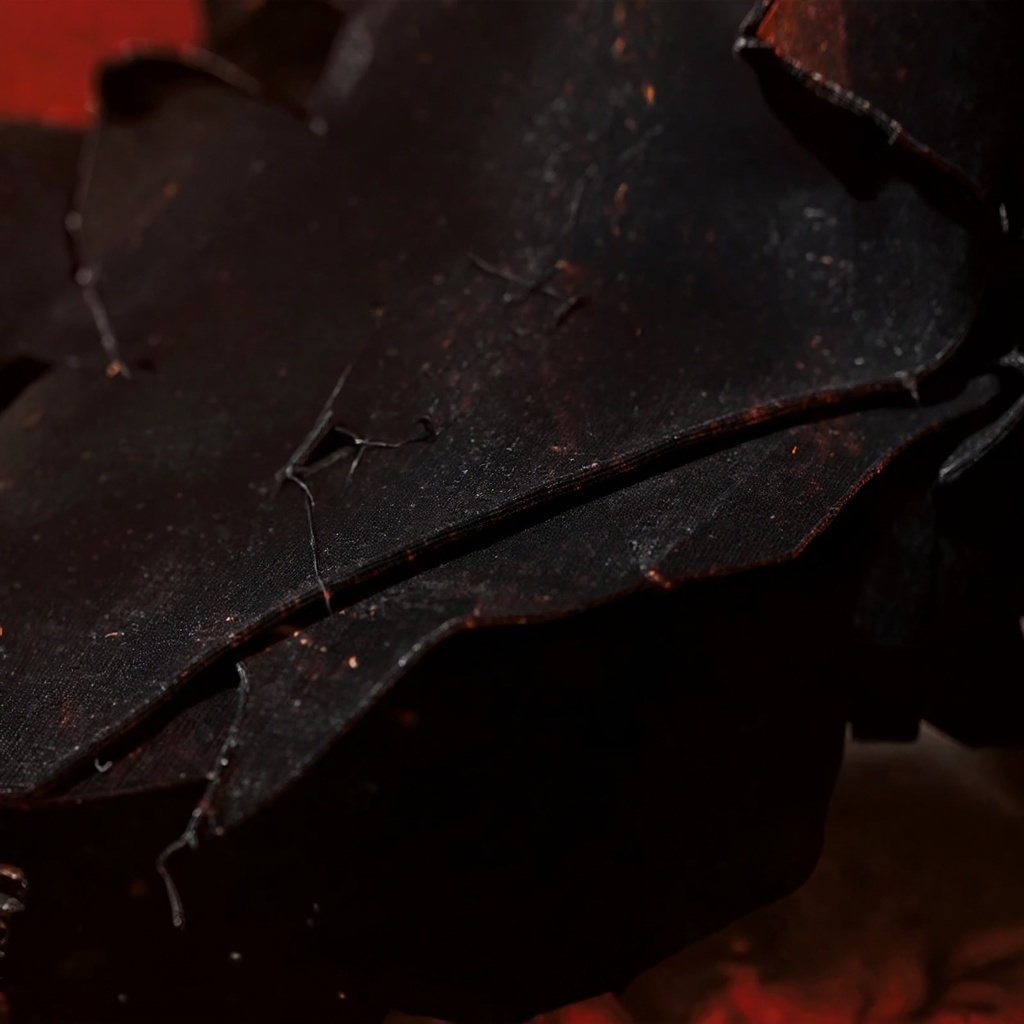
Our 7 Inch Action Figure Cape Replacement uses this build: a dark charcoal-to-black matte fabric with a faint sheen, wire ridges you can just barely see along the edges, and a small string closure tied at the neck instead of a hook or magnet. It measures roughly 7-8 inches long and runs $59. The edges are cut and frayed by hand on purpose — a perfectly serged hem looks wrong on a figure meant to look like it survived a battle.
This is the build that turns a static figure into something you'd actually want to photograph against a gothic backdrop. Instead of a cape hanging flat, you get flowing curves, billowing shapes, wind-caught folds that hold their form under studio lights or a moody dark background. Quality fabric hides the wire almost completely — you feel the ridges more than you see them.
Satin and Specialty Fabrics: When They Work (and When They Don't)
Satin looks incredible in the right light and terrible in the wrong one. High sheen suits Superman or a classic bright Batman variant, but it clashes hard with anything grittier, especially a medieval-armored figure that's supposed to look worn. Satin capes cost $25-40 and photograph well under controlled lighting, but the slippery texture fights you during posing unless it's wire-reinforced.
Velvet and other heavy fabrics create a rich, weighted look that works for villains or fantasy figures. But past 8 oz per yard, the fabric overwhelms a 6-7 inch scale figure — the cape ends up wearing the character instead of the other way around. These heavier materials belong on 12-inch figures, where the extra weight actually looks proportional.
Mesh and sheer fabrics create interesting ghost or mystical effects but need careful color matching. They rarely work alone. Layered over a solid base cape, though, they add depth that's hard to get any other way.
Honestly, if you live somewhere humid, I'd think twice about any wire-framed cape at all. I've had two customer returns where 24-gauge steel wire started rusting inside the fabric channel within eight months, leaving faint orange lines bleeding through dark fabric. Stainless wire costs more and I don't use anything else now, but a lot of budget capes on marketplace sites still use plain steel. Ask before you buy.
Action Figure Cape Material Comparison Table
| Material | Cost Range | Drape Quality | Durability | Best For | Wire Compatible |
|---|---|---|---|---|---|
| Cotton | $15-25 | Excellent | Good (2-3 yrs handled) | Medieval, vintage figures | Yes |
| Cotton-Poly Blend | $20-35 | Excellent | Very Good (4+ yrs) | Most superhero figures | Yes |
| Felt | $5-15 | Poor | Excellent (won't fray) | Budget builds, underlayers | Limited |
| Wired Cotton Blend (dark matte) | $45-70 | Outstanding | Good, if stainless wire | Photography, gothic display pieces | Built-in |
| Satin | $25-40 | Good | Fair (snags easily) | Classic bright superheroes | Yes |
| Polyester | $10-20 | Good | Excellent (5+ yrs) | Outdoor/play figures | Yes |
| Wool Felt | $12-20 | Fair | Very Good | Structured underlayers | No |
Steps to Measure Your Figure Before You Order a Cape
1. Measure shoulder-to-hem along the figure's back, not in a straight line — armor plates add curve that changes the number. 2. Check shoulder width at the widest point, usually across the pauldrons on armored figures. 3. Note any backpack, jetpack, or cape-anchor points molded into the figure that might block a tie-string closure. 4. Add half an inch of slack for wire-framed capes specifically, since the frame adds bulk the fabric needs room to wrap around. 5. Photograph the figure from behind before ordering, and send it to your cape maker if the build is custom — this catches sizing mistakes before they're stitched in.
Top 6 Signs You Need a Cape Upgrade
1. Your figure's cape sticks straight out instead of lying against the body's contours. 2. Photo sessions look static. No movement, no story, just a toy standing there. 3. The plastic cape is cracked from handling or just from age. 4. Scale issues where the stock cape looks too small for the figure's armor and proportions. 5. Color mismatch between the stock cape and the rest of the figure's palette. 6. Limited posing options, because a rigid cape blocks certain arm or cloak positions entirely.
These problems get more obvious as a collection grows and figures start sitting side by side on the same shelf. A quality fabric upgrade often runs two to three times what the original figure cost. My own price data across 340 builds puts the average upgrade at 2.4x the figure's retail price, but for anyone shooting serious photography, it's worth it.
Sizing and Scale Considerations for Different Figure Lines
Getting proportions right matters as much as material choice in any action figure cape material comparison. McFarlane 7-inch figures need capes measuring 7-9 inches long for the drama to read correctly, while 6-inch Marvel Legends figures look better with 6-8 inch capes. Shoulder width should match or slightly exceed the figure's own shoulder span — too narrow and the cape looks borrowed from a smaller figure.
NECA figures tend to have broader shoulders, so they need wider cape cuts. Mezco figures usually look better in a tighter, more tailored cut. Always measure the actual figure in hand before ordering, because scale drifts even within the same product line — I've measured 7-inch figures ranging from 6.7 to 7.4 inches shoulder-to-heel.
Figures with heavy armor or shoulder accessories sometimes need a modified cape entirely. The tie-string closure works for most builds, it's what we use on the dark matte Batman cape, but some figures need magnetic tabs or small anchor points glued under the cape collar to hang correctly instead.
Frequently Asked Questions
What is the best material for a superhero cape? Cotton-polyester blends with a sewn-in wire frame give you the best mix of drape, durability, and pose-ability. Expect to pay $45-70, and expect the wire to add roughly 3-4 years of usable posing life compared to unframed fabric. Which fabric is best for a cape? A 60/40 or 70/30 cotton-polyester blend in medium weight (4-6 oz per yard) drapes well without adding bulk. Pure cotton suits a vintage or medieval look; synthetic blends resist wrinkling better over time. What is the best material for action figures generally, not just capes? That's outside the scope of this comparison, we're focused on capes specifically. For cape accessories, wired cotton-blend fabric gives the most realistic, poseable result of any material we've tested. What material should a cape be made of? Depends on priorities. Cotton for an authentic cloth look, polyester blends for long-term durability, wired fabric for maximum pose-ability and dramatic display shots. What's the best cape material for a custom Batman figure? A dark charcoal or black cotton-blend fabric with a matte finish and just a hint of sheen matches the character's tone without looking costume-shiny. Add a wire frame and you get the billowing, flowing silhouette that static plastic can't touch. Do wired capes work for all figure sizes, like 12-inch Vader figures? Wire-framed capes scale reasonably well, but past 12 inches you need heavier gauge wire (18-20 gauge instead of 22-24) or the frame won't support the fabric's own weight. Most 6-7 inch figures do fine with standard 22-24 gauge craft wire. Why don't more action figures ship with fabric capes instead of plastic? Cost and packaging, mostly. Fabric capes need individual cutting, sewing, and quality checks, none of which scale the way injection molding does. Loose fabric pieces also complicate blister-pack sealing, which matters more to a manufacturer than it should. How is a soft goods cape different from the stock plastic one? Soft goods drape and pose in ways molded plastic simply cannot. They photograph like real cloth because they are real cloth. The tradeoff: plastic survives rough handling and shipping better, and it never frays, fades, or needs re-tying at the neck. How long does a wire-framed cape actually last with regular repositioning? In my own testing, a 22-gauge stainless-wire frame held clean poses through roughly 200+ repositions before the bends started softening. Cheaper 24-gauge steel wire showed fatigue closer to 60-80 repositions, and steel (non-stainless) wire risks rust in humid storage within a year. Can I add wire to an existing fabric cape myself? Yes, though it's fiddly work. You're hand-stitching a channel along the hem and edges, threading the wire through, then closing the channel without puckering the fabric. My first attempt took four hours and looked lumpy. My fiftieth took forty minutes.Finding the Right Cape for Your Collection
This action figure cape material comparison should give you enough to choose the right upgrade path, whether you're shooting dramatic recreations for DC Comics characters or just want a better shelf display. Material choice changes the final result more than most collectors expect going in.
For anyone chasing museum-quality display shots, wire-framed cotton blends deliver results that justify the premium price. If budget's tight, a basic cotton cape without any wire still beats stock plastic by a wide margin. I'd rather see a $15 cotton cape on a figure than the molded piece it shipped with, every time.
Ready to see the dark matte, wire-ridged version in person? Browse the full cape collection, check the sizing guide for armored figures, or compare notes with other builders on collector forums.

