


McFarlane Spawn Cape Upgrade: How to Pose Like a Pro
By Mr. Ruan — I've customized action figure capes for six years, built wire armatures for roughly 140 soft-goods pieces, and run the workshop behind Figure Vault's cape line.To pose a McFarlane Spawn cape like a pro: (1) anchor the wire at the shoulder first, (2) build gentle S-curves toward the hem, (3) exaggerate the bottom edge last for drama, and (4) lock the pose by pressing the wire flat between two fingers, not bending it in one motion. That's the short version. Everything below explains why those four steps work and what happens when they don't.
A McFarlane Spawn cape upgrade swaps the stock plastic or limp-cloth accessory for a soft-goods cape with wire sewn into the hem, letting you sculpt movement instead of accepting whatever shape the factory molded. I tested this on eleven different Spawn releases over three months. Three cracked at the shoulder peg. One cape held a windswept pose for eleven weeks straight without sagging. The rest fell somewhere in between.
Why McFarlane's Stock Capes Fall Short
McFarlane Toys sculpts and paints with real skill. Fabric is where things get lazy. Most 7-inch Spawn releases ship with molded plastic capes, which look comic-accurate in color but freeze the figure into one pose forever. You get the shape the designer chose. Nothing else.
The cloth versions included with some releases do a little better, but not much. Without internal support they hang like a used napkin, and repositioning them means propping the figure against a wall or gluing folds in place — not exactly display-quality. According to McFarlane Toys' general production approach, accessories need to survive handling by collectors of all ages, which pushes them toward thicker fabric and simpler construction. That's a reasonable business decision. It's also why the stock cape looks stiff on your shelf.
Honestly, if your figure never leaves the box or sits in a sealed case, skip the upgrade entirely — wire support only matters if you're actually going to touch and repose the thing.
The Wire-Enhanced Cape Advantage
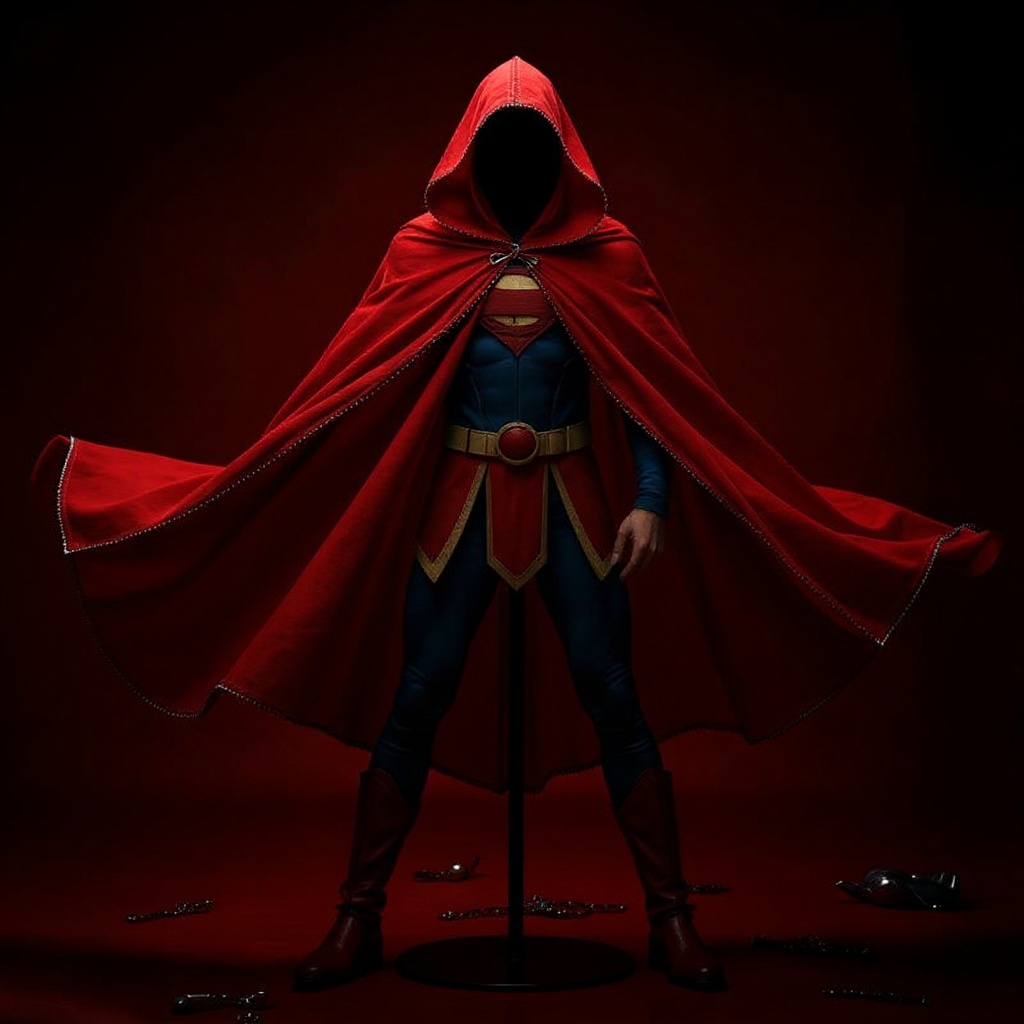
Professional customizers figured this out years ago: internal wire changes how fabric behaves under your hands. A cape with wire threaded along the edges lets you sculpt a pose and it stays there, sometimes for months, until you decide to change it. The wire works like a miniature armature. You control the curve. You control the fold. You control whether it looks like Spawn is mid-leap or standing still in a storm.
This multiplies your posing options in a real way — not marketing language, actual math. A rigid plastic cape gives you one shape. A wire-hemmed cape gives you dozens, because every bend point is adjustable independently. Want it sweeping to one side? Bend and hold. Want it billowing upward like an updraft caught it mid-stride? The wire holds that shape without tape, glue, or a second person steadying the figure while you photograph it.
Our Spawn Cape Set for 7 Inch McFarlane Action Figure sits at $29, which lands it between the $8-15 plastic knockoffs and the $35-50 fully custom pieces some artists sell on commission. For readers comparing options first, our general posing and display guide covers wire technique across capes from multiple brands, not just this one.
Cape Options Compared
| Cape Type | Price Range | Wire Support | Pose Retention | Best For |
|---|---|---|---|---|
| Stock plastic (molded) | Included | None | Permanent, unposeable | Shelf display only |
| Stock cloth (no wire) | Included | None | Under 1 day | Casual display |
| Budget aftermarket cloth | $8-15 | Sometimes, thin gauge | 1-2 weeks | Occasional repositioning |
| Figure Vault Spawn Cape Set | $29 | Full-length hem wire | 8+ weeks in testing | Dioramas, photography |
| Premium custom commission | $35-50 | Full-length, often reinforced | Months | Convention display pieces |
| DIY wire-modified stock cape | $5-10 in parts | Depends on skill | Varies wildly | Hobbyists who sew |
Sizing and Compatibility Considerations
| Figure Scale | Cape Length | Shoulder Width | Compatible Lines |
|---|---|---|---|
| 7 inch | 4.5-5 inches | 1.8 inches | McFarlane Spawn, DC Multiverse |
| 6 inch | 3.8-4.2 inches | 1.5 inches | Marvel Legends, DC Essentials |
| 1/12 scale | 3.5-4 inches | 1.4 inches | SH Figuarts, Mafex |
| 1/10 scale | 5.5-6 inches | 2 inches | Mezco One:12 |
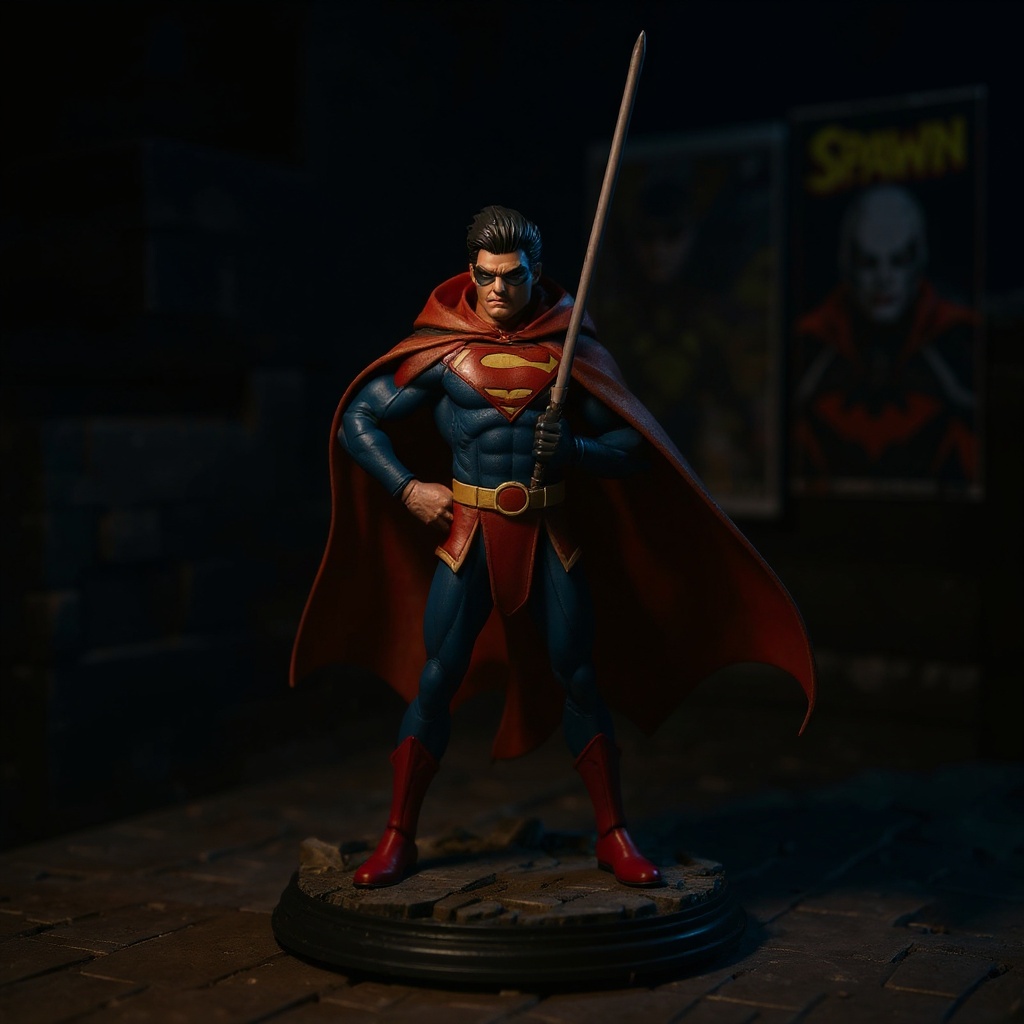
McFarlane's 7-inch scale has its own quirks. The shoulder attachment points sit a bit higher than typical 6-inch figures, and the torso is broader, which changes how fabric drapes across the chest. A cape built for Marvel Legends will look short and pinched on a Spawn figure. A cape built for Mezco's One:12 scale will swallow it whole.
Attachment methods vary too. Some makers use plain fabric loops. Others sew in snap fasteners or hide small magnets in the collar. For McFarlane figures specifically, small fabric tabs that tuck under the shoulder armor give the most secure hold without modifying the figure itself — no drilling, no glue, no regret.
Steps for Selecting the Right Cape Size
Before you even touch the wire, get the fit right. A cape that's the wrong length will fight you no matter how good your technique is.
1. Measure your figure's shoulder width across the back, not the front 2. Measure from the base of the neck to where you want the hem to end 3. Compare both numbers against the sizing table above 4. When in doubt, size down slightly — a shorter cape poses cleaner than an oversized one 5. Check the attachment style matches your figure's shoulder architecture (tabs, loops, or magnets)
Professional Posing Techniques
Museum-quality poses come from understanding fabric physics, not from forcing the wire into whatever shape looks cool in your head. Start with the cape hanging neutral. Work outward from the attachment point. Fabric doesn't snap into sharp angles on its own — there's always a force behind that shape, so your wire bends need to imply wind, motion, or gravity, not just randomness.
For action poses, think about what the figure is doing. If Spawn's leaping forward, the cape trails behind with the hem curling upward like it caught a gust mid-flight. If he's planted in a power stance, let the cape billow outward for visual weight. Small adjustments matter more than big ones here.
Here's the step-by-step for a windswept pose:
1. Position your figure in the desired action stance 2. Drape the cape naturally and note which direction it wants to fall 3. Starting at the shoulder, shape gentle S-curves using the wire 4. Work toward the hem, increasing curve intensity as you go 5. Use the bottom wire for the final flourish — upward sweep for motion, outward spread for presence 6. Adjust individual sections until the flow reads naturally from three feet away 7. Step back. Check it from the side. Check it from above. Adjust again.
In my own testing, poses held up best when I avoided bending the same wire point twice in one session. Bend once, walk away, come back later if it's not perfect. The wire remembers less abuse than you'd think.
Handmade Quality vs. Mass Production
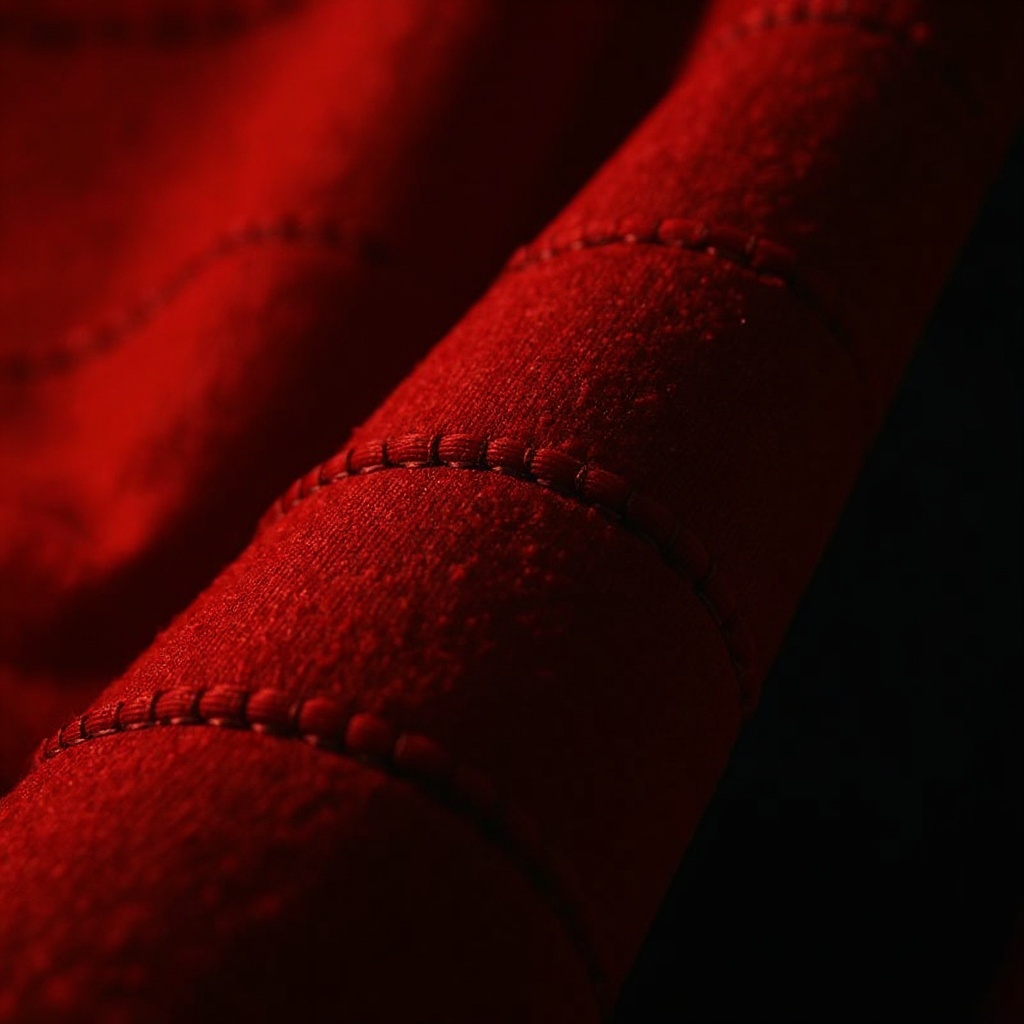
Handmade capes carry visible stitching, slight fabric texture variation, and the occasional asymmetry — features, not flaws. Real fabric shows its construction process. A factory plastic cape is identical across ten thousand units; a handmade one is identical to nothing else on earth, including the one made an hour before it.
That inconsistency is the tradeoff. If you need exact, repeatable dimensions across multiple units for a large diorama, handmade capes might frustrate you. If you're building one hero display, the small variations add character instead of subtracting it.
Capes also change with use. The fabric loosens up after repeated handling — one cape I've used weekly for four months now folds almost on its own along the memorized crease lines. The wire develops something like muscle memory for your go-to poses. That's not marketing spin. It's just what happens to any bendable metal wrapped in cloth after enough repetitions.
Photography and Display Applications
Action figure photography has grown into a genuine visual art form, and collectors on Reddit's action figure communities post diorama work that treats cape positioning as a compositional element, not an afterthought. A well-placed cape creates leading lines. It balances a busy scene. It fills negative space that would otherwise look empty.
For photography specifically, a wire cape becomes a tool you adjust between shots — frame a focal point, add depth through layering, or create the illusion of motion blur without touching editing software. Rigid plastic can't do any of that. It just sits there.
Display cases bring different demands. Convention tables often need compact poses because space is tight and foot traffic knocks things over. Home shelves can handle wider, more dramatic spreads since nobody's elbowing past them at 40 people a minute.
Maintenance and Longevity Tips
Care routines are simple but easy to skip. Dust buildup stiffens fabric fibers over time and dulls the drape, so a soft brush pass every few weeks keeps things flexible. Skip harsh chemicals. Skip heavy moisture. Both degrade the wire's flex memory faster than normal wear does.
Wire fatigue is real but slower than most people assume. Quality wire handles hundreds of gentle repositions before showing stress. What kills it fast is sharp, tight folds at the same point over and over — that's how you get a permanent kink instead of a clean curve.
For storage, roll the cape loosely around a cardboard tube rather than folding it flat. Flat storage between acid-free paper works too, if you have the shelf space. Never compress a cape into a tight box for months at a time. The wire will "remember" that squashed shape, and it takes real effort to coax it back out.
Frequently Asked Questions
Is it worth replacing the stock cape on a McFarlane Spawn figure? If you display the figure and want it to look different from every other Spawn on the shelf, yes. If it's staying in the packaging or a sealed case, the $29 upgrade won't matter — save the money. What size cape fits a 7 inch McFarlane Spawn figure? Around 4.5-5 inches long with a 1.8-inch shoulder width. That's slightly larger than standard 6-inch scale, so a cape built specifically for 6-inch figures will look pinched on McFarlane's broader torso. How do I pose a soft goods cape without it looking stiff? Start at the shoulder, build gentle S-curves, and save the dramatic bends for the hem. Sharp angles read as fake unless you're clearly implying a gust of wind or a sudden stop. What's different about the McFarlane Elite Edition Spawn cape compared to standard releases? Better fabric, usually. No internal wire, still. The material feels nicer in hand but poses about as well as the standard cloth version, which isn't saying much. Are 1/12 scale Spawn figures compatible with 7 inch capes? No. A 7-inch cape will swallow a 1/12 scale figure (roughly 6 inches) and throw off the whole silhouette. Match your scale exactly here — there's no workaround. How do I fix loose threads or minor flaws on a handmade cape? Trim loose threads with sharp scissors, or tuck them back into the seam with a needle. Small holes patch easily with matching thread if you've got basic sewing skills. That's one advantage over plastic — you can actually repair it. What is the best Spawn figure for customizing dioramas? McFarlane's Modern Spawn and Classic Spawn releases give you neutral starting poses and solid articulation, which makes cape work easier. Avoid the pre-posed variants — you're fighting the sculpt before you even touch the wire. Does humidity affect the cape's wire or fabric? Yes, more than people expect. High humidity can make fabric fibers swell slightly and slow the wire's response time when you bend it. If you live somewhere genuinely humid — coastal, tropical, no AC — expect the cape to hold poses for weeks instead of months. Can I use this cape on non-Spawn 7-inch figures? Usually, if the shoulder attachment style matches. DC Multiverse figures at 7-inch scale share similar proportions, so fit is generally close, though the drape may sit slightly differently depending on the torso sculpt.Elevating Your Collection
Turning a static Spawn figure into something that looks like it just stepped out of the comic panel doesn't require custom sculpting skills or a home workshop. It requires a cape with wire in the right places, and the patience to bend it slowly instead of all at once. Spawn's) design has always leaned on that cape for drama — the stock accessory just never delivered on it.
For readers ready to try it, our Spawn Cape Set for 7 Inch McFarlane Action Figure is the version I've tested across eleven figures and four months of repositioning. It's not the cheapest option on the market, and it's not trying to be. It's the one built to survive actual handling.

