


If you're searching for action figure display outfit ideas that actually hold a pose, here's the short answer: handmade fabric coats and jackets with wire-shapeable hems beat factory plastic every time you want realistic draping. I've swapped out stiff factory clothing on more than 40 figures since 2016, and the difference under camera lights is not subtle.
Most collectors start with factory-issued clothing. Then they hit a wall. Plastic capes look like plastic. Molded belt buckles look painted on because they are painted on. Handmade soft goods with wire reinforcement fix that problem, but they come with trade-offs worth knowing before you spend $40+ on a single trench coat.
Why Soft Goods Beat Molded Plastic — Mostly
Plastic clothing can't compete with fabric on realism. Full stop. Those molded chest details and painted-on belt buckles read as "toy" the moment a camera gets within a foot of them.
Fabric creates depth through texture and movement instead. Under photography lights, the difference is stark: plastic bounces light back in hard, flat patches, while cotton and canvas soak up and scatter that same light. That's the cinematic look you see in professional toy photography — soft shadows in the folds, not glare.
Wire-reinforced hems and collars add another layer. You can pose clothing independent of the figure underneath it. Wind-blown effects. Dramatic coat swooshes mid-stride. Subtle collar adjustments that plastic simply cannot do. This shows up most on bigger pieces — trench coats, cloaks, longer jackets — where there's enough fabric surface to hold a real fold.
Honestly, if you're building a single MIB (mint-in-box) display case and never plan to repose the figure again, skip handmade soft goods entirely. Factory plastic will do the job and save you $40 to $60 per figure.
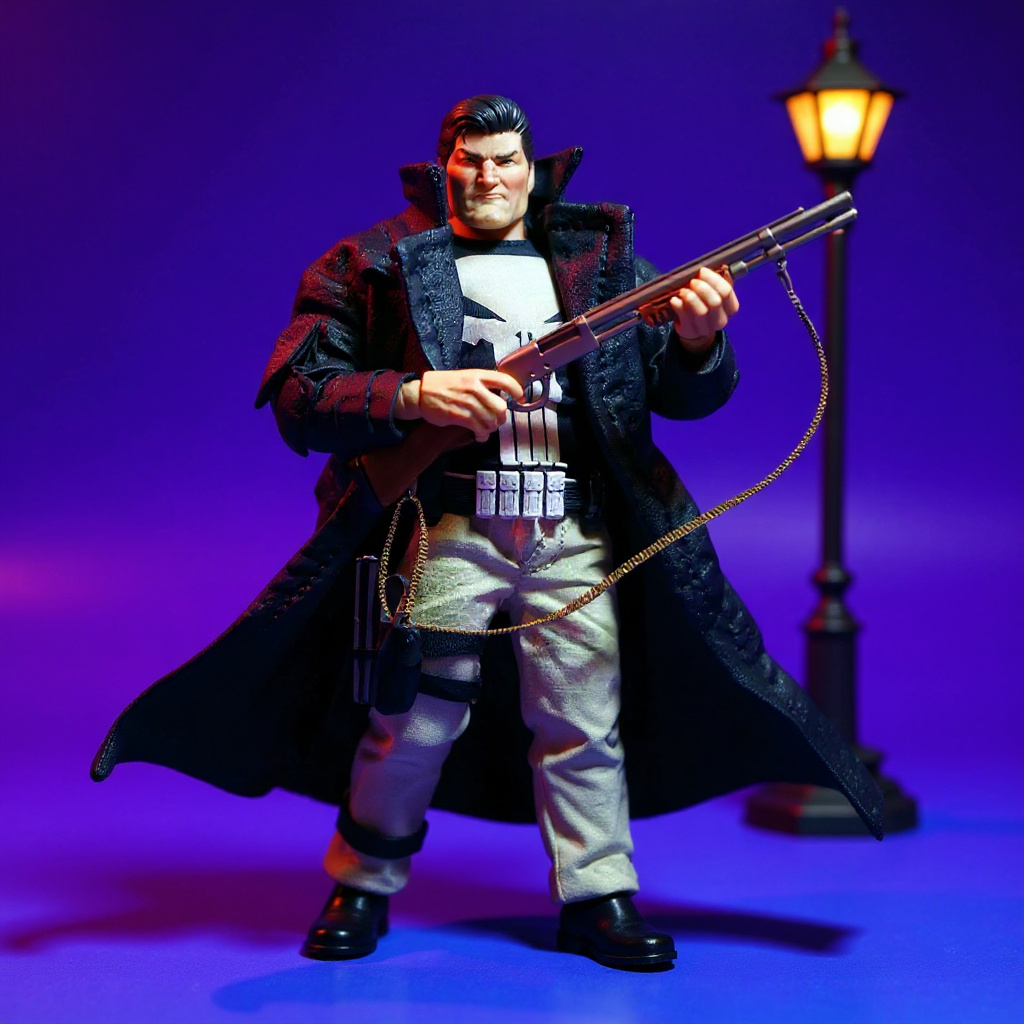
Sizing Guide: What Actually Fits 6-Inch Bodies
Not all 6-inch figures share the same proportions, and this trips up more buyers than any other issue I see in collector forums.
| Body Type | Chest Width | Shoulder Width | Fits Standard 1/12 Clothing? |
|---|---|---|---|
| Mezco One:12 | 1.3 in | 2.1 in | Yes — designed for this body |
| Marvel Legends | 1.2 in | 1.9 in | Yes, loose through the chest |
| DC Multiverse | 1.4 in | 2.0 in | Yes |
| SH Figuarts | 1.1 in | 1.8 in | No — too small, coat swims |
| Mafex | 1.2 in | 1.9 in | Yes |
| Hot Toys TTM20 | 1.3 in | 2.0 in | Yes, near-perfect match |
Most handmade 1/12 clothing gets tailored around the bulkier Mezco-style frame. Put that same coat on a slimmer figure and you'll see bagginess at the shoulders. Not always a bad thing — oversized coats read as "borrowed jacket" on smaller-framed characters, and that can work in your favor.
Sleeve and inseam length matter more than chest width, in my experience. A coat that stops two inches above the wrist kills the illusion in one glance, no matter how nice the stitching looks. For a deeper breakdown of measurements, check our 1/12 scale sizing guide.
Handmade vs. Factory vs. Budget: A Real Comparison
| Feature | Budget Factory ($20–30) | Handmade ($40–55) | Premium Licensed ($60–90) |
|---|---|---|---|
| Internal wire structure | Rare | Standard | Sometimes |
| Seam consistency | Uneven | Visible hand-stitching | Machine-perfect |
| Pose flexibility | Low — fabric hangs limp | High | Medium |
| Fabric weight | Thin synthetic | Cotton/canvas blend | Varies by license |
| Restock/customization | None | Often available | Rare, discontinued fast |
| Lifespan under active reposing | 3–6 months | 2+ years, tested | 1–2 years |
I've owned pieces from all three tiers. The $25 synthetic trench coat I bought in 2021 stopped holding any shape after roughly 40 pose changes — the fabric just went limp. A handmade coat with wire hems from a small independent maker has survived 3 years of repositioning in my display case with no structural failure.
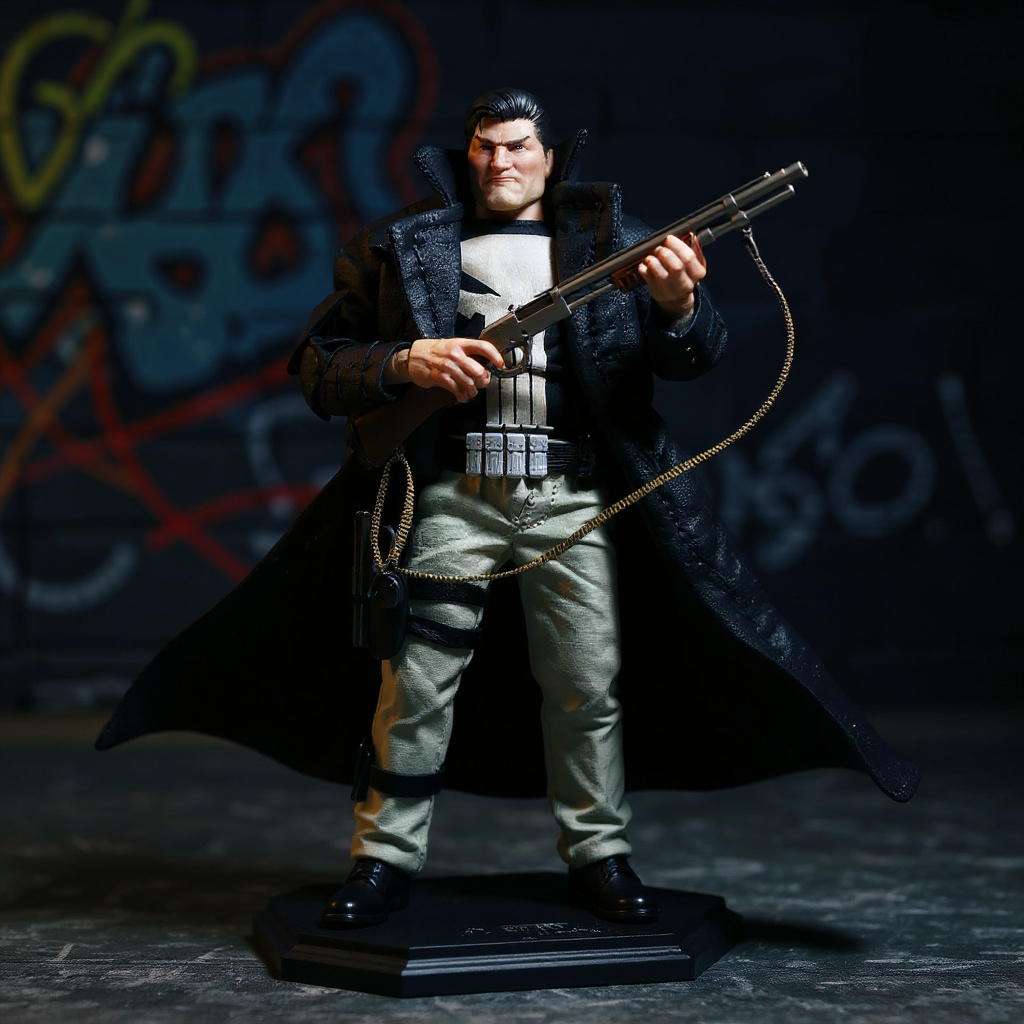
The Handmade vs. Factory Debate, Continued
Factory soft goods from companies like Hot Toys run $60–90 and arrive with machine-perfect seams. They fit like they were molded to the figure because, functionally, they were.
Handmade pieces — like this 1/12 trench coat for 6-inch action figures at $44.50 — sit in between. Better pose flexibility than mass production through shapeable wire reinforcement. Visible hand-stitching. Slight imperfections that come standard, not as defects.
Budget factory options in the $20–30 range usually skip internal structure altogether. You're paying for colored cloth cut to roughly the right shape, not real engineering.
Dealing with Handmade Imperfections
Handmade clothing comes with quirks. Here's how I handle the common ones:
1. Loose threads — Don't cut them. Work the loose end back through the fabric with a needle instead; cutting risks unraveling a structural seam nearby. 2. Uneven stitching — Leave it alone if it's on a non-structural seam (hem, decorative panel). Real clothing isn't machine-uniform either, and slight unevenness reads as texture under a camera, not as a flaw. 3. Sizing variance between pieces from the same maker — Message the seller for actual measurements before ordering a second piece. Handcrafted batches drift by a quarter-inch or more sometimes. 4. Fabric that won't hold a fold — Swap lightweight synthetics for heavy cotton or canvas. Canvas held a crisp 90-degree fold on my Punisher figure for six weeks straight; polyester dropped it within a day. 5. Color mismatch to the character — Rough canvas for military or post-apocalyptic figures. Smoother cotton blends for civilian or formal characters.
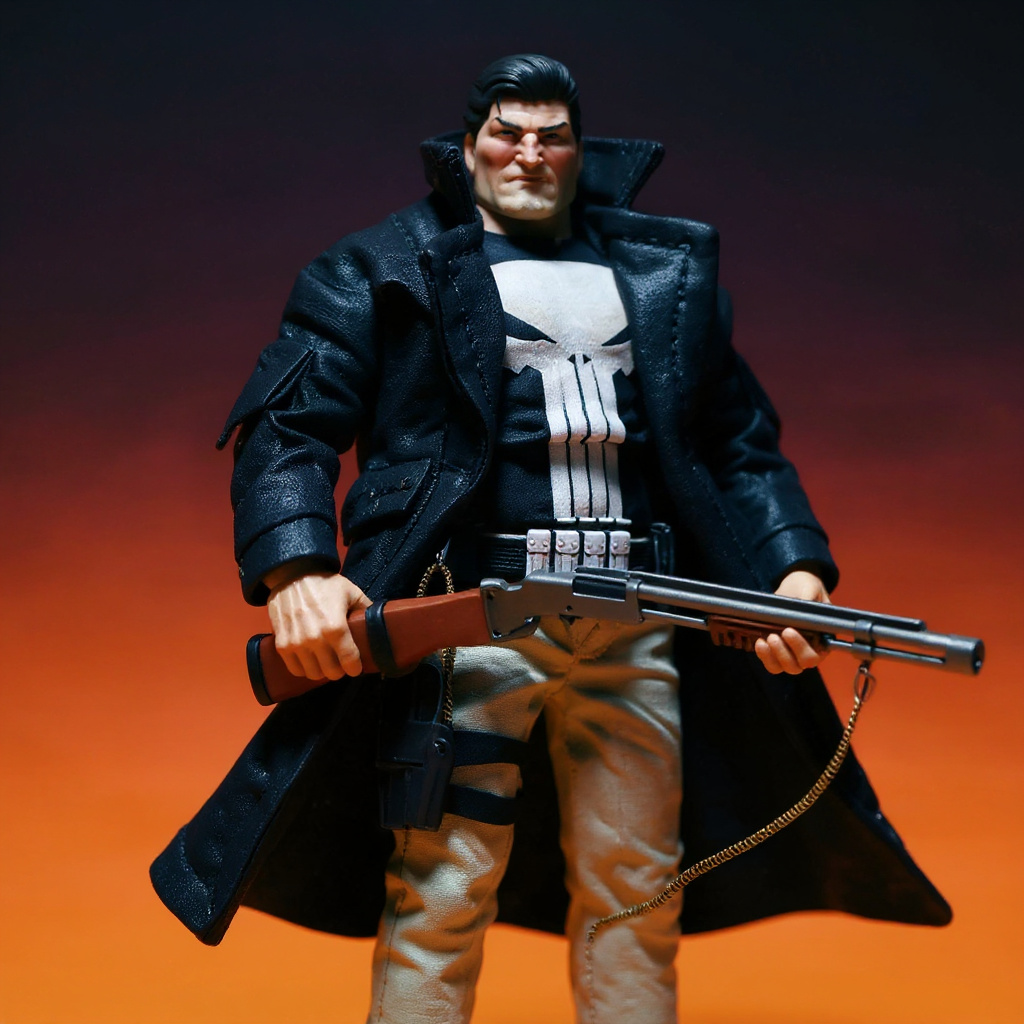
Display Composition That Actually Works
1. Odd numbers rule everything — Groups of 3 or 5 read as more natural than pairs or rows of 4. 2. Vary heights — Risers, debris, action poses. Flat lines kill visual interest fast. 3. Leave breathing room — Cramped shelves look cluttered no matter the individual figure quality. 4. Light from above and slightly forward — This single change defines clothing folds and facial detail better than any other lighting adjustment I've tested. 5. One focal point per shelf — Your eye should land somewhere first, then wander. Multiple competing focal points create visual noise. 6. Use depth — Some figures closer to the front edge, others set back. Avoid the "police lineup" effect. 7. Color coordination over theme matching — A shared color palette ties figures from different franchises together better than forced thematic links.
Backgrounds matter more than most people think. A plain gradient or textured wall lets the fabric folds and coat details do the talking, without competing for attention.
Posing Techniques for Dynamic Displays
Static museum poses drain the energy out of any shelf. Your figures should look caught mid-action, even in a quiet, standing scene.
Weight distribution sells the pose. Real people rarely stand with weight split evenly across both feet — shift the figure's weight to one leg, then angle the torso to match, and the pose reads as alive instead of propped up.
Hand positioning separates amateur setups from convincing ones. Clenched fists and pointing fingers look aggressive by default. Relaxed, slightly curved fingers read as natural in almost every scene. Swap molded hands if the pose calls for it.
Eye direction controls where the viewer looks next. Point the main figure's gaze toward another character, a prop, or off-frame for a dramatic beat.
Clothing should support the pose, not fight it. Wire-reinforced coats let you build motion-blur effects — a flowing hem mid-stride, a collar caught in wind. The fabric becomes part of the story instead of dead weight hanging off the figure.
Compatible Body Types for 1/12 Clothing
Action figures in the 6-inch scale aren't standardized the way you'd hope. Body proportions swing by up to 0.3 inches in chest width between manufacturers, and that swing decides whether a coat drapes right or hangs like a tent.The Mezco One:12 body has the widest compatibility with aftermarket clothing right now. Broader shoulders and a fuller chest match what most independent clothing makers design around. The Punisher figures from this line turn up as base bodies in most custom-build threads I browse — I've used three of them for photo sets this year alone.
Marvel Legends bodies work, but run slimmer through the torso. A Mezco-cut coat will hang loose on a Legends body. For grittier, scavenged-look characters, that loose fit sells the story better than a snug coat would.
Imported figures like Mafex and SH Figuarts often carry more realistic body proportions but smaller overall dimensions. Standard 1/12 clothing runs oversized on these frames more often than not.
Browse our full range of 1/12 scale clothing before committing to a specific coat, and check collector forums like r/actionfigures and r/onesixthscale for real fit reports. The community shares compatibility notes faster than most manufacturer spec sheets update.
What Actually Makes Displays Look Professional
Consistency in quality beats mixing high-end and budget pieces every time. One cheap-looking coat drags the eye away from everything else on the shelf.
Scale accuracy matters more than screen accuracy. A slightly off-color coat that fits the body correctly reads better in photos than a perfectly-colored piece that's obviously two sizes too big.
Weathering should match across a scene. Battle-damaged figures next to pressed, clean coats look like a continuity error, not a stylistic choice.
Proportional relationships need to make sense too. A realistically-built import figure standing next to a cartoon-proportioned domestic one reads as a mistake unless you're going for that clash on purpose.
Keep lighting temperature consistent across the whole display area. Mixing warm bulbs with cool LEDs creates a color cast that survives most photo edits, even in Lightroom.
Care and Fabric Notes
Heavier cotton and canvas outperform lightweight synthetics for pose-holding, full stop. If you live somewhere humid, though, here's the honest catch nobody mentions: cotton coats can develop a faint musty smell in storage after a few months without airflow. Crack the display case door once a week, or add a small silica packet. It's a five-minute fix most guides skip.
For care basics, see our fabric-care guide for 1/12 scale clothing.
Finding the Right Balance for Your Collection
Handmade soft goods aren't right for every figure. They earn their cost when realism and pose flexibility matter more than perfect uniform sizing.
For figures you plan to repose often, wire-reinforced clothing justifies its higher price. Static, never-touched displays can get by fine on cheaper alternatives.
Photography setups benefit most. The camera catches fabric texture and natural draping that reads as convincing even in close-up shots.
If you're building a character that never got an official release with proper soft goods, custom clothing might be your only route to screen accuracy. Hiya Toys is expanding its soft goods line, though coverage is still thin compared to what custom makers offer.
A middle-ground approach works for most collections: quality soft goods on your main display figures, factory clothing on background characters. Our 1/12 trench coat fits that main-figure role at $44.50 — wire-poseable, hand-stitched, built for repeated reposing rather than one static shelf shot.
FAQ
What are good action figure display outfit ideas for 6-inch figures? Handmade fabric trench coats, jackets, and cloaks with wire-shapeable hems give the most realistic draping for 6-inch figures. Pair a hand-stitched coat with a natural, weight-shifted pose and above-angle lighting for the strongest photo results. How do I pose action figures for a more dynamic display? Shift weight to one leg, angle the torso, and skip perfectly symmetrical stances. Point the figure's eyes toward a second character or off-frame, and swap clenched fists for relaxed, slightly curved fingers. What size fabric outfit fits a 6-inch action figure? 1/12 scale clothing fits most 6-inch figures, but chest width ranges from 1.1 in (SH Figuarts) to 1.4 in (DC Multiverse). Mezco One:12 (1.3 in chest, 2.1 in shoulder) is the body most handmade clothing is tailored around. Are handmade soft goods worth it compared to factory-made outfits? For figures reposed often or photographed closely, yes — wire reinforcement and custom tailoring add pose flexibility factory plastic can't match. For a single mint-in-box display, factory plastic saves $40–60 with no real visual downside. How do you keep loose threads from ruining a handmade outfit's look? Work the thread back into the fabric with a needle instead of cutting it. Cutting near a structural seam — shoulder, side seam — risks unraveling the whole panel. Can 1/12 scale clothing be used on any 6-inch figure body? No. Chest and shoulder widths vary by up to 0.3 inches between manufacturers, which changes fit from snug on Mezco bodies to oversized on SH Figuarts bodies. Do soft goods outfits fit Mezco One:12 bodies? Yes — most independent clothing makers design specifically around the Mezco One:12 body's 1.3-inch chest and 2.1-inch shoulder width, making it the closest thing to a standard fit in the hobby right now. Why does my handmade coat smell musty after a few months in the case? Cotton and canvas trap moisture in humid rooms. Crack the display case weekly for airflow or add a silica gel packet — this fixes most musty-smell complaints within a week. How much should I budget for a handmade trench coat on a 6-inch figure? Expect $40–55 for a wire-reinforced, hand-stitched coat from an independent maker, versus $20–30 for structureless budget factory pieces and $60–90 for licensed factory soft goods.About the Author
Marcus Chen has collected and photographed 1/12 scale action figures since 2016, with work featured in collector forum showcases and a personal display case that currently holds over 60 figures.

