


Lightweight cotton is the best fabric cape for 4-inch action figures. That's the short answer. The longer answer involves wire gauges, dye lots, and a forest-green and gold color palette that's harder to nail than it sounds.
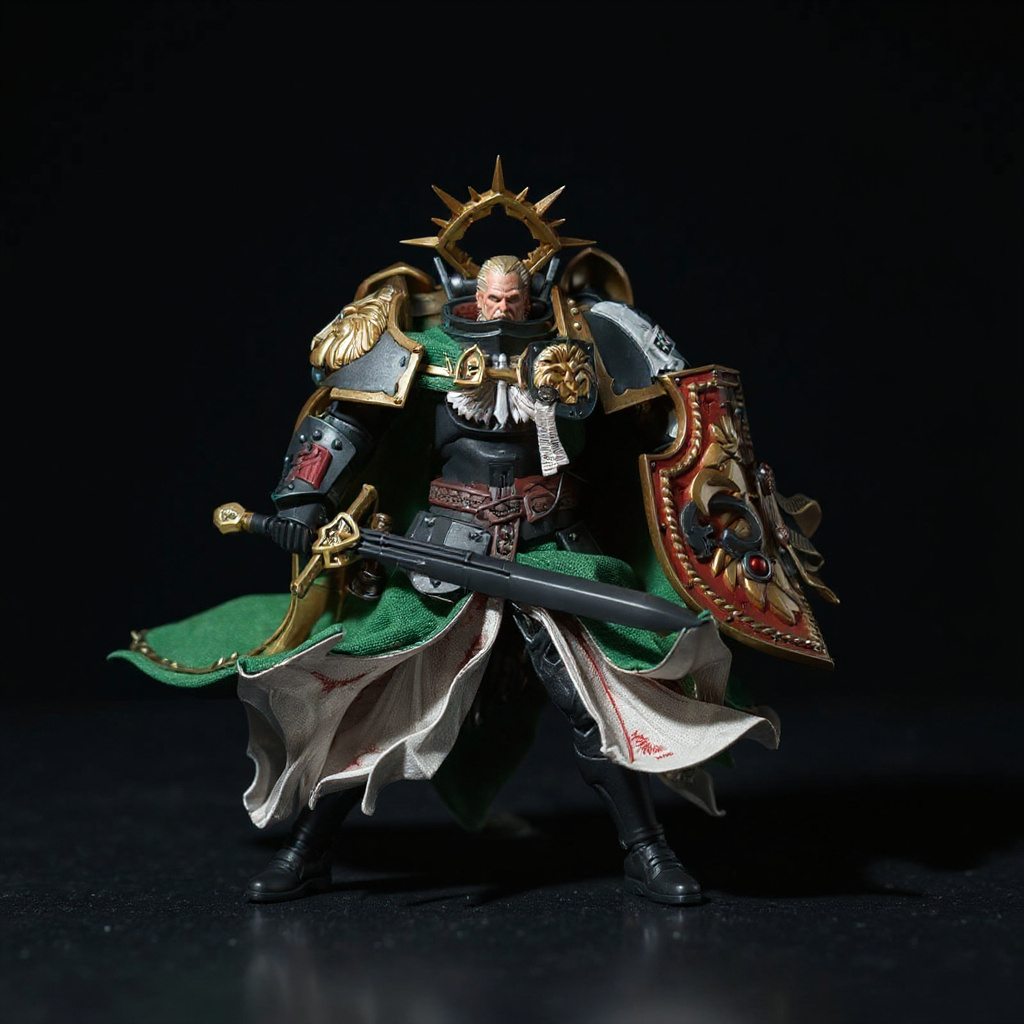
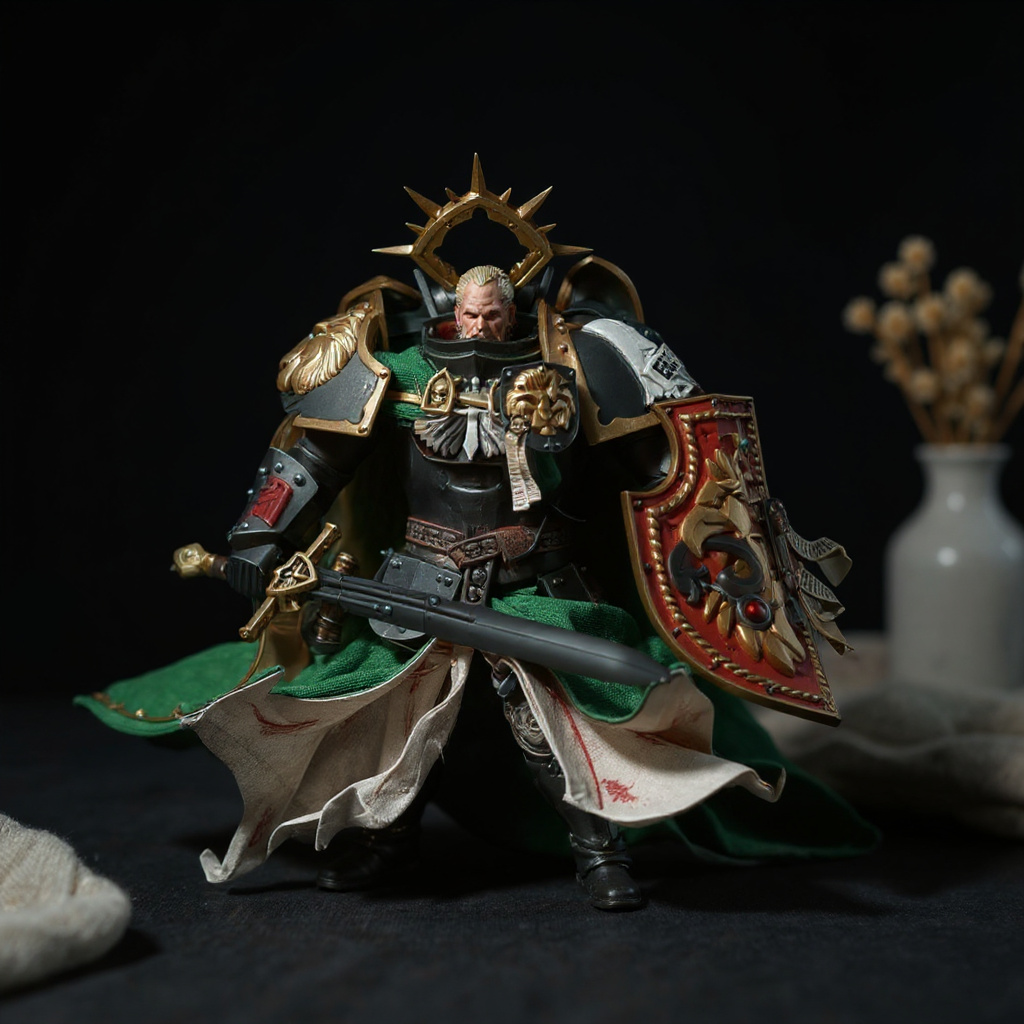
This guide is built around one specific project: a dark forest-green and gold fabric cape with a flowing draped texture, visible stitching, and wire-reinforced edges — sized for a 1/18 scale figure, roughly 4 inches tall, and meant to hold dramatic poses against a moody gothic sci-fi backdrop. Not a generic costume swatch. Not a doll blanket. A cape that swooshes.
Heavy fabrics like denim or thick felt won't work at this scale. They stick out like cardboard and flatten every pose you try to build. The material choice depends entirely on what you're trying to achieve — maximum poseability needs wire along the edges, screen-accurate texture needs the right weave, and long-term display survival needs both.
Why Fabric Weight Matters More Than Fiber Type
At 1/18 scale, physics works against you. A fabric that drapes beautifully on a 6-foot human hangs like a brick wall on a 4-inch figure, because the weight-to-surface-area ratio is nothing like the full-size version.
Lightweight cotton works because it's thin enough to follow the figure's movement without fighting back. Polyester blends work too, especially the kind used in costume jewelry pouches, sitting around 0.5–0.8 oz per square yard. Anything heavier than 1 oz per square yard looks stiff on a cape this small.
Felt is popular because it's easy to cut and doesn't fray. But regular craft felt is too thick for a 4-inch cape. You want the ultra-thin stuff, usually labeled "needle felt" or "wool roving." Even then, it won't give you the flowing look most collectors want for a forest-green and gold piece meant to catch light and shadow.
Silk is the gold standard if you can find it thin enough. It drapes on its own and holds a pose without wire. The catch: good silk starts around $15–20 per yard, and a 4-inch cape needs about a 6-inch square — you'll pay for a full yard you'll never use.
Wire Reinforcement: Necessary for Dramatic Poses, Not Everything Else
Wire-reinforced edges change how a fabric cape behaves. Instead of hanging straight down, you shape dramatic swooshes, battle-torn tears, or wind-blown poses that stay exactly where you put them — which matters if the figure is meant to look mid-stride against a dark, gothic sci-fi backdrop rather than standing still on a shelf.
Honestly, if your figure lives behind glass and never gets touched, skip the wire. It solves a posing problem you'll never actually have, and it adds cost and stiffness you don't need for a cape that just hangs.
Mass-produced plastic capes from third-party sellers run $10–20, but they're static. What you see is what you get. Handmade fabric capes with wire reinforcement typically run $40–70. The Lion El'Jonson Replacement Cape for 1/18 Action Figure, priced at $57.50, sits in that range — dark forest-green and gold cloth with wire-shapeable edges and visible hand-stitching, built specifically for the Dark Angels primarch.
The wire itself matters more than most builders expect:
1. Floral wire (20–22 gauge) bends easily and holds its shape through repeated posing. 2. Jewelry wire lasts longer under repeated bending but resists small adjustments. 3. Copper wire oxidizes over time and can leave green-brown stains on light fabric. 4. Aluminum wire won't stain but is harder to find in the 22-gauge range most capes need.
Fabric Comparison: What Actually Works at 1/18 Scale
| Fabric Type | Weight | Drape Quality | Durability | Cost per Cape | Best For |
|---|---|---|---|---|---|
| Lightweight Cotton | 0.6 oz/yd² | Excellent | Good | $2–4 | General use |
| Polyester Blend | 0.7 oz/yd² | Very Good | Excellent | $1–3 | Frequent handling |
| Thin Felt | 0.9 oz/yd² | Fair | Good | $3–5 | Easy cutting |
| Silk Habotai | 0.4 oz/yd² | Outstanding | Fair | $8–15 | Display pieces |
| Microfiber | 0.5 oz/yd² | Good | Very Good | $2–4 | Budget builds |
| Forest-Green Cotton Twill (with gold trim) | 0.8 oz/yd² | Good | Very Good | $4–7 | Gothic sci-fi builds |
The Color Matching Challenge
Getting forest-green and gold right is harder than it sounds. Official figure photos are color-corrected, and your display lighting won't match the photography studio setup that produced those reference shots.
Dark colors forgive more than bright ones. A cape that's slightly off in bright red is obvious the second you look at it. A cape that's 10% darker green than the reference? Most people won't notice unless they're comparing two figures side by side under the same lamp.
Metallic accents add complexity. Gold thread needs to roughly match the figure's existing armor details — if the sculpt has bright gold trim, a cape with antique brass thread reads as wrong the moment light hits it. Skip the metallic thread entirely if you can't find a close match. Solid gold fabric panels age better than mismatched thread anyway.
Fabric stores rarely stock exactly what you need. Online sellers carry more variety, but you can't feel the weight or judge the true color before it arrives. Order samples. It costs $3–5 and saves you from a full yard of the wrong forest green.
Sewing vs. No-Sew Construction Methods
You don't need sewing skills to build a decent fabric cape. Fabric glue works for simple shapes and holds stress points like attachment loops better than hand-stitching does in most tests.
No-sew methods that work: 1. Fabric glue with reinforcement tape 2. Iron-on hem tape for edges 3. Double-sided fabric tape for seams 4. Hot glue gun for quick attachments 5. Fabric markers for weathering effectsSewing gives you more control. You can build internal wire channels, add custom attachment points, and make repairs nobody will spot. But hand-sewing tiny seams is slow going. Machine-sewing needs templates to stay consistent at this scale.
The hybrid approach works best: fabric glue for the main build, hand-stitched details where they'll actually show. A few visible stitches near the collar or hem improve the handmade look collectors are paying for — that's the whole point of "visible stitching" as a design feature, not a flaw to hide.
Long-Term Durability: What Holds Up
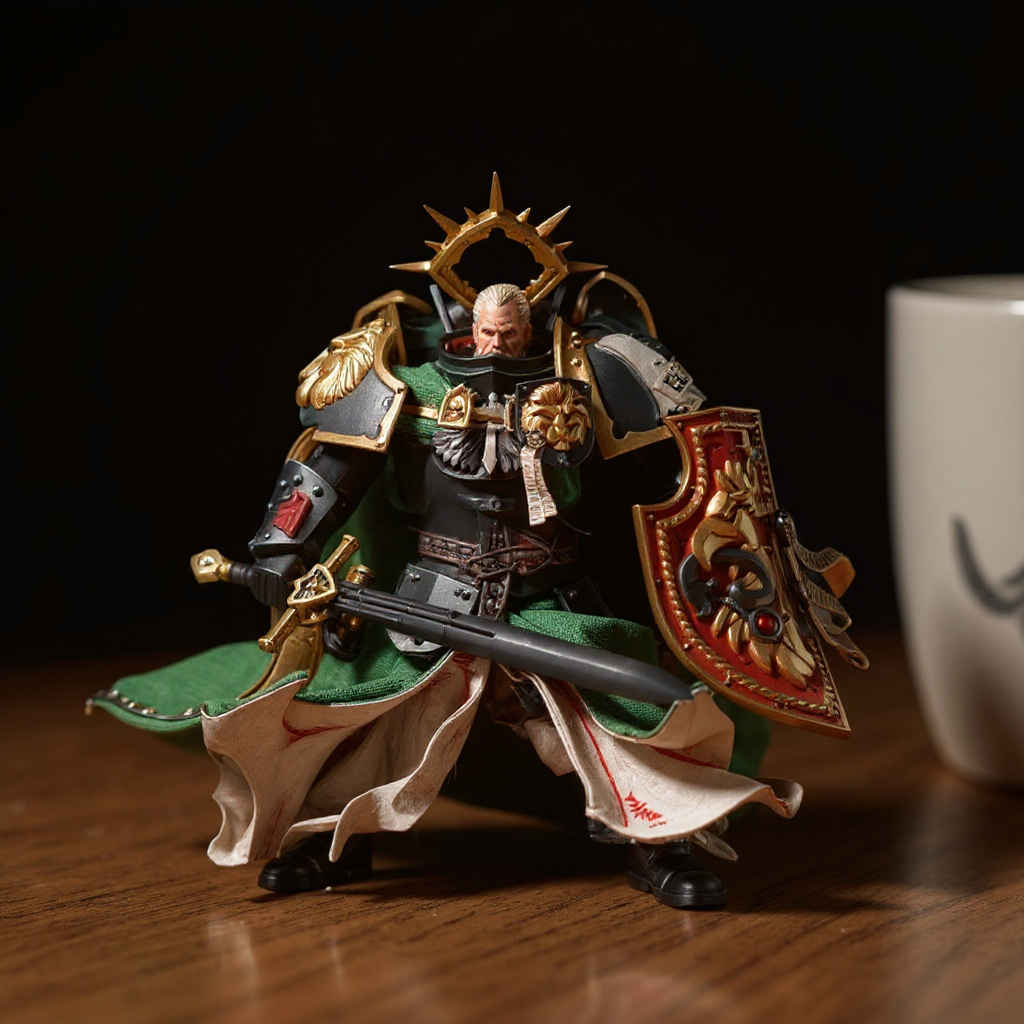
Fabric capes face different stress than plastic ones. They collect dust. They fade under display lights. They develop crease lines at fold points that never fully relax. The attachment method usually gives out before the fabric itself does.
Magnetic attachments are convenient but slip during transport — a jolt in a shipping box, and the cape's gone. Sewn loops are secure but harder to adjust once they're set. Wire twist-ties are adjustable but leave marks on a figure's neck or shoulders after a few seasons of repositioning.
The best attachment I've tested uses a thin elastic loop around the figure's neck, with the cape tied to the loop instead of the figure directly. This spreads the stress out and makes the cape removable without tools.
Polyester blends resist fading better than natural fibers. Cotton looks great on day one and shows wear first. Silk looks incredible under the right light but yellows in 6–12 months under direct display-case lighting — nobody warns you about that until it's already happened.
Finding the Right Fabric for Your Budget
Fabric stores sell by the yard, but a 4-inch figure cape needs about a 6-inch square. Most shops will cut smaller pieces on request, especially if you're buying other supplies at the same time.
Here's where to actually look:
1. Quilt shops — best selection of lightweight cottons, and remnant bins often have cape-sized scraps for $2–5. 2. Online fabric retailers — wider color range, including true forest greens that local shops rarely stock. 3. Dharma Trading — silk samples run $1.50 each, enough fabric for 2–3 capes. 4. Upholstery shops — they throw out sample swatches that are perfect cape material. Colors lean neutral, but quality is high and the price is free. 5. Community sourcing — the r/ActionFigures community regularly shares vendor names and gauge recommendations for wire that actually holds a pose.
What I'd Actually Buy
For a first attempt, start with lightweight cotton from a remnant bin. Get close to forest-green and gold rather than losing three weekends hunting for a perfect dye match. Add wire reinforcement if you want dramatic poses against that gothic sci-fi backdrop. Skip it if you just want simple, still drape.
If you're upgrading a specific figure like Lion El'Jonson and want the fit and poseability solved without the trial and error, browse the handmade replacement cape built for that exact figure. For broader options, check the full cape collection or read through the wire-reinforcement care guide before you commit to a fabric.
For more background on drape behavior, Wikipedia's overview of fabric drape) and the entry on silk habotai are worth a look before you order anything by the yard.

