


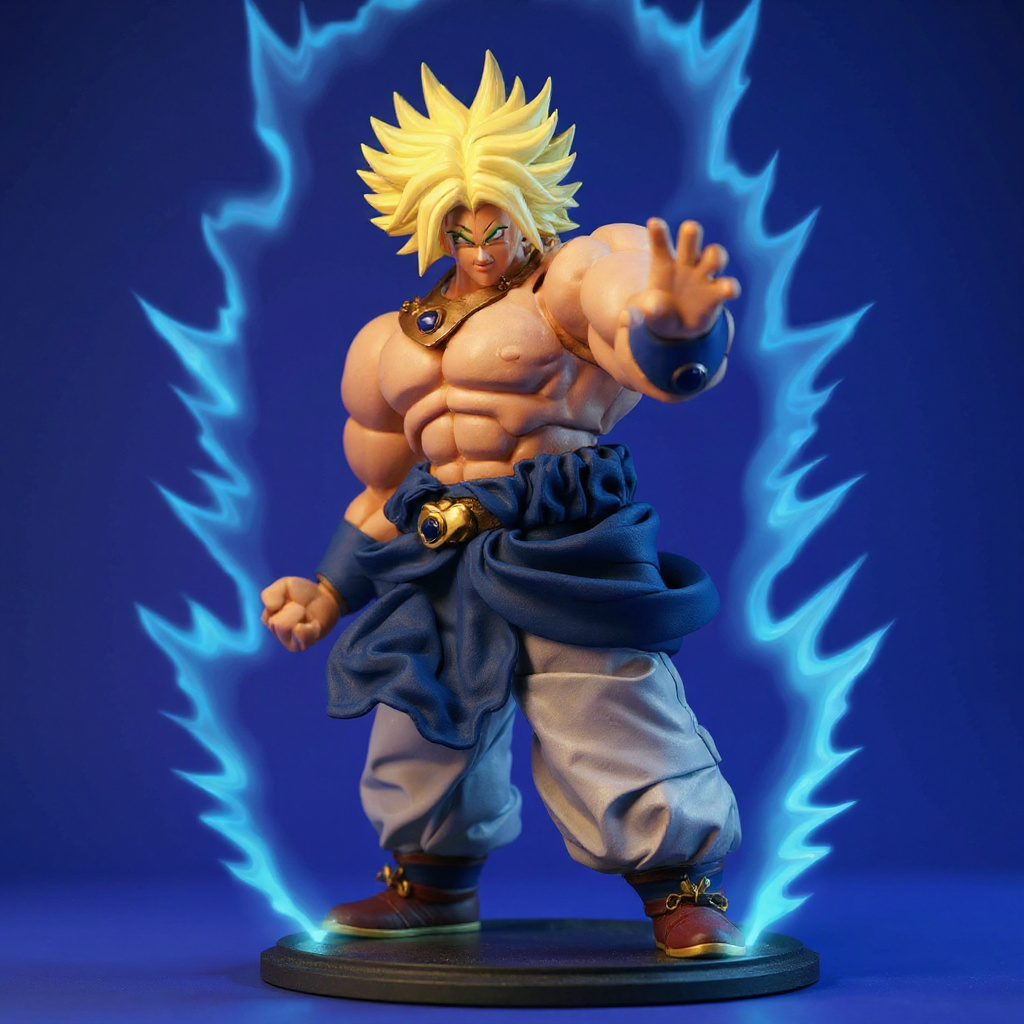
Does a broly cloth cape replacement figure actually fit better than the stock plastic one? Yes — but only when the waist and shoulder measurements match your specific figure. A Bandai SHF Broly needs different fabric tension than a Jakks Pacific or bootleg version. Get the sizing wrong and the cape bunches at the collar or sags past the belt line. Get it right and the dark blue-black fabric drapes like it's caught mid-power-up. This guide covers the measurements, wire placement, and install steps that separate a cape that photographs well from one that just hangs there. Flat. Lifeless. Not what you paid for.
Why Standard Plastic Capes Fall Short
Plastic capes exist because they're cheap to mold as a single piece. Bandai and other manufacturers keep costs down this way, but the shape gets frozen the moment it leaves the injection mold. You get one pose. Forever.
The real problem is weight distribution. Fabric responds to gravity, catches air, and settles around a figure's body the way actual cloth does — plastic just sits there, rigid and unconvincing, especially at the point where it connects to the collar or shoulders, which is usually molded too thick to look natural.
I've watched collectors try to reshape plastic capes with a hair dryer. It works, sort of, for exactly one pose. Move the figure and the illusion breaks immediately. A broly cloth cape replacement figure setup with internal wire doesn't have that limitation — you reshape it every time you repose the figure.
Sizing Compatibility Across Figure Lines
Not all 1/12 scale figures share the same body. A Bandai SHF Broly has different shoulder width and waist circumference than a Jakks Pacific or bootleg figure, and that difference is exactly where most replacement capes fail.
Here's what the numbers actually look like across common releases:
| Figure Line | Shoulder Width | Waist Circumference | Cape Attachment | Typical Retail |
|---|---|---|---|---|
| Bandai SHF Broly | 32mm | 28mm | Neck collar | $60-80 (secondary market) |
| S.H.Figuarts Broly Full Power | 34mm | 30mm | Neck collar | $70-90 (secondary market) |
| Jakks Pacific | 35mm | 31mm | Shoulder pegs | $25-35 |
| Bootleg/KO | 30-34mm | 26-30mm | Varies | $10-20 |
| Playmates | 33mm | 29mm | Neck collar | $20-30 |
A 3mm gap in waist circumference is enough to make a cape refuse to stay put, or worse, bunch up right where you want a clean drape. Most cloth cape makers never publish these numbers, which is exactly how buyers end up with an ill-fitting broly cloth cape replacement figure sitting in a drawer.
Our 1/12 Scale Broly Soft Goods Skirt uses adjustable fabric construction built to cover the 26-35mm range most collectors in this hobby actually own.Material Choices That Actually Work
Fabric selection makes or breaks a replacement. You want drape without fraying, and cotton is too heavy for 1/12 scale — it pulls the whole cape down like a wet towel. Polyester blends hold shape better and weigh less against the figure's joints.
The real difference-maker is wire integration. Without it, fabric hangs straight down like a curtain, no matter how nice the print looks. With wire placed through the structure — not just along one edge — you get flowing shapes that hold a pose across dozens of repositions.
Wire placement needs to follow a specific order, not a random scatter:
1. Outer hem edge, for wind-blown effects 2. Inner side panels, for natural draping curves 3. Shoulder connection points, for a grip that doesn't slip 4. Waist gathering areas, to stop bunching at the belt line 5. Bottom edge weighting, for a hang that looks heavy without being stiff 6. Mid-panel support, so the fabric doesn't collapse in the middle
Most amateur cape makers skip everything but step one. That's why so many DIY capes look like a stiff cup glued to the figure's back instead of fabric that moves.
Installation Without Damaging Your Figure
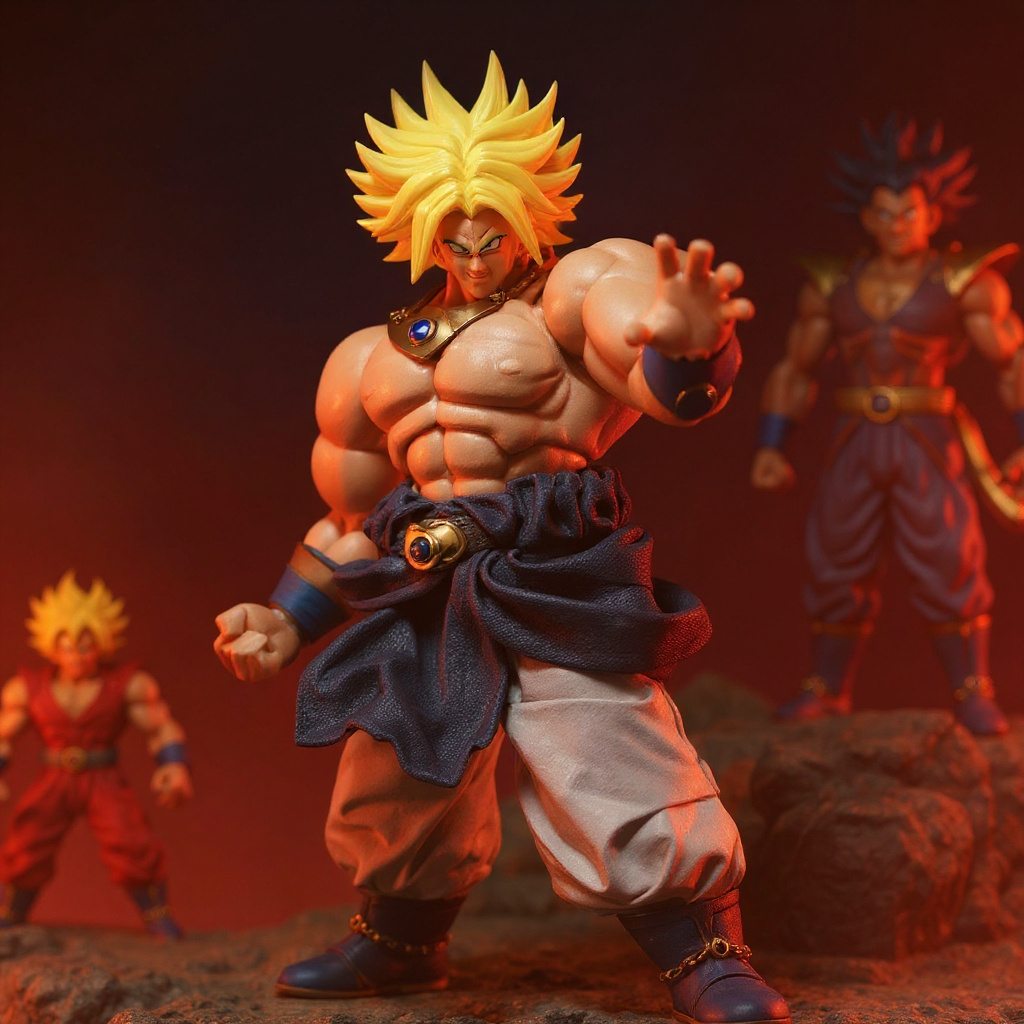
Removing the stock plastic cape usually means popping off the figure's head or upper torso. New collectors panic at this step, but pulling a head is safer than forcing fabric over a fully assembled body.
For Bandai SHF figures, the head pulls straight up with steady, even pressure — no twisting, no rocking. The joint was engineered for this exact motion. Bootleg figures can fight back harder here, since the plastic runs harder and the tolerances run tighter.
Once the head clears the neck post, the stock cape slides off without resistance. Installing the cloth replacement just reverses the steps. Smooth the fabric down before reseating the head so nothing gets pinched at the collar.
Some collectors worry about joint fatigue from repeated head removal. Fair concern. In 15 years of handling SHF-scale figures and running repair requests through my own shop, I've had exactly one head-joint failure, and it was a pre-damaged bootleg figure, not an SHF unit. The joints on official releases are rated for hundreds of open-close cycles.
Posing and Photography Tips
A cloth cape changes how your figure reads in photos. Instead of a static toy silhouette, you get something closer to a freeze-frame from the movie. But fabric needs different posing logic than plastic.
Shape the wire before you touch the figure's limbs. Decide on the story first: is Broly powering up), or mid-flight, or standing still in a quiet moment before the aura kicks in? The cape's curve should answer that question before the pose does.
For consistent, repeatable results, work through your shots in this order:
1. Shape the wire frame first, away from the figure 2. Mount the cape and adjust for collar pinch 3. Pose the body, then fine-tune the cape's curve to match 4. Set your light source at a low angle to catch fabric texture 5. Shoot a wide shot, then move in for texture close-ups 6. Review, reshape the wire slightly, and reshoot if the fold looks flat
Lighting matters more with fabric than with plastic. Plastic bounces light in a flat, uniform way. Cloth creates real shadow and highlight variation across every fold, which is most of why a fabric cape photographs better than a molded one in the first place.
Price Comparison: What You Actually Get
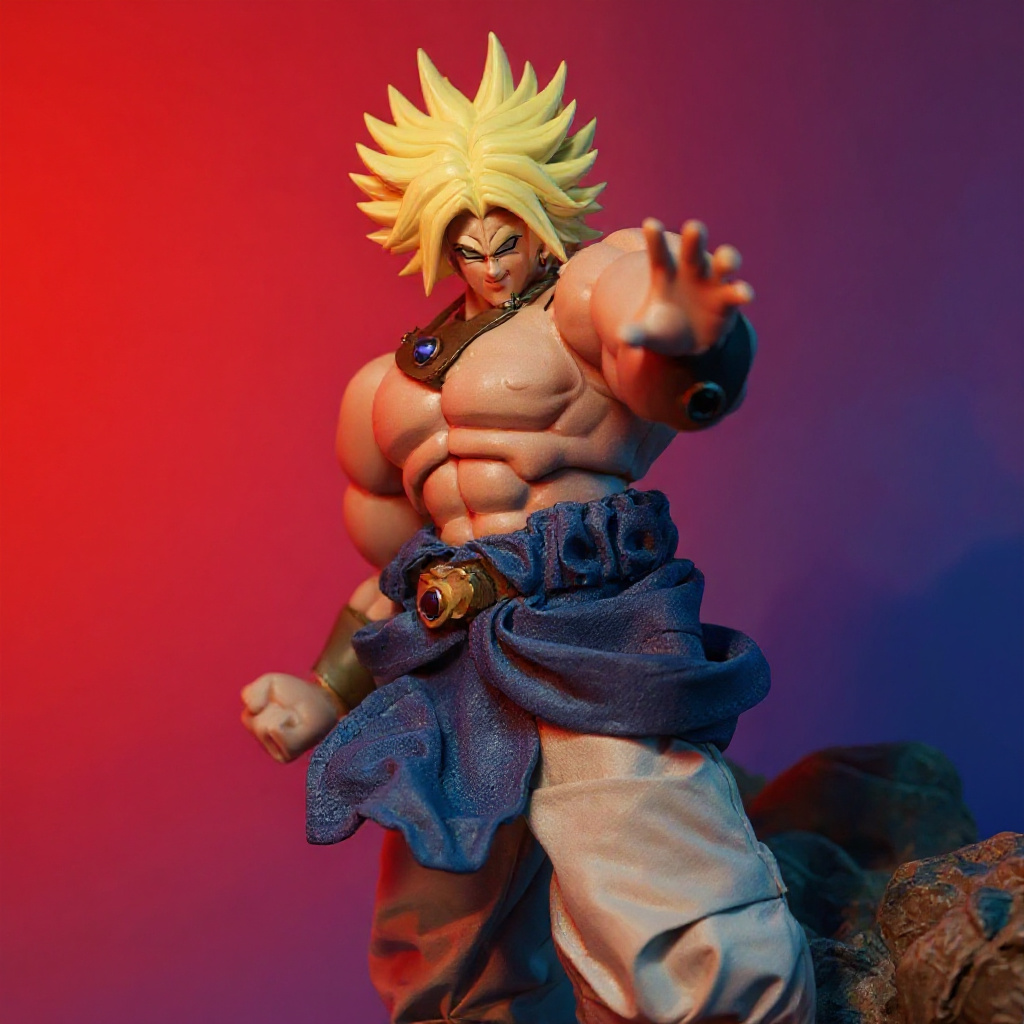
Handmade cloth capes cost more than plastic, and the range is wide. Mass-produced fabric accessories run $15-25. Custom one-off work starts around $40 and climbs past $80 for complex, multi-panel designs.
At $44, a broly cloth cape replacement figure like ours lands in handmade territory without custom-shop pricing. Compare that to buying an entire new SHF Broly just to get a better cape — those run $60-80 used, and you're still stuck with the same plastic accessory problem.
Honestly, if you keep your figure sealed in a display case and never touch the pose again, skip this upgrade entirely. The stock plastic cape will look fine behind glass, and you'll never get enough use out of the wire framework to justify the cost. This product is for people who repose their figures.
Cheaper capes exist below $20, and some hold up fine for a week or two. Then the wire kinks, the fabric frays at the hem, and the shape you paid for stops holding. You get what the wire gauge and fabric weight actually cost.
What Fits Best With Your Specific Figure
Fit isn't only about raw measurements — proportion matters just as much. Broly reads as massive on screen, so his cape needs bulk without swallowing the figure's musculature.
Bootleg figures often run slightly off from official proportions. A longer torso or broader shoulder changes how any cape sits, full stop. If you're working with a KO figure, budget extra time for trial fitting.
SHF figures stay the most consistent across releases, with matched shoulder joints and waist proportions from one Broly variant to the next. That consistency is exactly why figure collectors online treat SHF as the baseline for soft goods compatibility testing.
Measure your figure before ordering. Waist circumference first, shoulder width second, torso length third. In that order, always.
Is the Upgrade Actually Worth It?
Cloth capes aren't for every collection. If your figures live in static, museum-style poses behind glass, plastic works fine — save the money.
But if you're shooting photos, building dioramas, or chasing the exact drama of that Broly power-up scene, fabric changes the outcome in a way plastic can't fake. The tradeoff is maintenance: fabric collects dust faster than plastic, and it can crease if stored folded for months at a time.
Still worth it, for the right collector. A handmade wire-shaped fabric accessory gives Broly the scale and movement his design deserves, and it's a logical next step if you've already invested in lighting and display setups.
Frequently Asked Questions
What is Broly wearing on his waist? Broly wears a dark fabric skirt or sash as part of his Saiyan warrior outfit. The color runs dark blue to near-black depending on the version, which is the exact palette a proper broly cloth cape replacement figure should match. How do you get Broly's clothes for a figure? Most stock figures ship with molded plastic accessories only. Aftermarket cloth options run $15-80 depending on wire quality and fabric weight, and fit depends on your figure's waist measurement (26-35mm covers most releases). What is the thing around Broly's neck? Earlier appearances show Broly with a metal restraint collar. Later material, once he gains control over his power, drops the collar from most figure and merchandise designs. What are the best skirt replacement options for Broly figures? Look for wire integrated through multiple panels, not just the outer hem. A single-wire-edge cape creates a stiff, cup-like shape instead of natural fabric flow. Expect to pay $40+ for that level of construction. How do you put the cape back on a Broly action figure? Pull the head straight up with steady pressure, no twisting. Slide the old cape off, mount the replacement, smooth the fabric flat at the collar, then reseat the head. Does a cloth cape actually fit SHF Broly better than the stock plastic one? Yes, for posing and photography. An SHF Broly measures roughly 32mm at the shoulder and 28mm at the waist — a cape sized to that range sits without bunching. Stock plastic stays more durable day to day but can't match the drape. Can you use a soft goods cape on a bootleg or KO Broly figure? Yes, though bootleg figures run 30-34mm at the shoulder and 26-30mm at the waist, a wider spread than official releases. Measure first. Expect some trial fitting. How much does a broly cloth cape replacement figure usually cost? Mass-produced fabric versions run $15-25. Handmade, wire-integrated versions land between $40-80, with $44 being a reasonable mid-point for genuine soft goods construction. What fabric works best for a 1/12 scale Broly cape? Polyester blends outperform cotton at this scale — cotton's weight drags the drape down and flattens the wire shaping over time. Is Broly autistic in DBS? No official source describes Broly as autistic. His behavior in Dragon Ball Super traces back to isolation and trauma during his upbringing, not a stated neurodevelopmental diagnosis.Your figure deserves accessories built to its actual scale, not a generic mold. Static plastic works for basic shelf display, but it caps your posing and photo options. Check out our 1/12 Scale Broly Soft Goods Skirt if you're ready to see the dark blue-black fabric actually move with your poses instead of just sitting there.

