


Custom soft goods for action figures are fabric clothing pieces built specifically for 1/12 scale bodies, usually tactical outfits with wire-reinforced sleeves and collars so the figure can actually hold a pose. They're handmade by individual craftspeople, not factories. Prices run $40-150 depending on complexity and materials. I've made close to 200 of these sets, and the question I get most is simple: why pay $90 for pants?
Most collectors discover custom soft goods for action figures when they want to refresh an existing figure or need better articulation for photography. The factory clothes bundled with most action figures use stiff polyester that restricts movement — arms lock at weird angles, sleeves crease wrong, collars won't sit flat. Custom pieces fix this with flexible cotton blends and strategic wire placement. Not magic. Just better materials and more time per piece.
What Makes Custom Soft Goods Different from Factory Clothes
Factory-produced figure clothing prioritizes cost over function, and it shows the moment you try to pose the figure. Mass manufacturers use cheap polyester that doesn't drape at small scale and glue seams instead of stitching them because glue is faster on an assembly line. It looks fine sealed in the package. Then you open the box, bend an elbow, and the sleeve creases like cardboard.
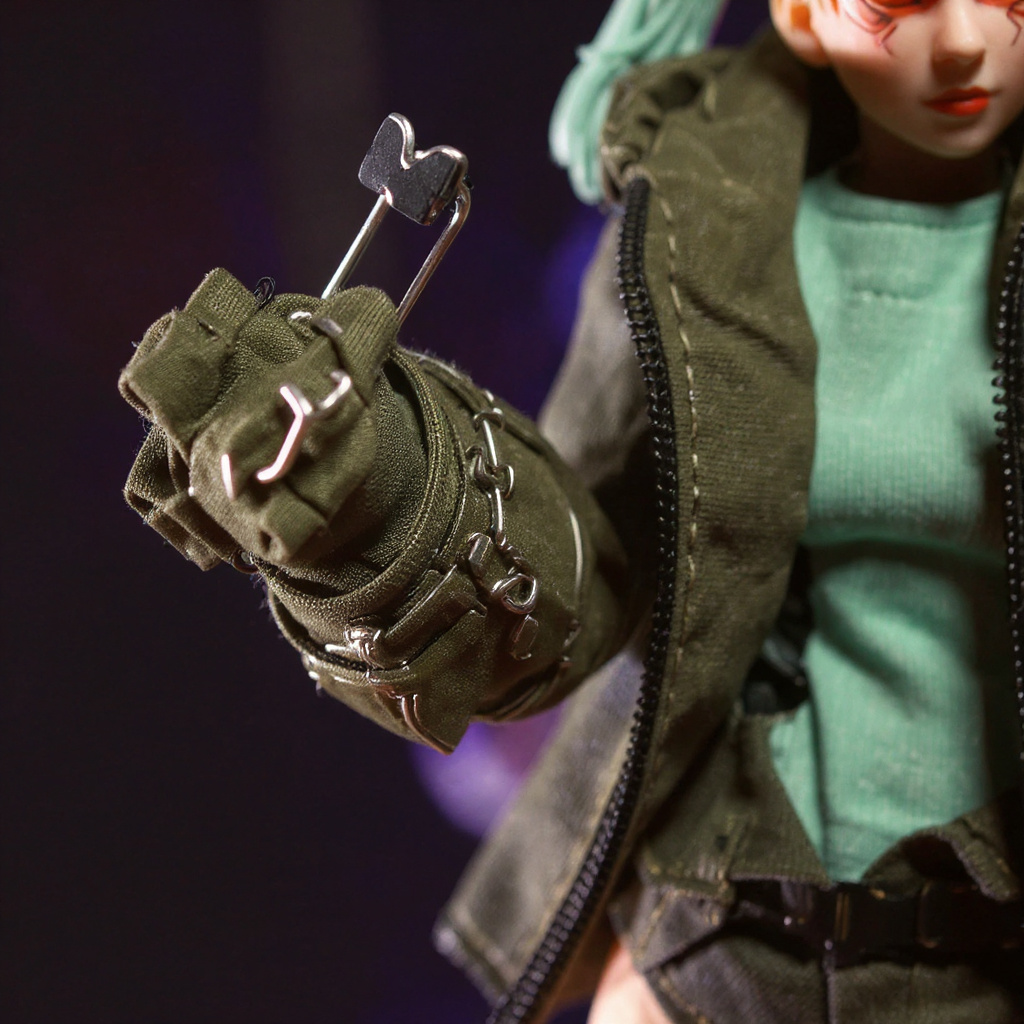
Custom soft goods for action figures flip that priority entirely. Individual makers focus on posability first, appearance second, because a $90 outfit that can't bend is a failed product. They use cotton-poly blends that scale properly to 1/12 proportions and hand-stitch reinforced seams that won't split under tension. Wire embedded in sleeves and collars holds a pose without springing back to neutral — the single biggest functional difference between handmade and factory pieces.
The trade-off is price, and there's no way around it. Generic factory outfits run $20-40. Handmade pieces start around $60, and top makers charge $93-150 for a full tactical set with jacket, cargo pants, and wire integration throughout. You're paying for materials, ten-plus hours of construction, and a maker who has already solved the pattern problems that come with sewing at 6.5-inch scale.
How Custom Tactical Outfits Are Constructed
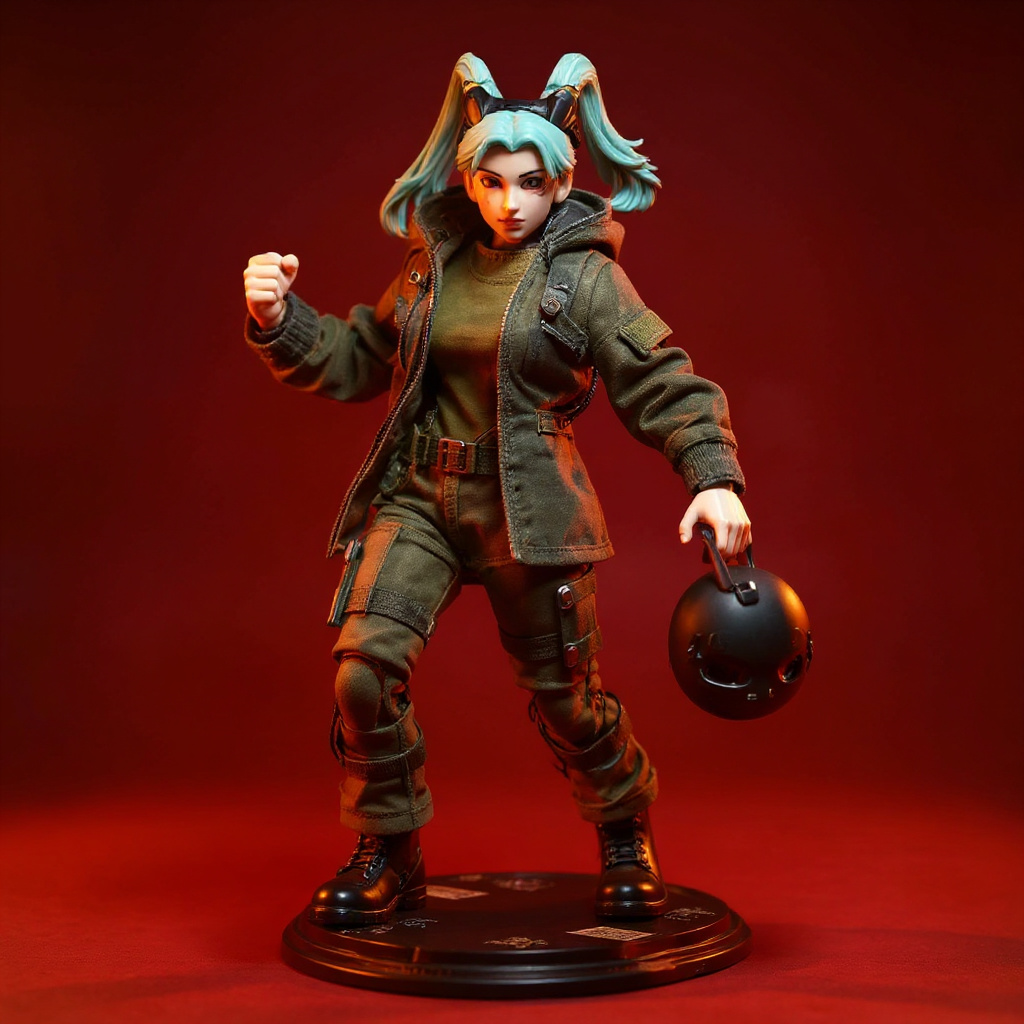
Tactical-style clothing is the most requested category in custom soft goods for action figures. Military and law enforcement themes dominate collector preferences — I'd estimate 7 out of 10 commission requests I get are some variation of combat gear, cargo pants, or field jackets in black, olive, or tan.
Real tactical clothing doesn't shrink down cleanly. Pockets that look proportional on a human chest look like saddlebags on a 6.5-inch torso, so every pattern gets redrawn from scratch rather than scaled down from a real pattern.
Here's roughly how a wire-built tactical set actually comes together, step by step:
1. Measure the figure — chest, waist, shoulder width, and inseam get recorded before any fabric is cut 2. Draft a scaled pattern — pocket size, collar width, and seam allowance are redrawn for 1/12 proportions, not shrunk from a real garment 3. Cut the fabric — cotton-poly blend pieces are cut with sharp micro-scissors to avoid fraying at the edge 4. Insert the wire — 22-24 gauge craft wire gets threaded into sleeve channels and collar seams before final assembly 5. Hand-stitch the seams — each seam is sewn individually, usually 40-60 stitches per sleeve 6. Test posability — the jacket goes onto a test body and gets bent through a full range of motion before shipping 7. Apply weathering (optional) — fade, stains, or scuff marks get added last, since they can't be undone 8. Final inspection and packaging — loose threads get trimmed, pieces get bagged, and the set ships
Our 1/12 Action Figure Cloth Outfit | Gun Girl Handmade Clothes | 6.5 Inch Wire-Built Set follows this exact process, with wire-reinforced sleeves and collar built into a tactical jacket and cargo pants combination.
Wire vs No-Wire: What's Worth the Extra Cost
Wire-built soft goods cost 30-50% more than standard fabric pieces. Without wire, fabric sleeves hang straight down no matter how you position the arm. Wire lets you bend a sleeve around a rifle stock, shape a collar upward, or create a natural resting drape instead of a stiff tube.
| Feature | No Wire | Wire-Built |
|---|---|---|
| Base Price | $40-60 | $60-93 |
| Sleeve Posability | Limited | Full range |
| Collar Shaping | None | Adjustable |
| Photography Use | Basic | Professional |
| Durability | Standard | Higher (reinforced) |
| Expected Lifespan (regular posing) | 2-3 years | 12-18 months before wire fatigue |
| Best For | Shelf display | Photographers, frequent re-posing |
The wire won't last forever. Repeated bending causes metal fatigue, and after 12-18 months of regular posing, most 22-24 gauge wire starts breaking at the fold point. For display-only figures that get posed once and left alone, wire can last years without issue.
Honestly, if you pose a figure once and shelve it forever, skip the wire. You're paying an extra $20-30 for a range of motion you'll never actually use, and standard soft goods will look identical on a static display.
Scale Compatibility: 6.5" Bodies and Fit Variations
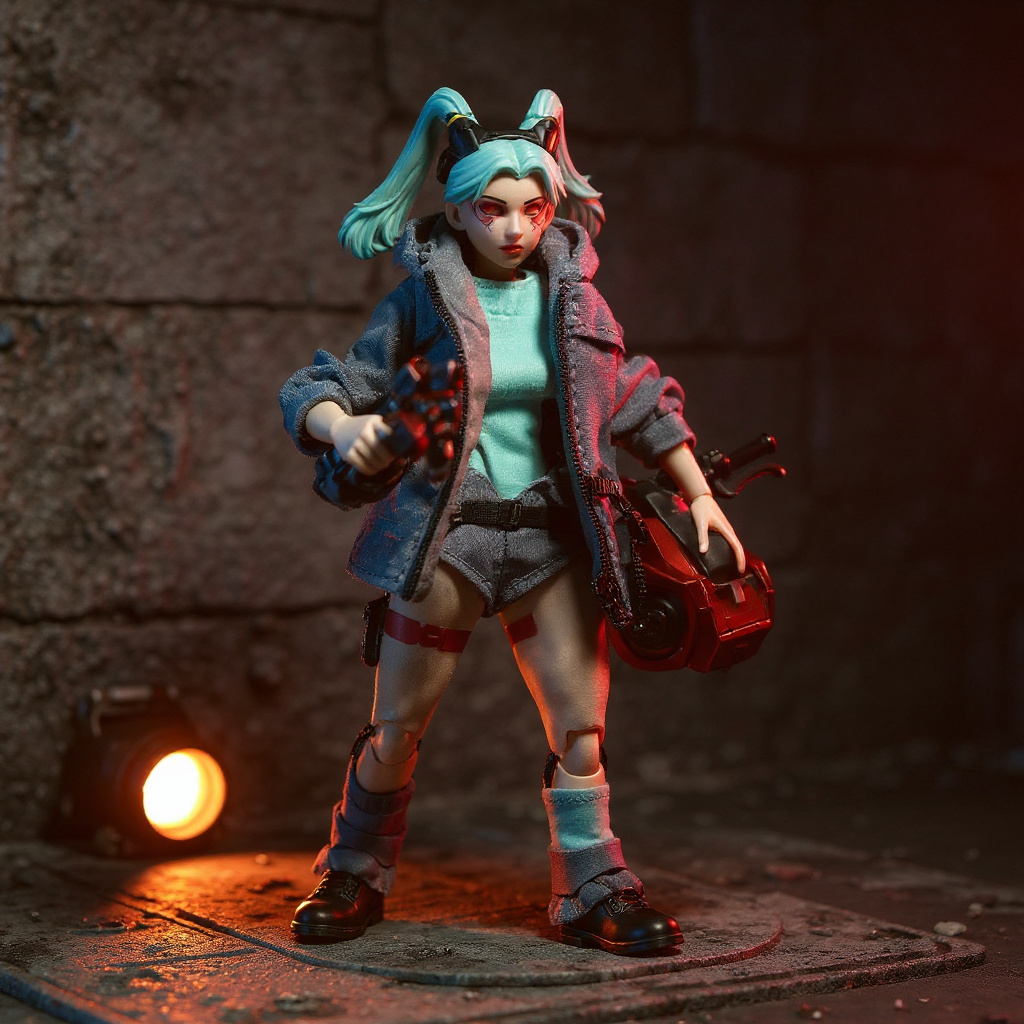
Most 1/12 scale figures measure 5.5-6.5 inches tall, but body proportions vary a lot between manufacturers. An outfit that fits a Mezco figure perfectly might sit loose on a SH Figuarts body or pull tight across a NECA torso.
Custom makers typically design for "standard" 6.5-inch proportions, which covers roughly 70% of popular figures — most Mezco One:12, Marvel Legends, and DC Multiverse bodies fall in this range. Slimmer figures like SH Figuarts often swim in these clothes. Baggy sleeves. Loose waistbands. Not a good look.
Before ordering, measure your figure's chest, waist, and shoulder width in millimeters and compare those numbers against the maker's stated fit range. Most honest sellers list specific measurements or a compatibility list rather than claiming universal fit — if a listing says "fits all 1/12 figures" with no numbers attached, that's a red flag worth noting.
Some figures won't work with any soft goods due to unusual proportions or articulation. McFarlane figures often have oversized torsos that strain fabric at the shoulder seams. Figures with butterfly shoulder joints may not fit standard sleeve patterns at all, and no amount of pattern adjustment fixes that without a full custom commission.
Common Quality Issues and What to Expect
Handmade doesn't mean flawless. Even skilled makers produce pieces with minor quirks that wouldn't pass a factory inspection line, and understanding what's normal prevents disappointment when your package arrives.
1. Slight thread inconsistencies — hand-stitched seams show minor variation in stitch spacing, usually within 1mm 2. Loose thread ends — small tails where thread was cut, trimmed with scissors in about ten seconds 3. Asymmetrical details — pockets or patches may sit 1-2mm off perfect alignment 4. Fabric grain variations — pieces cut from different fabric sections may show slight color shift under bright light 5. Wire visibility — a thin outline of internal wire may show through lighter fabrics 6. Sizing variations — handmade pieces can vary ±2mm from stated measurements 7. Weathering inconsistency — hand-applied wear effects vary in intensity across the garment, by design
These aren't defects. They're what handmade construction looks like up close. Serious flaws — open seams, missing pieces, major size discrepancies — warrant a return request. Minor thread tails do not.
Finding Reliable Custom Soft Goods Makers for Action Figures
The custom soft goods for action figures community operates mostly through social media rather than storefronts. Most makers don't run traditional websites; they sell through Instagram, Facebook groups, or Etsy shops with limited stock drops.
Reddit's action figures community posts maker recommendations and reviews on a near-weekly basis. The one-sixth scale subreddit also covers 1/12 pieces despite the name, and both are searchable by maker name if you want past feedback before sending money.Established makers typically carry 6+ month order backlogs. They work alone or with one assistant, so production capacity stays capped no matter how much demand grows. Rush orders barely exist in this market — I've turned down same-week requests more times than I can count.
Payment terms vary. Some makers require full payment upfront; others take a deposit and bill the remainder at shipping. PayPal Goods & Services offers buyer protection, but many makers prefer direct payment to avoid processing fees, so weigh that risk before wiring money to someone you found through a single Instagram post.
Pricing reflects materials and time, not markup. A detailed tactical outfit takes 8-12 hours of hand work plus $15-25 in materials. Makers charging under $60 for a full wire-built set are usually cutting corners somewhere — thinner wire, fewer stitches per seam, or unlined fabric.
For more tactical-style options at this scale, browse The Figure Vault's tactical outfit collection or the broader 1/12 scale clothing collection alongside our Gun Girl wire-built set.
Weathering and Customization Options
Most tactical soft goods come with weathering options meant to simulate field use. Light weathering adds subtle fade and wear marks at seams and knees. Heavy weathering pushes further — mud stains, fabric tears, paint scuffs across the whole garment.
Weathering is permanent. You can add more wear later, but removing it means replacing the fabric entirely, not just cleaning it. Some makers offer both weathered and clean versions of the same outfit so you can decide later without committing upfront.
Customization beyond weathering depends on the maker's tools and skill set. Color changes are usually possible with extra wait time and cost. Adding patches, rank insignia, or unit markings requires embroidery skills that not every maker has — ask before you commission, not after.
Personal modifications after purchase carry real risk. Fabric paint may not bond to pre-treated materials, and sewing modifications can shift wire placement or weaken a seam that was never meant to be reopened.
Is the Investment Worth It for Your Collection?
Custom soft goods for action figures change how a figure looks and moves, but they're not essential for every collector. A $93 price point sits in the same range as premium accessories or a mid-tier complete figure, so it's a real spending decision, not an impulse buy.
They make the most sense for photographers who need repeatable posability, or collectors focused on a specific theme who want one outfit to swap across multiple bodies. A single well-made tactical set can refresh interest in three or four figures over a year just by moving between them.
The handmade nature means accepting small imperfections in exchange for something with actual character. Factory clothes look uniform but generic — same crease, same shine, every time. Custom pieces carry the maker's hand in every seam. Worth it, if that's what you're after.
For collectors who want that handmade feel with wire-enhanced posability, browse our 1/12 Action Figure Cloth Outfit | Gun Girl Handmade Clothes | 6.5 Inch Wire-Built Set to see how tactical styling and functional construction hold up in hand.

