


A 1/12 scale figure cape vs plastic cape comparison sounds like a small detail. It isn't. The difference is the gap between a museum piece and a toy shelf.
Plastic capes stick out at weird angles, catch light like armor, and make your Blanka look like he's wearing a traffic cone. Fabric drapes. It folds. It settles against the figure's shoulders the way real cloth does when you're setting up that perfect shot.
Why Plastic Capes Fall Short for Serious Collectors
Most mass-produced 1/12 figures ship with injection-molded plastic capes. Cheap to make. Won't fray in the package. That's where the benefits stop.
Plastic has zero drape. It can't fold, wrinkle, or settle against a figure's body the way fabric does, so your cape ends up looking like a rigid shell — fine for a $12 blister-pack figure, not what you want next to a detailed diorama.
The pose limitations are worse. Plastic capes have maybe 2-3 natural positions before they start looking forced or snapped. Move your figure's arm and the cape stays exactly where it was, defying physics in the most obvious way possible.
Then there's scale thickness. Injection molding needs a minimum wall thickness to survive shipping, so plastic capes end up bulky and cartoonish instead of flowing. Honestly, if all you want is a shelf-sitter you'll never repose, this whole debate doesn't matter — buy the plastic one and save your money.
Wire-Core Soft Goods: The 1/12 Scale Figure Cape vs Plastic Cape Answer
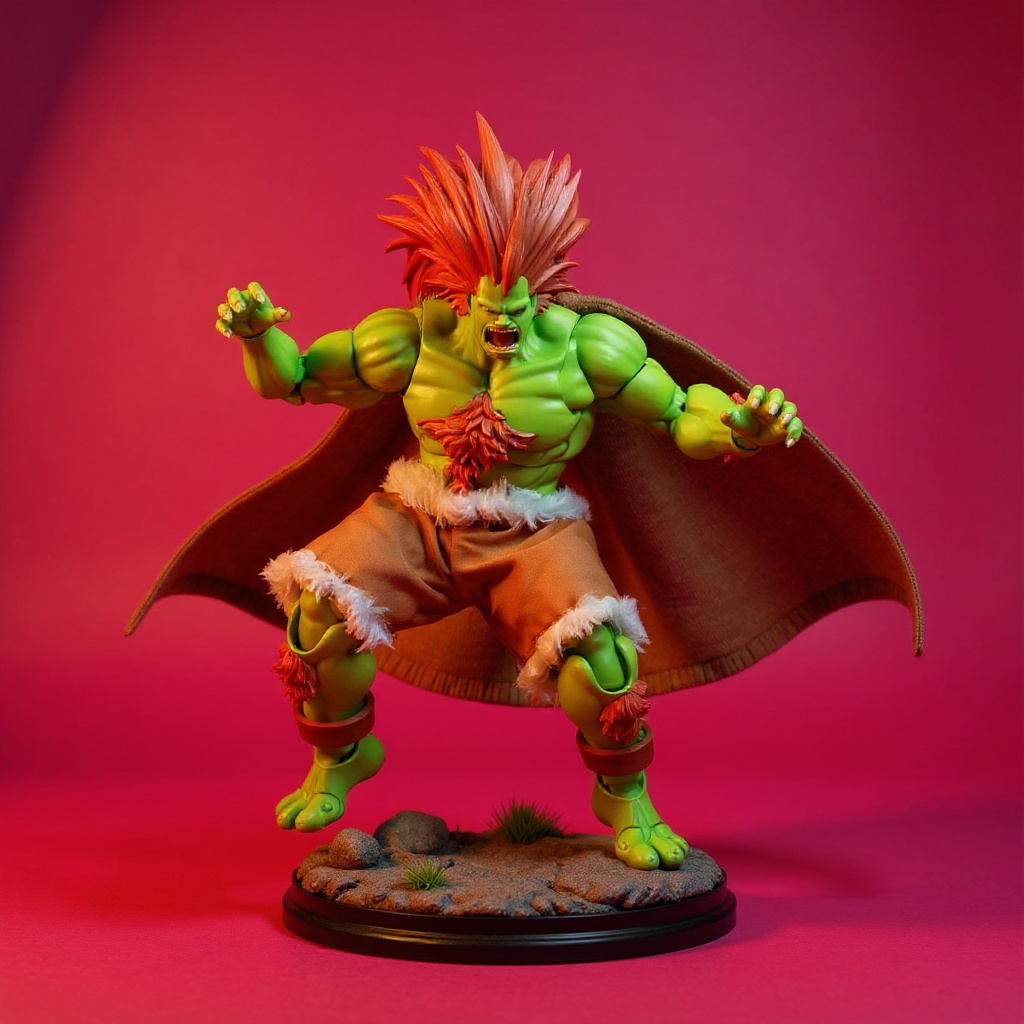
Fabric capes with bendable wire edges solve almost every problem plastic creates. The wire holds whatever shape you bend it into. The cloth drapes naturally between anchor points, and the fold lines stay put instead of springing back.
You can pose a wire-core cape billowing in an imaginary wind, wrapped tight around the figure's torso, or cascading off one shoulder. Each position reads as natural because the fabric follows real physics while the internal wire keeps your chosen silhouette locked.
Material choice matters more than most buyers realize. Cotton blends beat synthetic fabrics for 1/12 scale work because they're thinner, more matte, and hold creases without a plastic sheen. Satin and glossy polyester catch light wrong and read as "doll clothes" instead of miniature realism — a mistake that shows up instantly in photos.
Our Blanka Cape Replacement for 1/12 Street Fighter Action Figure uses this wire-integrated build with cloth toned to match Blanka's muted, earthy palette from the Street Fighter series. At $36.50 it costs more than a mass-produced plastic accessory, but it's hand-stitched, hand-dyed, and shaped around a real 1/12 body instead of a generic mold.
Fabric vs Plastic: The Numbers Don't Lie
| Feature | Fabric w/Wire | Molded Plastic |
|---|---|---|
| Pose positions | 20+ natural looks | 2-3 rigid positions |
| Scale thickness | 0.5-1mm realistic | 2-3mm too thick |
| Drape quality | Natural physics | Defies gravity |
| Price range | $30-45 handmade | $15-25 mass-produced |
| Durability | 5+ years with careful storage | Indefinite but stiff |
| Weight on figure | Light, won't tip poses | Can throw off balance |
| Customization | Re-shape anytime | Needs cutting or heating |
The thickness gap alone explains why collectors upgrade. Fabric at 1/12 scale should be paper-thin, not the 2-3mm plastic needs to stay rigid on the sprue.
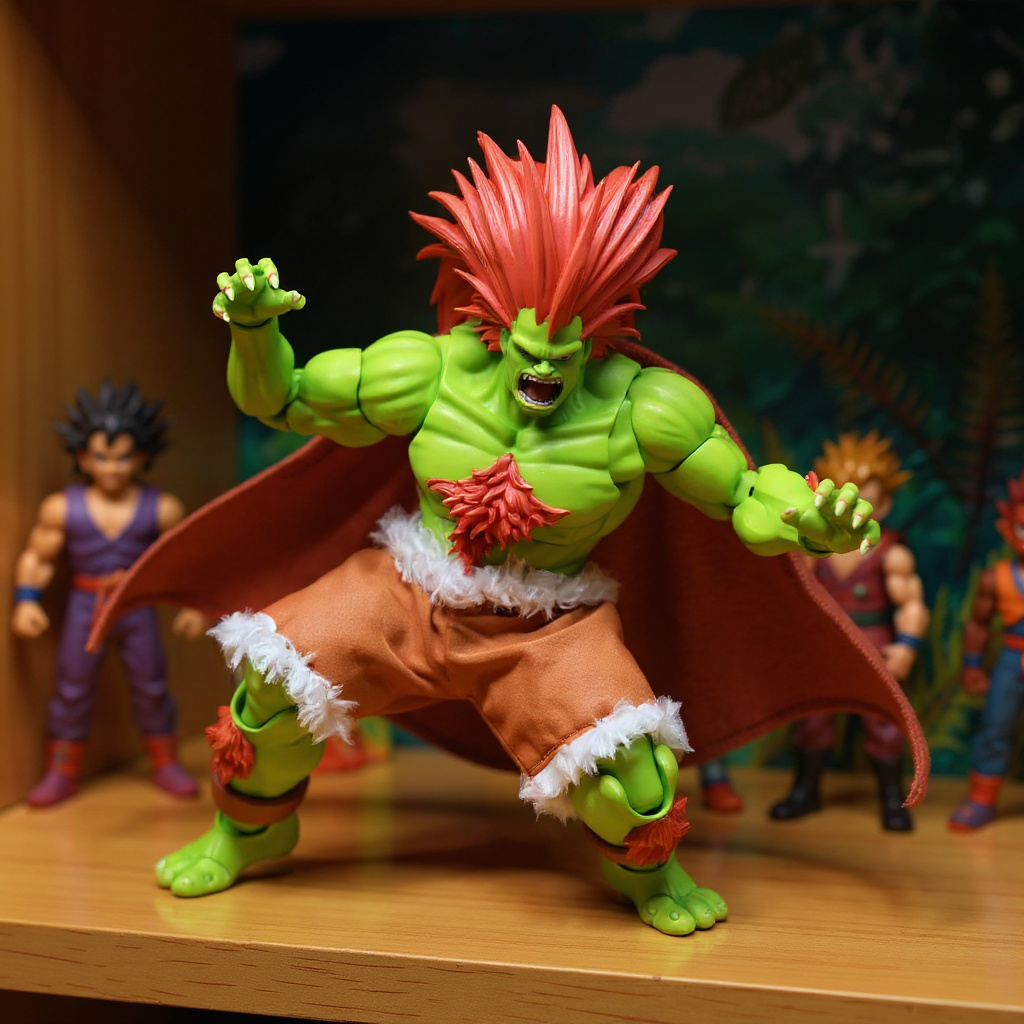
What Fabric Works Best for 1/12 Scale
Not all cloth performs the same at action-figure size. Here's what actually holds up:
1. Cotton canvas (lightweight) — holds shape, takes dye evenly, resists fraying 2. Cotton-poly blends — a working compromise between drape and durability 3. Fine wool felt — good for heavier capes, naturally matte 4. Silk — perfect drape, but it snags if you look at it wrong 5. Skip these: heavy denim, satin, metallic thread, thick fleece
The target is fabric thin enough to look proportional but sturdy enough to hold wire through years of repositioning. Most quilting cottons land in that window.
Wire gauge matters just as much. 30-gauge craft wire bends without adding bulk. Go thicker and you get visible lumps in the hem. Go thinner and the cape won't hold a pose past a day on the shelf.
Handmade vs Mass-Produced: Why It Matters
Factory soft goods exist, sure. Usually built for play, not for a display case under good lighting.
Handmade capes let you control every detail — hem weight, wire placement, even weathering. You're not stuck with whatever compromise a factory line settled on to hit a price point.
The downside? Handmade means variation. A loose thread. An uneven seam that a factory QC line would flag but a small maker leaves as character. Some collectors call this authenticity. Others want machine precision and nothing else.
Price reflects that difference. Mass-produced soft goods run $15-25 when you can find them at all. Boutique makers charge $30-45 for wire-integrated custom work, which is roughly where our Blanka piece sits.
Display and Photography Tips
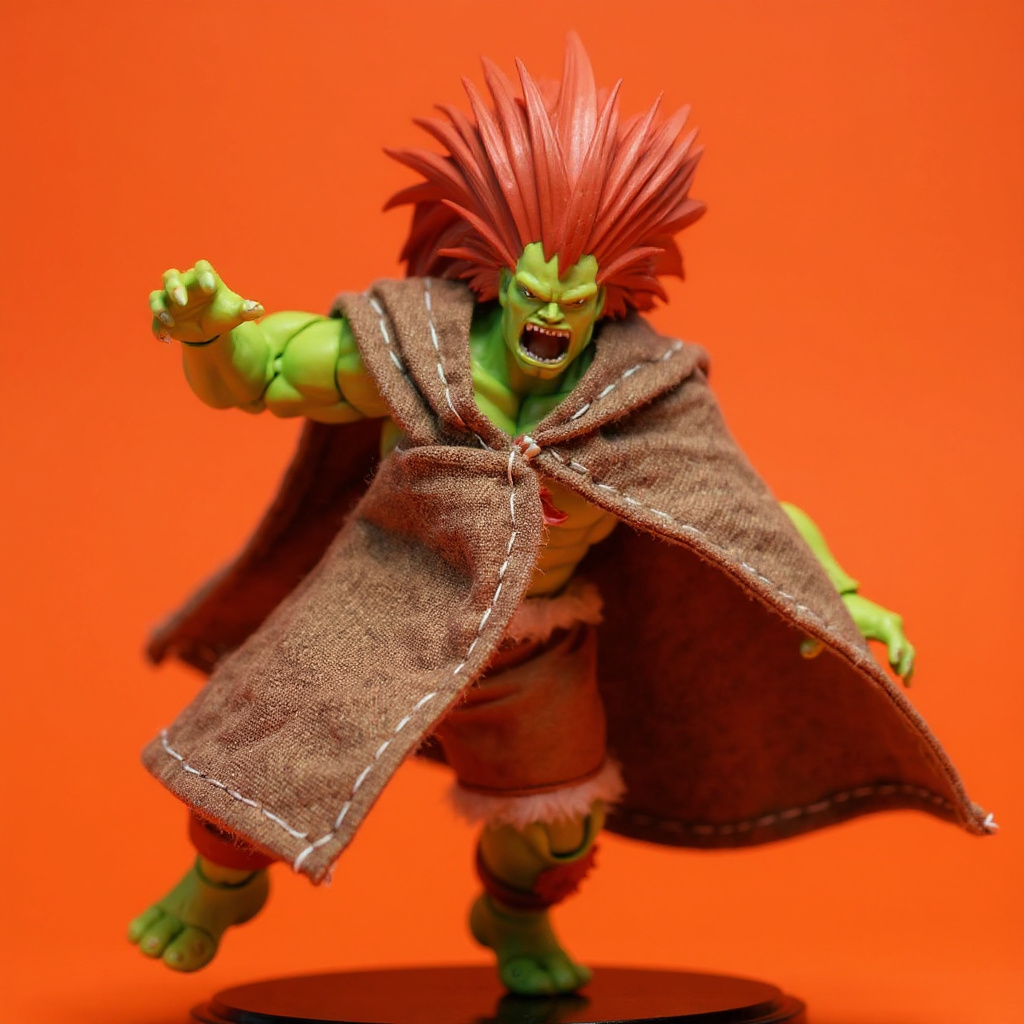
Fabric capes change your photography, but they need handling that plastic never asks for.
For action shots, pose the cape first, then work the figure into it. Wire holds shape better when you're not fighting gravity and joint articulation at the same time.
Lighting matters more with fabric. It throws real shadows and highlights instead of plastic's flat reflection. Side lighting brings out texture and fold lines that make the figure look dimensional instead of like a sticker.
Dust is the enemy here. Fabric grabs particles that plastic just sheds. A soft brush every few weeks keeps things clean without disturbing the wire core.
Caring for Soft Goods Accessories
Fabric accessories need upkeep plastic never asks for. Not complicated upkeep, but real upkeep.
Store figures in enclosed cases when you can. Dust and UV are the two real threats to a dyed fabric cape. Direct sun will fade most dyes inside 6-12 months — I've watched a red cape go salmon-pink in under a year on a sunny windowsill.
For cleaning: soft brush or compressed air for light dust. A barely-damp cotton swab for spot cleaning, tested on a hidden seam first. Never submerge a wire-core cape. The wire rusts, and rust bleeds through fabric from the inside out — you won't see it coming until it's already stained.
If the wire breaks or goes soft, replace it. Open a small section of hem, slide the old wire out, feed in fresh 30-gauge wire, hand-stitch the opening shut. Fifteen minutes, and you've saved a full replacement purchase.
So Is Fabric Worth the Extra Cost?
For collectors building serious displays or shooting figure photography: yes, without much debate. Once you see fabric and plastic side by side, the realism gap is hard to unsee.
If you're collecting for nostalgia, or keeping everything sealed in the box, plastic works fine. Save the money. But if you're posing figures, building dioramas, or sharing shots in figure collecting communities, fabric earns every extra dollar it costs.
The handmade Blanka cape in our shop was built around exactly this 1/12 scale figure cape vs plastic cape decision — screen-toned cloth, integrated wire, sized at 7.5 inches for $36.50. For a deeper look at fabric maintenance and pose tricks, check our figure care notes.

