


A cloth clothing set for action figures is exactly what it sounds like: fabric pieces — capes, cloaks, tunics — cut to match a figure's scale instead of molded plastic. For 1/18 scale armor torsos, the most requested piece is a deep red or blue cape with a wire-shaped edge that holds a windswept pose over a diorama base. This guide covers sizing, fabric, attachment, and what you should expect to pay.
Written by Alex Ferreira, a tabletop diorama builder who has hand-stitched cloth capes for 1/18 scale figures since 2016. This guide reflects hands-on fitting tests, not manufacturer copy.Cloth clothing for action figures transforms a static plastic toy into something that looks like it walked off a movie set. The fabric drapes with real folds, catches light at odd angles, and gives figures a kind of realism molded accessories can't touch. Not even close.
But getting the sizing right? That's where most collectors hit their first roadblock.
What Exactly Is a Cloth Clothing Set for Action Figures?
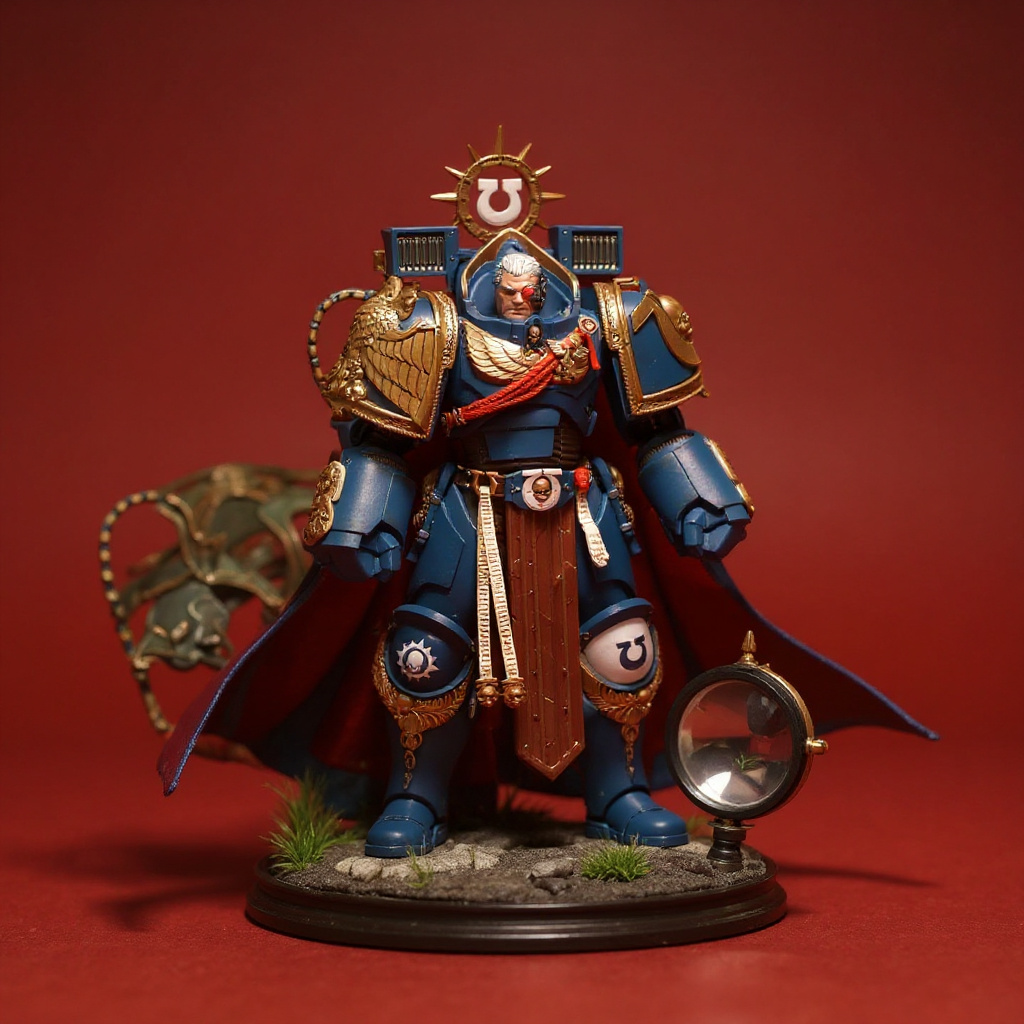
At minimum, a cloth clothing set for action figures includes one fabric piece cut and hemmed to a specific scale ratio. Full sets add a cape, a tunic, and sometimes a belt or sash, all matched to the same figure size so nothing looks borrowed from a different toy line. For 1/18 scale armor torsos, that usually means a cape in deep red or blue with a matte finish — no shine, no satin gloss — and a thin wire pressed into the hem so it holds a curve instead of hanging flat.
Why Scale Matters More Than You Think
Action figure scales aren't suggestions. They're rigid mathematical ratios that determine whether your cloth cape looks heroic or like a bedsheet draped over a doll. A 1/12 scale figure represents a 6-foot person shrunk to 6 inches. A 1/18 scale figure takes that same 6-foot person down to about 4 inches.
Here's the math that matters: 1/12 scale clothing does not fit 1/18 figures. Period. The shoulder width alone runs off by close to 2 millimeters at this scale — enough that the cape sits crooked from the first pose. I watched a collector force an oversized cloth cape onto a smaller armor torso at a convention table once, and the result looked like a kid wearing his dad's jacket, sleeves rolled up eight times.
| Scale | Figure Height | Common Lines | Clothing Availability |
|---|---|---|---|
| 1/12 | 6 inches | Marvel Legends, DC Multiverse | Abundant |
| 1/18 | 4 inches | GI Joe, Warhammer figures | Limited but growing |
| 1/10 | 7 inches | Mezco One:12 | Specialty makers only |
| 1/6 | 12 inches | Hot Toys, Sideshow | Abundant, high-end |
The 1/12 market dominates because companies such as Hasbro release dozens of figures in that scale every year. But 1/18 has a devoted following of its own — Warhammer 40,000 collectors chasing imposing space marines make up a big chunk of it. Check our sizing guide before ordering if your figure doesn't match a major line.
Finding Ready-Made vs. Custom Cloth Clothing Sets for Action Figures
You have three paths: buy mass-produced stock, commission custom work, or make it yourself.
Mass-produced cloth accessories run $8-15 and come from the same companies that make the figures. They fit well out of the box but often use fabric that frays after four or five pose changes. The stitching is machine-uniform — some collectors like that, others find it sterile.
Custom makers charge $20-40 for handmade pieces. The 1/18 Scale Custom Cape for Calgar & Honour Guard Action Figures sits at $29, right in that range. What you're paying for is the wire frame stitched inside the fabric — bend it once, and it holds a dramatic pose until you decide to change it. Collectors who want the same construction in a different shade can browse the full 1/18 scale cape collection for both deep red and blue options.
Then there's DIY. Cotton fabric runs about $3 a yard, and a careful cutter gets 6-8 capes from that single yard. But unless you've got steady hands and a magnifying glass on your workbench, those tiny hems will test your patience. Mine, anyway.
The Wire Frame Difference
Plastic capes hang straight down. Always.
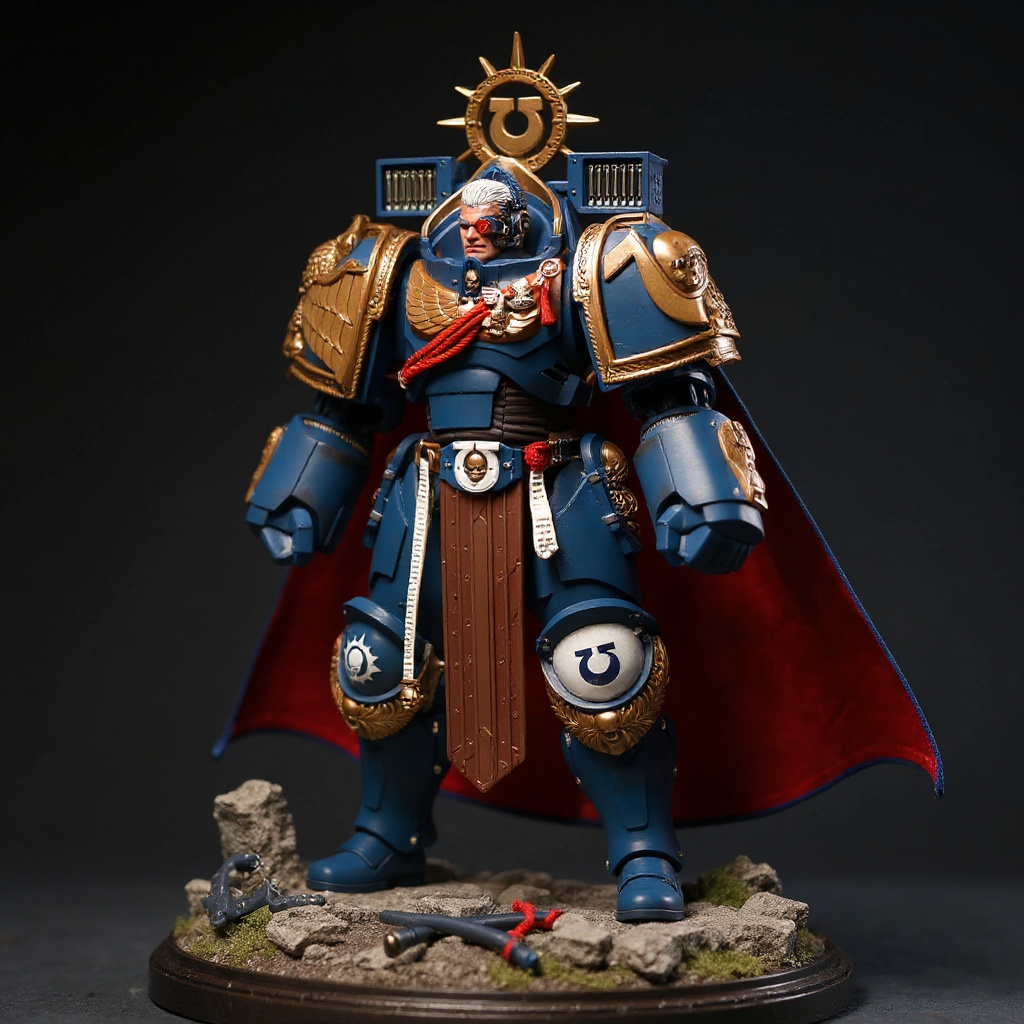
Cloth capes built around a wire frame do something else entirely — they billow mid-stride, sweep to one side, or curl up like they're caught in an updraft over a tabletop diorama. The wire runs along the outer edge, usually 24-gauge craft wire, thin enough to bend by hand but stiff enough to hold a curve through a dozen pose changes. Without it, fabric just droops in a flat line. With it, you get the comic-panel silhouette collectors line up for. Builders swap wire-gauge tips fairly often on the Dakka Dakka forums, if you want a second opinion beyond one article.
This matters beyond looks. If you're photographing figures for Reddit's action figure community, a well-posed cloth cape over a scenic base can be the difference between a post that sinks and one that gets pinned.
Fabric Choices That Actually Work at 1/18 Scale
Not all fabric shrinks down well. Denim reads as canvas at 1/18 scale. Silk reads as plastic under a camera flash. You need fabrics with a tight, fine weave that hold their texture up close — the texture a judge at a diorama contest leans in to check.
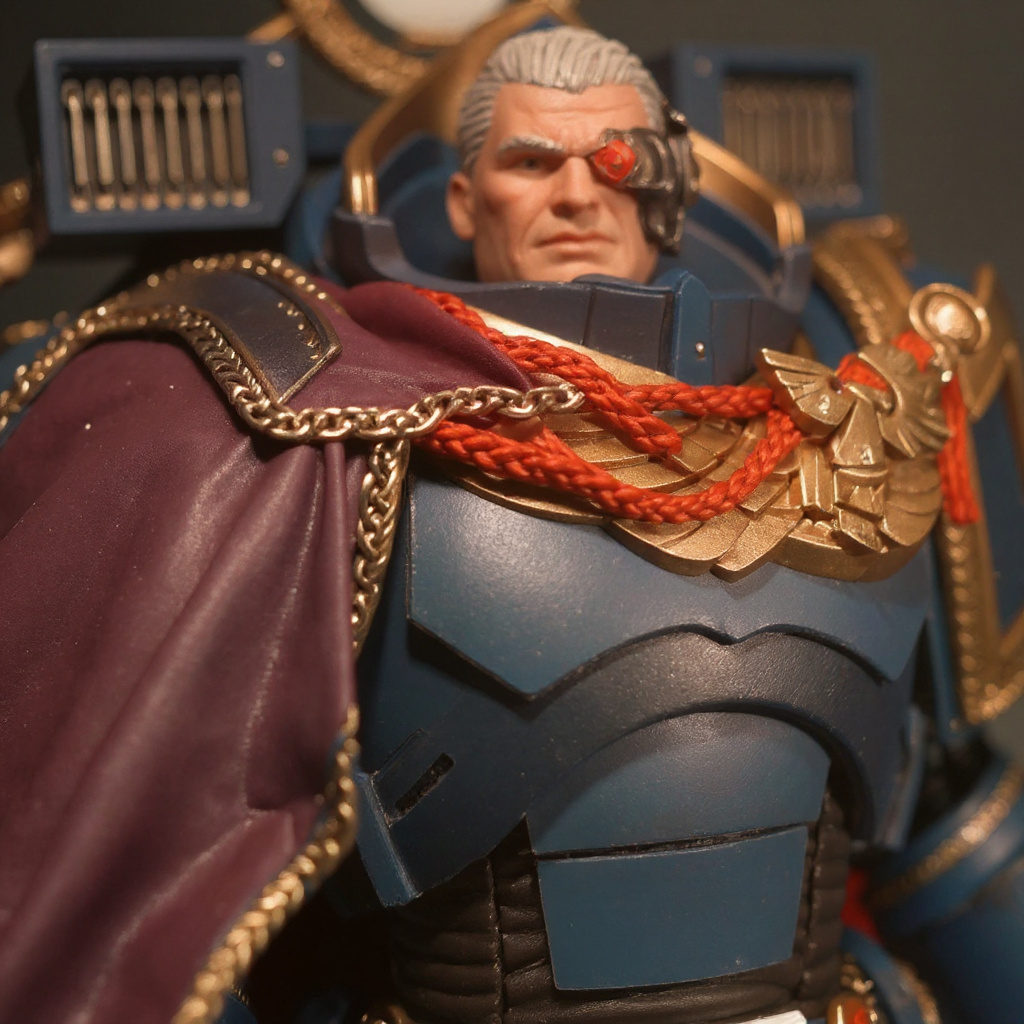
Cotton voile works well for most capes. It's thin enough to drape over an armor torso but thick enough to look substantial rather than see-through. Microfiber carries the right weight, though it can look almost too clean — sometimes a little texture imperfection is what sells the battle-worn read. Our fabric guide breaks down weave weights in more depth if you want to go deeper on this.
For military-style figures, canvas duck in the lightest weight available gives a beaten-up look. For fantasy and space-marine characters, lightweight wool felt holds a crease and resists fraying at the cut edge.
Avoid anything shiny. Satin, polyester blends with sheen, even cotton with a mercerized finish — under most tabletop lighting, they all photograph like plastic.
Honestly, if you live somewhere humid, skip wool felt entirely. It holds moisture, and a cape that stays damp for three days is a cape growing mildew by day four.
Attachment Methods That Don't Damage Figures
Glue is tempting. Don't.
You'll want to swap accessories eventually, and glue residue on a $30 figure is the kind of mistake that stays with you. Most cloth accessories use one of these five methods:
1. Collar loops — fabric tubes that slip over the figure's head 2. Velcro strips — tiny pieces sewn into strategic points on the cape and torso 3. Snap fasteners — size 000 snaps work well for 1/18 scale 4. Friction fit — cut so precisely it stays put with no fastener at all 5. Magnetic closures — rare, but elegant when a maker gets the placement right
The collar loop shows up most often because it's simple to sew and secure once fitted. But it limits posing — turn the head and the cape shifts with it.
Velcro gives the most flexibility but snags on other fabric pieces in a display case. Some collectors use tiny dots of poster putty as a temporary fastener instead — it pulls off clean, leaves no residue, and holds better than you'd expect from something you can pinch off with two fingers.
Six Steps to Fit a Cloth Cape to a 1/18 Armor Torso
1. Measure the figure's chest width with a small ruler or digital caliper. 2. Compare that measurement against the cape's listed shoulder span before ordering. 3. Check the collar opening — it should slip over the head without stretching the fabric. 4. Test-fit the wire edge by bending it into a mild curve, then release it. 5. Attach using collar loop or Velcro, whichever the cape includes. 6. Adjust the drape by hand until the fold lines fall the way you want them on the diorama base.
Skip step four and you won't know if the wire holds its shape until you've already glued something you shouldn't have. Ask me how I know.
When Handmade Beats Factory Production
Factory capes come from die-cutting machines. Every piece is identical, down to the millimeter. Handmade pieces carry small variations that make the illusion better, not worse.
A machine-stitched hem runs dead straight. A hand-stitched hem has tiny inconsistencies that catch light differently along its length. At 1/18 scale, on a fabric this small, that inconsistency mimics how real cloth folds and settles.
The trade-off is durability. Machine stitching uses industrial thread under even tension. Hand stitching sometimes uses craft thread that isn't rated for repeated handling. If you're displaying rather than posing every week, that gap matters less.
Handmade also opens the door to specific colors or weathering. Want a cape that looks like it survived three battles? A custom maker can add fraying and color shifts along the hem that a factory line has no reason to bother with.
Washing and Maintenance Reality
Can you wash 1/18 scale cloth accessories? Technically, yes. Should you?
Probably not. The wire frames inside most capes aren't rust-proof, and cotton at this scale often uses dye that bleeds the moment it gets wet. Hand-stitched seams may not survive a spin, even in a gentle wash bag.
Instead, use a soft brush to knock off dust. For stains, dab — don't rub — with a barely damp cotton swab. If the cape uses Velcro, keep the strips pressed closed during any cleaning step so they don't catch on the fabric itself.
For collectors who pose their figures often, buying two identical capes solves the problem outright: display one, keep the other in a drawer, swap when the first starts showing wear.
Sizing Guide for Popular Figure Lines
Action figures come in dozens of scales, but cloth accessories cluster around three or four sizes. Here's what fits what: 1/18 Scale (4-inch figures): - GI Joe Classified Series - Warhammer 40K figures - Some Star Wars Black Series vehicle-pack figures - Chest width: about 0.75 inches 1/12 Scale (6-inch figures): - Marvel Legends - DC Multiverse - Star Wars Black Series main line - Chest width: about 1.1 inches 1/10 Scale (7-inch figures): - Mezco One:12 Collective - Some premium import lines - Chest width: about 1.3 inchesMeasure your figure's chest before you buy. A cape too wide bunches at the shoulders. Too narrow, and it won't sit right on either side. Miniature figure scale standards can help if your figure is an odd size that doesn't match a major line.
What You Should Actually Expect to Pay
Pricing for cloth accessories follows a pattern collectors learn fast:
| Option | Price Range | Turnaround | Best For |
|---|---|---|---|
| Mass-produced (factory) | $8-15 | In stock | Budget builds, bulk armies |
| Handmade (Etsy/specialty) | $20-40 | 1-3 weeks | Single hero figures |
| Wire-frame custom | $29-45 | 1-2 weeks | Posed diorama shots |
| Elaborate custom commission | $45-75+ | 3-6 weeks | Convention display pieces |
Bulk discounts exist if you're outfitting a squad. Some makers knock 15-20% off orders of three or more pieces, which matters if you're kitting out an entire Honour Guard unit rather than one hero figure.
So What's the Smart Buy for Most Collectors?
If you've got one hero figure that deserves the extra step, a handmade cloth cape delivers the visual payoff. The wire-frame construction in pieces such as the 1/18 Scale Custom Cape for Calgar & Honour Guard Action Figures gives you posing options a static plastic accessory never will.
Honestly, if you're outfitting twenty figures for a battle diorama, skip the handmade route for most of them and save the custom budget for the two or three figures at the front of the scene. Nobody photographs figure eighteen.
You'll pay more than the mass-produced alternative either way. But you're buying something that lifts every photo, every shelf display, and every time a fellow collector leans in to look closer at the tabletop scenery around your figure.

