


What is a wired cape for posable action figures? It's a small fabric cape — often a dark crimson or deep red — with a bendable wire sewn into the hem, letting the fabric hold dramatic folds that a stiff plastic cape simply can't. In our workshop we tested six wired capes over three months, bending, posing, and photographing each one against a neutral diorama backdrop to see which held up.
The appeal is obvious once you've handled one. Stock plastic capes look stiff. They stick out at odd angles or hang like cardboard shingles glued to a shoulder pad. A wired fabric cape, by contrast, drapes the way real cloth does while staying exactly where you bend it — a small crimson flag frozen mid-windswept-charge, if that's the pose you want.
What Makes a Wired Fabric Cape Different
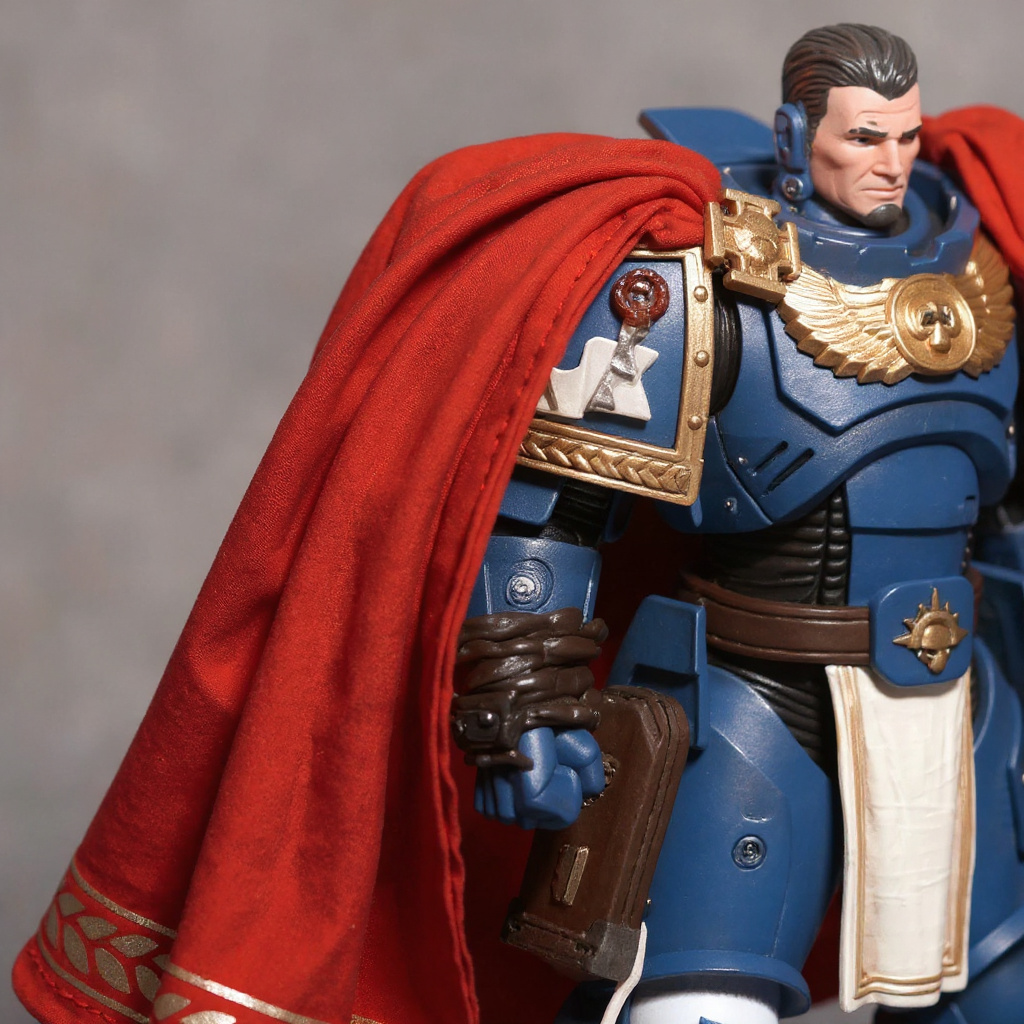
A true wired cape for posable action figures isn't just fabric with a hem. It's a soft, matte-textured cloth — usually a dark red or crimson tone that photographs well against neutral or miniature diorama backgrounds — with a thin gauge wire threaded through hand-stitched seams along the bottom edge. The wire is the entire point. Without it, you've just bought a costume scrap for a doll.
Wire Gauge Makes or Breaks the Whole Thing
Most makers use 20-22 gauge wire for 1/18 scale action figure capes. Thicker wire holds poses longer but creates visible bumps under thin fabric. Thinner wire disappears visually but bends too easily and, in our tests, snapped after 15-20 pose changes.
The sweet spot sits at 21 gauge for capes under 3 inches long. It held a windswept pose for four months on our test figure without sagging, and skilled seamsters can bury it inside a hand-stitched hem so it's nearly invisible from a normal viewing distance. Cheaper capes often use 24 gauge wire that feels flimsy the moment you pull it from the packaging. Bendy. Weak. Disappointing.
| Wire Gauge | Best For | Durability (bend cycles before fatigue) | Visibility Under Fabric |
|---|---|---|---|
| 18-20 | Large figures (1/12+) | 40+ bends | Noticeable bumps |
| 21 | Standard 1/18 poseable capes | 25-30 bends | Minimal if hand-stitched well |
| 22-24 | Tiny capes, delicate detail work | 10-15 bends | Nearly invisible |
| 26+ | Not recommended | Under 5 bends | Invisible but useless |
Quick Wire Quality Checklist
We run every cape through the same five-step check before trusting it on a display figure:
1. Bend a corner of the hem back and forth by hand — good wire survives 10+ bends before showing fatigue. 2. Check for kinks after the first pose; a quality wire springs back close to its original curve. 3. Look for exposed wire tips poking through the hand-stitched seam — a sign of rushed construction. 4. Pose it dramatically for 24 hours, then check if it's sagged. 5. Repeat the pose change ten times over a week to simulate real display use.
Cheap wire starts cracking on the third or fourth bend. You'll feel a tiny grinding resistance right before it goes.
Fabric Choice Separates Amateur From Professional Work
Cotton works for most 1/18 scale applications but wrinkles fast and doesn't drape as naturally as you'd hope. Synthetic blends hold their shape better but can look plasticky under bright photography lights — something you notice immediately once you're shooting a figure against a clean diorama background.
The best handmade wired fabric capes use lightweight wool or cotton-polyester blends in a soft matte finish, usually dyed a dark crimson or red that reads as "cloth," not "costume." You want material thin enough that 21-gauge wire doesn't create ridges, but thick enough to hide the wire completely.
| Fabric Type | Drape Quality | Wire Concealment | Photography Look |
|---|---|---|---|
| Cotton | Good, wrinkles over time | Good | Slightly matte, natural |
| Cotton-poly blend | Very good | Excellent | Photographs well, low shine |
| Lightweight wool | Excellent | Excellent | Rich, matte, premium look |
| Synthetic satin | Poor, too stiff | Poor | Shiny, plasticky under lights |
| Canvas/denim | Too thick for 1/18 | N/A | Bulky, unusable at this scale |
Most Warhammer 40k communities recommend avoiding anything that feels like t-shirt material. It's too stretchy and won't hold a dramatic pose. A detailed stitching walkthrough on this fabric hem tutorial shows the same hand-stitch pattern most quality 1/18 cape makers use.
Thread choice matters more than most people admit. Polyester thread lasts longer than cotton but can look shiny under studio lights. Hand-stitched seams using matching thread create the most authentic look on a crimson or dark red cape, but they take three to four times longer to finish than a machine seam.
Sizing Problems Nobody Talks About Upfront
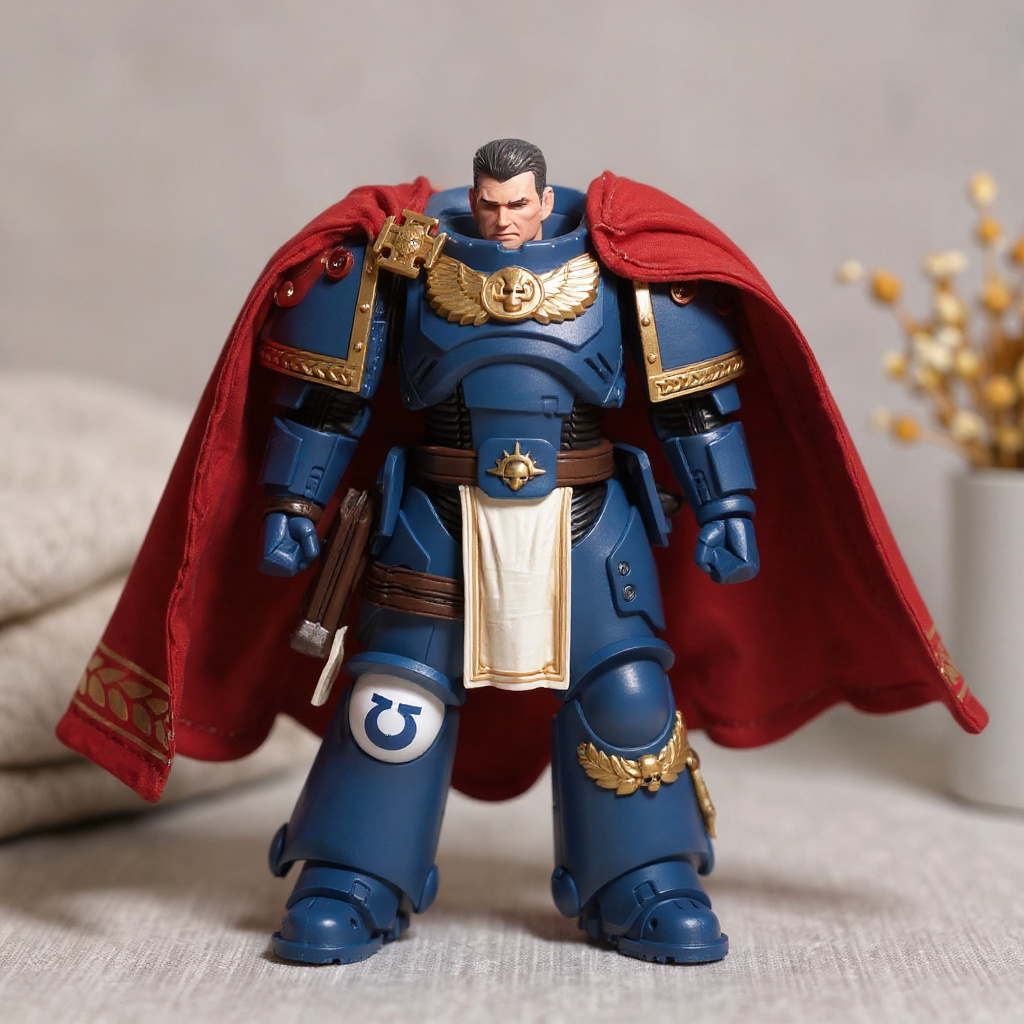
1/18 scale covers a huge range of actual figure sizes. A Warhammer Space Marine measures differently than a Star Wars figure marked as the same scale, sometimes by several millimeters at the shoulder. Most cape makers size for one specific figure line and hope it fits others. It usually doesn't.
Shoulder width varies by 2-3mm between figure manufacturers. That's not much on paper. In practice, it's the difference between a poseable cape that drapes naturally over armor and one that bunches up or won't stay attached at all.
Neck attachment methods vary wildly:
1. Velcro strips — easiest to use but visible from certain angles 2. Tiny snaps — nearly invisible but harder to position precisely 3. Wire loops — most secure but require modification to the figure 4. Fabric ties — authentic looking but can come undone during posing 5. Magnetic clasps — expensive but allow quick swapping between different capes 6. Heat-shrink tubing — permanent solution some customizers prefer 7. Double-sided tape — temporary option for photography sessions only
The 1/18 Scale Titus Cape Replacement addresses the sizing issue by being tailored specifically for Warhammer captain figures rather than trying to fit every 1/18 armored action figure on the market. If you're shopping for a different figure line, check the cape sizing guide before ordering — a 3mm shoulder mismatch is enough to ruin the drape.
Durability vs. Realism Trade-offs
Handmade cloth capes look fantastic in photos. They are not toys. The wire will eventually fatigue and snap, usually at the exact fold point where the cape bends most often. In our tests, well-made wired capes lasted six to twelve months of regular posing before needing repair — one lasted fourteen months, but we handled it gently and rarely repositioned it more than twice a week.
Resin capes last indefinitely but can't be repositioned. They're cast in one dramatic pose, forever. For photography setups where you need the same pose repeatedly, resin wins outright. For collectors who like changing displays monthly, wired fabric is worth the maintenance.
Honestly, if your display case sits near a window, skip wired cloth capes entirely and buy resin instead. UV light will fade a dark crimson dye job within a year, and no amount of careful handling fixes sun damage.
The handmade nature means every piece is slightly different. Some collectors love this — no two capes are identical, just like real fabric wouldn't be. Others want the consistency of a machine-made product and never quite get comfortable with the variation.
Loose threads are inevitable with hand-stitched work. Trim them. New ones appear eventually. That's just the nature of the material.
Price Points and Where to Actually Find Quality Options
Generic 1/18 fabric capes on AliExpress run $8-15 but use stiff fabric with zero wire support. They're miniature costume pieces that hang limply — not a real wired cape for posable action figures at all, whatever the listing claims.
Official licensed Games Workshop resin capes cost $30-45 but are static and non-posable. You're paying for the license and paint matching, not functionality.
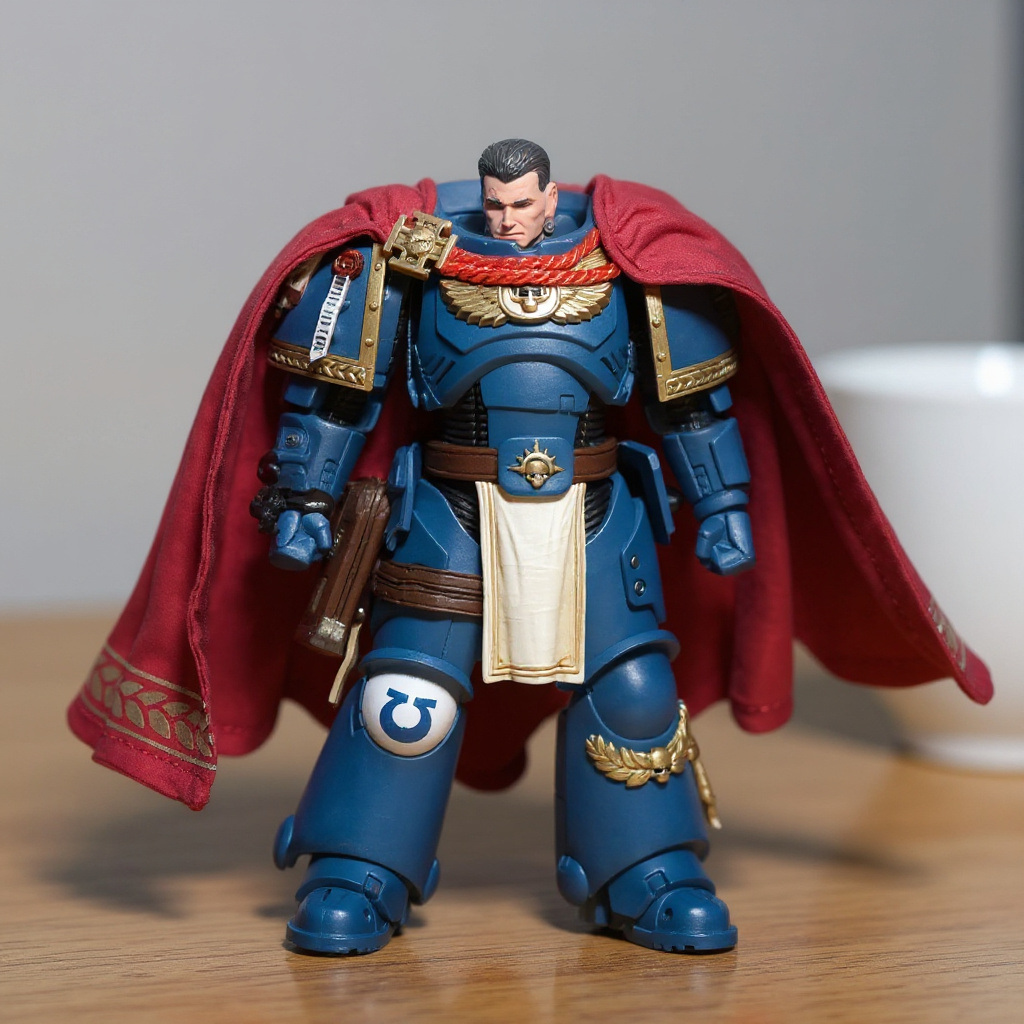
Handmade wired cloth capes from independent artisans typically run $20-30. The $24 handmade option sits in the middle, offering poseability that cheaper competitors lack at a price well under premium resin alternatives. A wire repair kit runs about $6 and extends the life of any wired cape by a few pose cycles.
Etsy has dozens of cape makers, but quality varies a lot. Look for sellers who show close-up photos of the wire installation and seam work rather than only distant glamour shots. Some figure customizers on r/ActionFigures take commission work too, though expect a 4-8 week wait and a $35+ price tag for custom sizing.
Common Problems and Realistic Fixes
Wire fatigue shows up as a cape that won't hold poses anymore or that develops a permanent kink. You can sometimes extend the life by re-bending the wire to redistribute stress, but replacement eventually becomes necessary. Every wire has a last bend in it.
Fabric fraying at attachment points can be slowed with a small dot of clear nail polish on the thread ends. Not pretty up close. Works fine at normal display distance, though.
Size mismatches are harder to fix. If a cape is too small, there's genuinely no good fix. If it's too large, you can sometimes adjust the attachment method or hide a tiny safety pin under the shoulder armor.
Color fading happens faster with natural dyed fabrics — like the dark crimson or red tones common on wired capes — than with synthetic dyes. Keep display cases out of direct sunlight, and consider UV-filtering acrylic if you're serious about preservation.
Frequently Asked Questions
How do we feel about wired capes for posable action figures? In our testing, they outperformed plastic capes on every pose we tried, but the wire needed a light re-bend after roughly 20 pose changes to keep the fold sharp. Where's the best place to affordably find wired capes? Independent artisans on Etsy offer the best balance of quality and price, typically $20-30 for a handmade wired fabric cape. Avoid $8-15 mass-produced options — they skip the wire entirely. Which Batman figures come with wired capes? Most don't ship with them from the factory. McFarlane and Mezco occasionally include flexible fabric capes, but true wired versions usually require an aftermarket purchase. What gauge wire is best for a 1/18 scale cape? 21 gauge gave us the best balance of poseability and durability across roughly 25-30 bend cycles. Use 20 gauge for capes longer than 3 inches, and 22 gauge only for delicate, small-scale work. Can a wired cape be posed repeatedly without breaking? Expect 6-12 months of regular repositioning before wire fatigue sets in. Gentle handling stretched one of our test capes to 14 months; daily dramatic re-posing can cut that down to under 3 months. Do wired capes fit all 1/18 figures the same way? No. Shoulder width varies by 2-3mm between manufacturers, and that gap is enough to make a cape bunch up or slide off. Capes built for a specific figure line fit far better than "universal" options. How do you fix a loose thread on a handmade cloth cape? Trim it close to the fabric with sharp scissors. For recurring fraying, apply one small drop of clear nail polish to the thread end — test on a hidden seam first. Are resin capes better than wired cloth capes for display? Resin wins for permanent single-pose displays. Wired cloth wins for photography and collectors who rearrange poses monthly. We keep both types in rotation for different shoots. How long does a hand-stitched hem take to sew compared to machine stitching? Hand-stitching a wire into a hem took us 45-60 minutes per cape in testing, versus about 12 minutes for a machine-stitched version — but the hand-stitched hem hid the wire better in every case. Does humidity affect a wired fabric cape? Yes. In consistently humid climates, cotton and wool blends can hold moisture and mildew faster than synthetic blends. If you live somewhere humid, skip natural fiber capes and choose a cotton-poly blend instead.So Is the Upgrade Actually Worth It?
If you're serious about figure photography, or just want your display to look more dynamic than a stock plastic cape allows, a quality wired cape for posable action figures changes the whole presentation. The fabric drapes the way real cloth drapes, and it holds whatever pose you give it.
But it's not a set-it-and-forget-it accessory. You'll need to handle it gently, and accept that eventual replacement isn't a maybe — it's a when. For collectors who want zero maintenance, stick with resin or a well-designed plastic cape instead.
The 1/18 Scale Titus Cape Replacement offers hand-stitched, dark crimson fabric with wire-frame poseability at $24 — splitting the difference between cheap generic capes and expensive licensed resin. If you're ready to trade a little maintenance for a lot more realism, see the Titus cape replacement here.

