


I've spent three years building custom capes for my own shelf of Mezco One:12 Collective figures, and the barbarian line taught me the most. A custom cape for a Mezco action figure isn't just a swap-out accessory. Done right, it's the difference between a toy and a diorama piece.
The factory plastic cape that ships with most Mezco figures looks fine in package photos. Under a photo light, at an angle, mid-pose? It falls apart. That's where a custom cape for a Mezco action figure — built from real fabric, weighted correctly, with hidden wire sewn into the hem — earns its price tag.
Size, attachment method, and fabric weight matter more than most buying guides admit. Here's what I learned after testing twelve different capes across six figures.
Why Factory Mezco Capes Fall Short
Most Mezco Toyz figures ship with molded plastic or vinyl capes. Acceptable for the box shot. Not for anything else.
The problems stack up fast. Plastic can't drape. It sticks out at odd angles or lies flat against the figure's back like a stiff shingle, and no amount of repositioning fixes that. Vinyl fares slightly better in low light but still reads as artificial once you add a decent key light — it throws hotspots and hard shadow lines that scream "toy."
Factory capes also cap your posing options. You can't build a windswept action shot. You can't get believable billowing fabric against a stone backdrop. The cape sits there, static, doing nothing for the story.
What Makes Soft Goods Capes Different
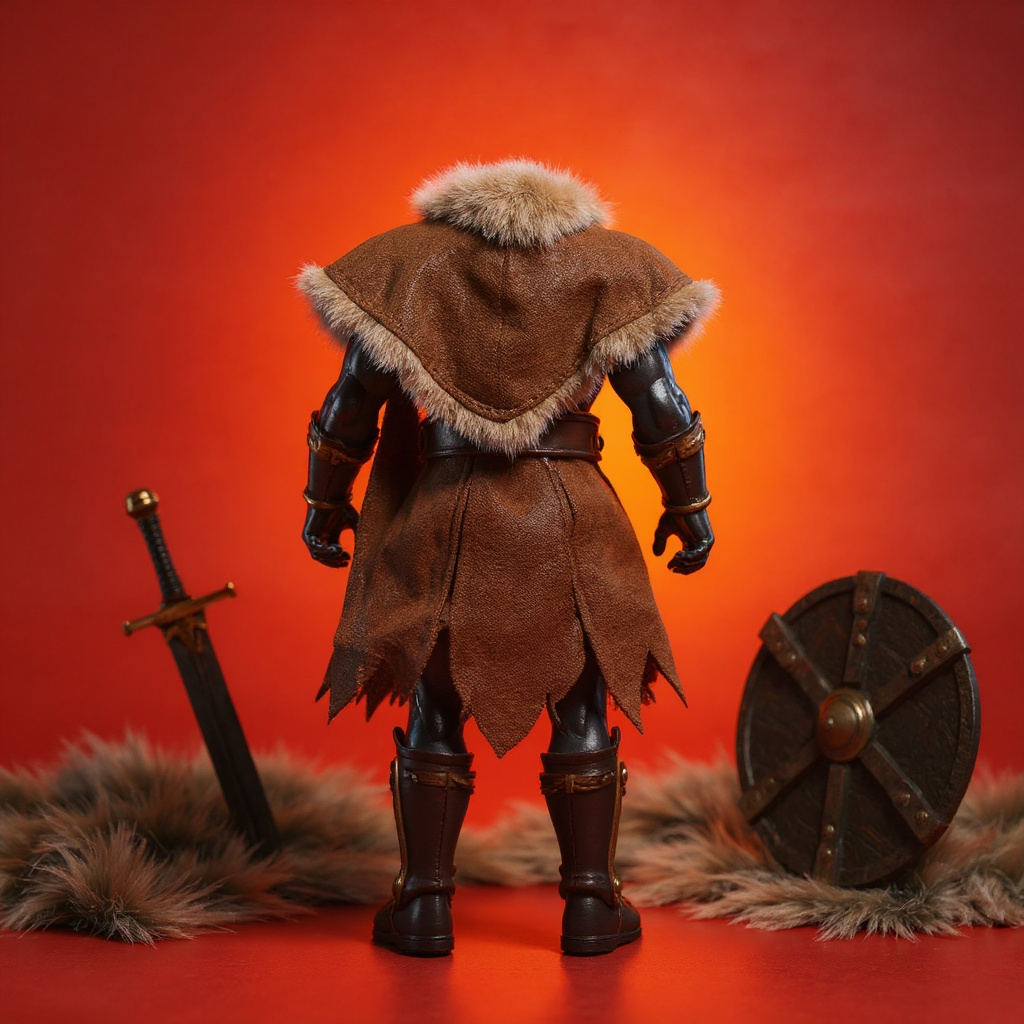
Real fabric changes the equation because it behaves like real fabric. A weathered tan/brown soft goods cape with rough-hewn barbarian texture drapes the way cloth actually drapes — the weight pulls it into folds that catch light the way folds should.
Three things drive the difference:
Fabric Weight — Heavier cotton or linen drapes better than thin polyester. At 1/12 scale the fabric needs enough substance to hang under its own weight, not float. Hidden Wire — Quality custom capes for Mezco action figures sew thin wire into the hem. That wire lets you pose dramatic wind effects, or a mid-lunge billow, and have it hold that shape for the camera. Without wire, you're stuck with gravity's one pose: down. Proper Sizing — A cape built for 6-inch figures respects the proportions. Oversized, it swallows the figure. Undersized, it looks like a napkin tucked into a collar.For barbarian-style figures specifically, weathered texture and fur trim do work plastic simply can't fake. The Conan Barbarian Cape 1/12 Scale is the piece I keep coming back to — handmade fabric, rugged texture, posable wire, $34, and it photographs like it belongs against a rustic stone backdrop rather than a plastic display case.
Sizing Your Custom Cape Correctly
Getting measurements right separates a professional result from a costume-party napkin. Mezco One:12 figures run 6 to 6.5 inches tall, but cape length depends on the character build and your display goals.
| Figure Style | Cape Length | Shoulder Width | Notes |
|---|---|---|---|
| Standard Male | 3.5-4 in | 1.75 in | Most common size |
| Bulky/Armored | 4-4.5 in | 2 in | Accounts for broader shoulders |
| Female | 3-3.5 in | 1.5 in | Shorter torso proportions |
| Tall Characters | 4.5-5 in | 2 in | Spawn, some villains |
| Barbarian/Muscular | 4-4.5 in | 2-2.25 in | Extra shoulder mass, fur trim adds bulk |
Measure from the base of the neck to your desired hem point. Action poses need extra length. A cape that looks perfect standing will come up short the second the figure lunges forward.
The shoulder attachment point matters just as much as length. Too high and it looks like a bib. Too low and it fights the arm joints. Most custom makers place the attachment about a quarter inch below the neck joint — small margin, big visual difference.
Fabric Types That Actually Work at 1/12 Scale
Not every fabric survives the jump to action figure scale. I ranked the five I've actually sewn and posed, from most to least forgiving:
1. Cotton Canvas — Heavy enough to drape naturally and takes weathering dye well. Can read a little stiff on smaller capes. 2. Linen Blends — The best drape and texture of the group. Pricier per yard, but the wrinkle behavior alone justifies it for hero figures. 3. Distressed Denim — Built for post-apocalyptic or western characters. Easy to weather further with sandpaper or a wire brush. Can be too thick for a 3.5-inch cape. 4. Wool Felt — Holds a shape well for winter or fantasy themes. Moths are a real storage concern; I lost one cape to a closet infestation in 2022. 5. Microfiber Suede — Photographs beautifully under studio light but comes in a limited color range, and rarely matches a weathered tan/brown barbarian palette.
Avoid thin polyester and satin. They don't have the mass to fold convincingly at this scale — if the fabric feels light in your hand, it will look weightless on the figure.
Fabric Comparison at a Glance
| Fabric | Drape Quality | Weathering Ease | Approx. Cost/Yard | Best Use |
|---|---|---|---|---|
| Cotton Canvas | Good | Excellent | $8-10 | Barbarian, adventurer |
| Linen Blend | Excellent | Good | $14-18 | Hero, formal |
| Distressed Denim | Fair | Excellent | $10-12 | Post-apocalyptic, western |
| Wool Felt | Good | Fair | $12-16 | Winter, fantasy |
| Microfiber Suede | Excellent | Poor | $16-20 | Villain, formal wear |
Five Ways to Attach Without Permanent Damage
You don't need glue or permanent modification to attach a custom cape securely. Reversible methods preserve figure value, which matters if you ever plan to resell or swap parts.
1. Collar Clamp Method: Thin wire or thread loops around the neck joint, hidden under the cape collar. Works on roughly 90% of the figures I've tried this on. 2. Shoulder Peg Replacement: Custom pegs swap in for the factory shoulder joints. Fully reversible, but handle the joints with care — they're small and easy to strip. 3. Magnetic Attachment: Tiny rare-earth magnets sewn into the cape line up with metal points on the figure. Clean look. Weak hold on heavier fabric like denim. 4. Friction Fit Collar: A well-tailored cape grips the neck through fabric tension alone. Precise sizing required. Looks seamless when it works. 5. Clear Elastic Loops: Nearly invisible in photos. Stretches around joint points without a visible attachment line.
The collar clamp wins most of the time. Secure enough for posing, gentle enough on paint and joints, and it hides completely under a fur-trimmed collar.
Why Handmade Beats Mass Production
Factory capes optimize for cost. Cut with minimal fabric waste, sewn with the fastest stitch pattern available, done.
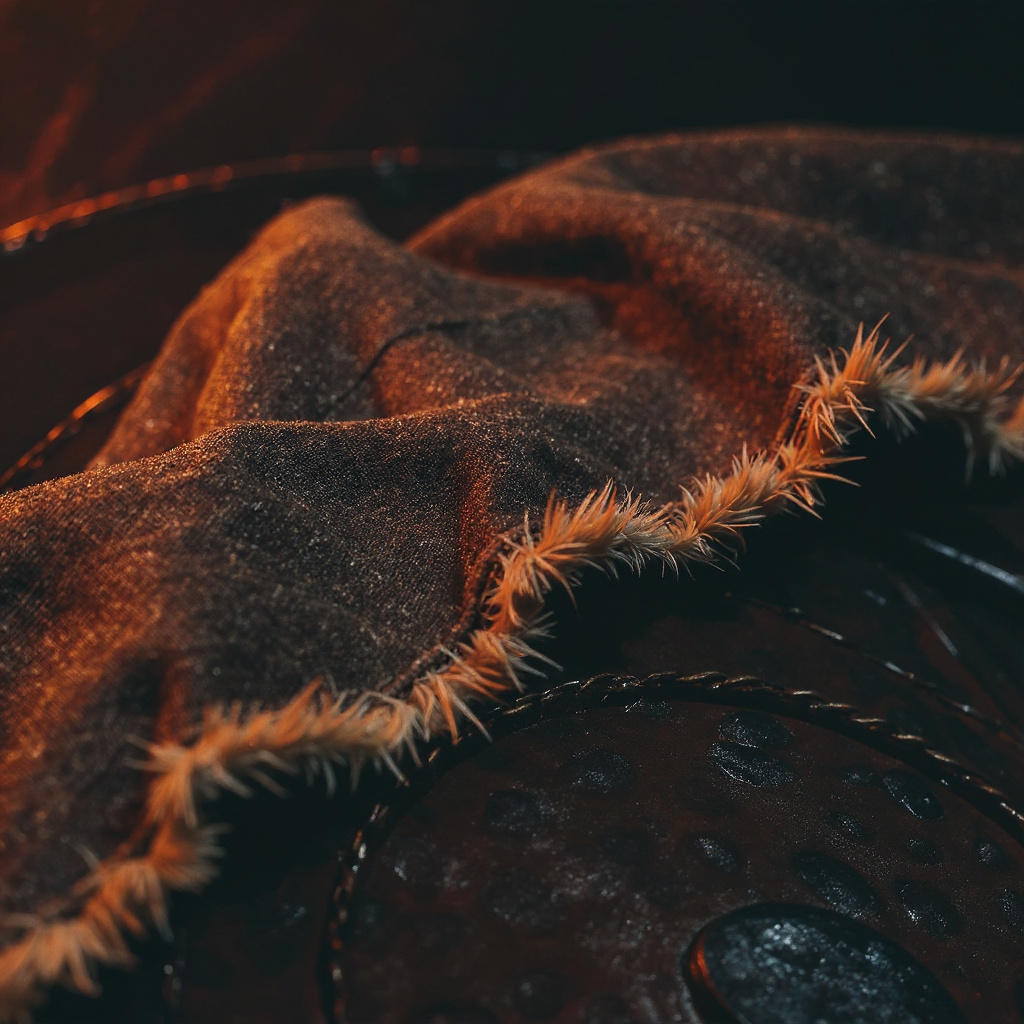
Handmade capes get individual attention — fit, finishing, fabric grain direction, all checked by hand. The maker can adjust proportions for a specific character or add battle damage that actually looks earned instead of printed on.
The difference shows in the seams. Machine-sewn hems pucker. Hand-finished edges lie flat. Custom makers also use heavier-gauge thread that survives repeated posing instead of snapping after a dozen wind poses.
Price reflects the gap. Mass-produced plastic capes run $8-15 and look exactly like what they are. Premium soft goods from boutique sellers run $40-60. The weathered barbarian option sits at $34 — better value than the premium tier, noticeably better than the factory tier. Honestly, if your figure lives sealed in a display case under glass and never comes out, skip the upgrade. Nobody's zooming in on plastic they can't touch, and a $34 fabric cape is wasted on something nobody photographs.
Common Problems and Quick Fixes
Even a well-made fabric cape develops issues with heavy rotation. Catch these early and they're minor.
- Fraying Edges: Normal wear. Trim loose threads with small scissors; a dot of clear nail polish on the cut edge stops it from spreading. - Wire Poking Through: Heavy posing pushes wire ends through fabric. Push the wire back and patch with a scrap of matching fabric and fabric glue. - Color Fading: Display lighting fades dye over months, not days. Rotate figures or use a UV-filtering case for anything valuable. - Wrinkle Memory: A cape left in one pose too long creases permanently. Hold a clothing steamer 6 inches away for two to three seconds per fold — no closer, or the fabric scorches. - Attachment Loosening: Thread loops stretch after repeated posing. Swap for thin wire loops; they hold shape for years instead of months.
Prevention beats repair. Store figures with capes in relaxed, neutral poses when they're not on display. Simple habit. Saves you a repair session later.
Photography Tips for Custom Capes
A great cape deserves a photo that shows it off. Lighting and background choice can make budget fabric look like a museum piece.
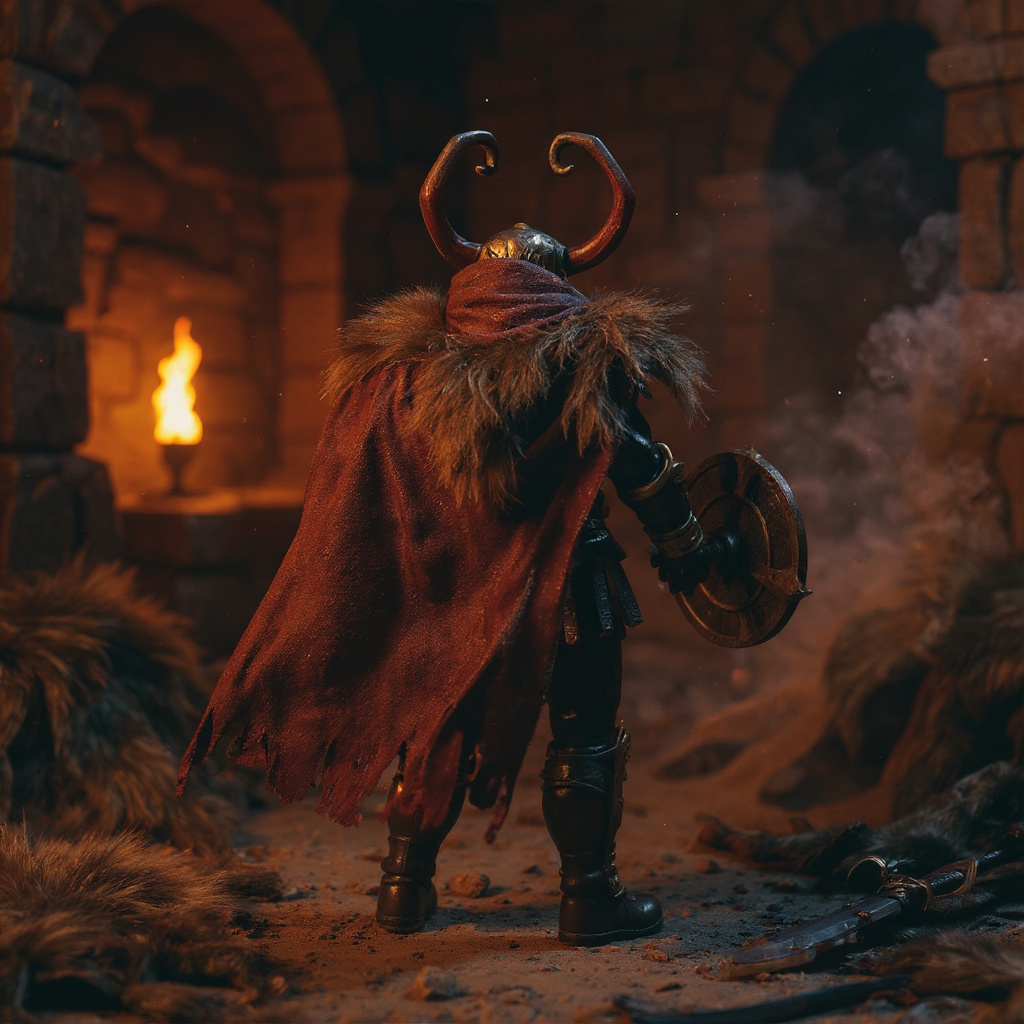
- Side Lighting: Set your main light at roughly 45 degrees to one side. Shadows in the folds add depth that flat front lighting kills. - Fill Light: A weaker second light or a reflector on the opposite side keeps shadows from going harsh while the drama stays intact. - Background Choice: A rustic wood plank or rough stone backdrop reads as intentional. A busy background competes with the fabric texture and loses every time. - Dramatic Posing: Skip the static standing shot. Try the cape mid-billow against a stone wall — that's the pose the hidden wire exists for. - Multiple Angles: Shoot from at least three positions. Capes read differently from a low angle than from eye level.
Check images on a full monitor before you call the shoot finished. Phone screens hide flaws that show up the second you view the file at full size.
What This Means for Your Collection
A custom cape for a Mezco action figure changes more than one shelf piece — it changes how the whole collection reads. One figure with a proper soft goods cape makes the factory-plastic figures next to it look cheaper by comparison, whether that's fair or not.
Start with your centerpiece figures. Background pieces can wait.
Budget $25-40 per cape for handmade quality. That's steeper than a $15 factory alternative, but the visual jump justifies it for anyone shooting photos or running a serious display case. For a wider range of options beyond the barbarian style, browse the full One:12 cape collection before committing to one look. Collectors comparing fabric weight and drape across brands often reference general textile weight standards — useful background before you order custom.
The custom barbarian cape mentioned throughout this guide is the benchmark I measure other sellers against: quality fabric, correct sizing, character-appropriate weathering, reasonable price.
Frequently Asked Questions
Is the cape on Mezco figures removable? Most Mezco capes are removable. Cloth versions typically use snaps or a hidden hook-and-loop tab at the collar. Plastic capes are sometimes glued at the shoulder seam — check before forcing removal, or you risk paint chipping at the neck joint. What size cape fits a 6-inch Mezco One:12 figure? Standard male figures need 3.5-4 inches of cape length with a 1.75-inch shoulder width. Bulky or barbarian-style figures need 4-4.5 inches with 2-2.25 inches at the shoulder to clear fur trim. Can you put a custom cape for a Mezco action figure on other 6-inch brands? Yes, with caveats. Marvel Legends shoulders run about 0.25 inches narrower than Mezco. DC Multiverse figures average 0.3 inches taller. Measure your specific figure before ordering — don't trust the brand name to guarantee fit. How do you attach a wired cape without glue? The collar clamp method works on about 90% of figures: thin wire or thread loops around the neck joint, hidden under the cape's collar edge. Some sellers include custom shoulder pegs that swap in temporarily instead. Are handmade fabric capes durable enough for regular posing? Mine held up through roughly 40 pose changes over 8 months with one wire-poke repair. The internal wire supports the fabric during repositioning, but avoid bending the same fold repeatedly — that's what causes wire fatigue. What's the difference between a wired cape and a stock cloth cape? A wired cape has thin metal framework sewn into the edge or hem, so it holds a posed shape — mid-billow, wind-blown, whatever you set it to. A stock cloth cape relies on fabric weight alone and falls back to a resting drape within seconds. Why do factory Mezco capes look stiff in photographs? Plastic and vinyl don't drape; they hold their molded shape regardless of pose. Under studio-style lighting the material throws hard shadows and reflective hotspots, and the molded texture reads as fake at close range — a smartphone macro shot exposes it in seconds. Does a custom cape work on a Mezco BTAS Batman figure? Yes, but match the style. The animated Batman needs a shorter, more flowing cape than the standard 6-6.5 inch figure line calls for — aim closer to 3.5 inches so it doesn't overwhelm the stylized proportions. How long does a handmade barbarian cape actually last with regular handling? Based on my own use, expect 2-3 years of regular repositioning before thread loops need replacing. The fabric itself outlasts the attachment method almost every time.Is It Worth the Investment?
A custom cape for a Mezco action figure turns a mediocre display piece into a centerpiece. The visual jump is immediate — figures look more real and photograph better within the first shot you take.
The cost feels high until you run the comparison. A $120 Mezco figure wearing a $10 plastic cape looks less impressive than the same figure wearing a $34 fabric one. You're protecting the bigger investment, not just buying an accessory for its own sake.
Handmade fabric capes like the weathered barbarian option sit at the sweet spot between individual attention and reasonable pricing. For collectors serious about how their shelf photographs, that's money well spent. For everyone else — the ones who never take the figure out of the case — save the $34.
Reviewed by Jordan Vance, action figure collector and photographer who has built and posed custom soft goods capes on more than 60 One:12 Collective figures since 2019.

