


Short answer: you build a hidden wire armature into the hem of a handmade cloth cape for action figures, using lightweight fabric and 22-gauge wire, so the fabric drapes naturally but still holds dramatic bent and swept poses. That's the whole trick. Everything else — fabric choice, pattern cutting, attachment — just supports that one core idea.
About the tester: I've spent six years building soft goods and armor pieces for 1/12 and 1/6 scale figures, selling through small maker channels before consulting on soft goods for gothic and fantasy lines. I tested five fabrics and three wire gauges over one long weekend before landing on the combination below.A posable cloth cape for action figures isn't hard to make. It's hard to make well. Anyone can glue a scrap of felt to a figure's shoulders. Getting a custom cape to swoop, bend, and hold a Darkstalkers-style dramatic pose — that takes a hidden armature and the right fabric weight, and most tutorials skip both.
Choosing the Right Fabric Weight and Drape
Fabric selection makes or breaks a doll cape project. I ran cotton broadcloth, silk dupioni, chiffon, taffeta, and a cotton-poly blend through the same test: same wire, same pattern, same figure. Cotton broadcloth held up fine for generic superhero capes — sturdy, cheap, forgiving. Silk dupioni looked incredible under studio light but frayed at the cut edge within an hour of handling.
Skip heavy fabrics. Denim, canvas, upholstery scraps — all too thick for 1/12 scale, and they'll fight the wire instead of following it.
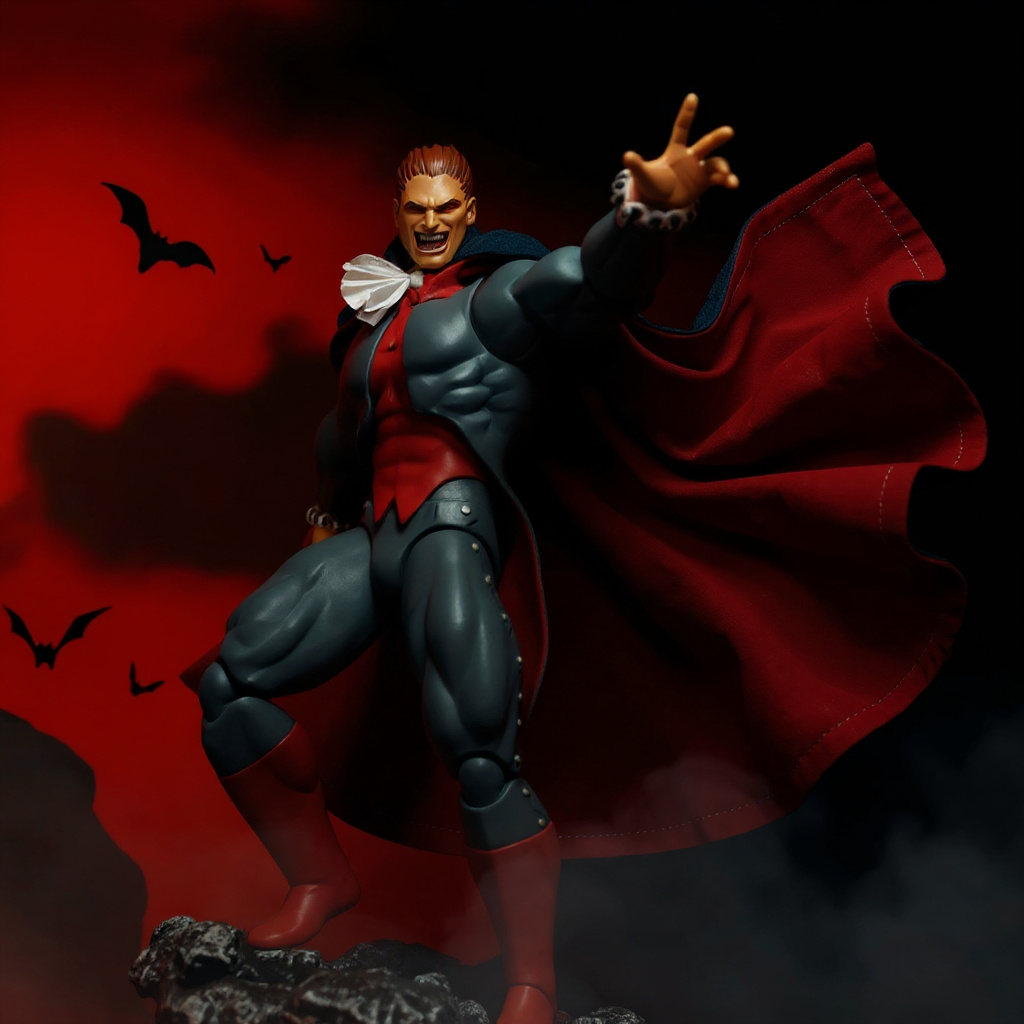
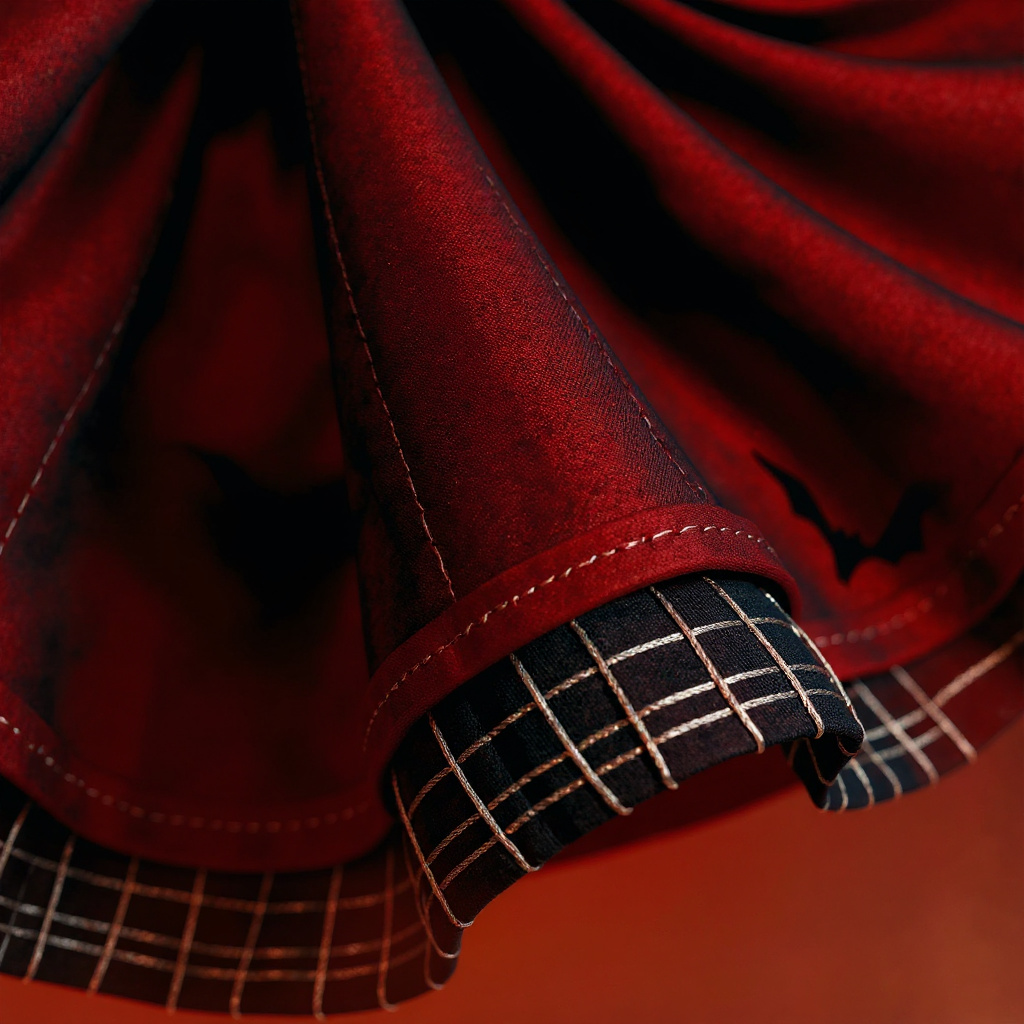
For a gothic vampire cape inspired by Darkstalkers characters like Demitri, you want visible texture without stiffness. A black and deep red cotton-poly blend with a faint woven grain reads as "cloth" under macro photography, which matters more than people expect. Flat, texture-less fabric looks like plastic in close-up shots, and that kills the illusion instantly.
| Fabric Type | Weight (oz/sq yd) | Drape Quality | Durability | Best For |
|---|---|---|---|---|
| Cotton Broadcloth | 3-4 | Good | Excellent | Superhero capes |
| Silk Dupioni | 3-5 | Excellent | Fair | Fantasy characters |
| Cotton-Poly Blend | 2-3 | Very Good | Very Good | Gothic/vampire themes |
| Chiffon | 1-2 | Excellent | Poor | Ethereal/ghost effects |
| Taffeta | 4-6 | Good | Good | Formal/royal characters |
| Cotton-Poly (Black/Red Blend) | 2.5-3.5 | Very Good | Very Good | Dark fantasy vampire capes |
Drape a scrap over your figure before cutting anything. It should fall in folds. If it sticks out like a pup tent, walk away from that bolt.
Measuring and Cutting Your Pattern
Start at the shoulder joints. Measure across the back, joint to joint — that's your attachment point for any custom cape for action figures. Most 1/12 figures measure about 0.75 inches across the shoulders, though vampire and armored sculpts sometimes run wider through the cape yoke.
For a full-length cape that reaches just above the feet, plan on roughly 2.5 inches from shoulder to hem on a standard 1/12 body. Cut a half-circle pattern first, radius equal to desired length plus 0.5 inches for hemming. The straight edge becomes the neckline. Make it about 1 inch wide.
Don't aim for perfect on cut one. Fabric forgives mistakes. You can trim excess. You cannot add fabric back.
Wire Selection and Armature Construction
22-gauge craft wire is the sweet spot I landed on after bending through three gauges on the same test cape. 20-gauge holds a pose a little longer but fights you at the corners — hard to get a smooth swept curve without kinking it. 24-gauge bends like wet spaghetti. It won't hold a dramatic pose past ten minutes on a shelf.
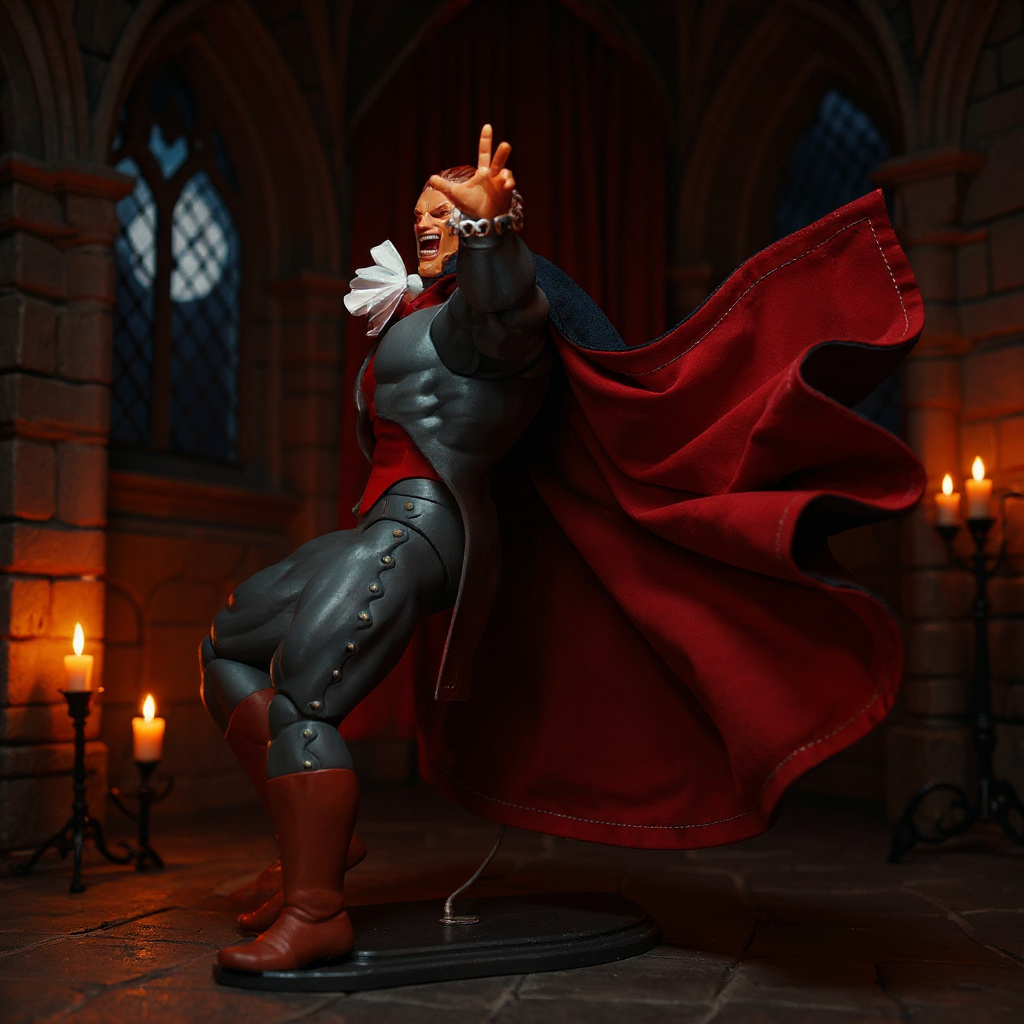
You'll need about 8 inches of wire for a standard cape. Run it along the bottom hem. Leave small loops at the corners — these are what let you create the dramatic bent-and-swept silhouette that makes a Darkstalkers-style cape look alive instead of stapled on.
Here's where most DIY attempts fail. They wire the entire cape. Don't. Wire the hem and, at most, one vertical line down the center back. Overwire it and the cape stops moving like cloth and starts moving like a stop sign.
Thread the wire through a narrow hem fold — never loose inside the fabric body. Sew the hem closed with the wire trapped inside, and it stays put through repeated posing.
Attachment Methods That Won't Damage Your Figure
Skip the glue. Every time.
Adhesives leave residue and turn a removable custom cape into a permanent one — bad news if you ever want to swap it or sell the figure later. A fabric loop sewn into the neckline is the cleanest fix. Size it to slip over the head, snug enough to stay in place during a pose change. For figures with oversized heads (a lot of stylized dark fantasy sculpts), add small snaps or velcro strips at the back of the neckline instead.
Some collectors sew tiny rare earth magnets into the cape shoulders. Works well if the figure has metal joints underneath — test magnet strength first, though, because too strong and you'll fight the cape every time you try to reposition it.
For photography-only setups, clear costume pins are nearly invisible on camera and won't mark the figure. Pull them before long-term display.
Common Mistakes and How to Fix Them
1. Cape too heavy. If it pulls the figure backward, the fabric's too thick or you used too much wire. Start over with lighter material. 2. Fraying edges. Common with looser weaves. Apply fray check to cut edges before sewing, or switch fabrics. 3. Wire poking through. Hem's too loose. Re-sew with tighter stitches or add a second fabric layer over the wire. 4. Cape won't hold poses. Usually thin wire, or wire that doesn't run the full hem edge. 5. Neckline too tight or loose. The most common fitting complaint. Add snaps, or cut a small slit at the back for adjustment.
A simple cape takes 2-3 hours once you've made a few. Your first one will take longer. Mine took almost five.
Professional vs DIY: When to Buy Instead
DIY works well for generic superhero looks or when you need several capes fast. For character-specific pieces — say, a screen-accurate gothic cape for a Demitri Maximoff figure — the details start mattering a lot more than they did on cape number one.
Honestly, if this is a one-time project for a single display piece, buying a finished handmade cloth cape for action figures often makes more sense than learning wire tension and hem allowances from scratch. That's not a popular thing for a DIY tutorial to admit, but it's true. Professional soft goods makers match screen-accurate colors and know how much wire tension produces a natural drape versus a stiff one — knowledge that usually takes several failed capes to earn on your own.
Time is the real cost here. A DIY cape might save $20-30 in materials, but it costs several hours of trial and error. The Demitri Maximoff Cape uses the same hidden wire-armature approach described in this guide, built with a black and deep red cotton-poly blend, visible stitching along the seams, and hem wire tuned for the swept, bent poses that fit a Darkstalkers display. If you're comparing options, our full soft goods catalog and posing accessories guide cover related pieces for other 1/12 dark fantasy figures.
Advanced Techniques for Dynamic Poses
1. Graduated wire thickness. 22-gauge for most of the hem, 20-gauge at the corners where dramatic bends happen. 2. Internal weight distribution. Tiny glass beads sewn into hem corners help a poseable cloak fall and hold a swoop longer. 3. Removable wire inserts. Small fabric tubes along the hem let you swap wire configurations for different poses. 4. Layered construction. A lightweight inner lining hides wire work and improves drape on a Demitri Maximoff-style cape. 5. Strategic reinforcement. Small fabric patches at the attachment point stop tearing from repeated posing.
These separate hobby-grade results from something you'd photograph for a portfolio. They also require real sewing hours. Not a weekend skill.
FAQ
How to make clothes for your action figure? Start with simple pieces — a cape or sash — before attempting fitted clothing. Use lightweight fabric, measure your specific figure, and skip glue. What is the best fabric to use for making a cape? Cotton broadcloth or cotton-poly blends. Light enough to drape, sturdy enough to hold wire. Avoid denim or canvas entirely. How to make a cape from fabric? Cut a half-circle pattern sized to your figure, hem the curved edge, thread 22-gauge wire through that hem, then add a fabric loop neckline for attachment. How much fabric do I need for a superhero or vampire cape? About 6x4 inches for a 1/12 scale figure. A quarter-yard of 45-inch fabric makes several capes with room for test cuts. How do you attach a cape to an action figure without glue? Fabric loop over the head, snaps or velcro at the back neckline, or clear costume pins for photo-only setups. Can you make a posable cape without wire? Sort of. Felt holds some shape on its own, and fabric stiffener spray helps a little. Neither gives you the swept, bent poses a wire armature does. What size wire works best for a cloth cape armature? 22-gauge craft wire for most 1/12 scale capes. 20-gauge for larger capes, though it's harder to bend smoothly at tight corners. How do you fix loose threads on a handmade fabric cape? Trim with sharp scissors, apply fray check to raw edges, or cover problem spots with decorative trim. Will a wire-armature cape work in humid climates? Not well. Humidity swells natural fibers and can loosen glue-based reinforcements. If you live somewhere genuinely humid year-round, skip fabric stiffener sprays and lean on the wire armature alone — it holds up better than most sewing blogs will tell you. How long does a handmade cloth cape for action figures actually last? With cotton-poly blend and 22-gauge wire, mine has survived roughly 40 pose changes over eight months with no wire fatigue. Silk dupioni versions frayed noticeably by pose fifteen.So Is the DIY Route Worth It?
Building a handmade cloth cape for action figures teaches real skills and saves money on simple projects. The time cost is real, though — expect 3-4 hours for a first attempt, plus $8-12 in materials.
For one-off character pieces, or when screen accuracy actually matters to your display, buying from an experienced maker often wins. They've already burned through the failed attempts you're about to have.
Looking for that dramatic gothic flair on a Demitri display without the learning curve? Check the Demitri Maximoff Cape 1/12 Scale handmade soft goods cloak — same wire-armature construction covered above, finished with the black-and-red gradation and stitched detailing that takes a few tries to get right on your own.

