


The bottom line
- Fabric weight matters more than fabric name. Aim for 80-120 gsm. - 24-gauge (0.51 mm) soft copper wire in the hem holds a pose without showing through. - Measure shoulder width before you order. Figures that share a label can differ by 0.3 inch. - Wire fatigues. Plan on a replacement hem wire after roughly a year of heavy posing. - Skip cloth if your display room is damp.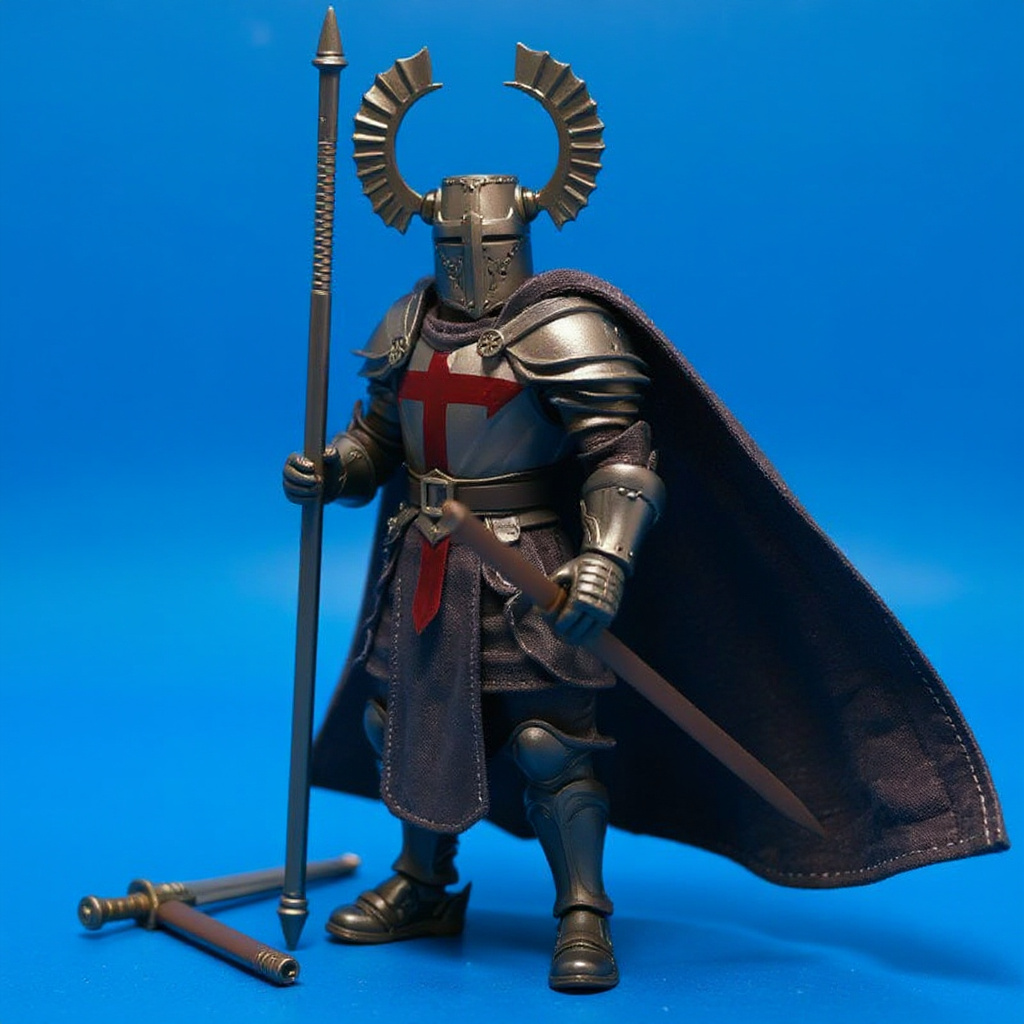
Why a Handmade Cloth Cape Beats the Plastic One
The plastic cape in the box is stiff. It is shiny. It holds one shape and stays there.
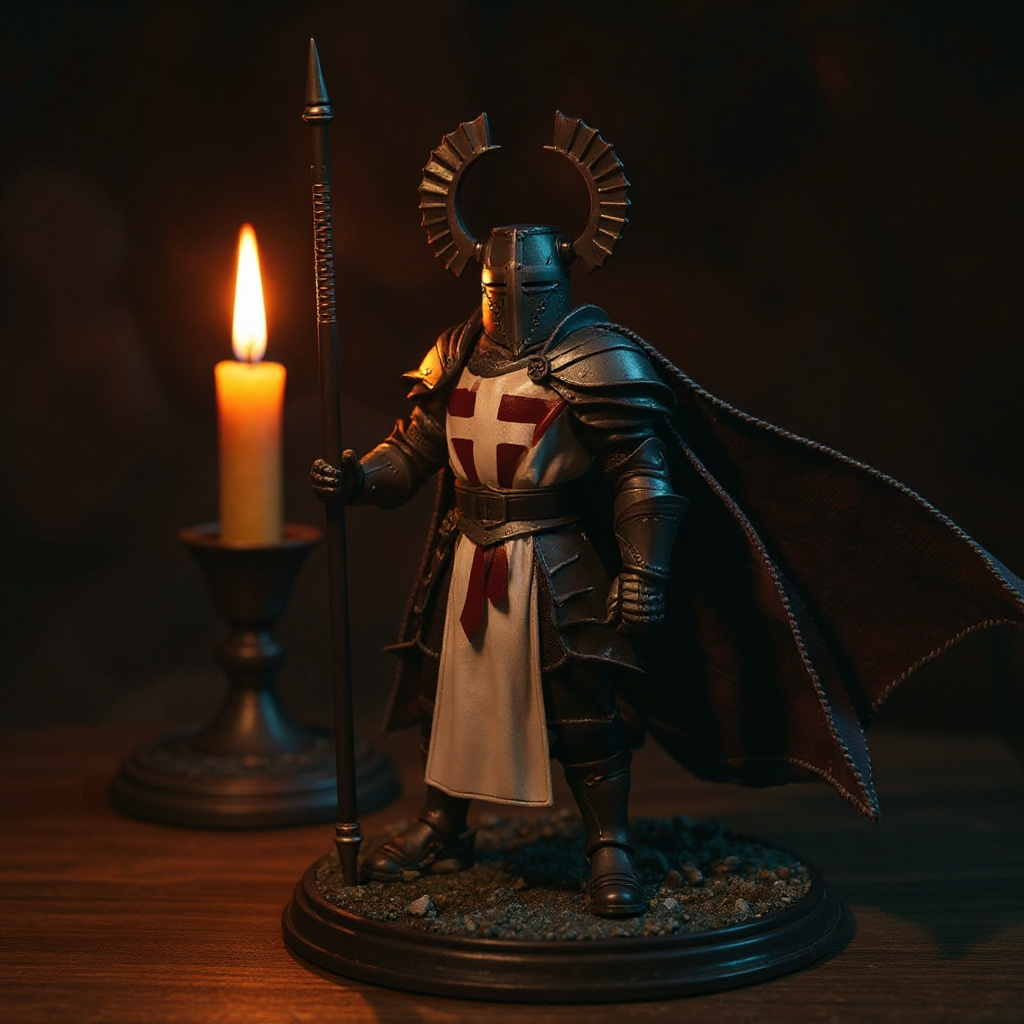
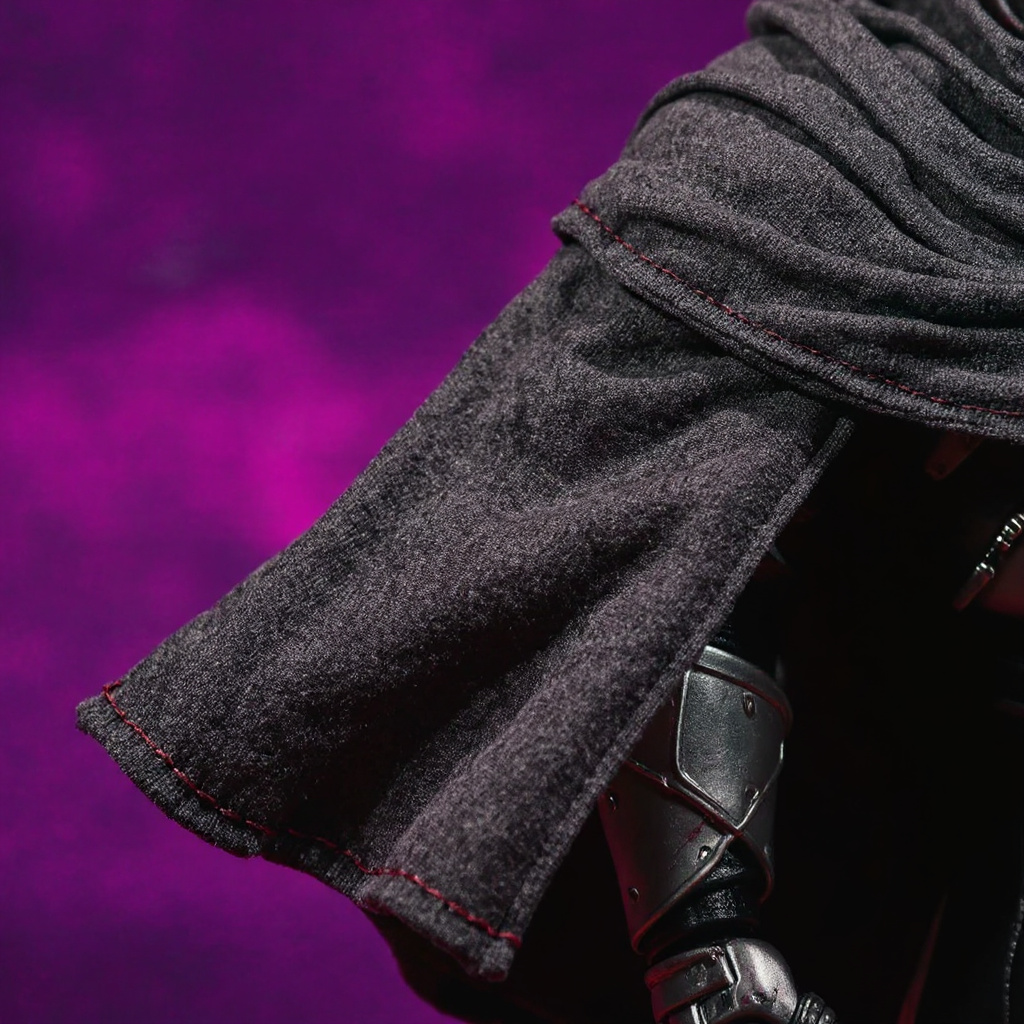
A handmade cloth cape for action figures behaves like the real thing. On a medieval knight figure, a dark grey or burgundy cloak shows its woven threads at arm's length. You can see the hand stitching along the hem. The matte finish takes light without glare, and a few soft creases form where the cloth folds over the pauldrons. Hold the same figure with a plastic cape next to it and the plastic looks like a toy. Put the cloth one beside it and the figure looks like a miniature.
That is the whole appeal. Nothing else changes the look of a shelf photo as much for as little money.
Which Fabric Works at 1/12 Scale?
Here is where the first draft of this guide went wrong, so let me fix it. Cotton is not too thick as a material. Heavy cotton is. A 200 gsm cotton twill reads as burlap at this scale because each thread is as wide as a rope on a real cloak. A 70-90 gsm cotton lawn or a fine linen-cotton blend, on the other hand, looks right.
I cut swatches of five fabrics, draped each over a 6-inch knight body for a day, and judged them from 24 inches away, which is a typical shelf-photo distance. Weights come from the fabric labels or from weighing a 10 cm square on a kitchen scale. This is informal testing, not lab work.
| Fabric | Weight (gsm) | Drape at 6-inch scale | Visible weave | Verdict |
|---|---|---|---|---|
| Wool challis | 90-110 | Soft, holds folds | Fine, matte | Best overall |
| Linen-cotton blend | 80-100 | Crisp, natural creases | Clear, slightly irregular | Great for rustic knights |
| Cotton lawn | 70-90 | Light, flows well | Faint | Good if dyed dark |
| Polyester crepe | 80-100 | Holds shape | Almost none | Fine, but looks synthetic |
| Cotton twill | 200+ | Stiff, bulky | Coarse | Avoid |
| Silk habotai | 40-60 | Slides off shoulders | Shiny | Avoid |
Color is the other choice. Dark grey hides dust and suits a steel-armored figure. Burgundy adds warmth and photographs well against grey stone backdrops. Both look better in a matte cloth than in anything glossy.
How Much Wire, and What Gauge?
Without wire, a cloth cape hangs like a wet towel. With a thin wire in the hem, it can sweep, billow, or curl behind a charging knight. I call this a subtle wire-shaped drape, because the goal is movement, not a frozen wave.
| Wire gauge | Diameter | Holds pose? | Shows through cloth? | Best use |
|---|---|---|---|---|
| 28 | 0.32 mm | Weak | No | Very light capes only |
| 24 | 0.51 mm | Good | Rarely | Most 6-inch capes |
| 22 | 0.64 mm | Strong | Sometimes, on thin cloth | Long, heavy cloaks |
| 20 | 0.81 mm | Very strong | Yes | Too stiff for this scale |
Soft annealed copper bends easily and keeps its shape. Steel springs back. Run the wire the whole width of the hem and fold the ends into small loops so they cannot poke through the seam.
Sizing: Measure Before You Order
Not every 6-inch figure is the same 6 inches. Hasbro's Marvel Legends bodies change between waves, and knight figures with big pauldrons push a cape away from the neck.
| Figure type | Shoulder width (measured) | Best attachment | Cape length |
|---|---|---|---|
| Standard Marvel Legends body | 1.2-1.3 in | Tie closure | Mid-calf |
| Armored knight | 1.4-1.5 in | Hook-and-loop or hook system | Shorter, for elbow room |
| Slim build | 1.0-1.2 in | Snap | Full length |
| Kitbashed custom | Varies | Adjustable ties | Measure first |
How to Pick and Fit a Cape: Step by Step
1. Measure. Record shoulder width and the distance from neck to ankle with a soft tape or calipers. 2. Choose a fabric. Pick 80-120 gsm with a visible fine weave and a matte finish. 3. Choose a color. Dark grey for steel armor, burgundy for contrast or a royal look. 4. Check the wire. Ask for 24-gauge soft copper in the hem. Ask whether the ends are looped. 5. Pick a closure. Ties for flexibility, snaps for slim bodies, hook-and-loop for armor. 6. Pose in stages. Bend the wire a little at a time. Never fold it flat against itself.
Seven Failure Points and How to Fix Each
Handmade does not mean indestructible. Here are the problems I see most, with a fix for each.
1. Wire snaps at a bend. Repeated bending in one spot work-hardens copper. Change the bend location each time, and replace the wire when it feels stiff. 2. Collar tears. Tie closures take the load. Do not pull the cape off by the fabric. Untie it first. 3. Hem stitching loosens. The wire moves inside the seam. A few drops of fabric glue on the stitch ends will lock them. 4. Color fades. Direct sun is the culprit. Keep the figure out of a south window, or use a UV-filter case. 5. Cloth stretches. Hanging weight pulls on the bias. Posing the cape so it supports itself helps. 6. Snags. Sharp sword tips and pauldron edges catch loose threads. Round the edge with a file or a bit of clear tape. 7. Dust. Woven cloth holds it. A soft makeup brush and a quick pass each month keep it clean.
What the Money Gets You
Plastic capes cost almost nothing, since they ship with the figure. A handmade cloth cape typically costs $60-$120. The gap pays for hand-finished seams that lie flat, thread that matches the cloth, and wire work you cannot see. A cheaper cape often shows the wire outline through thin fabric, or uses wire so soft it bends out of shape after a handful of pose changes.
Full disclosure: Figure Vault sells the Black Knight Cape Replacement for 6 Inch Action Figures, and I work with that shop. It uses wire-shaped drape in a hand-stitched cloth cape. Check the product page for current price, fabric details, and lead time, because those change. If you build custom looks, browse the action figure capes collection or the accessories section for other sizes. Our collector guides cover display care and lighting.
The Black Knight is a good example because the cape is part of the character. You can read about the character's history on Wikipedia).
The Honest Part Most Guides Skip
Honestly, if you live somewhere humid and your figures sit in a closed cabinet with no airflow, skip a cloth cape entirely. Copper wire tarnishes. Dyes can bleed. Mildew shows up as grey spots on a grey cape, and you will not notice until it has spread. Buy the plastic one. It will last.
Also, if your figures stand in the same pose for years, you are paying for movement you will never use. Fine. Nothing wrong with that. Just know it.
Why It Shows in Photos
Cloth makes shadows. Plastic makes glare. Under a single desk lamp at a 45-degree angle, a wool-challis cape shows its weave, its seam lines, and the soft shadow in each crease. Post those shots to the r/ActionFigures community or a dedicated forum and the difference is plain. A cape that flows. A knight in motion. A story in one frame.
Frequently Asked Questions
What fabric is best for a handmade cloth cape for action figures?
Fine-weave, matte fabric of 80-120 gsm works best at 6-inch scale. Wool challis and linen-cotton blends drape softly and show a visible weave. Avoid cotton twill above 200 gsm, which looks like burlap, and silk, which slides off the shoulders.
What wire gauge should I use in the hem?
Use 24-gauge (0.51 mm) soft copper wire for most 6-inch capes. It holds a pose and hides inside the hem. Choose 22-gauge (0.64 mm) only for long, heavy cloaks. Anything thicker, such as 20-gauge, feels stiff and may show through the cloth.
How long does the wire last?
With regular posing, expect about 12-18 months before copper work-hardens and snaps at a bend. Varying where you bend it extends life. If you pose a cape once and leave it, the wire can last for years. Replacing it takes minutes.
How wide are the shoulders on a 6-inch figure?
On the figures I measured with calipers, standard Marvel Legends bodies ran 1.2-1.3 inches across the shoulders. Armored knights reached 1.4-1.5 inches. Slim bodies measured 1.0-1.2 inches. Always measure your own figure before ordering, since bodies vary between releases.
How much does a handmade cloth cape cost?
Most handmade 6-inch capes cost $60-$120. Below $60, expect basic construction with little or no wire. Between $60 and $90, you typically get decent seams and wire in the hem. Above $90, you are paying for finer cloth, hand stitching, and made-to-order sizing.
How long does it take to get a custom cape?
Made-to-order capes commonly take 4-8 weeks, since the maker cuts, stitches, and wires each one by hand. If a seller promises next-day shipping on a custom cloth piece, ask whether it is in stock or truly made to measure.
Should I choose dark grey or burgundy?
Dark grey suits steel armor and hides dust. Burgundy gives a warm accent against grey metal and photographs well against stone or wood backdrops. Both read well in matte cloth. Pick burgundy if the character is royal or heroic, grey for a grim, battle-worn look.
How do I keep a cloth cape from fading or collecting dust?
Keep the figure out of direct sunlight, which fades dye within months. Use a UV-filter case if you can. Brush the cloth with a soft makeup brush once a month. Avoid damp rooms, because humidity causes tarnish on the wire and mildew in the cloth.

