


Handmade doll clothes for action figures are custom-sewn 1/12 scale garments — often a layered skirt and top in muted, natural-toned fabric with a wired hem — built to hold poses that factory outfits simply can't fake. That's the short version. The long version is everything below.
I've spent six years sewing tiny hems by hand, and I still catch myself surprised by how much a $3 spool of 28-gauge wire changes a figure's presence on a shelf. Handmade doll clothes for action figures cost more than the mass-produced stuff. They also move differently, drape differently, and photograph like a completely different hobby.
Why Handmade Doll Clothes for Action Figures Beat Factory Outfits
Factory outfits look fine from three feet away. Up close, they fall apart — not literally, usually, but visually. Mass-produced clothing for 1/12 figures runs $15–35 and comes with stiff fabrics that won't hold a pose, loose fits that gap at the joints, and seams that split after the fourth or fifth outfit change.
Handmade alternatives cost more, often $50–75 for a complete layered outfit. The difference shows immediately. Real makers use cotton blends instead of slick polyester, and they hand-embed shapeable wire into hems and sleeve edges so the fabric drapes the way real cloth would on a dynamic pose. They size pieces to the actual figure, not a generic mold.
The trade-off is time. A handmade outfit might take 8–12 hours to finish; a factory line spends maybe 20 minutes per unit. You'll see small imperfections too — a stitch that wanders, a thread that's slightly loose. Not defects. Proof of hands.
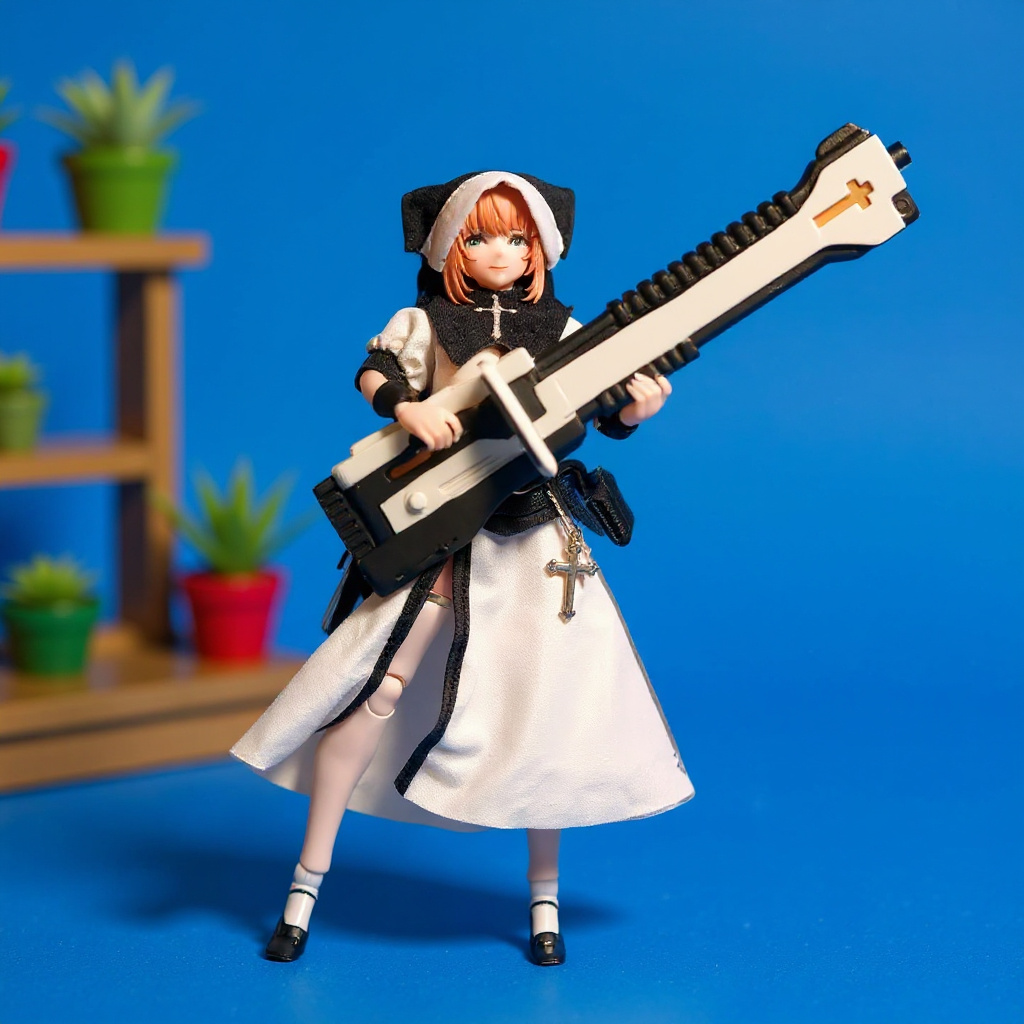
Handmade vs. Factory: A Side-by-Side Look
| Feature | Factory-Made | Handmade |
|---|---|---|
| Price range | $15–35 | $50–75 |
| Hem wire for posing | Rare | Standard |
| Fabric type | Polyester blend | Cotton/linen blend |
| Fit accuracy | Generic sizing | Figure-specific |
| Production time | ~20 minutes | 8–12 hours |
| Seam durability | Splits within months | Holds years with care |
| Color palette | Bright, saturated | Muted, natural tones |
Scale Matters More Than You Think
Getting the scale right separates people who finish projects from people who give up halfway. 1/12 scale figures stand roughly 6 inches tall, representing a 6-foot person shrunk down. Every detail has to shrink with it — fabric thickness, button size, stitch width, all of it.
A lot of collectors buy 1/6 scale clothing (built for 12-inch figures) thinking it'll just work with some folding. It won't. A 1/6 shirt collar becomes a turtleneck on a 1/12 figure. The fabric weight alone crushes the smaller joints and kills any hope of a dynamic pose.
| Scale | Figure Height | Clothing Compatibility | Price Range |
|---|---|---|---|
| 1/12 | 5.5–6.5 inches | Only 1/12 outfits | $15–75 |
| 1/10 | 6.5–7.5 inches | Some 1/12 (loose fit) | $20–85 |
| 1/6 | 11–12 inches | Only 1/6 outfits | $25–150 |
Stick to clothes built for your figure's exact scale, browse a dedicated 1/12 scale clothing collection if you're shopping, and the fit will read cleaner in every photo you take.
How Wire Changes Everything About Posing
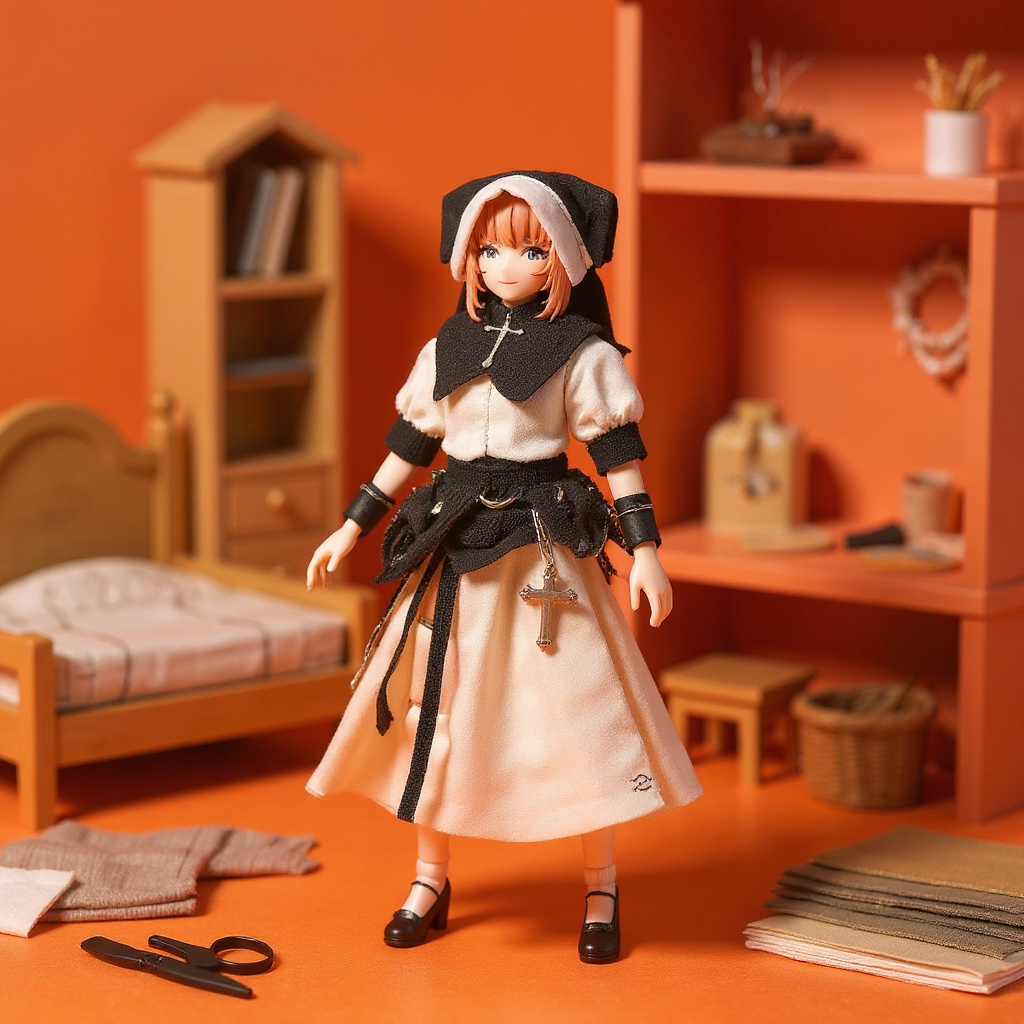
This is the part that actually matters. Quality makers run thin craft wire along hem edges — skirts, capes, loose sleeves — so you can shape the fabric into real draping instead of a straight vertical drop. Without wire, cloth just hangs. Fine for a figure standing at attention. Useless for anything else.
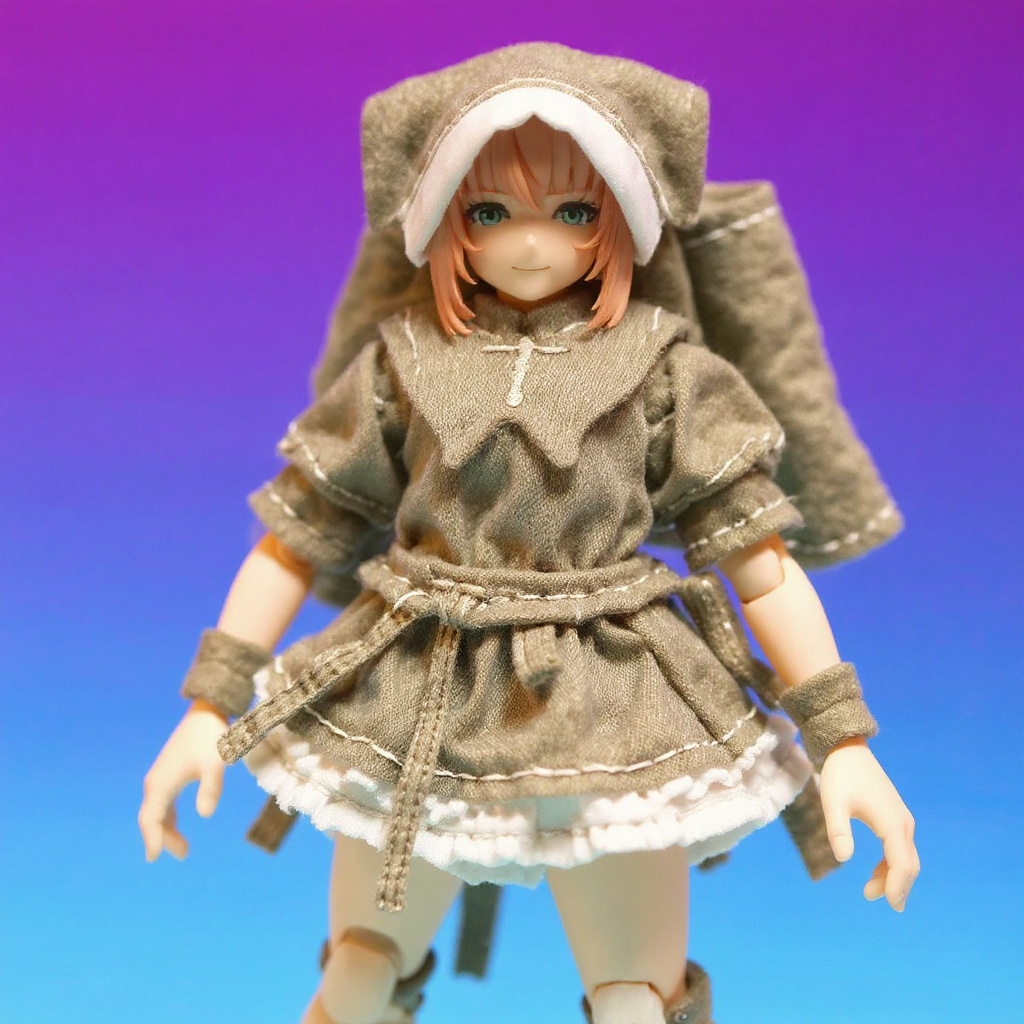
Wired garments let you freeze motion. Curve a skirt hem to suggest a spin mid-step. Lift one edge of a cape for dramatic flow. Bunch a sleeve naturally at the elbow instead of leaving it stiff. The Muse Asdo 1/12 Sister Outfit is one maker's version of this — a layered skirt-and-top set in soft neutral tones with wire sewn into the hem — but it's far from the only one doing this well; several independent sewists on Etsy build the same feature into their pattern work.
The downside? Wire fatigues. Bend it too sharply, too often, and it snaps clean through the fabric channel. For photography and display against a minimalist backdrop or dollhouse-scale set, though, there's no real substitute for that drape.
Sizing Guidelines That Actually Work
Forget the "3-3-3 rule" people throw around for regular clothing. It doesn't translate. Plastic bodies don't compress like skin, so figure outfits follow their own math entirely.
For 1/12 scale figures (roughly 6.2 inches tall):
1. Chest circumference should equal the figure's chest measurement plus 2–3mm for fabric thickness. 2. Waist clearance needs 1–2mm added to the actual waist — more than that and the skirt looks baggy. 3. Arm holes must clear the shoulder joint ball, typically 8–10mm across. 4. Tops should hit at the natural waist, not sag below the hip joint. 5. Sleeves should end 1–2mm before the wrist joint to avoid bunching. 6. Pants need about 1mm of crotch clearance for sitting poses. 7. Check whether the outfit includes feet coverings, since some require bare-footed figures.
Don't assume every 1/12 figure shares the same body. Action figure proportions vary by manufacturer — some lean toward realistic human ratios, others exaggerate. Measure before you buy doll clothes patterns or finished pieces.
Where to Find Quality Custom Clothing
The best handmade doll clothes for action figures come from individual makers, not big retailers running a factory line under a handmade label. Check community forums like r/actionfigures for maker recommendations and real photos of finished outfits, not stock renders.
Etsy hosts dozens of figure clothing sellers, and quality swings wildly between them. Look for sellers who:
1. Show multiple angles of the same outfit, not just a hero shot. 2. Photograph clothes on an actual figure, never flat on a table. 3. List specific compatible figure brands by name. 4. Publish size charts with millimeter measurements, not "one size fits most." 5. Have reviews mentioning pose-ability and fit, not just "cute."
Avoid sellers who only post flat-lay photos. If they haven't bothered to dress a figure for the listing, they probably haven't tested the fit either. Browse a broader range of action figure accessories alongside clothing to round out a full display.
Making Your Own vs. Buying Ready-Made
Sewing 1/12 scale clothing humbles even experienced sewists. The size makes standard techniques nearly impossible — you can't run a regular sewing machine over a 3mm seam, and hand-stitching everything takes forever. Genuinely forever.
Basic supplies for figure clothing include:
1. Fabric scissors with 2-inch blades or smaller. 2. Size 10–12 sewing needles — anything bigger leaves visible holes. 3. Thread matched exactly to your fabric, no close-enough substitutes. 4. 28–30 gauge craft wire for shaping hems. 5. Snaps or Velcro dots smaller than 5mm. 6. Seam sealant to stop fraying on cut edges.
Start with scarves, belts, or a simple circle skirt before you attempt a fitted shirt. Even basic pieces eat 2–3 hours once you factor in mistakes. For a starting point, our doll clothes patterns guide walks through a beginner skirt build step by step.
Honestly, if you don't already enjoy hand-sewing as an activity, buying ready-made makes more financial sense than learning this from scratch. Your time has value, and an experienced maker will finish in two hours what takes a beginner two full weekends.
Photography Tips for Clothed Figures
Handmade outfits deserve better photography than a phone snap on a cluttered desk. Poor lighting makes a $60 outfit look like a $15 one.
Use natural window light when you can — it shows fabric texture without harsh shadow lines. Position the figure at roughly a 45-degree angle to the light source so folds and draping actually read in the shot.
Background choice matters more with clothing than with bare figures. Busy patterns compete with outfit details and muddy the layered skirt-and-top silhouette. Solid backgrounds work best — a clean minimalist backdrop or a dollhouse-scale set both let muted, natural-toned fabric hold the eye. A white figure in pale clothing needs a darker backdrop to keep from washing out completely.
For close-ups, focus on details that justify the handmade price: seam work, drape, the wire-shaped hem catching light. Wide shots should show how the outfit reads with the figure's pose, not just the clothing in isolation.
Second-Hand Safety and What to Avoid
Buying used figure clothing saves money. It also carries risk — previous owners sometimes alter outfits to fit their own figures, leaving you with proportions that won't sit right on yours.
Red flags when buying second-hand:
1. Photos that skip the back or underside seams entirely. 2. Descriptions mentioning "minor alterations" with zero detail on what changed. 3. Prices that feel too good — damaged goods get dumped cheap, often for a reason. 4. Sellers with no feedback history on figure-related items. 5. Clothes bundled with figures you didn't ask for, as a way to move dead stock.
Safe purchases show clear condition photos from multiple angles and come from sellers whose feedback specifically mentions accurate descriptions.
Washing second-hand figure clothing takes extra care. Hand wash in cold water with a gentle detergent, then air dry flat. Never machine wash — the agitation shreds delicate seams and can snap embedded wire in seconds.
Getting Clothes On and Off Without Damage
Removing tight clothing from an articulated figure takes patience. Force it and something tears. Maybe the seam. Maybe the joint.
Safe removal, step by step:
1. Work sleeves off one arm at a time, supporting the shoulder joint as you go. 2. Gather the shirt body and pull it over the head slowly. 3. Remove shoes first if the outfit includes pants. 4. Work pant legs down gradually — don't yank. 5. Support the hip joints while pulling pants over the pelvis.
Dressing reverses the process but needs more care with wire-reinforced pieces. Shape the garment before it goes on the figure, not after. Bending wire while it's already on the body stresses the fabric and the joint at the same time.
Store dressed figures in neutral poses when they're not on display. Dramatic poses look great for five minutes and stretch seams over five months.
Is the Premium Price Worth It?
Handmade figure clothing runs 2–4 times the cost of factory alternatives. The difference shows in nearly every detail — fabric that photographs with texture, fit that reads as intentional, seams that survive repeated dressing sessions.
Honestly, if you're just messing around with figures casually and never photograph them, factory clothing is fine. Save the money. But if you're building dioramas, running a photography account, or collecting long-term, handmade doll clothes for action figures change how the whole shelf looks — not just one figure.
The Muse Asdo 1/12 Sister Outfit is one solid example of what this category can deliver: layered skirt and top, muted natural tones, a hem that holds a pose instead of fighting it. It's not the only good option out there, but it's a reasonable benchmark to compare other makers against.

