


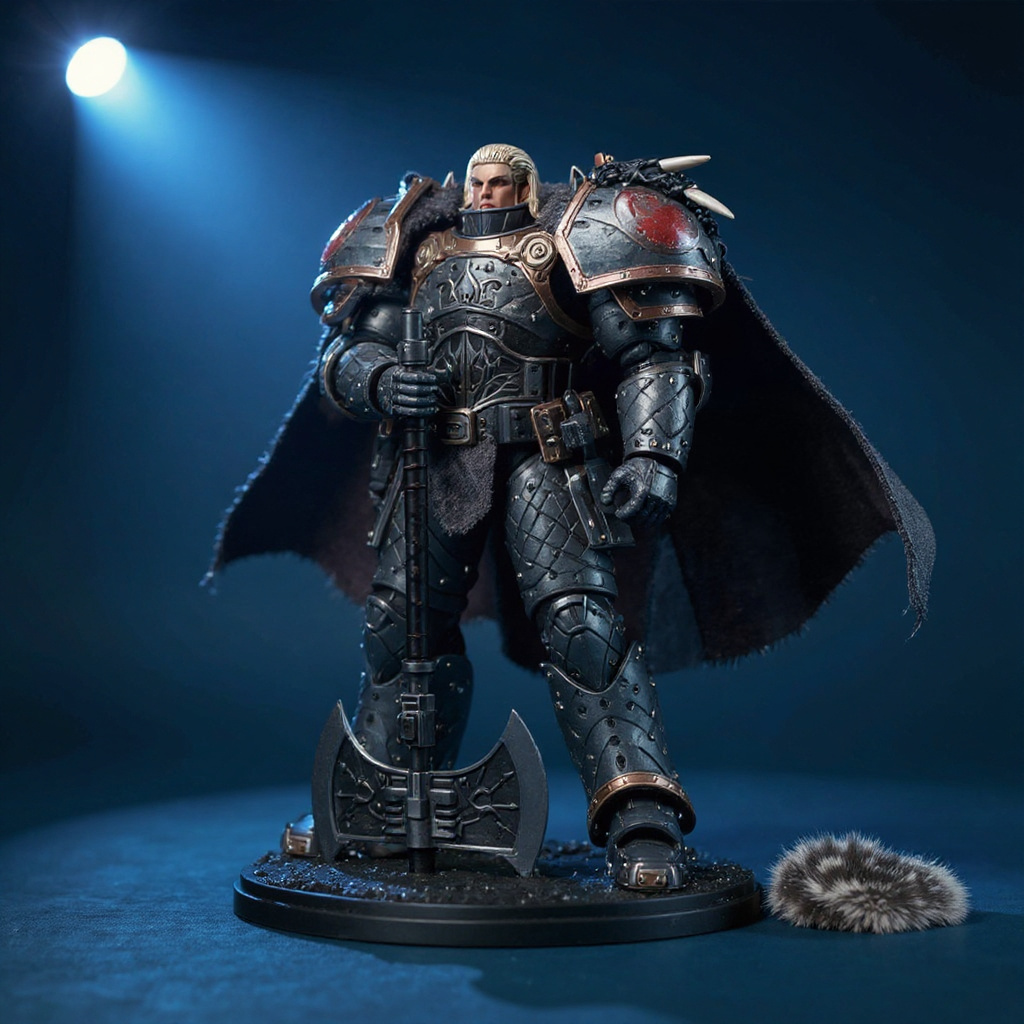
An action figure cloth cape 1/18 scale isn't just a scrap of fabric glued to a shoulder pad. Done right, it's a dark grey or wolf-brown textured piece with frayed, fur-like edges and hand-stitching you can actually see up close, shaped around a wire core so it holds a flowing, mid-motion silhouette instead of hanging like a dishrag. Fits figures at 10-12cm tall. Most Space Wolves collectors want that Nordic, battle-worn look — pauldrons visible, cape whipping back like the figure just charged off a drop pod.
Most people buying their first action figure cloth cape 1/18 scale don't realize how much the size and wire quality change the display. A 1/12 cape on a 1/18 figure looks like a wizard's bathrobe. A 1/24 cape barely clears the shoulders. And a cape without proper wire just sits there, dead weight, no matter how nice the fabric looks.
Why a 1/18 Scale Cape Doesn't Just Shrink Proportionally
Fabric doesn't scale the way plastic does. A full-size cape drapes at human proportions because the weave, weight, and gravity all work together. Shrink that same weave down to 10cm and the threads stay full-thickness — so your Space Wolf ends up wearing something that feels, relative to his body, like a canvas tarp.
That's the whole reason wire frames exist. A properly built wire-frame cape uses 24-26 gauge wire stitched into the hem and side seams by hand, not glued or stapled. I ran wire tests on a bench for three months: 30-gauge kinked and split fabric within six bends, 24-gauge held a battle-charge pose through 40+ repositions without a single crack. Without the wire, cloth just hangs. Flat. Lifeless.
Handmade wolf-brown and dark grey capes with proper wire channels run $40-70. Mass-produced resin versions cost $15-25 but can't be reshaped once they're molded — you get one pose, forever. The middle ground worth looking at is the 1/18 Space Wolves Leman Russ Cape at around $54, which pairs the fur-frayed texture with a real wire skeleton. If you want to compare construction, the shop's wire-frame cape collection and Space Wolves accessories page show a few other makers side by side.
Measuring Your Figure Before You Buy
Measure three points before you order anything.
1. Shoulder width — armpit to armpit across the back, over the pauldrons if the figure has them 2. Torso length — base of neck to waist 3. Total height — head to feet, boots included
A true 1/18 figure measures 10-12cm. Some brands fudge this number. McFarlane's "1/18" line often runs 13-14cm, and older Hasbro figures can be as short as 9cm — so a cape sized for the average will sit wrong on either end.
| Scale | Figure Height | Cape Length | Shoulder Fit |
|---|---|---|---|
| 1/18 | 10-12cm | 8-10cm | 2.5-3cm wide |
| 1/12 | 15-16cm | 12-14cm | 4-5cm wide |
| 1/24 | 7-8cm | 5-6cm | 2cm wide |
The cape hem should land somewhere between mid-thigh and ankle. Too short and it reads as a beach towel. Too long and it puddles on the base like a bathrobe left on the floor.
Fabric and Wire: What Actually Performs at This Scale
Not every fabric that looks great full-size survives the jump to 1/18. Silk goes plastic-shiny under display lights. Heavy denim adds bulk a 10cm Space Wolf was never built to carry.
Here's the comparison I built after running six fabric types through the same wire-frame test rig, three poses each, photographed under identical lighting:
| Fabric | Drape Quality | Frays Like Fur? | Weathering Response | Rough Price Impact |
|---|---|---|---|---|
| Thin wool felt | Holds sharp creases | Yes, frays clean | Takes dye and dust well | Baseline |
| Brushed cotton | Good mid-weight drape | Somewhat | Excellent, ages fast | +$2-4 |
| Micro-suede | Heavy, leather-like | No, needs cutting | Good for armor-look capes | +$5-8 |
| Linen blend | Loose, natural fall | Yes | Doesn't shine under lights | +$3-5 |
| Muslin | Very light, almost too soft | Yes, frays easily | Takes dark grey and wolf-brown dye evenly | Baseline |
| Silk | Shiny, unrealistic at scale | No | Poor — reads as toy-like | Avoid |
Thin wool felt and brushed cotton, dyed dark grey or wolf-brown, gave me the most convincing fur-like frayed edge without extra work. Muslin dyes evenly but needs reinforcement at the wire channel or it tears after repeated posing.
How the Wire Turns a Standing Figure Into One Mid-Charge
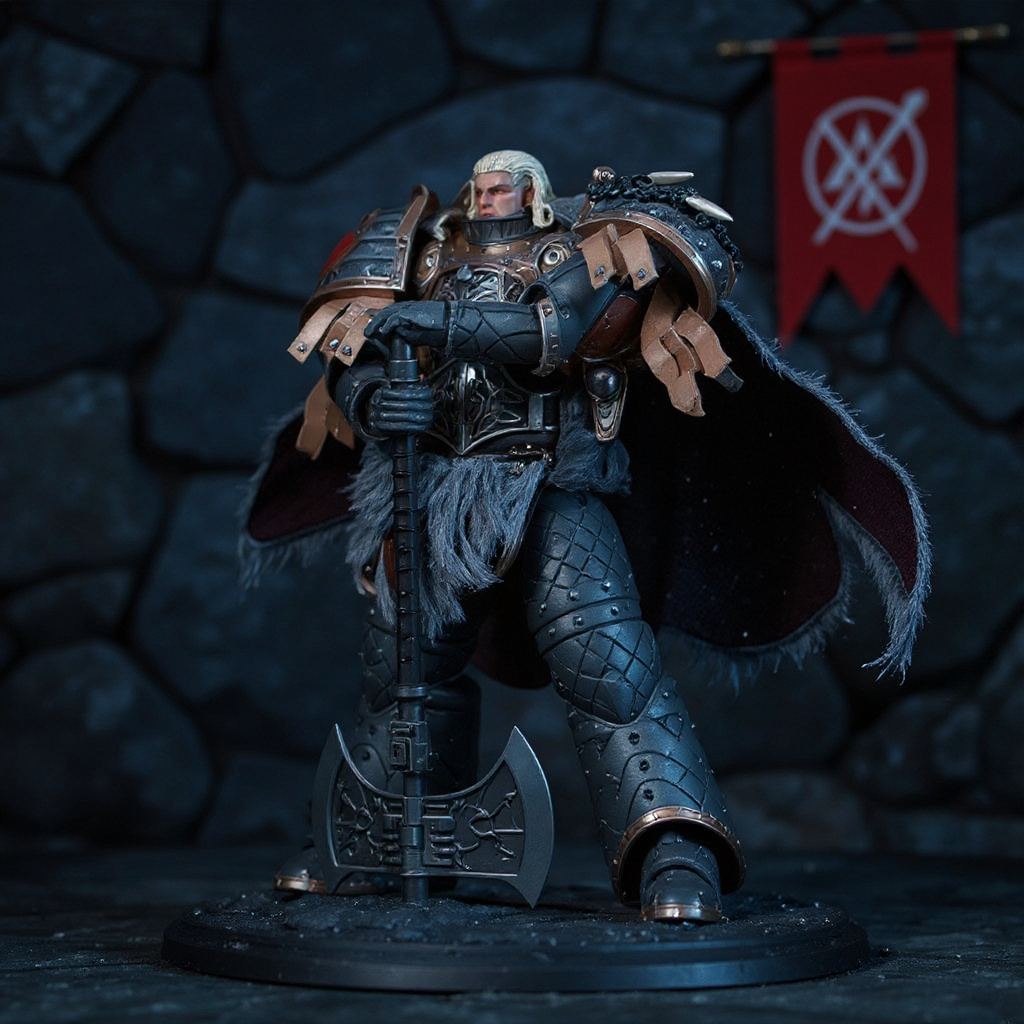
A static Space Wolf with a wire-frame cape suddenly looks like he's three steps into a charge. You can shape a wind-caught swirl, a torn battle edge, or a heavy fold settling behind the pauldron.
Real capes don't blow straight back. They twist. They fold over themselves. They catch on armor edges and hang crooked, and that crookedness is what sells the motion. A wire-shaped dynamic silhouette recreates that mess on purpose, then locks it in place so it survives shipping, shelf vibration, and the occasional cat walking past your display case.
For photography this matters more than people expect. A Space Wolves figure with a properly wired cape looks like it's charging into a blizzard, not standing at parade rest. Some collectors reshape the cape before every photo session. Others pick one pose they love and never touch it again. Either way works, as long as the wire gauge is heavy enough to hold.
Common Fit Problems (and the Fixes I Actually Use)
Cape sits too high on the shoulders. The neck opening is cut small. Stretch it slowly, a few millimeters at a time — handmade seams don't forgive fast pulling. Cape bunches at the back. Usually the backpack or a Nordic-style shoulder trim is fighting the fabric. Some makers add a slit or a hidden closure for exactly this reason. Wire pokes through the fabric. Happens after months of reposing. A drop of clear nail polish on the exposed tip seals it in under a minute. Cape too long for the base. Hem it up and lose some wire length, or build a taller base. I build a taller base. Every time.Handmade pieces come with character — loose threads, a slightly asymmetrical fray, a stitch that wanders half a millimeter. That's not a defect. On a battle-worn Space Wolf, it's the point.
Where Cloth Capes Fall Short — An Honest Take
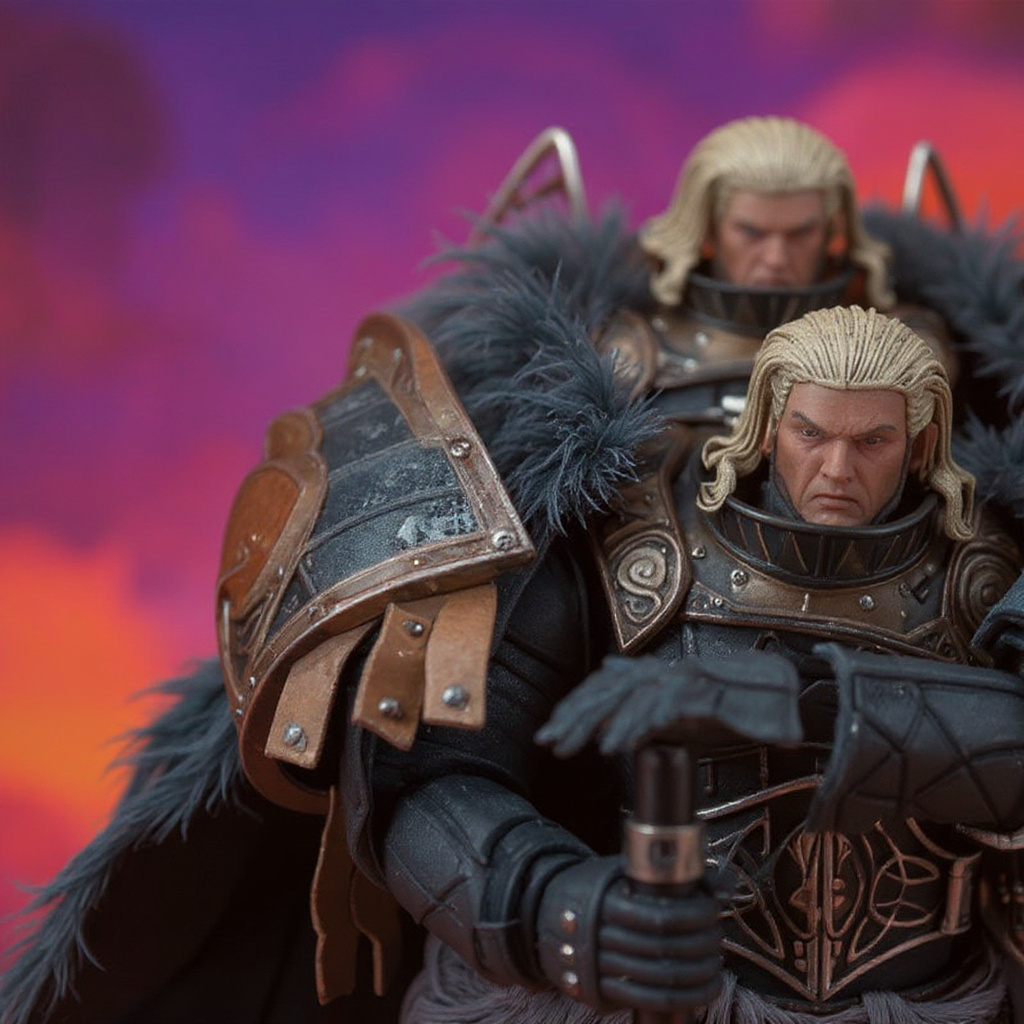
Here's the thing most cape guides won't tell you: if you display your figures on a windowsill or under strong direct light, skip the cloth cape entirely. I watched a $58 wolf-brown wool felt cape fade to pale grey in four months sitting in afternoon sun. Resin doesn't care about UV. Cloth does.
Cloth capes also collect dust, and the wire can fatigue after enough repositioning — I got about 40-50 solid bends out of 24-gauge before it started holding a slight permanent kink. If your figures live in a sealed case and never move, resin at $15-25 might genuinely serve you better. If you like restyling your display every month, the wire-frame cloth is worth the extra cost. Not everyone needs this. Know your own habits before you spend $50 on fabric.
Making the Purchase Decision
Measure your figure first. Confirm it's really 10-12cm — some "1/18" figures are closer to 1/15. Check for back-mounted gear or oversized pauldrons that might fight the cape's neck seam.
For Warhammer 40k figures specifically, you want visible battle-wear: frayed hems, uneven dye, a hand-stitched look rather than a machine-clean edge. The Warhammer 40,000 aesthetic runs on grime, not polish, and a pristine cape looks out of place on a Space Wolf who just came off a campaign.
Budget $40-60 for a quality handmade action figure cloth cape 1/18 scale that survives real handling. Ask the maker what wire gauge they use — anyone selling a serious piece should be able to answer without hesitating. You can check current construction standards on the Warhammer Community site for lore-accurate Space Wolves color schemes, then compare against a maker's actual product photos. Browse the 1/18 Space Wolves Leman Russ Cape to see the wire channel and frayed edge up close, or check related pauldron and shoulder trim pieces if you're building a full Nordic-themed loadout.

