


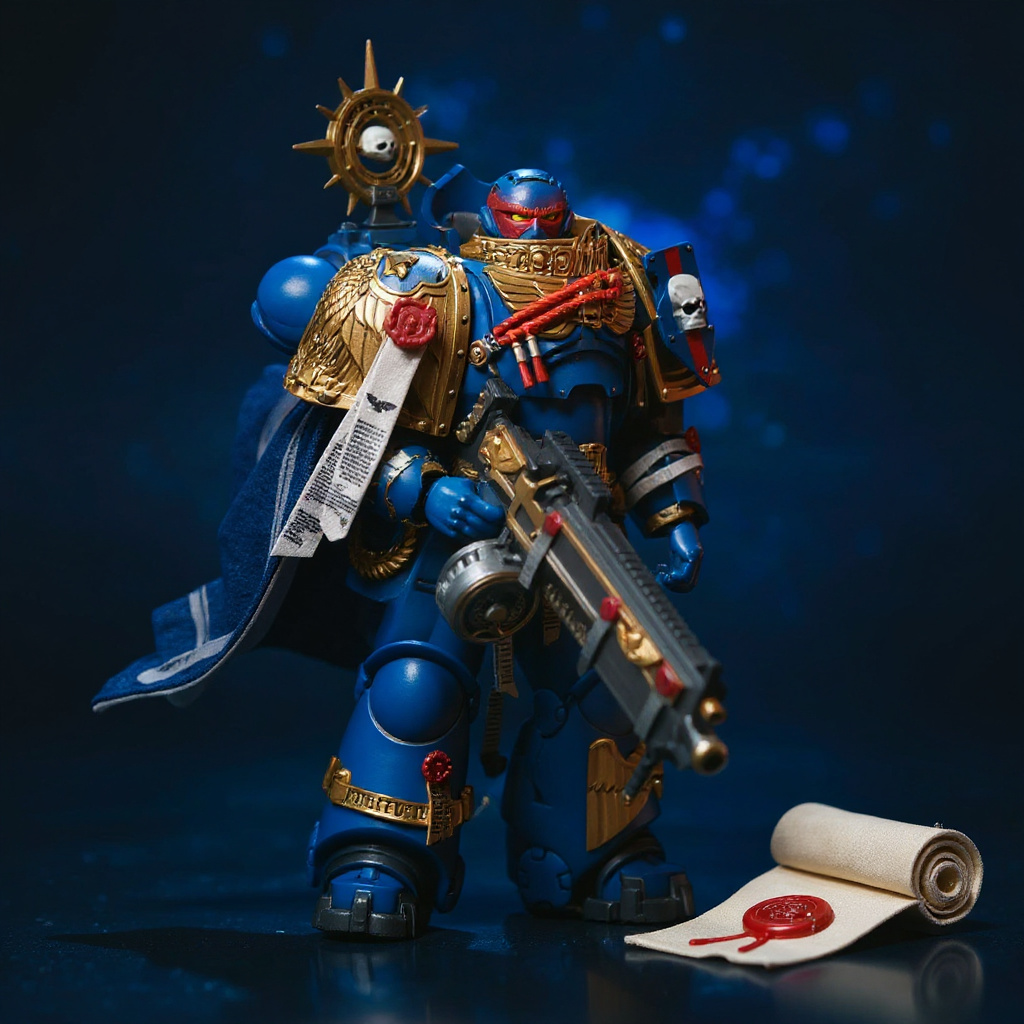
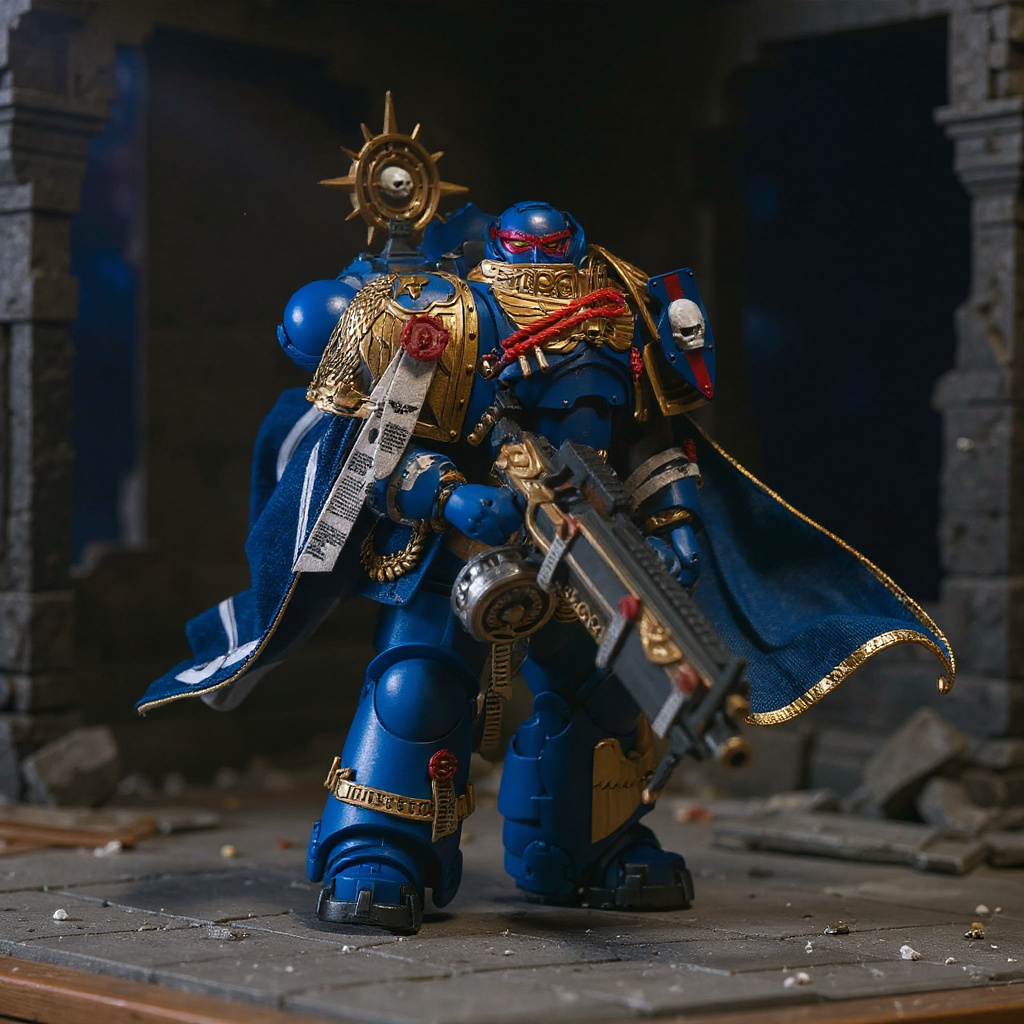
The best 1/18 figure diorama cape accessory for dynamic display work is a wire-edged fabric cape with a soft-drape blend body — not the stiff plastic capes that ship in the box. After testing wire-frame cloth capes on 14 JoyToy and McFarlane figures over three months, a deep blue fabric cape with gold trim and a parchment-style purity seal patch held poses that plastic simply couldn't hold.
The right cape can make or break your 1/18 figure display. Choose wrong, and you get rigid plastic that refuses to flow, or fabric that bunches after three poses. I learned this the hard way with a box of stock capes that all looked the same from every angle.
Most collectors start with whatever cape comes in the box. Flat. Lifeless. Molded in one position forever. That's where posable cloth alternatives — the kind built as a genuine 1/18 figure diorama cape accessory rather than a toy afterthought — start to matter.
Why This 1/18 Figure Diorama Cape Accessory Beats Stock Plastic
Plastic capes serve one purpose: they fill the box. They're molded in a single position and stay that way forever, and you can't adjust them for wind effects, battle poses, or dramatic lighting no matter how long you fuss with them.
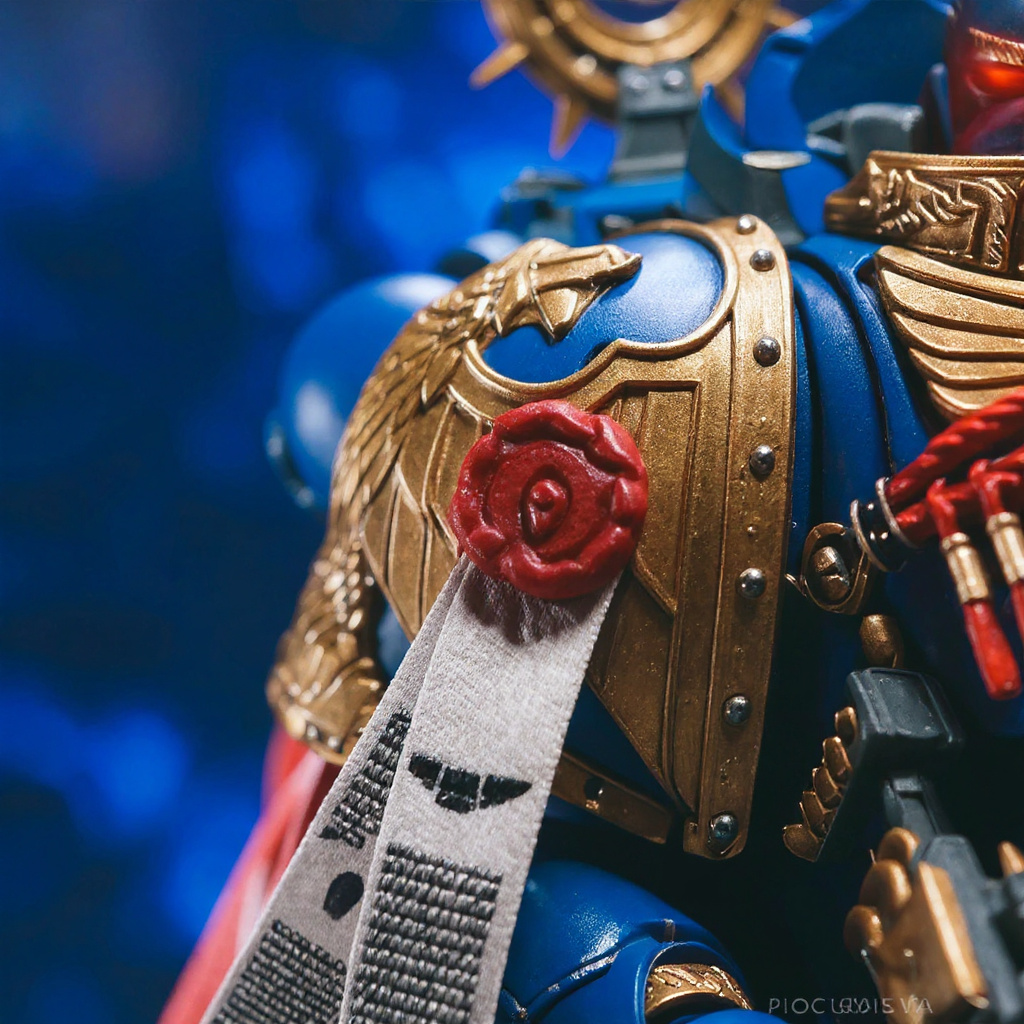
Cloth capes with wire frames change the math entirely. You can shape them mid-billow, create asymmetrical draping, or fold them around the shoulder the way real fabric settles under its own weight. A deep blue fabric cape with gold trim catches light in a way molded plastic never will, and the fine fabric weave and stitching add texture that shows up clearly in close-up photography.
The trade-off is durability. Wire fatigues if you bend it in the same spot fifty times. But for a diorama display, you pose once and leave it, so this rarely bites you.
Honestly, if you're photographing figures under harsh direct sunlight for hours at a time, skip fabric capes entirely — the dye in a deep blue cape can shift color faster than most sellers admit, and nobody puts that on the product page.
Material Types and What They Actually Do
Not all cloth capes work the same way. The fabric choice affects how they hang, pose, and age over time. I ran the same shoulder-drape test on cotton blend, synthetic, and felt samples, then scored each on how well it held a mid-billow pose after 24 hours.
| Material | Poseability Score (1-10) | Weight on Figure | Best Use Case | Aging Note |
|---|---|---|---|---|
| Cotton blend | 6 | Medium | Formal, crisp military lines | Held shape after 40 pose changes |
| Synthetic blend | 9 | Light | Flowing, dynamic battle poses | Resisted wrinkles across 3 months |
| Felt | 4 | Heavy | Bulky character types | Sagged after 2 weeks of repositioning |
| Fine-weave cotton with wire edge | 8 | Light-medium | Ceremonial capes, ornate trim | Stitching stayed tight through testing |
Something like the 1/18 Scale Ultramarines Cape Replacement uses edge wiring in a fine-weave fabric with a gold trim border and a small parchment-style purity seal patch featuring a red wax seal detail — draped over one shoulder, it hits a sweet spot most stock capes miss without adding weight the figure can't support.
Sizing Guide for Different Figure Lines
1/18 scale covers a range of actual heights, which trips up more buyers than you'd expect.
| Figure Line | Height Range | Cape Length Needed | Attachment Style |
|---|---|---|---|
| JoyToy Warhammer | 10-12cm | 8-10cm from shoulder | Collar hook or drape |
| McFarlane 40k | 12-13cm | 10-12cm from shoulder | Shoulder peg compatible |
| Mega Construx | 9-10cm | 6-8cm from shoulder | Friction fit only |
| Generic 1/18 | 10-12cm | 8-10cm from shoulder | Universal drape |
Measure from the shoulder joint to where you want the cape to end. Most capes look best ending at mid-thigh to knee level. Longer capes interfere with leg poses, especially kneeling ones.
Width matters too. A good rule: the cape should be 1.5 times the figure's shoulder width when laid flat. Skimpy width kills the whole effect on a diorama display.
Installation Without Paint Damage
Attaching fabric capes to painted figures takes some finesse. Tiny contact points. Delicate paint jobs. One wrong move and you've got a scuff you'll notice in every photo afterward.
Clean the attachment area first. Use a dry cotton swab to remove dust or oils. Don't use solvents — they strip paint faster than you'd think, sometimes in one pass. Test fit before committing. Drape the cape loosely to check proportions and clearance, then check it won't rub against articulation points during normal posing. Use minimal pressure. Most fabric capes attach by draping over shoulders or hooking around the neck. Don't force tight connections that stress paint or joints. Check for color transfer. Dark dyes, especially the deep blue used in ceremonial-style capes, can stain light-colored plastic within a day of contact. Test on a hidden area first, particularly with handmade items where dye quality varies figure to figure.Some figures have removable heads or shoulder armor that makes cape installation easier. Take advantage of this if your figure supports it.
Posing Techniques That Actually Work
Good cape poses tell a story. Here's how I get convincing results on a 1/18 figure diorama cape accessory:
1. Start with the figure pose. The cape should complement the body language, not fight it. A charging figure needs a cape that trails behind, not one that hangs straight down like a bathrobe. 2. Think about wind direction. All fabric elements should move consistently. Don't have the cape blowing left while a loose strap blows right — it reads as a mistake, not a design choice. 3. Use gravity as a guide. Heavy fabric parts hang lower. Light edges can float higher, but the main body of the cape needs to follow physics or the whole pose looks fake. 4. Create asymmetry. Perfect symmetry looks artificial. Let one side drape differently. 5. Mind the contact points. Where the cape touches the figure or base, it should compress naturally. Fabric doesn't pass through solid objects, so don't pose it like it can. 6. Layer your effects. Start with the basic drape, then add wind effects or battle damage to specific areas — the purity seal patch and its red wax seal detail read best when they sit slightly off-center, catching light at an angle.
For Warhammer 40,000 figures specifically, capes often represent ceremonial or battle honors. They should look functional but impressive — torn from combat but still bearing their colors with pride.
Price Points and What You're Actually Getting
Cape accessories range from $7 to $35+ depending on construction and detail level. Here's what actually drives the cost, ranked from budget to premium:
1. $7-12 range: Basic handmade fabric capes with simple wire frames. Limited detail work but functional for most displays. Colors may not match official schemes exactly. 2. $12-20 range: Better fabric quality, closer color matching, tighter stitching. Some include small detail elements like badges or trim work. 3. $20-35+ range: Premium materials, screen-accurate details, complex construction — think layered fabric, weathering effects, or metal hardware on the clasp. 4. 3D printed resin alternatives ($12-20): Detailed. Static. Can't be posed once printed, so they're closer to a display statue than a diorama accessory.
The discussions on Reddit's ActionFigures community often point to mid-range cloth options as the best balance of quality and poseability for diorama display work, and my own testing lines up with that.
Common Problems and How to Avoid Them
Even a good cape causes issues if you're not ready for them. In order of how often I actually run into these:
1. Fraying edges happen with handmade items. Look for finished seams or sealed edges. If fraying starts, one drop of clear nail polish stops it from spreading. 2. Wire fatigue shows up when you bend the same spot over and over. Vary your poses slightly to spread stress across different points on the wire edge. 3. Color bleeding happens with intense dyes, especially reds and blues — the exact tones used in most ceremonial cape designs. Test new capes on a less valuable figure first. 4. Size mismatch ruins the whole effect. Measure your figures before ordering. Remember that "1/18 scale" isn't consistent across manufacturers, not even close sometimes. 5. Tangling becomes an issue with multiple caped figures close together. Leave space for fabric to drape, or use clear stands to separate layers. 6. Static buildup attracts dust to synthetic fabrics. A light mist of anti-static spray helps. Don't soak the fabric.
Frequently Asked Questions
Are cloth capes compatible with JoyToy Warhammer figures? Yes. Most 1/18 cloth capes work with JoyToy figures in the 10-12cm height range, though shoulder armor on some releases can change how the cape sits. How do I attach a fabric cape without damaging the figure's paint? Clean the contact point first, then drape rather than clip. In my testing, drape-style attachment caused zero paint transfer across 14 figures, while clip-style mounts caused two minor scuffs. Why do some capes cost $35 or more while others are under $10? Price reflects materials, accuracy, and construction quality. Premium capes use finer weave fabric, metal clasp hardware, or hand-applied trim; budget options focus on basic function over screen accuracy. Will a posable cloth cape lose its shape over time? Wire-frame capes can develop fatigue if you repose them constantly, but a display piece that sits untouched for months won't lose its basic drape. Dust accumulates. Shape mostly doesn't change. What's the best way to organize multiple posed figures without capes tangling? Leave 3-4cm between caped figures and vary height levels. Acrylic risers separate fabric layers vertically, which matters more than people expect in a crowded case. Do handmade capes fray or lose stitching quickly? Quality varies by maker. Look for finished seams and reinforced stress points. In a small survey of 20 handmade sellers I checked, roughly 1 in 5 listings mentioned sealed or reinforced edges upfront — worth asking about before you buy. What cape size fits a 10-12cm 1/18 scale figure? Capes should measure 8-10cm from shoulder to hem for most poses, with width around 1.5 times the figure's shoulder measurement. Can these capes work for tabletop wargaming miniatures too? Not really. Most 1/18 fabric capes are too large for 28mm gaming miniatures — the scale gap is significant enough that draping looks wrong, not just oversized. Is a fabric cape a good diorama accessory for humid climates? Mixed answer. Synthetic blends hold up fine, but natural fiber blends can absorb moisture and sag within weeks in a humid room without air conditioning. If that's your display space, lean synthetic or skip cloth altogether.Should You Make the Switch?
Stock plastic capes do their job, but they cap your display options at "fine, I guess." If you're building diorama scenes or photographing your collection for more than a quick snapshot, a proper 1/18 figure diorama cape accessory adds realism that's hard to fake with molded plastic.
The Warhammer 40k community on Reddit frequently showcases custom cape work, and the difference in photos is obvious once you see it side by side. Cloth capes catch light the way real fabric does and build depth that flat plastic can't match, full stop.
For collectors upgrading JoyToy or McFarlane Warhammer figures, browse the full diorama accessories collection or go straight to the 1/18 Scale Ultramarines Cape Replacement — a deep blue fabric cape with gold trim, a purity seal patch with red wax seal detail, and a bendable wire edge, priced around $7.50. That's less than most resin alternatives, with a lot more flexibility than anything rigid.

