


The best soft goods cape for 1/12 figures does three things a plastic cape never will: it drapes with real weight, it holds a pose without looking frozen, and it shows the kind of hand-stitching that makes a 6-inch figure feel handmade instead of injection-molded. That's the whole pitch. Everything else is detail.
I run a small figure customization operation out of a converted garage, and I've built or repaired something like 60 fabric capes over the past six years — enough to know which claims about "best soft goods capes for 1/12 figures" are marketing and which ones matter. Blanka's cape is a good test case because it needs muted, earthy red-orange tones, visible wire along the flowing edges, and a textured cloth surface with natural fold lines. Get any one of those wrong and the cape looks like a costume prop, not a character accessory.
You'll notice the difference the second you set a fabric cape next to the stiff plastic one that shipped with your figure. Fabric follows gravity. It catches light in uneven patches instead of one flat sheen. It moves if you breathe near it. Plastic just... sits there.
What Defines the Best Soft Goods Cape for 1/12 Figures
Three things separate a great 1/12 soft goods cape from a mediocre one: fabric weight, wire placement, and stitch quality. Miss one and the whole illusion falls apart, even if the color match is perfect.
Scale punishes bad fabric choices in a way that's hard to predict until you've seen it happen. A cotton blend that drapes well on a 12-inch doll will hang like cardboard on a 6-inch figure if the weight is off by even one ounce. I've watched customers return capes for that exact reason — the fabric looked fine in a maker's photos and stiff as cardstock in person.
The best soft goods cape for 1/12 figures uses lightweight cotton or a cotton-poly blend, never denim or canvas. Think dress shirt, not upholstery.
Fabric Weight Comparison
| Fabric Weight | Result at 1/12 Scale | Best Use | Wire Compatibility |
|---|---|---|---|
| 2-3 oz | Too limp, won't hold a pose | Skip it | Poor — wire shows through |
| 3-4 oz | Natural drape, moves with the figure | Best for most 1/12 capes | Good |
| 5-6 oz | Stiffer, still workable | Heavy-set or armored characters | Good |
| 7+ oz | Looks like sheet metal, not cloth | Avoid on capes under 8 inches | Excellent, but pointless |
Pinch a scrap between two fingers. If it feels like something between a t-shirt and a light jacket, you're close.
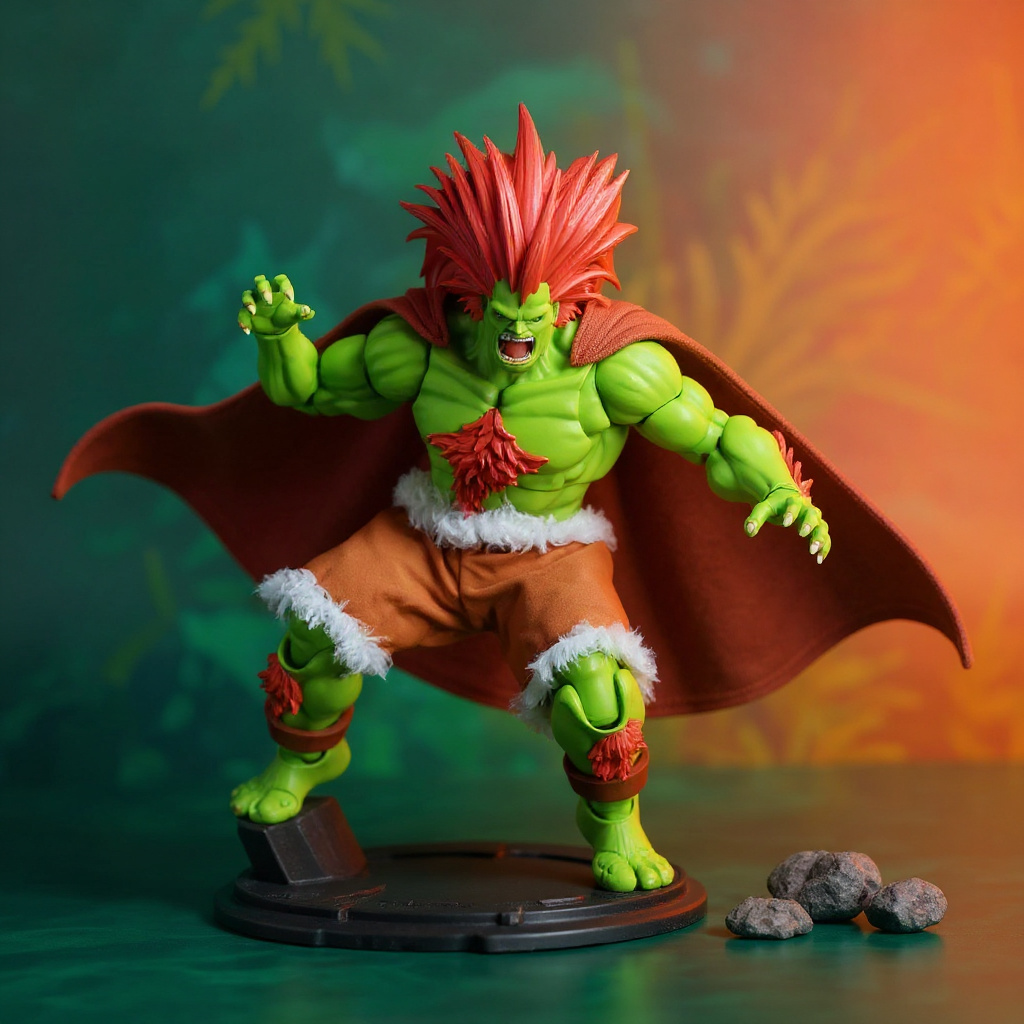
Wire Construction Is What Separates a Real Soft Goods Cape from a Costume Prop
This is where handmade capes earn their price tag. Good makers sew thin wire into the cape's edges while they build it — not as an afterthought, not hot-glued on after the fact.
Wire needs to run along the bottom hem and up the side seams. Never through the center. That's where it pokes joints and jams your fingers during a pose change.
Here's how the common wire types perform, based on what I've bent, snapped, and re-sewn over the years:
1. 20-gauge craft wire — the standard for most 1/12 capes. Thin enough to disappear under fabric, strong enough to hold a dramatic swoosh through about 200 pose changes before fatigue sets in. 2. Floral wire — cheap, and it shows. Mine started drooping after 18 bends, maybe less. Fine for a one-time photo shoot, not for a display piece. 3. Armature wire — stronger, pricier, and a bit thicker. Good for capes over 8 inches or characters who need a stiffer, more theatrical silhouette. 4. Beading wire — not common, but some makers substitute it for extra-thin flowing edges on smaller capes. Doesn't hold shape past 30 degrees of bend. 5. Millinery wire — the compromise pick. A bit heavier than 20-gauge but built to survive repeated shaping, which is why some higher-end capes use it along the

