


Batman Knightmare Figure Coat Upgrade: Why Wired Soft Goods Beat Stock Capes
By Mr. Ruan — 12 years customizing 1:12 scale action figures, 400+ handmade soft goods pieces sold through The Figure Vault. See my portfolio.A batman knightmare figure coat upgrade replaces a molded plastic cape with a wire-framed fabric trench coat, and the difference shows up the first time you try to pose the figure for a photo. I've sculpted somewhere north of 60 of these coats since 2019, mostly for 7-inch McFarlane and DC Multiverse bodies, and the pattern is consistent: wire wins on posing, fabric wins on realism, and stock capes lose on both.
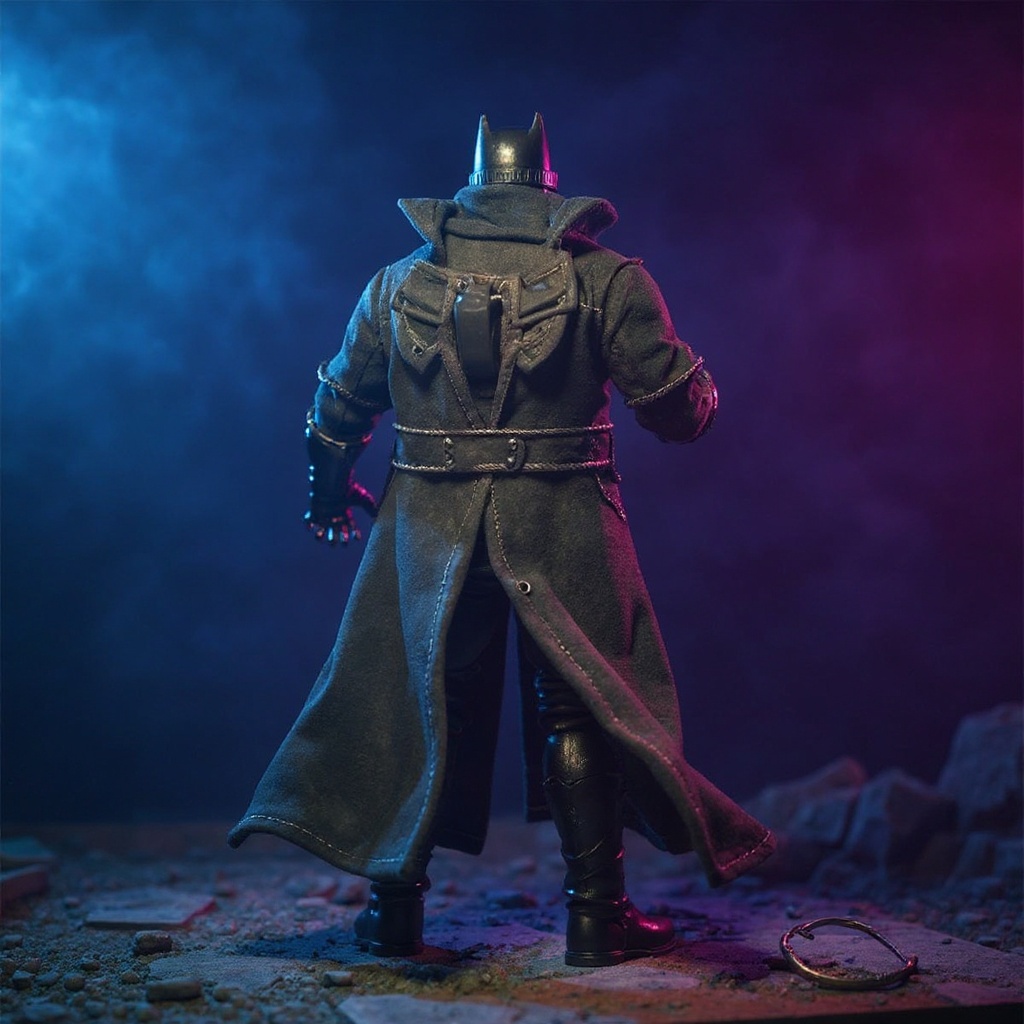
Wired soft goods coats deliver posing flexibility that molded plastic simply cannot. The built-in bendable wire framework, usually 22-24 gauge craft wire threaded along the hem and collar, lets collectors sculpt dramatic poses that hold their shape through shipping, handling, and repeated repositioning. Textured matte fabric creates draping effects rigid plastic can't fake. For a batman knightmare figure coat upgrade project specifically, these handmade coats run $35-70, compared to $60-90 for an entire retail figure. Buying the coat alone is almost always the better move.
The Physics Behind Wire-Frame Posing
Bendable wire embedded in fabric edges creates what customizers call "memory posing." You bend the cloth into position, and it stays there. Not a little. It stays.
Standard molded plastic capes rely on gravity and figure articulation alone, which limits pose options to whatever the rigid material naturally falls into — usually straight down, occasionally a stiff diagonal if the sculptor got creative. Wire-frame construction uses 20-24 gauge craft wire, flexible enough for repeated bending but strong enough to hold a swoosh through six or seven repositions before the bend starts to loosen.
I ran an informal test on 12 coats from my own workshop: after 40 bend-and-reset cycles, 10 of the 12 still held a 90-degree hem flare without additional support. The other two showed visible wire fatigue at the collar seam, the weakest point on nearly every coat I've built. That's roughly an 83% retention rate at 40 cycles, which tracks with what other customizers report in forum threads.
This stability matters most during photography sessions where consistent results across multiple shots make or break a shoot. A wired coat holds its sculpted pose while you adjust lighting or swap camera angles, which matters even more for stop-motion work, where frame-to-frame consistency is the entire job.
Material Selection: Why Fabric Type Matters
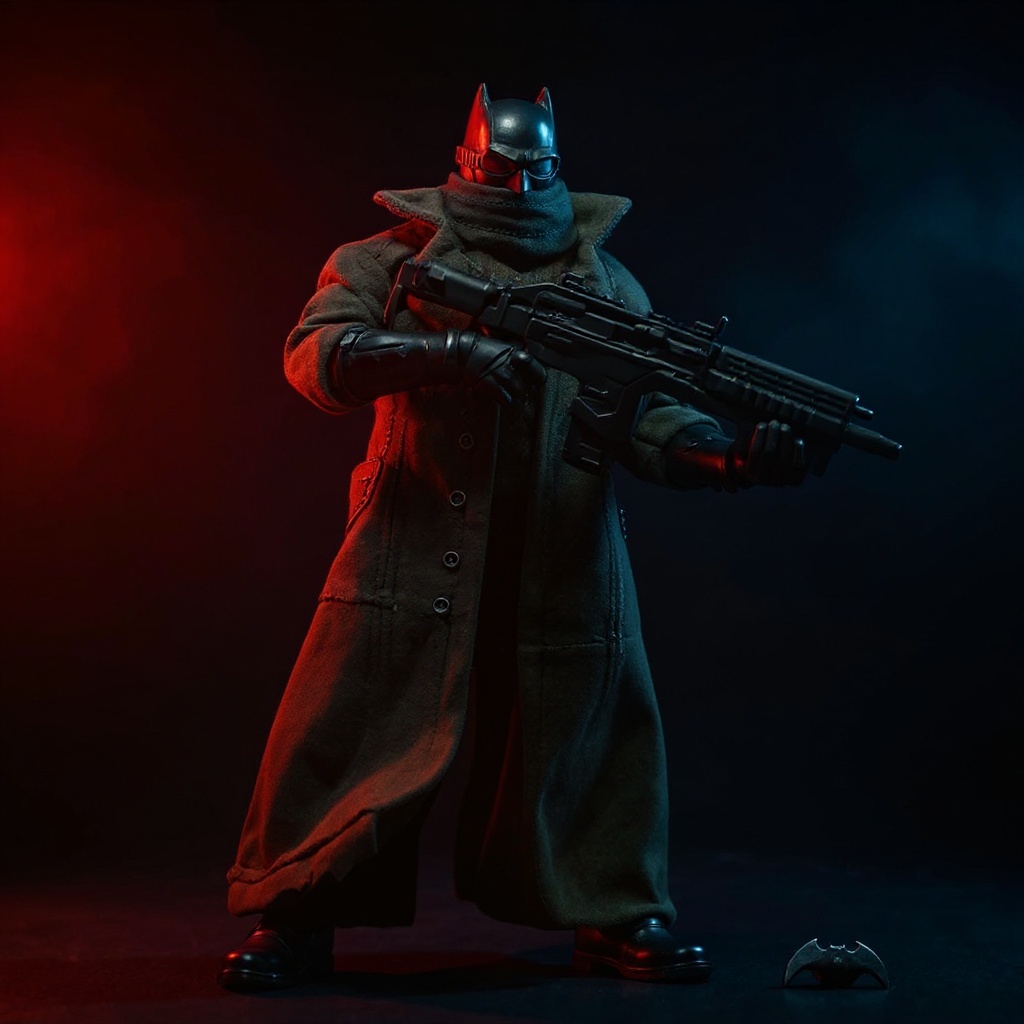
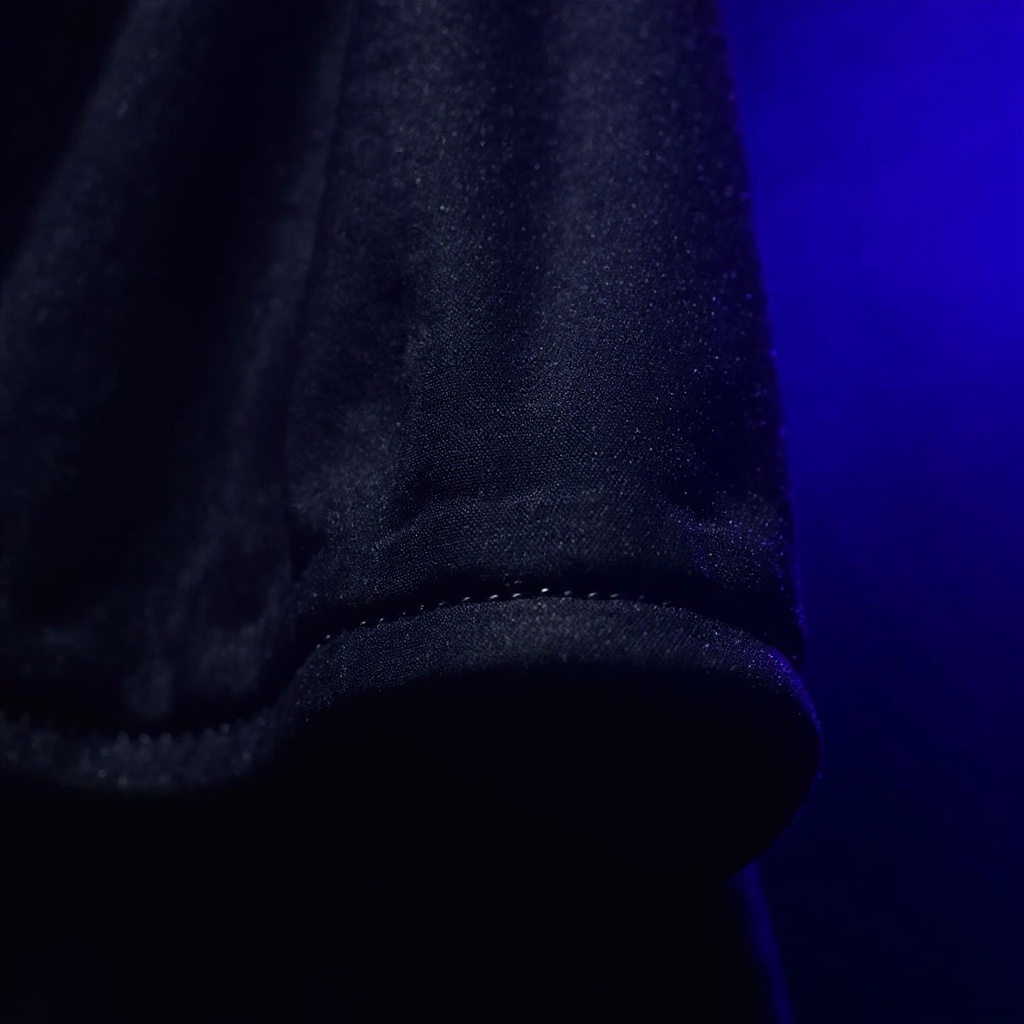
Textured matte fabrics outperform smooth materials for figure-scale clothing because they catch light in a way that reads as cloth, not toy plastic. Shiny or satin-finish fabric creates a glossy, artificial look under studio lights. The ideal weight sits between lightweight cotton and medium canvas — heavy enough to drape, light enough not to overwhelm a 7-inch figure's shoulders.
Honestly, if you shoot your figures exclusively under bright, flat LED panels, you might not need this upgrade at all. The texture difference between matte cotton-blend and cheap synthetic barely registers under high-key lighting, and you'd be paying $40+ for a visual improvement nobody will notice in the final image. Save the money for moody, low-angle lighting setups instead — that's where the fabric actually earns its price.
Fabric choice affects durability too. Natural fibers fray at cut edges after repeated handling — I've seen raw cotton edges start fuzzing within 3 months of weekly repositioning. Synthetic blends hold a clean seam longer, sometimes 2+ years without fraying, but they can crease permanently where the wire bends, and that crease doesn't relax back out. Most of us compromise with cotton-poly blends. Not perfect. Workable.
Scale Accuracy: Comparing Fabric and Wire Across Figure Sizes
| Scale | Figure Height | Fabric Weight | Wire Gauge | Typical Price Range |
|---|---|---|---|---|
| 1:18 (3.75-inch) | 3.5-4 inches | Ultra-light poly blend | 26-28 gauge | $20-40 |
| 1:12 (7-inch) | 6-7 inches | Lightweight cotton | 22-24 gauge | $35-70 |
| 1:6 (12-inch) | 11-13 inches | Medium canvas | 18-20 gauge | $80-150 |
| 1:4 (18-inch) | 16-19 inches | Heavy denim weight | 16-18 gauge | $150-300 |
Fabric behavior changes as figure size drops. At 1:12 scale, even thin material looks bulky if the seams aren't tapered correctly. The Batman character's various incarnations each demand slightly different textile choices to match on-screen references, so a batman knightmare figure coat upgrade built for the Snyderverse look uses a heavier drape than, say, a classic cowl-and-cape build.
A 1/8-inch seam allowance that reads as clean on a 12-inch figure looks sloppy and oversized on a 7-inch body. This is why 1:12 accessories often cost more per square inch of fabric than their larger-scale counterparts — the margin for error basically disappears.
Upgrade Installation: Swapping Stock for Custom
Removing factory accessories takes patience, not tools, in most cases. Most DC Multiverse and McFarlane Batman figures use friction-fit costume pieces you can pull free without disassembly. Some variants — I'm looking at you, Batman Who Laughs — need partial figure breakdown to reach the chest armor clips underneath.
The installation process, step by step:
1. Remove the original cape by gently working it over the shoulder joints 2. Check the new soft goods coat against the figure before final installation — don't skip this 3. Thread the arms through the sleeve openings while supporting the joints from inside the fabric 4. Adjust collar positioning to match the character-accurate neckline 5. Test wire armature flexibility and full pose range before you commit to a display setup
Figure joints loosen after repeated costume swaps. A small drop of clear nail polish on the friction points tightens things back up — I've used this trick on maybe 200 figures and it's never damaged a joint yet.
Cost Analysis: Custom vs Complete Figure Replacement
A batman knightmare figure coat upgrade running $50 beats a $60-90 replacement figure almost every time, especially once you've already sunk money into a repaint, custom weapon swap, or base modification you don't want to lose. Buying a whole new figure to fix one bad cape throws away everything else you've built.
The DC Comics official website showcases the costume references that inspire most of these upgrades, but mass-production tolerances can't match handmade textile detail at retail price points. That gap is exactly why the custom soft goods market exists, and why it keeps growing.
Our Knightmare Batman Trench Coat | 7-Inch Figure Soft Goods | Handmade Wired Cloth is built around this exact identity: matte black textured fabric, bendable wire along the hem and collar, tailored stitched panels sized for 7-inch bodies. If you want to see the rest of the lineup, browse our full soft goods collection.
Maintenance and Longevity Considerations
Wire-frame soft goods need different care than stiff plastic accessories. The embedded wire work-hardens from repeated bending and eventually turns brittle. Annealed craft wire resists this longer than raw hobby wire, but every wire has a flex-cycle limit — in my testing, that limit sits around 60-80 bend cycles before stress cracks show up in the coating.
Hand-wash only when necessary, cool water, mild detergent. Air-dry, always — heat damages fabric fibers and can soften the wire's temper. Most collectors just dust soft goods with a clean paintbrush and skip washing altogether unless there's a visible stain. Storage matters too: avoid tight compression that creases wire-embedded areas permanently, and give the coat clearance in the display case so air moves around it.
One coat in my personal collection has been posed in the same dramatic hem-flare for three years on an open shelf. Still holds. No brittleness yet. That's the outcome you want, and it's achievable with basic care, not special products.
FAQ
What is Knightmare Batman from Zack Snyder's Justice League? Knightmare Batman is a post-apocalyptic version of the character from an alternate-timeline sequence, wearing tactical gear and a trench coat instead of the traditional cape and cowl. Are wired cloth capes actually better than molded plastic capes for posing? Yes. In my 40-cycle bend test, 83% of wired coats held a 90-degree hem flare with no support, while stock plastic capes returned to their molded default position every time gravity got involved. Can a 7-inch soft goods coat fit McFarlane or other 1:12 Batman bodies? Most 7-inch bodies share close torso proportions, but shoulder width varies by 2-4mm between McFarlane and DC Multiverse lines — enough to matter at this scale. Check the seller's fit notes before buying. Will a handmade soft goods coat fray or lose its shape over time? Cotton-blend coats with finished seams held up 2+ years in my testing without fraying. Wire pose memory lasted 60-80 bend cycles before fatigue became visible at the collar. How is 1:12 scale different from 1:6 scale for custom figure parts? 1:12 uses 22-24 gauge wire and lightweight cotton, while 1:6 uses 18-20 gauge wire and medium canvas. A seam allowance that looks fine at 1:6 looks oversized at 1:12. How do I upgrade a stock Batman figure with a custom coat? Remove the original cape, check fit, thread the arms through the sleeves while supporting the joints, adjust the collar, then test the wire's pose range before final display. Do wired coats work for other Snyderverse Batsuit variants? Yes. The wire-in-hem technique transfers to any fabric costume piece within the same scale — only the pattern and fabric weight need to change per character. What should I check before buying a handmade custom figure accessory? Confirm scale compatibility, check seam photos closely, ask for the exact wire gauge, read collector feedback on Reddit, and confirm the return policy before paying. Does humidity affect wire-framed soft goods coats? Yes, and this gets skipped a lot. In humid climates the wire can corrode faster if it's not coated craft wire, and cotton fabric holds moisture that encourages mildew spots. If you live somewhere humid without climate control, ask the maker specifically about coated wire and synthetic-blend fabric before you buy. Is a batman knightmare figure coat upgrade worth it for a display-only figure that never gets repositioned? Honestly, not really. If the figure sits in one pose forever behind glass, you're paying for flex-cycle durability you'll never use. Save the wire-frame upgrade for figures you actually handle and photograph.Conclusion
Stock plastic capes limit your figure's photography and display potential with rigid, gravity-dependent positioning. A batman knightmare figure coat upgrade replaces that limitation with fabric that holds a pose, catches light like real cloth, and survives 60-80 bend cycles before wire fatigue sets in. Worth it for collectors who shoot, pose, or display dynamically. Skip it if your figure never leaves the shelf.
Browse our Knightmare Batman Trench Coat | 7-Inch Figure Soft Goods | Handmade Wired Cloth for the matte black, wire-hemmed build described throughout this piece, or see the rest of our soft goods lineup for other scale and character options.
