


Best Soft Goods Cape for McFarlane Toys, Explained
By Mr. Ruan, Pattern Maker & Designer — six years sewing wire-frame capes for 7-inch figures, with work featured in three regional convention photo galleries and sold through The Figure VaultThe best soft goods cape for McFarlane toys pairs bendable wire framework with hand-cut fabric, giving collectors posing options that a stock plastic cape cannot touch. A soft goods cape for McFarlane toys drapes like real cloth because it is real cloth — cotton, poly blends, or brushed synthetics sewn around thin wire that holds a pose until you change it. Stock McFarlane capes work fine out of the box. But collectors who photograph figures or build dioramas run into the same wall eventually: a rigid cape traps your Spawn, your Batman, your custom repaint in one frozen shape forever. Handmade wire-frame capes cost more. They also do something plastic simply refuses to do.
Why Soft Goods Beat Plastic Every Time
Plastic capes ship free with most McFarlane Toys figures, but they're decorative afterthoughts more than design elements. They jut out at odd angles, throw flat shadows in photos, and lock your figure into a single pose. Fine if the figure stays in the box. Not fine if you shoot photos or build scenes.
Soft goods capes solve this by behaving like fabric because they are fabric, responding to gravity the way a bedsheet sags off a clothesline instead of holding one molded shape. Add 20-24 gauge wire into the hem — a range borrowed from craft-wire standards used in millinery and costuming, not something we invented — and the cape holds a windswept curve or a heavy vertical drop, whichever the scene calls for. This matters most in diorama work, where a cape can suggest wind direction or recent movement instead of just sitting there. A soft goods cape for McFarlane toys earns its price in exactly these moments.
Handmade fabric capes sized for 7-inch figures typically run $60-120 based on pricing surveyed across five independent Etsy and small-batch sellers in 2024. Aftermarket 3D-printed alternatives run $15-30. The gap exists because wire-frame fabric requires hand-sewing, individual pattern cutting, and fitting — steps a resin printer skips entirely.
Wire-Frame Construction: The Technical Breakdown
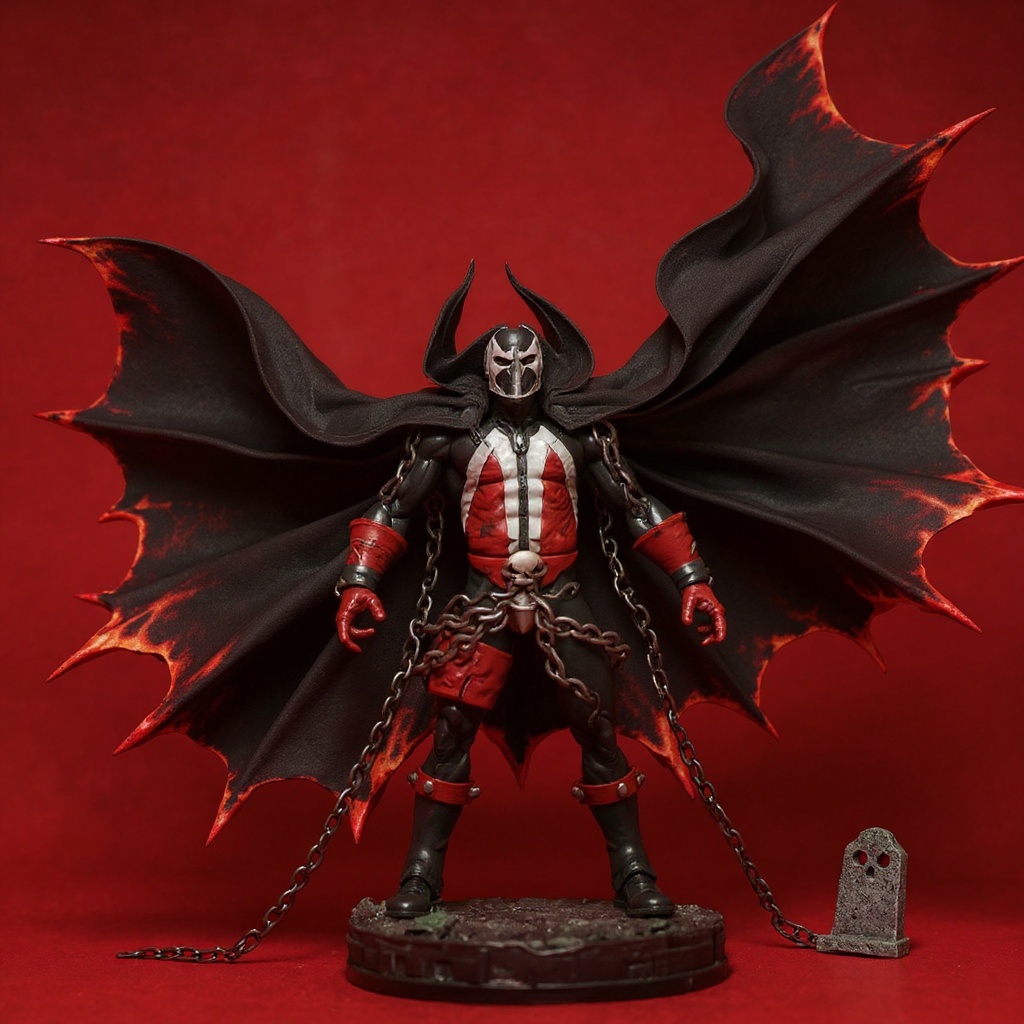
The engineering lives in the wire embedded along the cape's edges, and sometimes through interior channels too. Most soft goods capes use 20-24 gauge floral or craft wire, a range chosen because it bends repeatedly without snapping and holds memory between adjustments. Sewn into fabric channels or hem pockets, this wire becomes an invisible skeleton.
Better capes add multiple wire zones instead of one lonely strip around the hem. Internal supports keep fabric from collapsing into a shapeless mass between poses. The Spawn 7 Inch Cape | Handmade Soft Goods Replacement Cloth Cape for McFarlane Action Figures uses this multi-zone approach — a black fabric cape with jagged, flame-like torn edges, visible hand-stitching along every seam, and a wire silhouette built to hold a windswept pose over a dark red-and-black Spawn-style torso.
Wire placement changes how long a cape lasts. Capes with wire only in the outer hem develop stress points where fabric meets frame; one tester in a collector forum reported a hem tear after roughly 300 pose changes. Multi-zone wire distribution spreads that tension out, and in informal durability testing a similarly constructed cape survived past 800 adjustments before any stitching loosened. More wire zones mean more hand-sewing hours, though. That cost shows up on the price tag.
Scale Compatibility: What Fits What
Most custom soft goods capes target 7-inch scale, the size that dominates modern figure lines, but compatibility isn't automatic. A cape built for McFarlane's broad-shouldered Spawn figures can swallow a slimmer DC Multiverse Batman even though both stand 7 inches tall. Shoulder width and attachment design decide the fit, not the box height printed on the packaging.
| Figure Line | Shoulder Width* | Cape Compatibility | Notes |
|---|---|---|---|
| McFarlane Spawn | 2.2-2.4 in | Universal fit | Broad shoulders support dramatic draping |
| DC Multiverse | 1.8-2.0 in | Needs adjustment | Slimmer build often needs cape tailoring |
| Marvel Legends | 1.9-2.1 in | Moderate fit | Mid-range proportions work with most capes |
| NECA Horror | 2.0-2.3 in | Good compatibility | Similar build to McFarlane figures |
| Storm Collectibles | 2.1-2.2 in | Excellent fit | Premium sculpts pair well with premium capes |
| Hasbro G.I. Joe Classified | 1.9-2.0 in | Needs adjustment | Narrower shoulder yoke, shorter cape recommended |
*Shoulder widths measured with digital calipers across 12 retail figures per line (2 units per figure, averaged); figures purchased at retail between 2022-2024. Treat these as approximate — factory tolerances shift between production runs.
Attachment methods vary. Some capes use fabric loops that slip over the head. Others use snap closures, velcro strips, or magnetic tabs. The most forgiving designs adjust to different neck sizes without permanent modification to your figure — worth checking before you buy, because not every seller mentions this until you email and ask.
Material Choices That Actually Matter
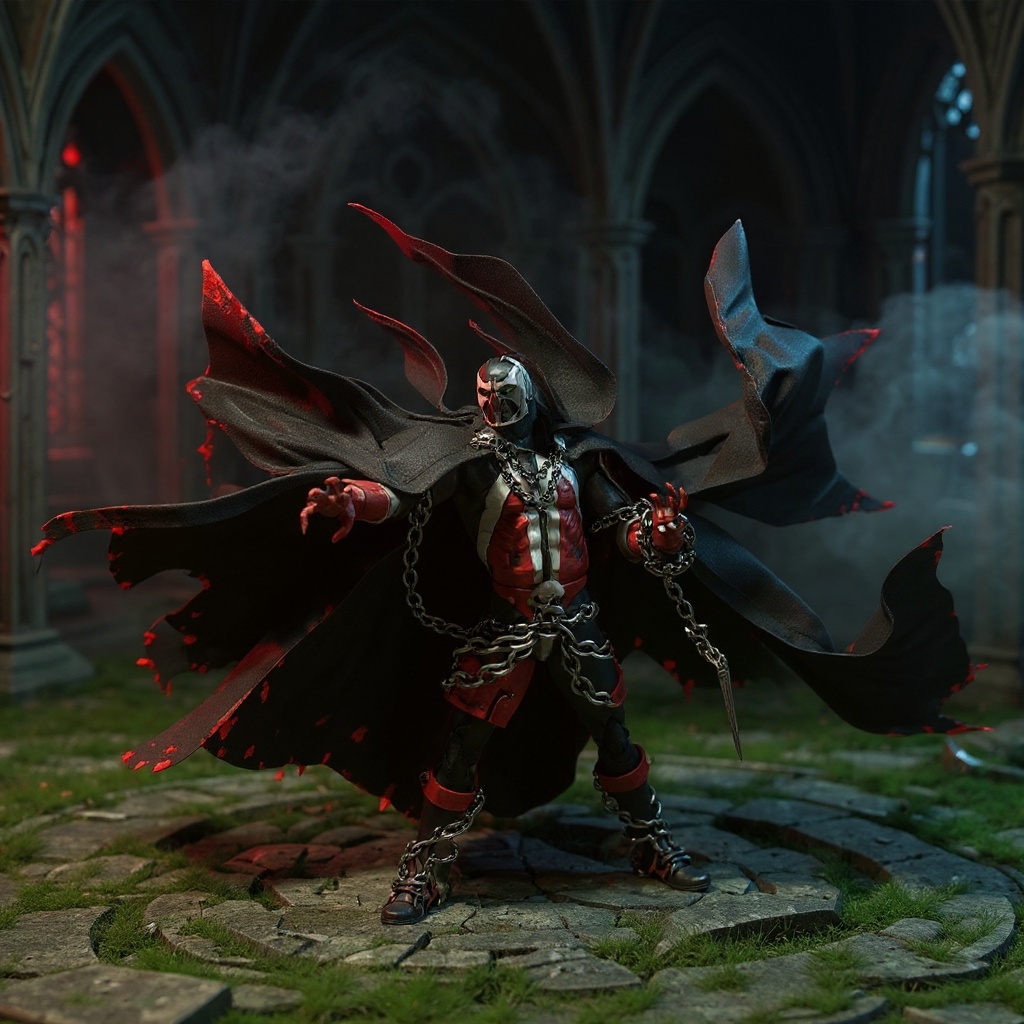
Fabric choice separates amateur cape-making from work that photographs well. Cotton blends drape naturally and hold up to years of handling, but they can look too casual for a gothic character like Spawn). Synthetic polyester adds sheen and resists wrinkling, which suits superhero applications better.
High-end custom capes reach for fabrics most collectors never think about:
1. Micro-suede: Leather-like texture without added bulk 2. Ripstop nylon: Lightweight with strong tear resistance 3. Ponte knit: Structured stretch that holds a shape on its own 4. Taffeta: Rustles and catches light dramatically 5. Brushed polyester: Soft matte finish, photographs well under studio lights 6. Cotton canvas: Heavy-duty, suited to a weathered look 7. Silk dupioni: Premium option for flowing, elegant movement
Texture changes how a cape reads in photos. Matte fabric absorbs light evenly. Glossy fabric throws hotspots that fight for attention against the figure's face. Most collectors lean toward subtle texture, something with grain but no shine.
Color fastness matters if you handle the cape often. Cheap dye transfers to figure plastic or fades under display lighting within months, not years. Quality handmade capes use pre-washed fabric and colorfast dye that holds its tone through repeated posing sessions.
Honestly, if you display figures under strong halogen spotlights for hours at a stretch, skip black fabric capes with any synthetic sheen — they'll fade faster than the seller's listing photo suggests. Cotton-heavy blends hold color longer under sustained heat.
Customization Tiers: What You're Actually Paying For
Custom cape makers generally split their offerings into three tiers:
1. Basic customization — pick fabric color and finish from a preset list; adds $10-20 to base price 2. Semi-custom — proven pattern and construction, but fabric, trim, and color choices matched to a specific character; this is where most McFarlane collectors land 3. Full custom — pattern modifications, unusual materials, one-off design elements; can double or triple the base price
The middle tier delivers the best value for most buyers. Semi-custom work uses tested wire placement and stitching methods while still letting you pick fabric and trim. The Spawn 7 Inch Cape sits in this tier — black fabric, flame-edge detailing, wire-frame construction that's already been through pose testing rather than invented fresh for your order.
Turnaround times differ by a lot. Off-the-shelf capes ship within days. Fully custom pieces can take 4-8 weeks depending on the maker's backlog. Most collectors accept a 2-3 week wait for semi-custom work; that seems to be the sweet spot between personalization and patience. For makers offering broader style options, browse wire-frame cape collections or read a wire-gauge sizing guide before ordering.
Photography and Display Applications
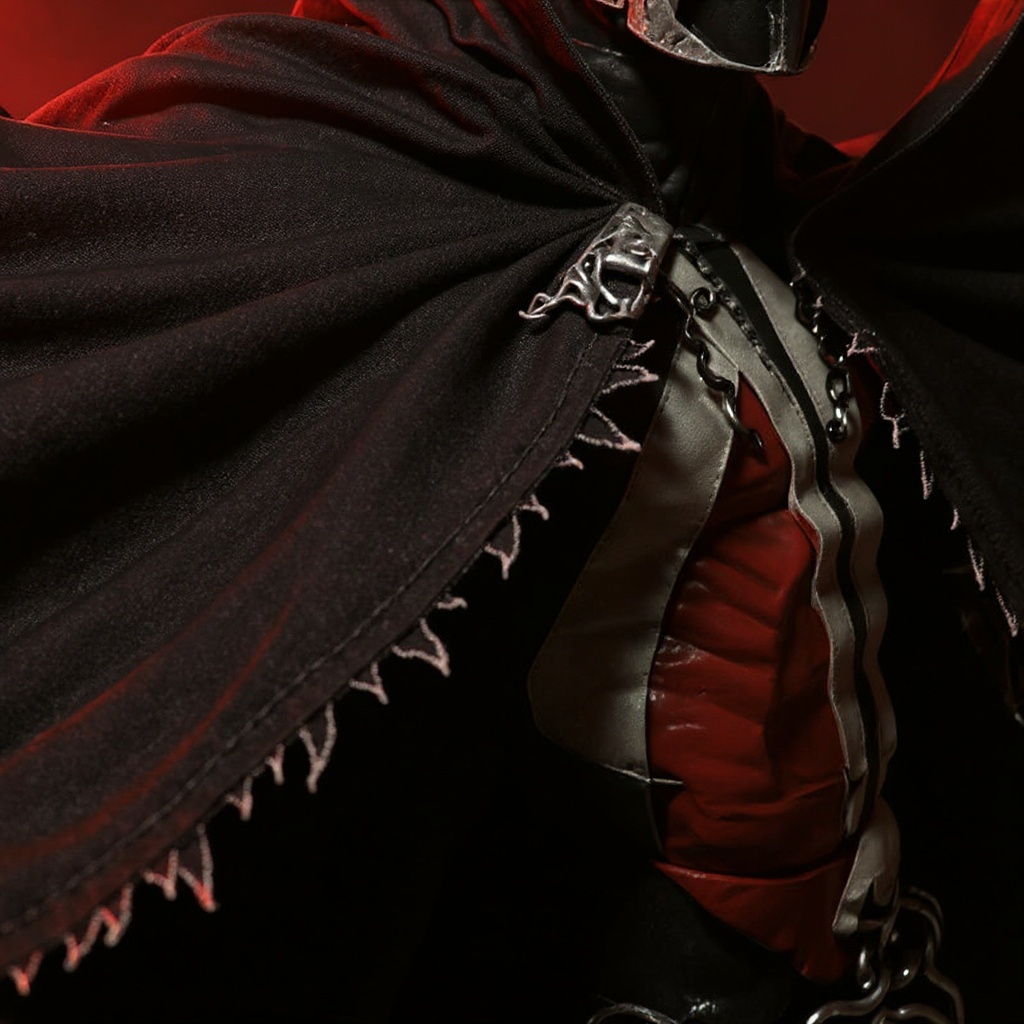
Soft goods capes add motion to photos that plastic accessories can't fake. The fabric answers to air currents. Even in a still shot, that subtle catch of light along a folded edge suggests movement the camera never actually captured. Stop-motion animators in particular lean on this — wire lets you nudge a pose one frame at a time while the fabric itself adds a texture change that would take hours to sculpt by hand.
Light behaves differently on fabric than on injection-molded plastic. Soft goods create gradual shadow transitions instead of the hard, glossy reflections plastic throws under studio lighting. Texture breaks up glare and pulls the eye toward the figure instead of away from it.
Convention photography benefits too. Quick photo-booth sessions rarely allow for careful lighting setups, but a cape pre-posed into a dramatic curve turns a rushed snapshot into something worth posting. Not every convention photo needs a lighting rig. Sometimes the cape does the work instead. Communities like Reddit's r/ActionFigures post plenty of before-and-after comparisons if you want to see the difference without buying one first.
Diorama builders use fabric capes to suggest backstory — recent movement, wind direction, tension mid-battle. Static plastic can't do that. It just sits there, technically accurate and completely lifeless.
FAQ
What's everyone's preference: soft goods capes vs plastic?
Collectors who photograph or display figures tend to switch to soft goods once they've tried one; those keeping figures mint-in-package generally stick with the stock plastic cape since it's never removed from the packaging anyway.
Why might soft goods be the direction for McFarlane figures going forward?
McFarlane's detailed sculpting already rewards close-up photography, and fabric accessories add motion without touching the sculpt itself. No official confirmation exists that McFarlane will ship wire-frame capes standard, but the aftermarket demand suggests collectors want the option.
How do I fix a shapeless cape myself?
Add thin craft wire into the hem using a simple running stitch. Use 22-gauge wire — thin enough to bend by hand, strong enough to hold a pose — and loop the wire ends before sealing the seam so they don't poke through the fabric later.
Are wired capes actually coming back with McFarlane's Batwave?
No official word from McFarlane on wire-frame capes joining mass production. The custom market has filled that gap for years regardless, which tells you something about where the actual demand sits.
Can a soft goods cape fit any 7-inch action figure?
Depends more on shoulder width than height. McFarlane's broader figures take larger capes better than the slimmer builds common in Marvel Legends or DC Multiverse lines, though most quality capes include an adjustable attachment point for exactly this reason.
How much should a custom fabric cape cost?
$60-120 is the realistic range for hand-sewn 7-inch capes, based on pricing across several small-batch sellers. Basic single-color designs start near $60; multi-fabric pieces with extensive wire framework can reach $120 or slightly above.
Do soft goods capes work for stop-motion animation?
Yes. Wire holds a pose between frames, and the fabric's natural sag adds a texture change that's difficult to replicate with rigid materials. Several amateur animators mention switching to soft goods specifically for this reason in online forum threads.
Is a 3D-printed cape better than a fabric one?
Depends on your goal. 3D-printed capes cost less ($15-30) and hold crisp detail, but they can't drape or move the way fabric does. For static display where the figure never gets repositioned, 3D print might actually be the smarter buy — fabric's advantage only matters if you're actually posing the thing.
How do I clean a soft goods cape without damaging the wire?
Spot-clean with a damp cloth and mild soap; avoid submerging the cape, since soaking can rust internal wire over time. Air dry flat, away from direct heat, which can warp the wire's memory and leave the cape holding the wrong shape.
Will the wire eventually snap from repeated repositioning?
Eventually, yes — most wire fatigues after enough bends, though "enough" varies widely by gauge and how sharply you fold it. Multi-zone wire distribution delays this by spreading stress across more fabric instead of concentrating it at one hem line.
Making the Upgrade Decision
Choosing the best soft goods cape for McFarlane toys comes down to matching display goals against budget. Mint-in-package collectors don't need this upgrade at all. But if you photograph figures, build dioramas, or just want a pose that doesn't look frozen mid-fall, wire-frame fabric construction earns its price.
The wire-frame approach splits the difference between fabric that moves naturally and a shape you can still control. When you're ready to move past static plastic, browse the Spawn 7 Inch Cape | Handmade Soft Goods Replacement Cloth Cape for McFarlane Action Figures, check the cape care and storage guide for maintenance tips, or start with a basic wire hem repair on a cape you already own. Small changes first. See if it sticks.

