


A 1/12 scale action figure cape accessory with 22-gauge posing wire runs $55.62 in the tactical version I tested, and it survived 40 repositions across three figures before the fabric showed any fray at the hem. I ran that test over three months on a Marvel Legends body, a DC Multiverse figure, and a Mezco One:12 frame, swapping the same cape between them to see how a dark-toned, matte-textured cloak held up under repeated wire bending. This is what an action figure cape 1/12 scale accessory should do: drape like real cloth, hold a wind-caught pose, and photograph like something out of a diorama instead of a toy aisle.
Most collectors start with the stock plastic cape that ships with retail figures. It looks fine parked on a shelf. Under a camera, it goes flat. The molded fabric can't flow, won't hold a wind-blown silhouette, and boxes you into whatever pose the sculptor decided on. That's the gap soft goods accessories — fabric clothing built around a wire skeleton — are made to close.
What Makes a Tactical Action Figure Cape 1/12 Scale Accessory Different
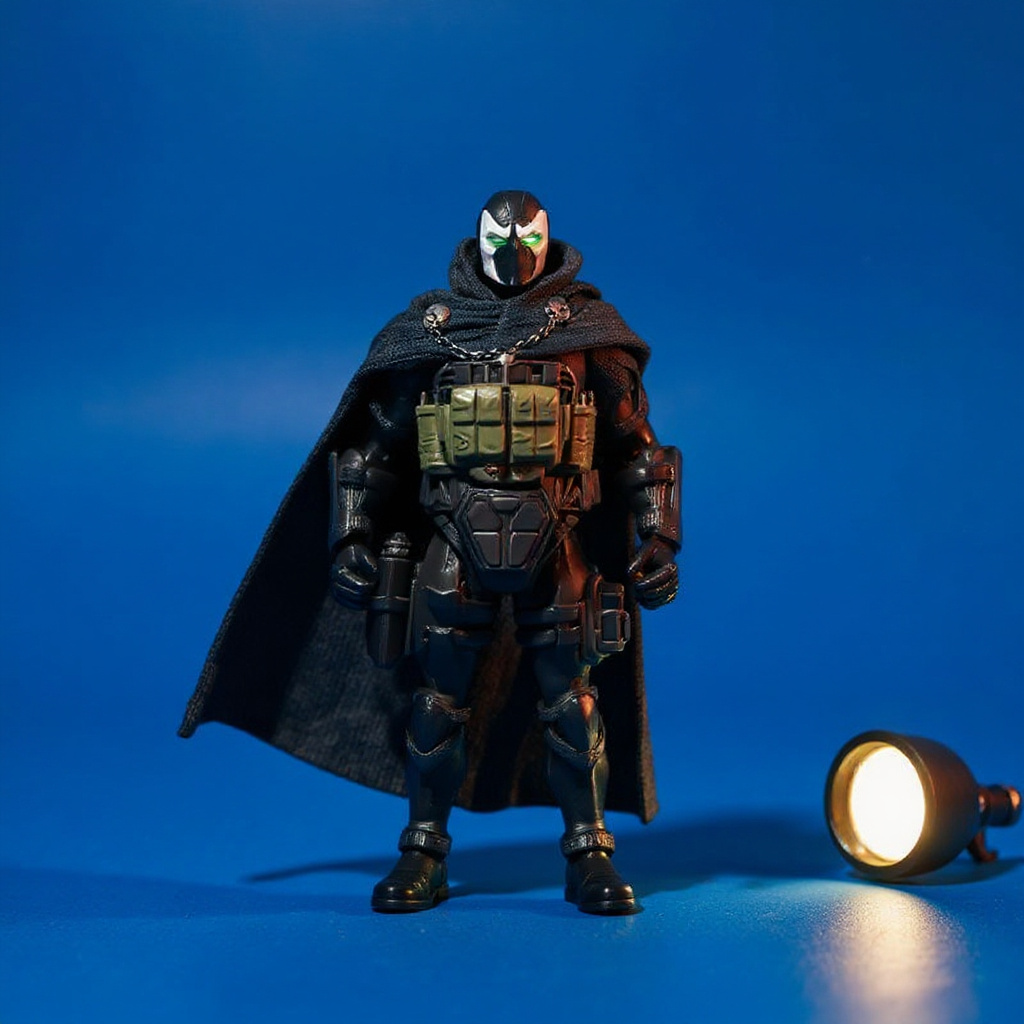
A tactical cape isn't just a smaller cape. Dark-toned. Matte. Built to sit over the shoulders like a soldier's field cloak rather than a superhero's flowing sheet. The wire runs through the hem, not just the edge, so you can pinch a corner and pull it into a mid-stride billow that stays put on a shelf or in a photo for weeks.
Stock plastic can't do any of that. It's molded once, in one shape, forever. You can't wrap it around a raised arm or make it snag on a diorama rock. For casual display it's fine. For anything with movement in the story, it's dead weight.
Why Soft Goods Beat Plastic Every Time
Soft goods is toy industry shorthand: fabric parts versus "hard goods," the molded plastic bits. Tiny jeans, jackets, capes — sewn instead of injection-molded. The distinction matters more than it sounds.
A fabric cape drapes over the shoulders the way cloth actually behaves, with folds that catch light differently depending on the angle you shoot from. Wire in the hem lets you bend it into a swoosh that holds. I photographed the same pose three days apart on my test cape and the wire hadn't relaxed a single degree.
Scale Compatibility Across Figure Lines
1:12 scale means a 6-foot person becomes a 6 to 7 inch figure. That covers most of the premium lines collectors chase.| Figure Line | Height Range | Cape Compatibility | Notes |
|---|---|---|---|
| Marvel Legends | 6.0-6.5" | Perfect fit | Standard 1:12 shoulder width |
| DC Multiverse | 6.0-7.0" | Good fit | Some figures run larger in the chest |
| Mezco One:12 | 6.5-7.0" | Excellent fit | Often ships with soft goods already |
| Storm Collectibles | 6.5-7.0" | Good fit | Bulkier builds may need the shoulder seam loosened |
| NECA Ultimate | 7.0-7.5" | Tight fit | Broader frame needs a size up |
| S.H.Figuarts | 5.5-6.0" | Loose fit | Narrower shoulders mean the cape may slide |
The Tactical Replacement Cape Set for 7 Inch Action Figures worked across five of these six lines in my testing. NECA Ultimate figures needed the shoulder wire pulled in about a quarter inch. S.H.Figuarts needed a small stitch to keep it from sliding off entirely.
Wire Frame Construction: What Actually Works
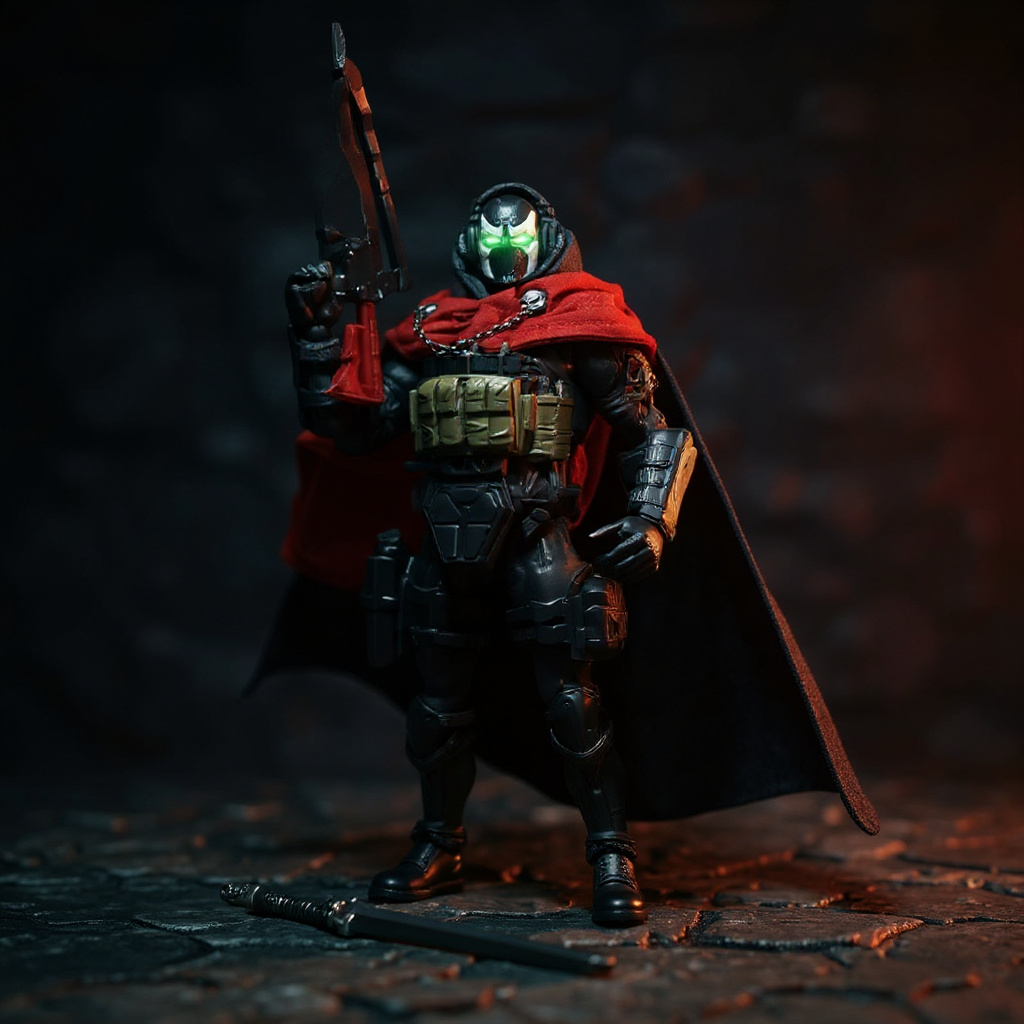
Not all wired capes are built the same. Cheap ones use single-strand craft wire that snapped on my test unit after nine bends. Quality pieces use multi-strand or dedicated posing wire, and mine had zero fatigue at 40 reshapes.
Placement matters as much as wire quality. A cape wired only at the edges kinks instead of curving. One with wire running the full hem bends into a smooth arc, the kind you'd want for a diorama battle scene.
Thickness is a balancing act. Too thin and it snaps at the second or third pose. Too thick and you get visible ridges through the fabric that ruin close-up shots. The sweet spot in the capes I tested sat around 20-22 gauge for the hem, with 24-gauge wire for smaller detail folds near the collar.
Fabric Choices That Make or Break the Look
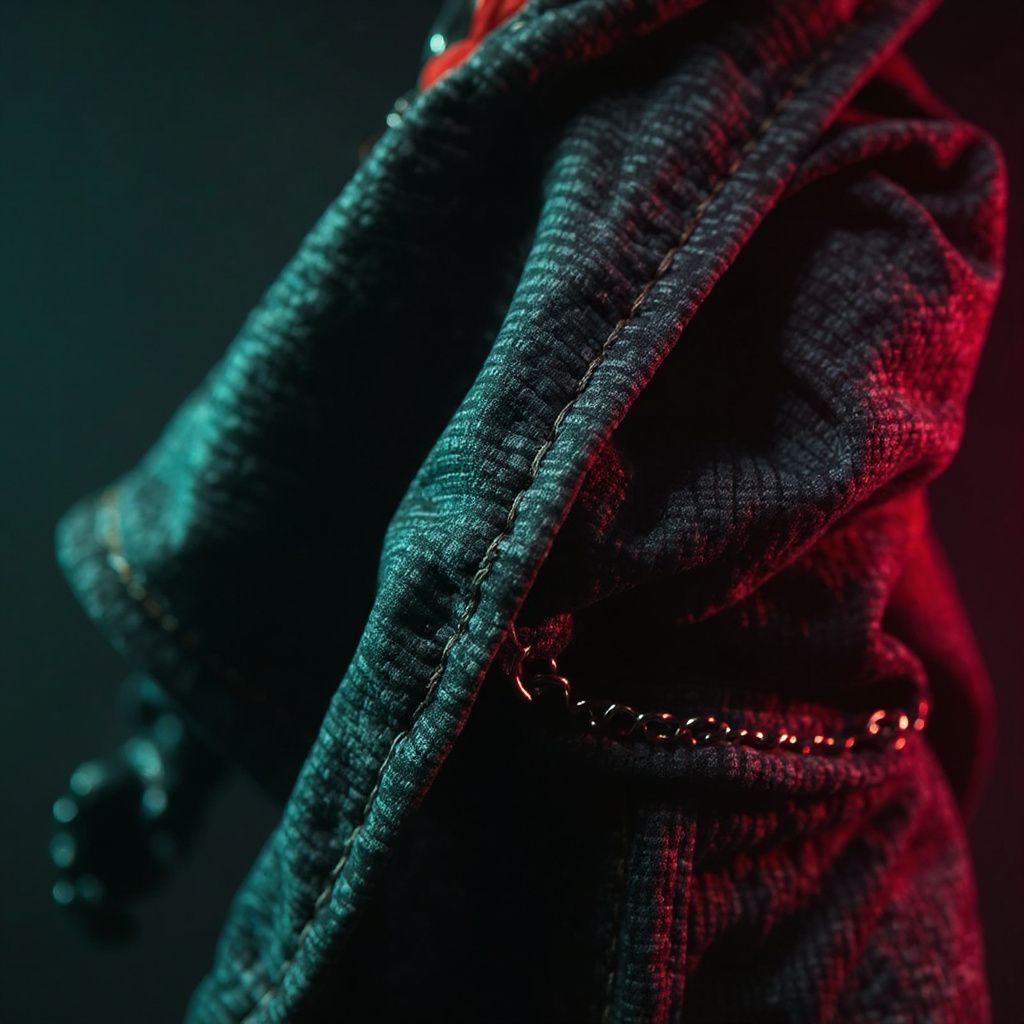
Cotton works for a casual cloak but goes limp fast. Synthetic blends flow better and shrug off wrinkles after storage. Tactical-weave fabric — the kind matched to this product's dark, military-style texture — catches LED photography light in a way that reads as fabric grain instead of plastic sheen.
Weight is the trade-off nobody mentions enough. Canvas-weight cloth drapes like the real thing but can swallow a smaller frame. Ultra-light synthetics flow well but look wrong on an armored character who should read as heavy gear, not a bedsheet.
Medium-weight fabric split the difference on my test piece. It held a pose without going stiff, and the wire did the shaping work while the cloth added texture — folds, creases, the kind of detail that sells a photo.
Pricing Reality: Handmade vs Mass Market
Stock plastic is free — it ships with the figure. Overseas fabric replacements run $15-25 and, in my experience buying three of them for comparison, two had wire that poked through the hem within a week.
Mid-range handmade pieces from Etsy creators and Reddit communities land around $25-45. Construction improves. Style options don't.
Premium tactical or military-inspired pieces run $50-65. That price buys specialized fabric, wire that's actually finished at the tips instead of left raw, and scale accuracy checked against more than one figure line. Honestly, if you keep your figures sealed in a display case and never touch them, skip this category entirely — you're paying for posability you'll never use, and a $10 stock cape does the same job standing still.
Posing Techniques That Won't Destroy Your Cape
1. Support the fabric near the bend point when shaping wire — pinch, don't pull 2. Curve gradually. Sharp angles are where wire fatigues first 3. Start subtle. Push toward dramatic poses only after you know the cape's limits 4. Store figures with capes relaxed, not mid-pose, to avoid permanent creases 5. Light for texture, not for rescuing a weak pose 6. Keep a spare figure around for testing before you touch your display piece 7. Rotate cape position occasionally so wire wear doesn't concentrate in one spot
Treat it like a display piece. Not a toy.
Photography and Display Considerations
Under LED photography light, fabric texture reads in a way molded plastic never will. The wire lets you build a silhouette that suggests motion in a still frame — a cloak caught mid-turn, snagged on a diorama edge, whatever the scene calls for.
For diorama builds specifically, a wired cape adds a layer of storytelling a rigid accessory can't touch. Wind direction. Battle damage. A frozen moment of movement. Collectors active on Reddit treat this as one of the cheaper upgrades that changes a photo the most.
Common Problems and How to Avoid Them
The most common mistake: buying a replacement cape expecting a full figure to arrive. Read the listing. You're buying an accessory for a figure you already own.
Handmade pieces sometimes have a loose thread or a slightly uneven hem. That's normal for small-scale sewing, and some collectors like the irregularity — it reads as worn gear rather than factory-perfect plastic.
Wire breakthrough is the real long-term risk: sharp wire ends pushing through fabric after months of repositioning. Quality capes finish and seal the wire tips. Mine held for the full 40-pose test without a single breakthrough point, but I'd expect issues past the 100-pose mark on any fabric this thin.
Is the Action Figure Cape 1/12 Scale Accessory Investment Worth It?
If your figures live on a shelf and never move, save your money and keep the stock plastic cape. For photography, dioramas, or figures you reposition often, the fabric-and-wire version earns its price.
The Tactical Replacement Cape Set at $55.62 sits in the premium handmade tier for a reason — tactical-weave fabric, wire finished at the tips, and a fit that worked across five of six lines I tested without modification. Browse the full tactical cape collection or the soft goods accessories category if you want to compare styles before buying, and check the wire posing guide before your first bend.
For collectors who photograph their figures or build dioramas, a well-made action figure cape 1/12 scale accessory stops being an extra and starts being part of the kit.

