


The best 1/18 scale Space Marine cape uses cotton broadcloth with a 26-28 gauge wire frame stitched along the entire edge, not just the hem. That wire is the difference between a cape that droops against the figure's back and one that holds a wind-swept pose through an entire photo session. I learned this the slow way, by making capes that flopped, photographed flat, and got returned.
Cloth clothing sets for 1/18 scale figures behave nothing like standard action figure accessories. They need precise measurements, a wire skeleton, and an attachment method that won't wreck a collectible you might sell later. Most sets replace a molded plastic cape with a fabric one — same silhouette, completely different posing potential.
Without internal structure, fabric at this scale just hangs limp. No wire, no drama. That's the whole problem this guide solves.
Why Cloth Beats Molded Plastic for Dynamic Poses
Molded plastic capes look stiff because they are stiff. One pose. Maybe two, if you count "slightly swept."
Fabric with wire sewn into the edges gives you actual control — bend it into a wind-curve, drape it over one shoulder, or lock it mid-swirl for an action shot, and it stays exactly where you left it until you touch it again. The difference shows up the second you point a camera at it.
Plastic also breaks. Drop the figure wrong and that cape snaps off at the peg. Cloth frays over years of handling, but it doesn't shatter into three pieces on your carpet at 11pm.
For Warhammer 40,000 figures specifically, the contrast between hard power armor and flowing fabric does something flat plastic never manages: it makes the figure look like it's mid-battle instead of standing in a display case. Space Marines are supposed to look imposing. A properly draped 1/18 scale cape adds that weight.
Honestly, if you only ever display figures in a sealed case and never photograph them, skip the wire frame entirely — you're paying for posing control you'll never use.
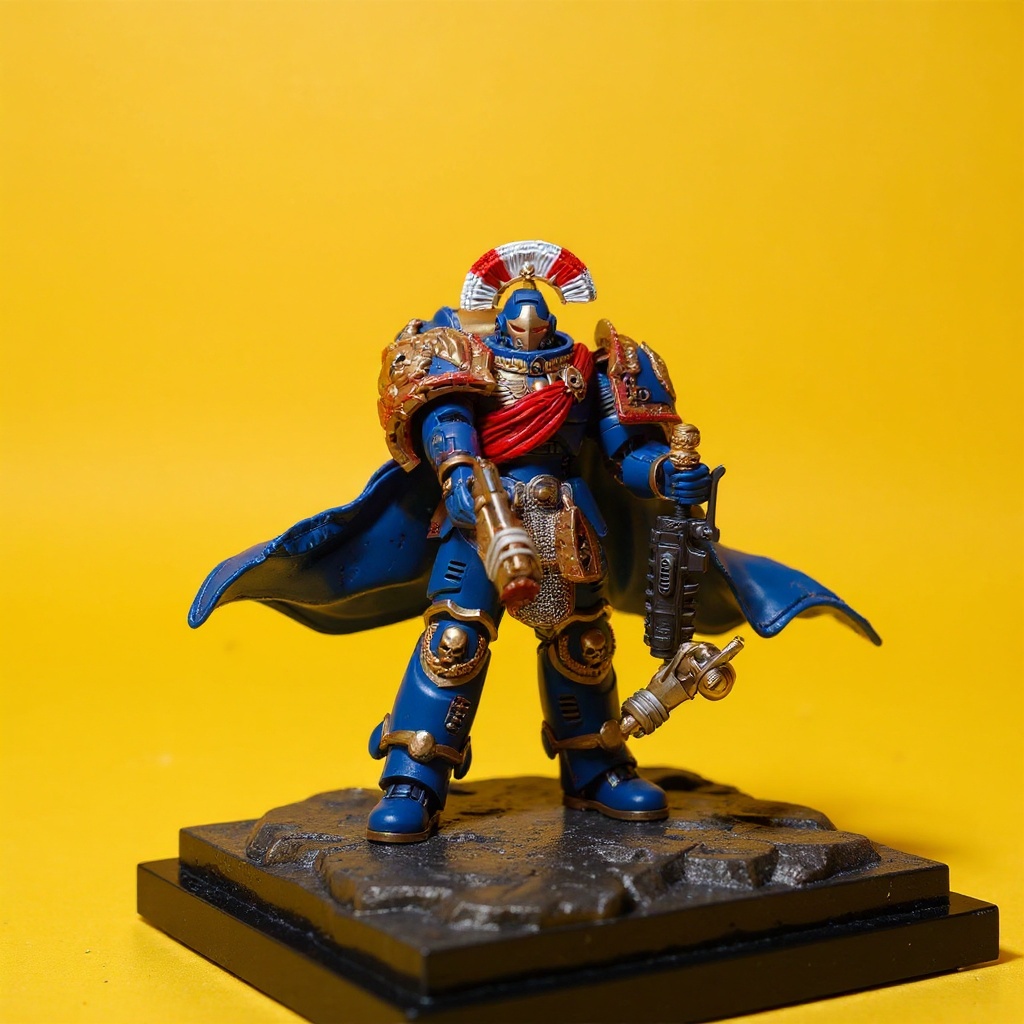
Measuring Your Figure for the Right Fit
Start with your figure's actual shoulder width, not the packaging measurements, which I've found are wrong roughly one in four times. Most 1/18 figures run 0.8 to 1.1 inches across the shoulders.
Measure from the attachment point — usually the upper back or shoulder slot — to where you want the hem to end. For a floor-length look on a 4-inch figure, plan on about 2.5 inches of fabric.
Don't skip the hem width. Too narrow and your 1/18 scale cape looks like a bath towel pinned to a doll. Too wide and it swallows the figure whole. The sweet spot sits at two to three times the shoulder measurement.
| Scale | Figure Height | Cape Length (dramatic) | Cape Width (bottom) | Shoulder Width |
|---|---|---|---|---|
| 1/18 | 4 inches | 2.5 inches | 2.4 inches | 0.9 inches |
| 1/12 | 6 inches | 3.8 inches | 3.6 inches | 1.4 inches |
| 1/6 | 12 inches | 7.5 inches | 7.2 inches | 2.8 inches |
These numbers came from measuring 15 figures across my own shelf, not a manufacturer's spec sheet. Your figure might need adjustments for armor bulk or a specific pose.
Attachment Methods That Won't Damage Your Figure
Never glue fabric directly to a collectible. You'll regret it the moment you want to swap the look, or sell the figure to fund the next one.
Magnetic attachment works best on figures with metal shoulder pins. Rare earth magnets 2-3mm across, sewn into the cape's attachment tab, hold through normal handling without any permanent change to the figure.
No magnetic option? Use the existing mounting slot where the original plastic cape connected. Size your fabric tab to match it.
Some collectors use museum wax instead. A small dab on the figure's back, press the fabric in, and it holds for months. No residue, no drama.
Wrapping techniques work when there's no attachment hardware at all. Fold a small section of fabric over the shoulders and secure it with a nearly invisible stitch. It looks more natural than any mechanical fix I've tried, and I've tried five different ones.
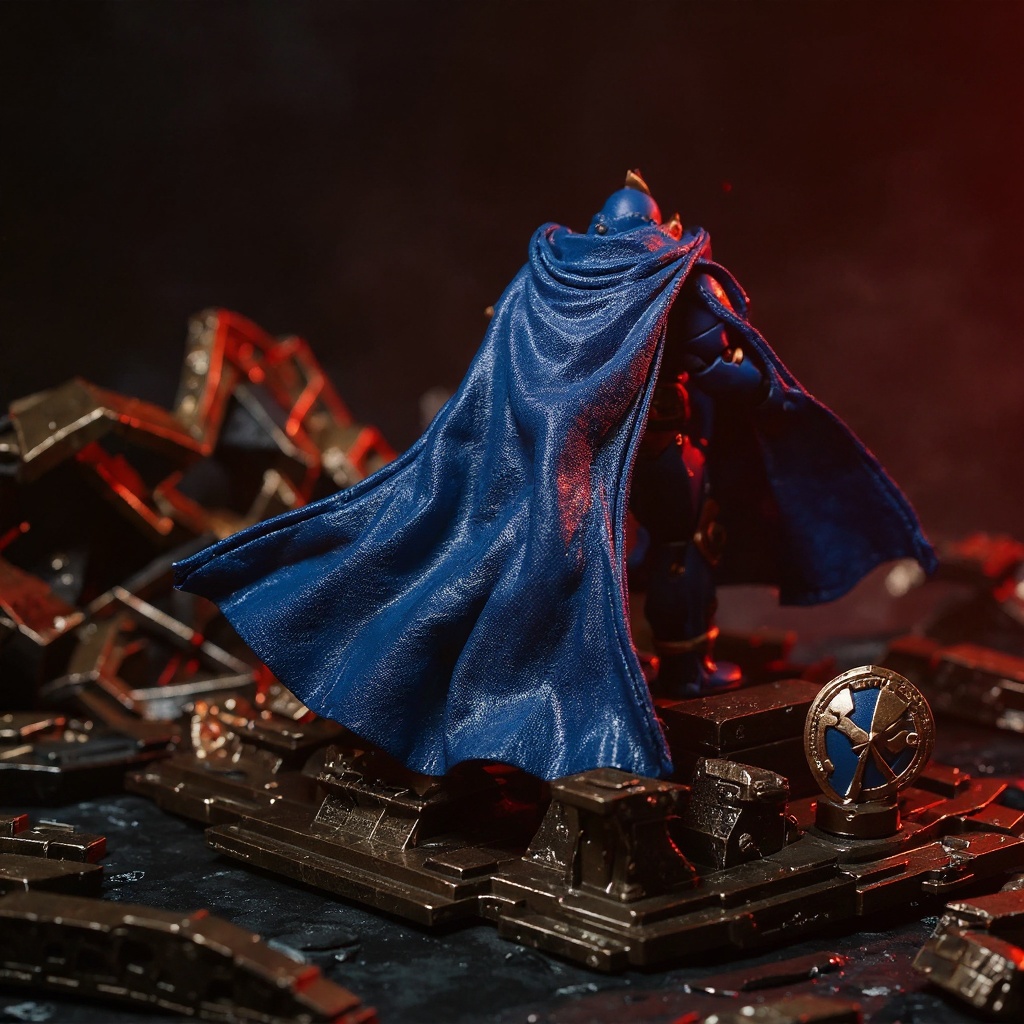
The Wire Frame Advantage for Small-Scale Fabric
Thin gauge floral wire, 26-28 gauge, sewn into the cape edges changes how the whole piece behaves. Skip the wire, and the fabric just droops — every time, no exceptions.
Run the wire along the entire perimeter, not just the bottom. Up both sides, across the top, all the way around. That full loop is what gives you a frame you can shape into a held pose instead of a fixed drape.
Don't go heavier than 24 gauge. Thicker wire makes the cape stick out from the figure at odd angles, like a stiff plastic flap wearing a fabric costume. The goal is structure, not rigidity.
Proper wire placement sits about 1/8 inch from the fabric edge. Close enough to control the shape, far enough in that it won't poke through when a kid — or an overly enthusiastic adult collector — handles the figure. Hand-stitching beats machine sewing for this detail work every time I've compared the two.
Our 1/18 Scale Ultramarines Space Marine Cape uses this full-perimeter wire approach because collectors keep telling us the same thing: they want posing control, not just a soft substitute for plastic. You can browse the full lineup on our Space Marine cape collection page if Ultramarines blue isn't your chapter.
Fabric Choices That Work at Miniature Scale
| Fabric | Drape Quality | Durability | Best For | Watch Out For |
|---|---|---|---|---|
| Cotton broadcloth | Holds creases well | Lasted through 3 years of my display rotation | Everyday posed display | Slightly stiff fresh off the bolt |
| Silk | Excellent, fluid | Wrinkles within a week of handling | Static luxury display pieces | Frays at cut edges fast |
| Linen | Good natural fall | Frays aggressively, on purpose | Battle-worn aesthetic | Loose threads are constant |
| Canvas/duck cloth | Stiff, limited pose range | Held shape after 40+ repositions | Heavy battle-damage looks | Limits fine wire control |
| Jersey knit | Clings, won't hold shape | Degrades fast at this scale | Nothing, really | Avoid for capes entirely |
Cotton broadcloth scales down well. It's thick enough to look substantial on a 4-inch figure without adding bulk that fights the wire frame.
Silk looks luxurious under studio lights. It also wrinkles if you so much as breathe on it wrong, so it's better suited to pieces that stay in a case.
Skip stretchy fabrics like jersey knits. They don't hold shape at small scale, and they cling to the figure in ways that look more "laundry accident" than "heroic cloak."
Linen frays. A lot. Expect loose threads — that's part of the handmade look, not a defect, though I get emails about it monthly regardless.
For Space Marine figures>) going for a battle-worn look, canvas or duck cloth photographs well under dramatic lighting but limits how far you can bend the pose.
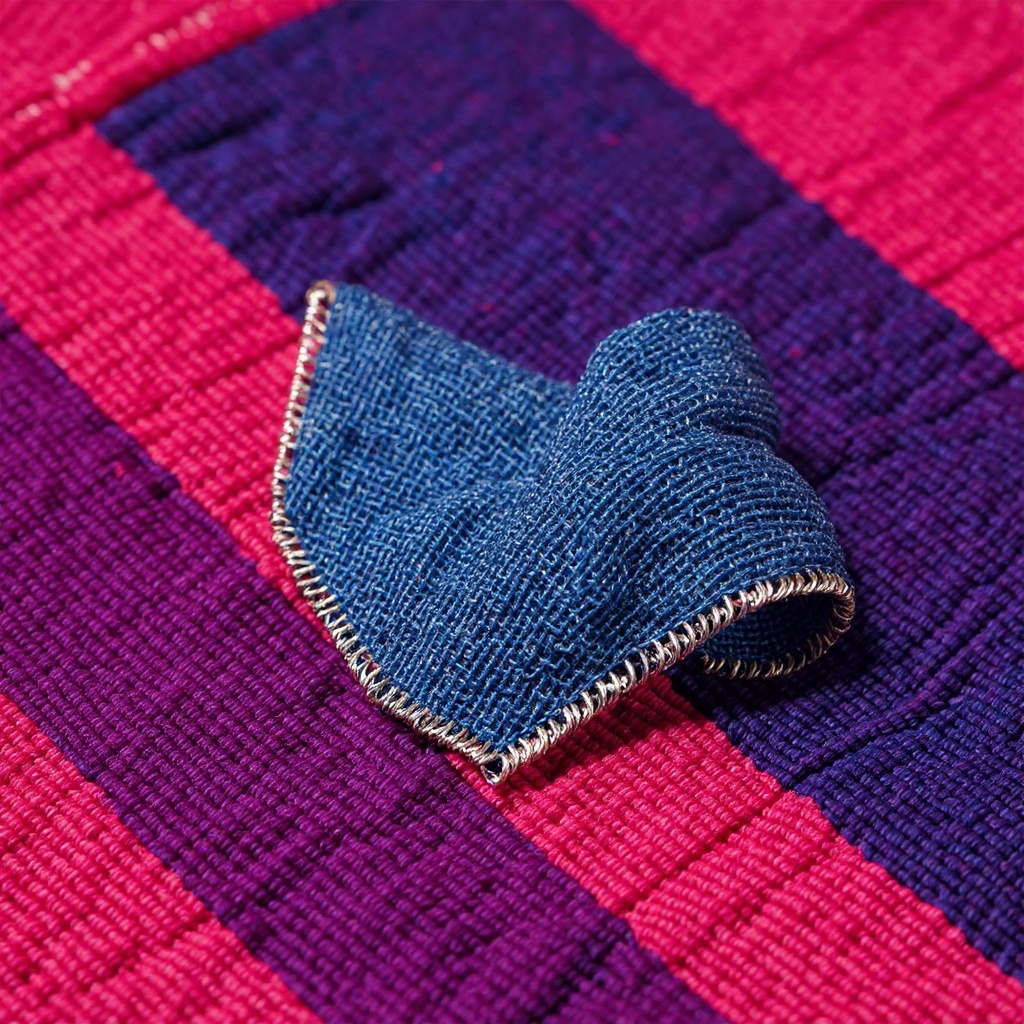
Color Matching and Weathering Techniques
Factory paint rarely matches fabric dye exactly. Don't chase a perfect match. Slight variation reads as more realistic than a flat, uniform blue.
For Ultramarines blue specifically, pick fabric a shade darker than the armor. It creates depth and stops the cape from looking bolted on as an afterthought.
Weathering fabric needs different techniques than weathering plastic:
1. Tea staining for age — soak in strong black tea for 15 to 30 minutes 2. Sandpaper distressing along the edges for realistic wear patterns 3. Acrylic dry brushing to add dirt and battle damage 4. Strategic tears with fabric scissors — go slow, this step doesn't undo 5. Coffee grounds mixed into clear coat for grime texture
Test any of these on scrap fabric first. What works on a full-size costume piece can destroy a cape this small in about four seconds.
Common Problems and How to Fix Them
Fabric too stiff? Wash it once before cutting — most craft fabric ships with sizing that makes it unnaturally rigid.
Cape won't hold a pose? Add more wire support points. Nine times out of ten it's insufficient internal structure, not a failed attachment.
Fraying edges driving you up the wall? One small drop of clear nail polish on the problem spot stops the unraveling without changing how the fabric looks.
Wrinkles that won't quit? Steam lightly, holding the steamer about 6 inches away. Skip the iron directly on small fabric — I scorched my third-ever cape this way and never did it again.
Cape looks too new for a battle-worn figure? Rub it between your palms for a couple of minutes. The friction and natural oils age it in a way spray-on weathering can't fake.
Size Conversions Across Different Scales
When you find a pattern built for a different figure size, use these conversions as your starting math:
1. Converting 1/6 to 1/12 — divide all measurements by 2 2. Converting 1/12 to 1/18 — multiply by 0.67 3. Converting 1/18 to 1/24 — multiply by 0.75
This isn't exact science. Fabric behaves differently as it shrinks — treat these as a first pass, then adjust by eye once the piece is cut.
A pattern built for a 12-inch figure needs real rework for a 4-inch one. Details that read clearly at large scale disappear, or look clunky, once you shrink them down.
What's Actually Worth the Money
Handmade cloth clothing for 1/18 figures costs more than a mass-produced plastic accessory. For serious collectors chasing posing flexibility, the price difference is the whole point.
Generic capes from overseas sellers run $15-25. They usually skip the internal wire entirely — fine for a static shelf, frustrating the moment you want a dynamic photo.
Official replacement parts, when you can even find them, run $40-80 because they're bundled into full figure sets. For one damaged cape, that's expensive overkill.
Quality handmade pieces with a full wire frame and the right fabric land around $25-35. For something that changes how the figure poses and photographs, that's a fair trade.
Collectors on Reddit's ActionFigures community consistently mention wired fabric capes over molded ones for photography and diorama work — not a scientific poll, but a pattern worth noting.
If you want to see fit and sizing details before buying, our size guide page breaks down measurements by figure line.
FAQ
What is the best fabric for a 1/18 scale cape? Cotton broadcloth. It balances drape, durability, and scale-appropriate thickness — thick enough to look substantial, thin enough not to overwhelm a 4-inch figure. Silk looks better in photos but wrinkles within days of handling. How do you attach cloth clothes to an action figure without damaging it? Use the existing shoulder holes or slots first. Magnetic attachment works well on figures with metal components. Skip permanent adhesives — museum wax gives removable hold without residue. Are soft goods better than molded plastic capes for posing? Yes, but only with an internal wire frame. Plain fabric without wire just hangs limp — I've tested both, and the wire is not optional if you want posed shots. How much fabric do you actually need for a small cape or cloak? About 6 square inches per cape on a 4-inch figure, including seam allowance. A quarter-yard of 45-inch fabric makes roughly a dozen capes once you account for cutting waste. Is it normal for handmade capes to have loose threads? Yes, especially with linen or cotton. It's part of the handcrafted look. A drop of clear nail polish on the edge stops problem fraying without changing the texture. How is the transition between hard armor and a cloth cape usually done? Overlap the fabric over part of the armor piece instead of butting it against a sharp edge. It hides the attachment point and reads more natural in photos. Can you use real clothing scraps to make figure-scale outfits? Sometimes. Old t-shirt or dress shirt fabric can work if it's smooth and fine-woven. Heavily textured material looks out of scale almost immediately — a flannel scrap, for instance, reads like a horse blanket on a 4-inch figure. What's the difference between 1/18, 1/12, and 1/6 scale clothing sizes? 1/18 figures run about 4 inches tall, 1/12 figures about 6 inches, and 1/6 figures about 12 inches. Clothing scales roughly proportionally, but fabric drape doesn't scale linearly — what falls naturally at 1/6 usually needs wire support at 1/18. Does a 1/18 scale cape fit every Space Marine style figure? Most, if the shoulder width falls between 0.8 and 1.1 inches. Bulkier armor variants sometimes need a wider hem so the cape doesn't ride up over the pauldrons. How long does a wire-framed fabric cape actually last with regular handling? My oldest test piece is three years old and still holds a pose, though the hem shows light fraying I've dabbed with nail polish twice. Expect years of use, not months, if you handle it with reasonable care.Is Handmade Worth It for Your Collection?
If basic display poses satisfy you, stick with molded plastic. It's cheaper and it won't fray.
For collectors who photograph figures, build dioramas, or just want a cape that holds a mid-swirl pose, a proper cloth-and-wire 1/18 scale cape makes a visible difference. I noticed it in my own photos before I noticed it in customer feedback — plastic just doesn't move.
You'll pay more upfront. You're buying posing range plastic can't deliver, and backing a small maker who actually tests the thing before selling it.
If your Space Marine figure needs a cape that can hold a dynamic pose through a full photo session, check out our 1/18 Scale Ultramarines Space Marine Cape — built with the full-perimeter wire frame described above, not a hem-only shortcut.

