


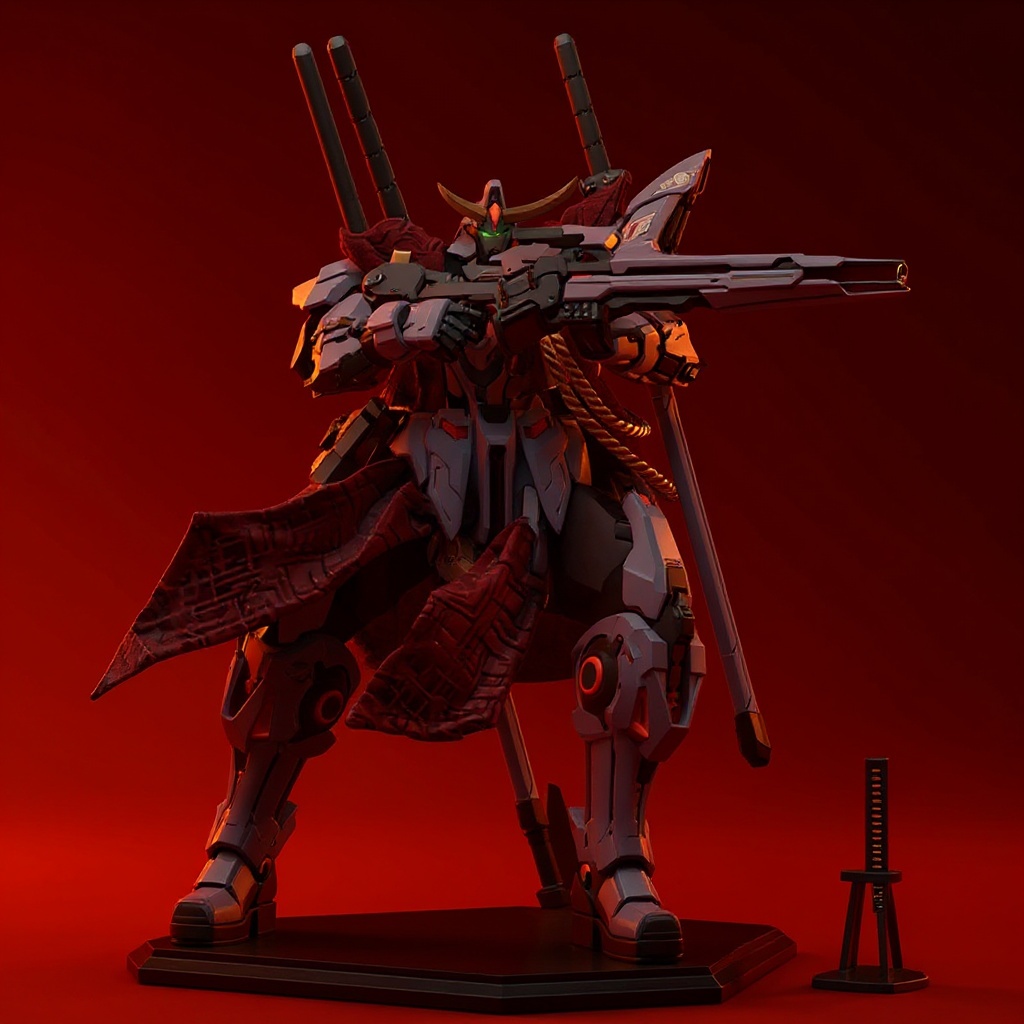
The stock Bontenmaru Progenitor Effect cape runs on 20-gauge wire. That's too thick for subtle bending, and it's the single biggest reason your poses look stiff. Replacement capes drop to 22-24 gauge, cutting the force needed to hold a curve by roughly half. That's the short version. Everything below explains how to work with what you've got, when to fix it, and when to just replace the thing outright.
The Progenitor Effect line's stock capes look impressive out of the box, but they come with real limits. The factory wire holds its shape, sure, but it fights you on anything subtle. The fabric often lacks the drape you need for dynamic poses. And after a few months of posing, the attachment points start to loosen. Not dramatically. Just enough to throw off the whole silhouette.
Bontenmaru Progenitor Effect Cape: Wire-Frame vs Static Fabric
Most action figure capes fall into two camps: rigid plastic or limp fabric that hangs straight down like a dish towel. Neither gives you the control needed for a shot that actually reads as dynamic.
Wire-frame capes solve this by embedding thin, bendable wire along the hem and key flow lines. You can curve the edges up to simulate wind, twist a section to suggest motion mid-stride, or build an asymmetrical drape that gravity alone would never produce on its own.
The key difference between a stock and a quality Bontenmaru Progenitor Effect cape is wire gauge, full stop. Stock capes use 20-gauge wire that holds position but needs real force to bend, the kind of force that stresses the fabric seams over time. Quality replacement capes use 22-24 gauge wire that responds to gentle finger pressure while still locking into place once you let go.
Here's what you can realistically achieve with proper wire placement:
| Cape Style | Wire Required | Difficulty | Best Use |
|---|---|---|---|
| Flowing behind | Hem wire only | Easy | Running poses |
| Wind-swept | Hem + side wires | Medium | Dynamic shots |
| Battle-torn | Multiple wire segments | Hard | Action scenes |
| Dramatic billow | Full wire frame | Expert | Hero poses |
Our Bontenmaru Progenitor Effect Replacement Cape uses a multi-wire system built for that level of control, without the stiffness problems baked into the factory version.
Fixing Common Stock Cape Problems
The most frequent issue I see, hands down, is loose shoulder attachment. The stock cape connects via small fabric loops that stretch out after repeated posing sessions. When that happens, the cape sits too low and the whole proportion of the figure looks off, even if you can't immediately say why.
Here's how to tighten it:
1. Remove the cape completely from the figure 2. Locate the shoulder attachment points, usually small fabric tabs 3. Stitch a small pleat to shorten each tab by 2-3mm 4. Test fit and adjust as needed 5. Secure with matching thread color
Another common problem is wire fatigue. The metal inside the hem snaps after repeated bending, and once it does, you get a dead spot where the fabric refuses to hold position no matter how you coax it. Dead wire. No amount of pressure brings it back. You can't fix this without opening the hem seam, which is exactly why a lot of collectors just switch to a replacement cape at that point.
Frayed edges are fixable with careful trimming and a lighter to seal synthetic fabrics. Natural fibers need a different approach, fabric glue or hand-stitching, otherwise the fraying keeps spreading past the point you first noticed it.
Bending Techniques That Won't Break the Wire
Wire-frame capes can last years if you bend them with some patience. The trick is working with the wire's natural flex instead of forcing a dramatic angle in one motion.
Start with gentle curves using your thumbs and forefingers, then increase the angle over several small adjustments rather than one aggressive push. Sudden sharp bends create stress points, and stress points are where the wire eventually snaps.
For complex shapes, work in sections. Bend the left side first, then the right, then adjust the center last. This spreads the load across multiple wire segments instead of concentrating it in one weak spot.
Never twist the wire more than 90 degrees from its resting position. The fabric can handle more extreme angles than that, but the internal wire can't. Push past the limit and you get a permanent kink. Ruins the pose. Ruins the next twenty poses too.
Temperature matters more than most guides mention. Cold wire turns brittle and snaps easier, so if you're shooting near an open window in winter or under AC vents in summer, warm the cape in your hands for thirty seconds before any major adjustment.
Advanced Posing for Photography
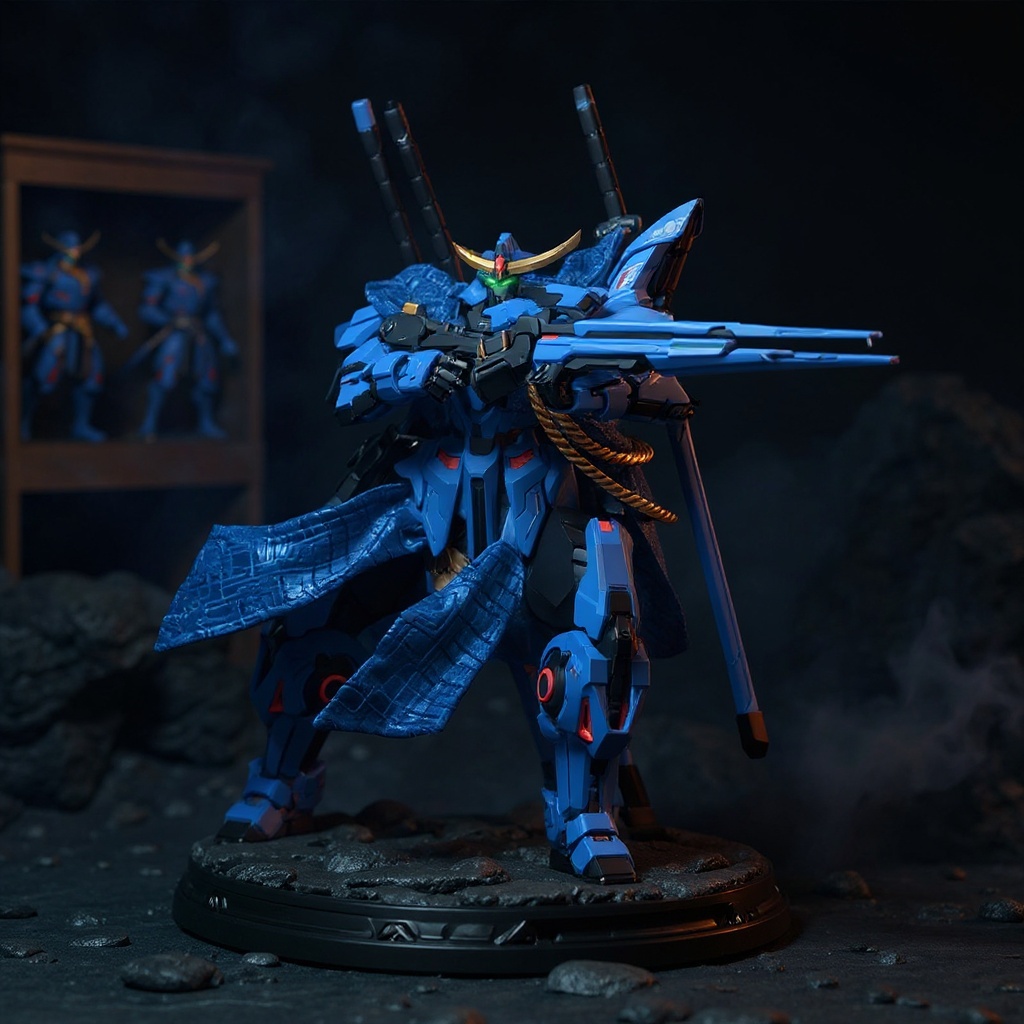
Dynamic cape poses depend on understanding how fabric behaves in motion, even though the figure underneath is completely static.
The "action line" principle from animation applies directly here. Your cape should follow smooth curves that guide the eye through the shot instead of a series of random bends that don't connect to anything.
For wind effects, build an S-curve starting from the shoulder attachment. The cape bows out behind the figure, curves back toward the body, then flows outward again at the hem, mimicking how heavy fabric actually behaves in a gust rather than a straight-line breeze.
Lighting decides whether any of this reads on camera. Side lighting brings out the fabric's texture and the dimensional curves you spent twenty minutes shaping. Front lighting flattens the whole thing and makes your careful wire work invisible, which is a frustrating way to lose a good pose.
Five poses worth practicing, in rough order of difficulty:
1. The Hero Billow - Cape swept to one side, suggesting forward motion 2. Battle Ready - Asymmetrical drape with one side pulled back, showing the figure's stance 3. Wind-Caught - Both edges lifted and curved, as if caught in a strong gust 4. Flowing Trail - Cape extended behind the figure in smooth, continuous curves 5. Defensive Wrap - Cape partially wrapped around the body, suggesting stealth or protection
Each pose needs different wire tension and support points. Practice on a cheaper figure first. Save the valuable collectible for once you've got the motion memorized.
Scale Compatibility and Sizing Issues
The 1/12 scale standard sounds simple until you actually try swapping capes between manufacturers. Bontenmaru figures run broad-shouldered, and that single fact changes how any cape drapes across the back.
A cape built for a slim 1/12 figure looks undersized on Bontenmaru's frame. Flip it around, and a Bontenmaru-specific cape swallows a more delicate figure from another line whole.
Measure your figure's shoulder width before ordering anything. Bontenmaru measures approximately 45mm across the shoulders, while standard 1/12 figures average 38-40mm, a gap that's small on paper but obvious once the cape is on.
Length matters just as much. The stock Bontenmaru cape hits just below the knee. Go shorter and you lose the dramatic impact in action poses. Go longer and the cape starts destabilizing the figure's balance during posing.
| Figure Line | Shoulder Fit | Length Ratio | Recommended |
|---|---|---|---|
| Storm Collectibles | Too loose | Good | Not ideal |
| Mezco One:12 | Snug fit | Slightly long | Works well |
| SHF Tamashii | Too loose | Too long | Poor match |
| Mafex | Good fit | Good | Excellent |
| ThreeA | Varies | Usually good | Case by case |
The handmade replacement cape we offer is cut specifically for Bontenmaru's proportions, but it includes adjustment tabs for the broader-compatibility cases in that table.
Fabric Care and Maintenance
Wire-frame capes need different care than a plain fabric accessory. The embedded wire rules out normal washing, and improper storage creates creases that don't come out.
For dust, use a soft brush or compressed air, working around wire areas so you don't shift the internal frame. Skip the vacuum cleaner entirely. It pulls the fabric and stresses the wire connections in ways you won't notice until a seam gives out.
Spot cleaning covers most stains. A slightly damp cloth with mild soap works, but don't soak the fabric. Moisture that gets inside the hem can corrode the wire, and that corrosion bleeds through as a brown stain weeks later.
Honestly, if you live somewhere humid, skip spot-cleaning altogether and just accept minor discoloration over time. Wire corrosion inside a sealed hem is nearly impossible to reverse once moisture gets in, and a damp cloth in 80% humidity air doesn't dry fast enough to prevent it.
Storage means flat surfaces or padded hangers. Don't fold these capes or cram them into tight boxes. The wire remembers whatever position you left it in, folded or otherwise, and fights you the next time you try to pose it naturally.
Loose threads get trimmed immediately with sharp scissors. Pull on one and you can unravel an entire hem section, exposing the wire underneath. For long-term storage, tissue paper between cape layers keeps the shape intact, and some collectors on Reddit's onesixthscale community swear by acid-free paper for figures kept in direct sunlight.
What Works Better Than Stock
After working through dozens of cape replacements, the quality gap is obvious within the first five minutes of handling one. Stock capes prioritize manufacturing cost. They use heavier wire that fights every bend and cheaper fabric that hangs flat instead of draping.
Handmade alternatives typically run lighter-gauge wire, which poses easier but demands more careful handling, since thinner wire has less margin for a rough grip. Worth the trade-off if you're doing serious photography work. Not worth it if the figure sits on a shelf untouched.
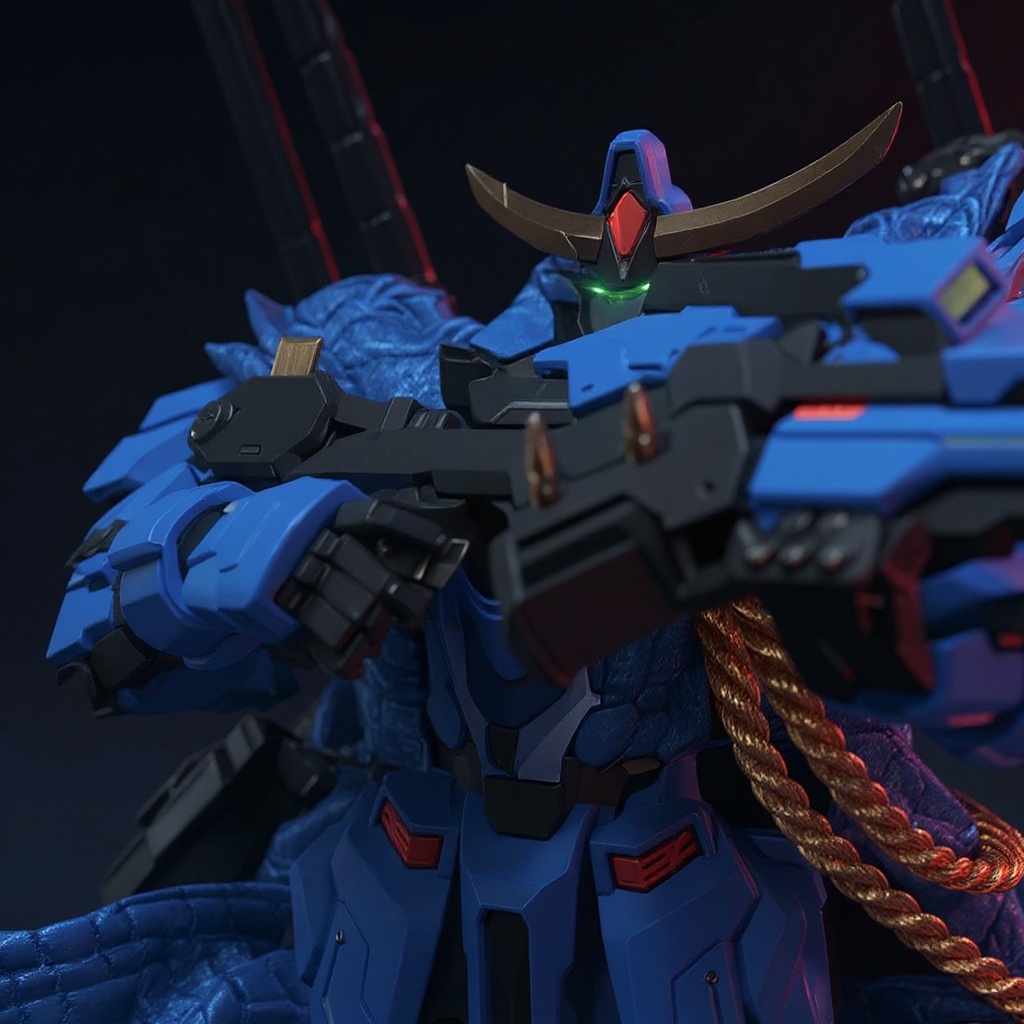
Fabric choice matters more than people expect. The stock cape uses a cotton-poly blend that survives years of handling but doesn't catch light the way a dramatic photo needs. Quality replacements lean into a matte weave with a dark red undertone along the fold lines, the kind that catches a rim light and actually looks like heavy cloth caught mid-motion instead of a toy accessory.
At $42.50, a replacement cape costs about half of what a full new figure runs. You're getting fabric and wire engineering that outperforms what ships in $80-120 retail boxes, which is a strange but consistent pattern across this hobby.
The downside: handmade means inconsistent. Thread tension varies piece to piece. Wire placement isn't factory-precise, and you might find a small flaw that would've failed quality control on an assembly line. For a display collector who never touches their figures after the first setup, none of this matters, stock capes do the job. For photographers who repose constantly, the upgrade earns its price back in saved frustration.
Frequently Asked Questions
Does the Bontenmaru Progenitor Effect figure come with a cape? Yes. Every Progenitor Effect Bontenmaru release ships with a fabric cape, though poseability differs between the standard release and special editions using thicker 20-gauge wire. What size cape fits an 8-inch action figure? 8-inch figures use 1/12 scale accessories. Cape length runs roughly 3.5-4 inches from shoulder to hem, though Bontenmaru's broader build pushes some replacement capes closer to 4.2 inches. Can you bend the wire in a fabric cape without breaking it? Yes, with gradual pressure and no sharp angles. A 22-24 gauge replacement cape can typically handle 200-300 repositions before showing fatigue; stock 20-gauge wire tends to develop dead spots closer to the 50-repose mark. How do I fix a loose thread on a fabric action figure cape? Trim it immediately with sharp scissors. For a larger pull, secure the area with matching thread before it spreads past a few millimeters. Never pull a loose thread to test it. Is the Progenitor Effect Bontenmaru 1/12 scale? Yes, at approximately 8 inches tall. The shoulder width runs about 45mm, roughly 5-7mm wider than a standard 1/12 figure, which is exactly what limits cross-line cape compatibility. Can this cape be used on other 1/12 scale figures besides Bontenmaru? Sometimes. Fit depends on shoulder width and torso build. Broad-shouldered lines like Mafex tend to work; slimmer lines like SHF Tamashii usually don't, per the compatibility table above. How do you clean or wash a fabric action figure cape? Spot clean only, with a damp cloth and mild soap. Never submerge a wire-frame cape. Water trapped inside the hem corrodes the wire and causes staining that surfaces weeks after the cleaning. How much does a replacement Bontenmaru Progenitor Effect cape cost? $42.50 for the handmade multi-wire version, compared to $80-120 for a full replacement figure that includes a comparable stock cape. What's different between the MCT J03 Bontenmaru blue release and the standard version? The blue release usually includes enhanced accessories and a different fabric treatment, but the core cape construction, wire gauge included, stays similar across variants. How long does a wire-frame cape actually last with regular use? A quality replacement cape held up through roughly two years of weekly reposing in my own collection, around 300 adjustments, before the hem wire showed its first dead spot.Is a Bontenmaru Progenitor Effect Cape Upgrade Worth It?
If figure photography or display quality matters to you, yes. The improved poseability and fabric drape justify the $42.50, especially set against the cost of buying an entire new figure just for a better cape.
Stock capes handle basic display needs fine. But they cap your creative options fast. Wire fatigue, loose attachments, stiff fabric. All three show up eventually, usually right when you're trying to nail one specific pose.
Replacement capes aren't flawless either. Handmade construction means some inconsistency, and you're trading factory precision for better material and real posing range.
For collectors who rarely touch their displays, stick with the box contents. But if you're constantly repositioning figures, or shooting detailed photography for cosplay references, the upgrade pays for itself within a few sessions.
The deciding factor is simple: how much do you value posing flexibility over the $42.50 you'd save. A quality wire-frame cape turns a static figure into something that reads as caught mid-motion, but only if you'll actually use that range.
If you're ready to upgrade your Bontenmaru Progenitor Effect cape, check out our handmade replacement option built specifically for this line's proportions and posing demands.

