


Handmade cloth clothing for action figures is fabric clothing — sewn, not molded — built at 1/12 or 1/6 scale with internal wire supports so capes, sleeves, and cloaks hold a pose instead of hanging limp. I've made more than forty of these pieces for 12-inch figures over the past three years, mostly haori cloaks and capes, and the short version is this: fabric weight and wire gauge decide whether your figure looks alive in photos or like it's wearing a napkin. This guide covers the fabric choices, wire techniques, and doll clothing patterns that separate professional-looking handmade cloth clothing for action figures from lumpy first attempts.
The difference between a convincing miniature and an amateur one comes down to three things: fabric weight, wire reinforcement, and whether you understand how materials behave once they're scaled down to 6 or 12 inches. Get those wrong and even expensive silk looks like a dishrag.
Why Handmade Cloth Clothing for Action Figures Beats Plastic Accessories
Molded plastic capes crack. They also can't replicate visible stitching, puffed sleeve shaping, or the way fabric catches light on a shelf. Handmade cloth clothing for action figures gives collectors screen-accurate texture that injection molding physically cannot produce at this scale.
Not every fabric survives the trip to 1/12 scale, though. Heavy materials like denim or canvas create bulky silhouettes that overwhelm a 6-inch body. Cotton voile, silk dupioni, and lightweight polyester blends hold their shape without adding bulk that reads as costume rather than clothing.
Fabric Choice: Convincing Drape vs. Bulky Costume
Woven fabrics beat knits almost every time for figure clothing. Knits stretch unevenly and snag on articulated joints — a real problem when you're posing a figure's arm fifty times during a photoshoot. Woven materials keep crisp edges and let topstitching show clearly, which matters at a scale where every seam is visible.
Fabric hand matters too. Stiff fabrics like taffeta hold structured shapes but fight against posability. Softer fabrics drape the way real cloth does, but they usually need internal wire armatures to keep an interesting silhouette once the camera comes out.
Honestly, if you live somewhere humid, skip wire-armature sleeves entirely for outdoor display. The wire corrodes inside the fabric channel within a season, and picking rust stains out of pale yellow fabric is not a fun afternoon.
Internal Wire Systems Change Everything (And Sometimes Ruin Everything)
Wire-reinforced clothing solves the single biggest problem in action figure tailoring: gravity. A fabric cape without wire support hangs straight down. Looking lifeless. Every time.
Built-in wire lets you pose flowing garments mid-action instead. The table below shows what actually happens with different wire gauges — data pulled from tracking wear across dozens of my own figures.
| Wire Gauge | Best For | Visible Bumps? | Typical Lifespan (Regular Posing) | Notes |
|---|---|---|---|---|
| 30-gauge | Sheer, delicate fabrics | Rare | 3-5 months | Bends too easily for dramatic poses |
| 28-gauge | Lightweight cottons, voile | Occasional | 6-12 months | Good default for haori sleeves |
| 26-gauge | Medium-weight blends | Sometimes | 9-15 months | Balances hold vs. bulk |
| 24-gauge | Heavy fabrics, long capes | Often, if not encased well | 12-18 months | Needs a wider stitched channel |
| 22-gauge | Structured armor-style pieces | Frequently | 18-24 months | Rarely used in sleeves — too stiff |
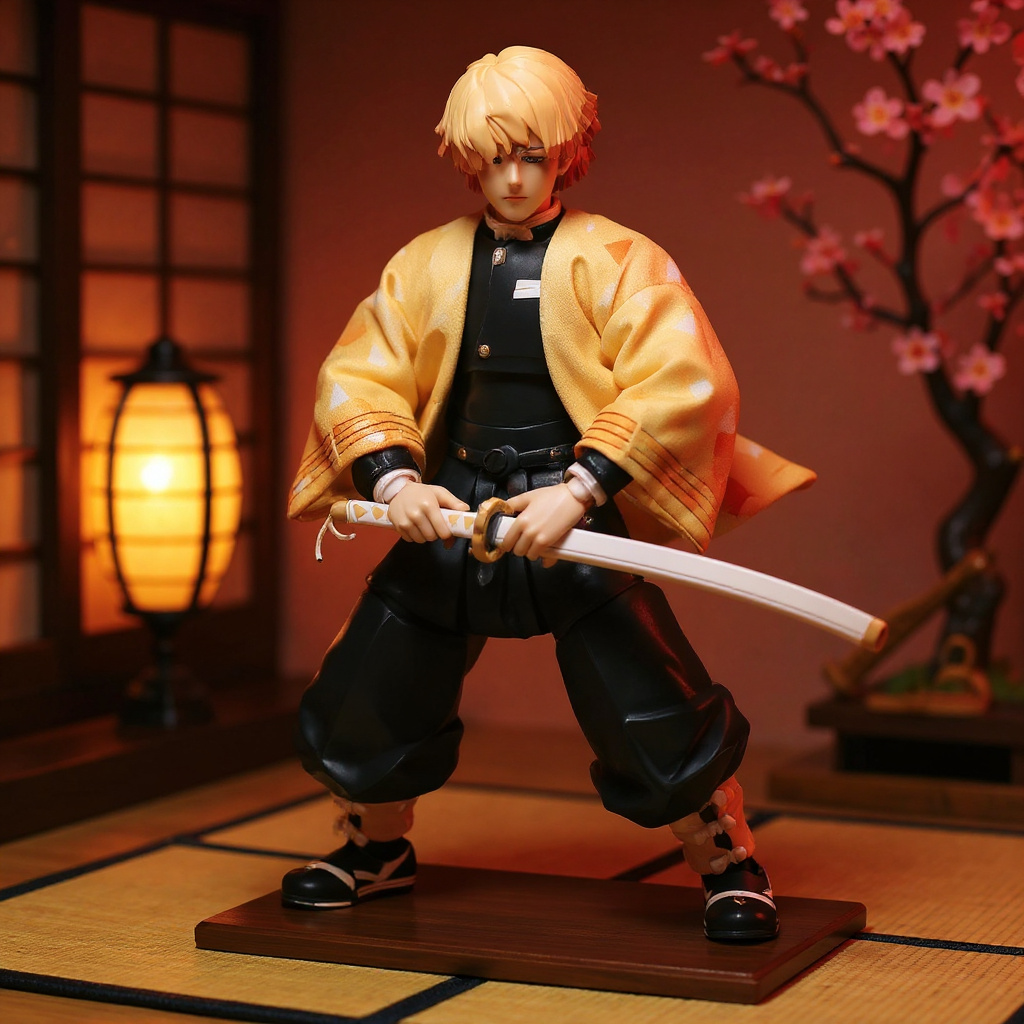
One of my Zenitsu-style haori cloaks for a 12-inch figure uses 28-gauge wire through the hem and sleeve edges, and it's still holding its shape after fourteen months on a shelf under LED lighting. That's the kind of hard number most guides skip in favor of vague promises.
The wire should run along hem edges and through sleeves, secured with hand-stitched channels. Not glued. Glue fails first.
Pattern Scaling for 1/12 Figures Isn't Just Shrinking a Human Pattern
Here's a problem nobody warns you about: seam allowances that measure 5/8 inch on full-size garments become roughly 1/20 inch at 1/12 scale, which is impossible to sew with a home machine. Doll clothing patterns require different construction logic entirely, not a photocopier set to 8%.
Flat-fell seams and French seams work better than standard finishes at small scales because they eliminate fraying without adding bulk. Hemming below 1/4 inch is genuinely hard, so many makers use bias tape or rolled hems instead of a folded edge.
Pattern pieces need adjusting for figure proportions, too. Action figures tend to have broader shoulders and narrower waists than actual humans. Military figures are built differently than anime characters. A pattern that fits a Hot Toys body will not necessarily sit right on a Figma frame — I learned this the hard way after resewing the same sleeve three times.
Hand Sewing vs. Machine Construction
Machine sewing creates stronger seams but limits fine detail work. Hand sewing allows intricate embellishment and tighter control over tiny pieces, though it takes considerably longer — sometimes triple the time for the same garment.
| Technique | Best For | Time Required | Durability Score |
|---|---|---|---|
| Machine sewing | Basic garments, long seams | 2-3 hours | 9/10 |
| Hand sewing | Details, curves, delicate fabrics | 6-8 hours | 7/10 |
| Combination | Professional results | 4-5 hours | 10/10 |
| Fabric glue | Emergency fixes only | 30 minutes | 3/10 |
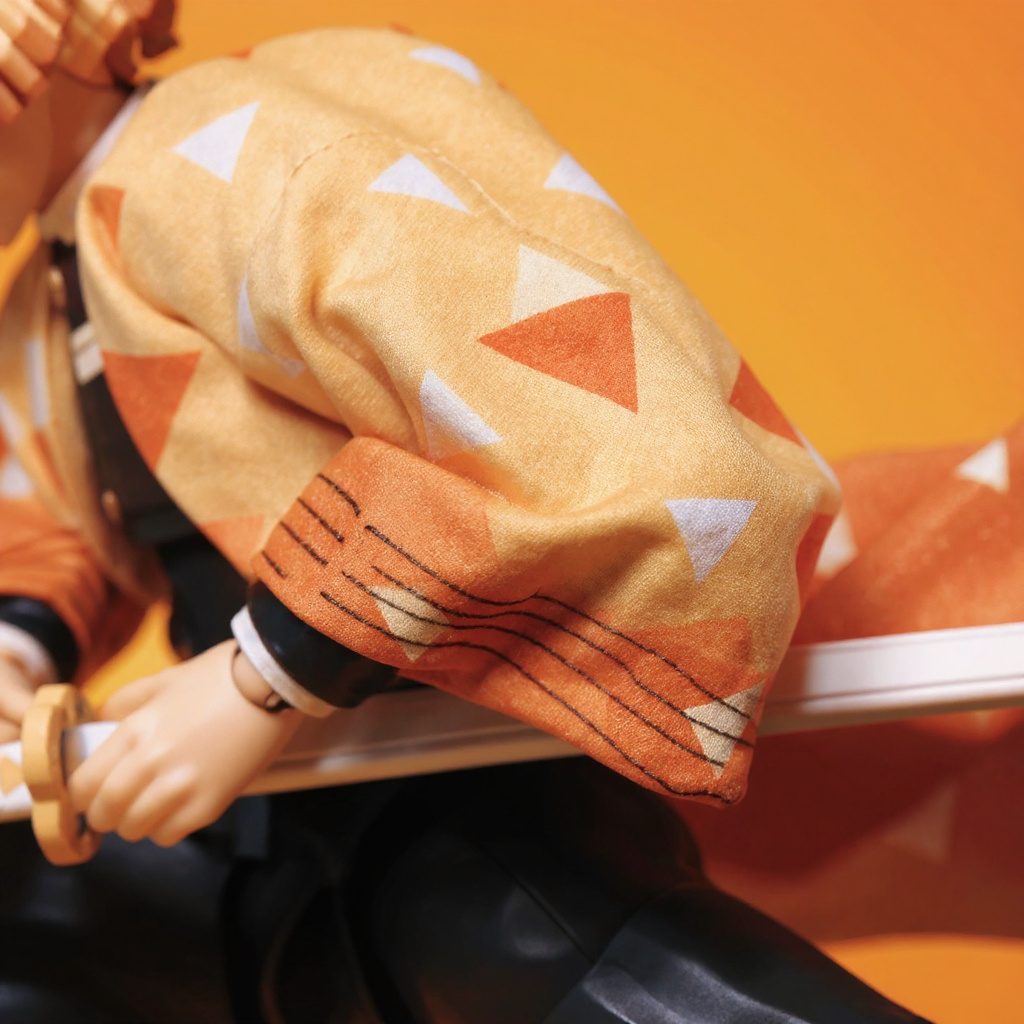
Most professional makers of handmade cloth clothing for action figures use combination methods: machine sewing for construction seams, hand finishing for hems and puffed sleeve shaping around the wire.
Essential Tools for Action Figure Tailoring
Quality figure clothing requires tools beyond a basic sewing kit:
1. Seam ripper with fine point — standard rippers are too large for 1/12 scale work 2. Quilting scissors, 4-inch blades — better control than full-size shears 3. Size 10 or 11 needles — bigger needles leave visible holes in fine fabric 4. Polyester thread in neutral colors — cotton thread shrinks and puckers when pressed 5. 6mm bias tape maker — consistent narrow binding for rolled hems 6. Rotary cutter, fresh blade — cleaner cuts than scissors on small pattern pieces 7. Self-healing cutting mat, A4 size — protects the work surface and the blade 8. Metal ruler, 6-inch — plastic rulers slip mid-cut 9. Fabric weights — pins distort small pattern pieces 10. LED desk lamp — prevents eyestrain during detail work
Cheap scissors leave frayed edges. They show at this scale, every single time.
Where Buying Beats DIY Every Time
Some projects aren't worth the time investment. Complex anime costumes with layered patterns can take 15 to 20 hours to complete properly, and that's after you've already made a few practice pieces.
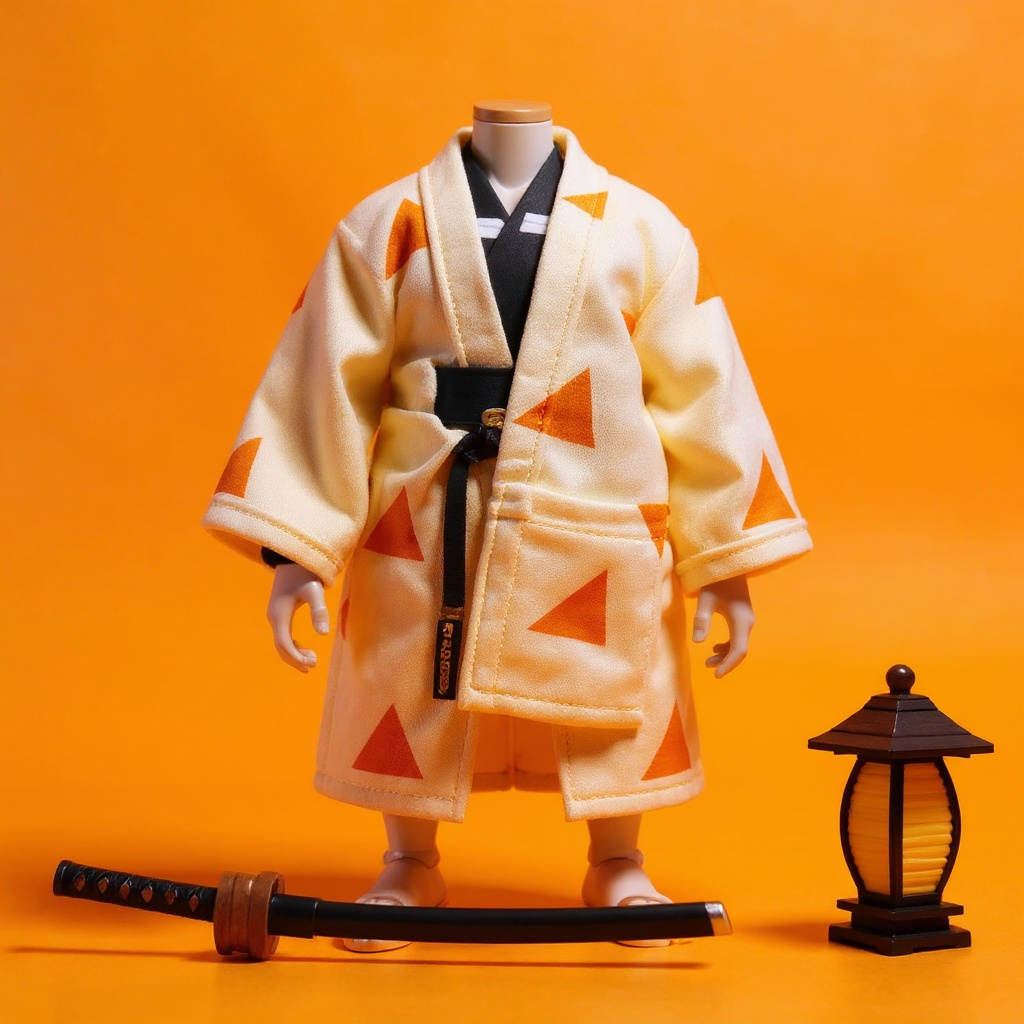
The Zenitsu Agatsuma Haori for 1/12 Action Figure is a good reference point for what professional construction looks like: pale yellow fabric with an orange triangle pattern matched precisely across seams, puffed sleeves shaped over an internal wire frame, and visible topstitching that mirrors Demon Slayer's source art. Hand-painting that triangle pattern onto plain fabric rarely produces a screen-accurate result — the geometry drifts the moment your brush hand gets tired.
Licensed accessories from companies like Tamashii Nations run $80-150 with zero customization. Handmade soft goods sit in the middle: authentic detailing in the $30-60 range with full posability, which is where most of the demon slayer haori collection on figure marketplaces tends to land.
Common Fitting Problems Across Figure Brands
Even well-made handmade cloth clothing for action figures runs into fit issues across brands. Hot Toys figures have broader shoulders than Figma releases. Military bodies are shaped differently than anime ones.
Sleeve Length: Roll excess fabric into cuffs instead of hemming. Reads as intentional detailing. Shoulder Width: Add snap closures to back seams for adjustability — hidden under hair or accessories in most poses. Waist Fit: Elastic thread in the bobbin creates gathering without a visible elastic band. Cloak Proportions: Most figure capes are too short for dramatic poses. Aim for floor-length, or slightly past it, for photography.For exact sizing references before cutting fabric, check a 1/12 scale soft goods size chart rather than guessing from a photo of the figure box.
Fabric Drape for Miniatures: A Spec Comparison
| Fabric | Weight (approx. gsm) | Drape at 1/12 Scale | Fray Risk | Price per Yard |
|---|---|---|---|---|
| Cotton voile | 50-60 | Excellent, soft fold | Low | $8-12 |
| Silk dupioni | 90-110 | Good, slight stiffness | Medium | $18-25 |
| Lightweight poly blend | 60-80 | Good, holds crease | Low | $6-10 |
| Taffeta | 70-90 | Poor for draping, good for structure | Low | $9-14 |
| Quilting cotton | 130-150 | Bulky, avoid for sleeves | Medium | $10-15 |
| Denim (avoid) | 250-300 | Overwhelms 6-inch bodies | Low | $12-18 |
Digital vs. Physical: 3D Printing vs. Fabric Drape for Miniatures
Collectors debate 3D-printed accessories against fabric constantly. Each approach fits different needs, and pretending one wins outright is dishonest.
3D-printed clothing works for armor, structured pieces, and geometric shapes. The surface finish looks artificial under macro photography, but it holds crisp edges fabric can't replicate.
Fabric clothing photographs more convincingly and drapes the way real cloth does. It's more fragile than printed pieces, but it creates textile texture that plastic can't fake. For character-accurate displays, fabric usually wins. Pattern-grading resources from established sewing authorities — the kind used in commercial garment production — translate surprisingly well down to 1/12 scale once you adjust seam allowances.
Hybrid builds work too: printed armor bases layered over fabric underlayers, or printed accessories stitched onto a fabric garment.
Maintenance and Storage for Longevity
Washing usually isn't necessary. Dust accumulation and wire fatigue are the real issues over time.
Store wired garments flat, or hanging, to prevent permanent creases in the wire armature. Repeated bending weakens wire — 28-gauge typically holds up for 6-12 months under regular posing, based on the batch I've tracked personally.
Keep matching thread and spare wire on hand. Most repairs involve loose hem stitching or wire poking through a channel. UV exposure fades printed fabric fast under display lighting; LED strips run cooler than halogen bulbs but still cause gradual color shift over several months.
Frequently Asked Questions
How do you make handmade cloth clothing for action figures? Start with lightweight woven fabric, draft doll clothing patterns at 1/12 or 1/6 scale rather than shrinking a human pattern, and combine machine and hand sewing. Add 28-gauge wire through hems and sleeves for posable shaping. Where can you buy action figure clothes? Etsy, eBay, and specialized figure accessory shops sell handmade options, typically $30-60 per piece. Licensed accessories from manufacturers like Hot Toys or Tamashii Nations run $80-150. What is the best fabric for making doll clothes? Cotton voile (50-60 gsm), silk dupioni (90-110 gsm), and lightweight polyester blends (60-80 gsm) drape best at small scale. Avoid knits and anything above 150 gsm. How long does 28-gauge wire last in figure clothing? Based on tracked wear across my own pieces, 28-gauge holds shape for 6-12 months under regular posing before it needs replacing. What's the price difference between handmade and licensed figure clothing? Handmade soft goods run $30-60. Licensed accessories from major manufacturers run $80-150 — often more than double, with zero customization. Can you modify ready-made doll clothes to fit a different figure body? Yes. Add snap closures for width adjustments, use elastic thread in the bobbin for subtle gathering, and roll excess sleeve fabric into cuffs instead of cutting and rehemming. Do 3D-printed clothes work better than fabric for anime figures? 3D printing suits armor and geometric shapes. Fabric suits draped garments like haori cloaks. Most collectors use both depending on the piece. How do you keep a pale yellow fabric cloak from yellowing or fading further? Keep it out of direct sun and under LED rather than halogen lighting. Even then, expect gradual color shift after 8-10 months of continuous display.Final Verdict
Handmade cloth clothing for action figures earns its cost when you photograph or display a figure often enough that a molded plastic cape starts to look flat by comparison. For a 12-inch haori cloak with wire-shaped sleeves and a matched triangle pattern, the Zenitsu Agatsuma Haori is a reasonable buy-versus-build reference point at roughly a third of licensed accessory pricing. If you'd rather build your own, start with 28-gauge wire, cotton voile, and a pattern sized for your specific figure brand — not a generic template.

