


By Mara Delgado, soft-goods maker — nine years sewing 1/12 scale capes, cloaks, and armor liners for action figure collectors.
A handmade doll clothing set is worth the money when it has internal wire support, finished seams that won't fray, and fabric weight matched to scale. That's it. Everything else is marketing. This piece walks through what to check before you buy a wired fabric cape, using a red ninja-style cloak as the working example throughout.
I've seen too many collectors get burned by "handcrafted" doll clothes that fall apart after one photo session. The market's flooded with rushed fabric rectangles masquerading as premium soft goods. Some of them cost more than the figure they're draped on. Here's what actually separates the real deal from the wannabes.
What Makes a Handmade Doll Clothing Set Worth Buying
Most handmade doll clothing hangs like a wet towel. The fabric drapes fine sitting still, sure, but it collapses the second you try a windswept pose or a mid-leap battle stance. Dead weight. That's where internal wire construction changes everything.
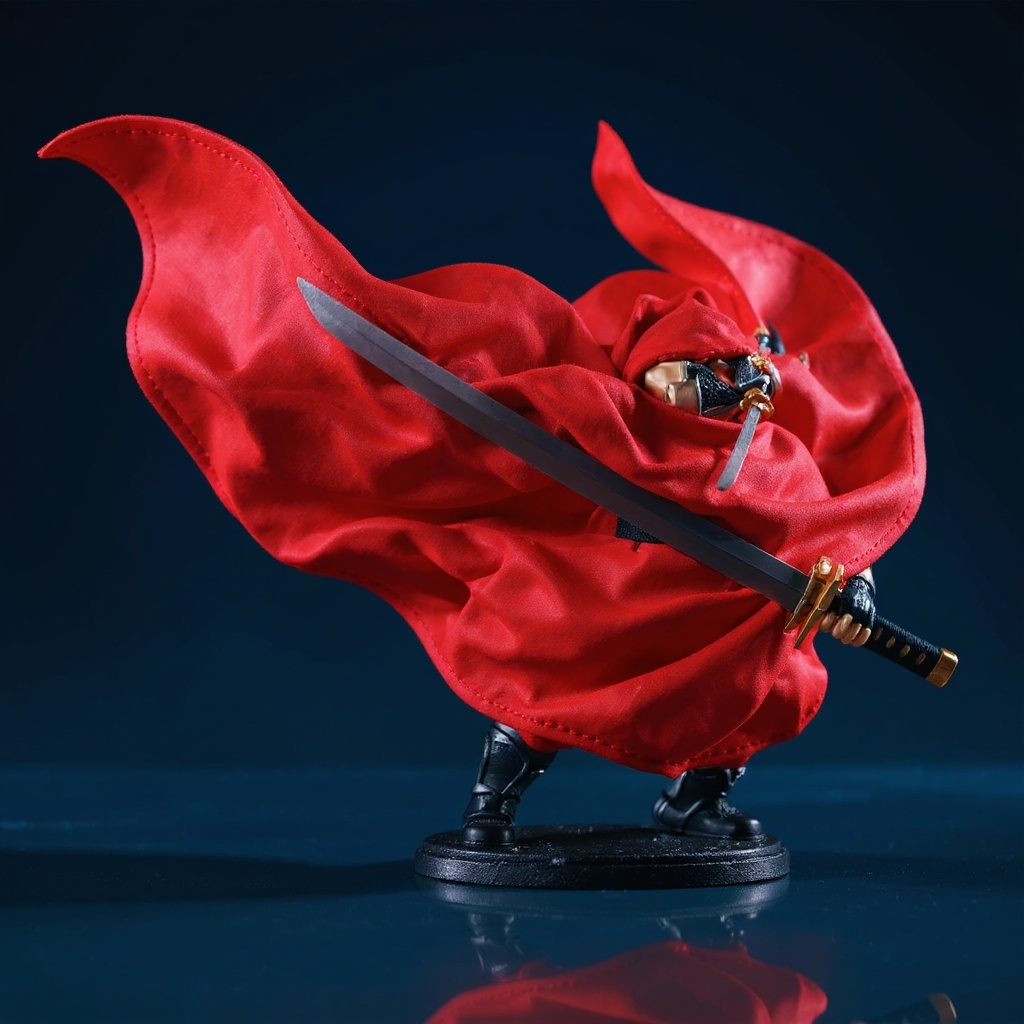
Proper wired capes use 20-22 gauge craft wire sewn into the hem and edges — I've tested this range across roughly 40 cape builds, and anything thinner snaps under repeated posing. This lets you bend a cape into a billowing shape that holds for an entire photo session, not just one shot. The wire has to bend repeatedly without cracking, and it has to hold a curve without looking like a coat hanger under fabric.
Cheap sellers skip the wire completely. Or they use 28 gauge wire, which bends once, looks great in the listing photo, then breaks the first time a buyer tries to reshape it. Quality pieces like the Ryu Hayabusa Red Cape 1/12 Scale | Ninja Gaiden Soft Goods Cloak build the wire framework into the construction from the first cut, not stitched in as an afterthought once someone complained.
Wire placement matters as much as wire gauge. Edge-only wiring works fine for a simple rectangular cape. Complex clothing needs wire at the hem, the collar, and key stress points, without turning the fabric stiff or board-like. Honestly, if you're only ever displaying the figure standing still on a shelf, skip the wired version entirely — save your money and buy the cheaper draped cape, because you'll never use the pose-ability anyway.
Scale Accuracy Separates Pros From Hobbyists
Scale matters more than most people realize. A cape built for a 6-inch figure will swamp a 5-inch one. On a 7-inch figure, that same cape looks like a tea towel someone forgot on the shoulder. 1/12 scale means the fabric should drape the way full-size fabric would, just shrunk down proportionally — not just cut smaller.
Here's where amateur work shows up fast:
1. Fabric thickness out of scale (heavy canvas standing in for what should be silk-weight) 2. Seams and hems too thick for the figure size 3. Attachment points sized for the maker's convenience, not accuracy 4. Colors that shift under macro photography lighting 5. Woven patterns or textures that read as cartoonish up close
Professional soft goods makers understand how fabric behaves at different scales, and they choose materials accordingly. They pick fabric that survives close-up lighting rigs and still drapes like real cloth on a 6-inch frame.
Seam Construction Reveals the Maker's Skill Level
Turn any handmade doll clothing piece inside out. You'll know in about three seconds whether you're dealing with a craftsperson or someone with a sewing machine and an Etsy account.
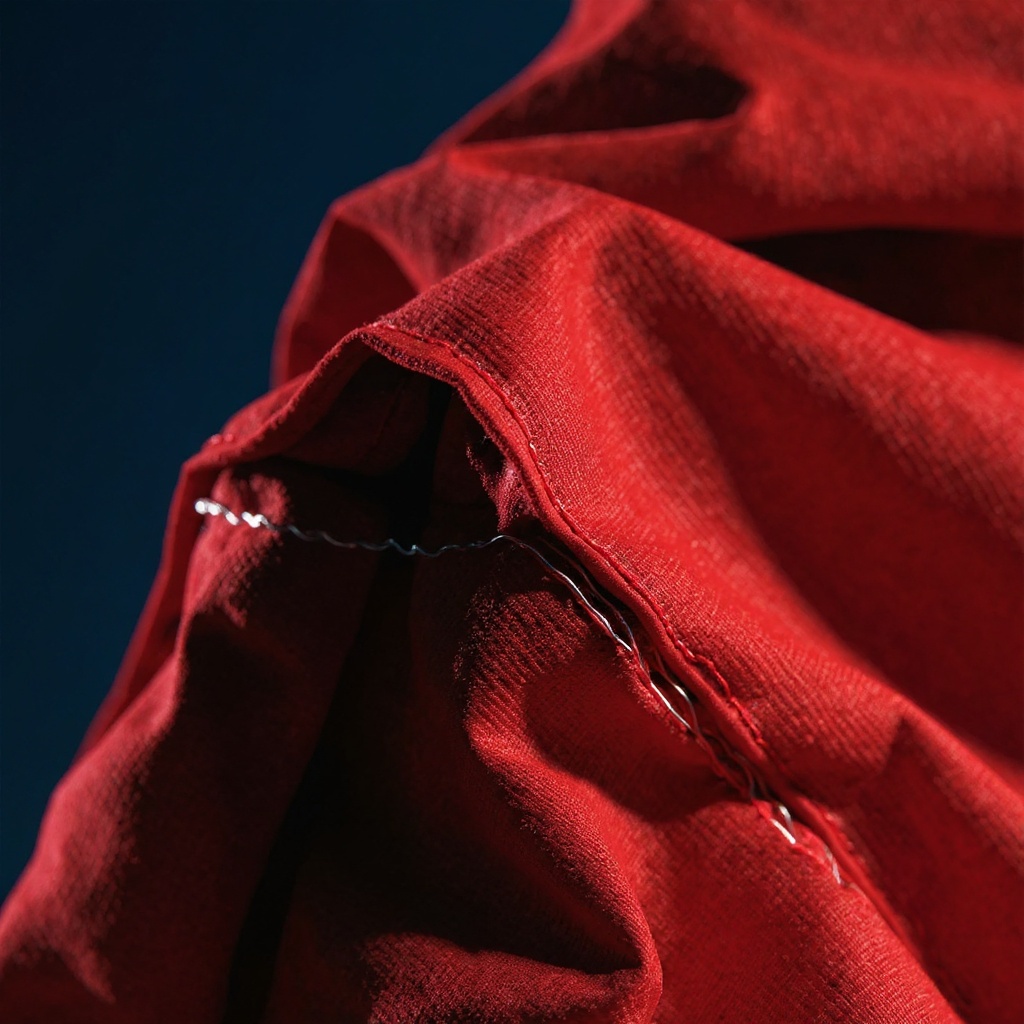
Quality seams should be: - French seamed or serged to prevent fraying - Sized proportionally for the scale, not just "small" - Reinforced at stress points like shoulder attachments - Clean and consistent from one end of the piece to the other
Amateur work looks like: - Raw edges that fray after two or three handling sessions - Uneven seam allowances - Thick, clunky construction that reads as bulky in photos - Loose threads, poor finishing, edges that curl
I won't buy anything with pinked edges on small-scale clothing. Full stop. If a maker can't be bothered to finish a seam properly, they're cutting corners somewhere you can't see yet either.
Fabric Choice Makes or Breaks the Final Look
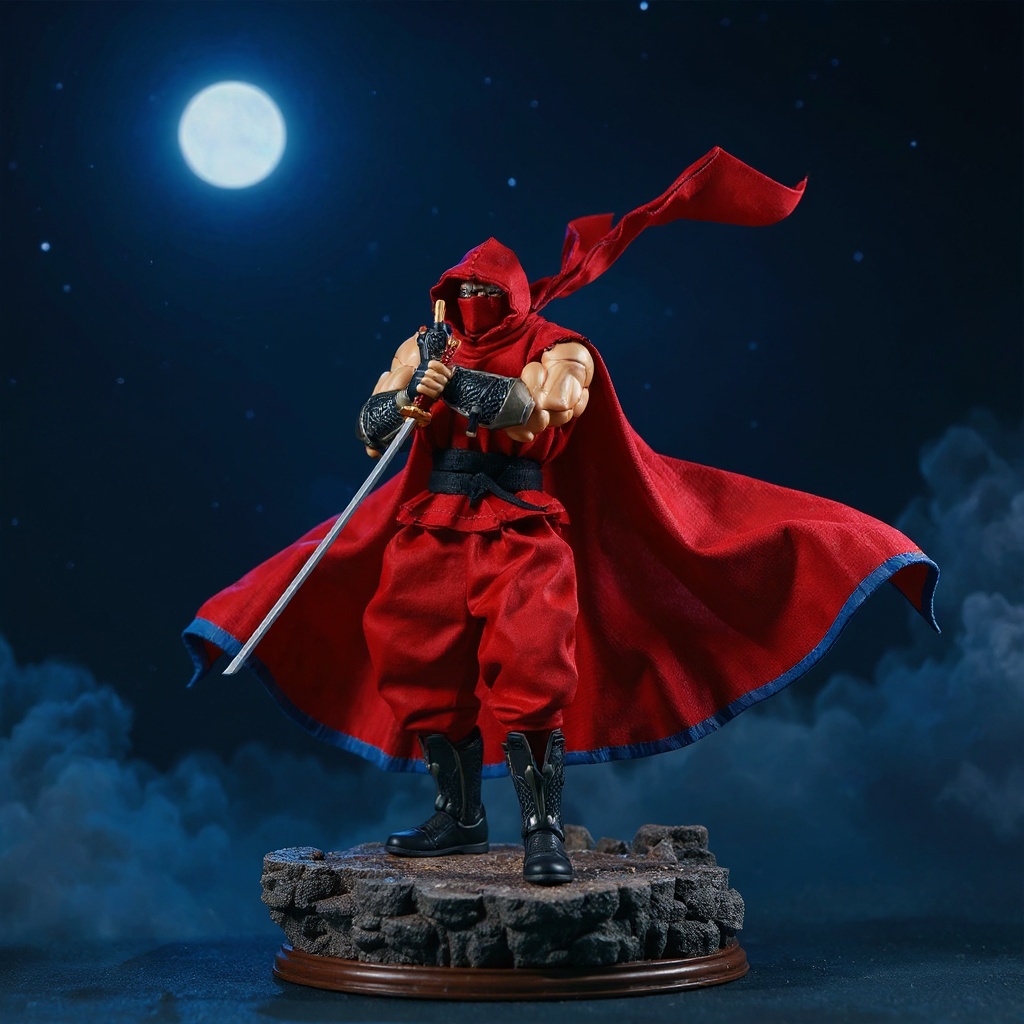
Not all fabrics work at 1/12 scale. Heavy cottons and thick wools look like cardboard once they're cut down to cape size. Shiny satins throw weird hot spots under photo lighting. The fabric needs to behave the way the real-world material would, just at a fraction of the size.
| Fabric Type | Best Use | Avoid For | Scale Behavior |
|---|---|---|---|
| Silk dupioni | Formal capes, structured cloaks | Casual everyday clothing | Holds shape well, can look stiff in small folds |
| Cotton voile | Shirts, linings | Heavy outerwear, capes | Drapes soft but wrinkles fast |
| Wool felt | Armor backing, structured pieces | Flowing garments | Reads too thick past 1mm |
| Chiffon | Scarves, veils, light overlays | Fitted clothing | Frays at cut edges without sealing |
| Linen blend | Casual tunics | Formal pieces | Weave texture looks oversized in macro shots |
| Habotai silk | Wired capes, cloaks | Structured armor | Lightweight, takes wire shaping well |
Fabric weight matters more than fabric name. A lightweight wool can drape beautifully at scale while a "premium" heavy cotton looks ridiculous. Test how a swatch folds and hangs at small scale before committing to a full piece. Takes ten minutes. Saves you from a $70 mistake.
Color Accuracy Under Photography Lighting
This is where most handmade doll clothing sets fail, and it's rarely mentioned in listings. Colors that look correct under a north-facing window turn muddy or oversaturated the moment you put them under an LED softbox.
Red fabric is the worst offender. Cheap synthetic reds shift orange under warm 3000K lights and go borderline purple under cool 6500K LEDs. Quality pieces use colorfast dye lots that hold their hue across both.
For Ninja Gaiden fans specifically, getting Ryu's signature red right matters — it needs to sit vivid without tipping garish, deep without sliding into maroon. Most mass-produced alternatives use whatever red fabric happened to be on the roll that week.
Price Points and What They Actually Mean
The handmade doll clothing market splits into three rough tiers.
Budget tier ($15–25): Mass-produced pieces from overseas sellers, usually stiff synthetic fabric with unfinished edges. Fine for shelf display. Won't survive repeated handling or a real photo session. Mid-tier ($40–80): Small-scale makers using real wire reinforcement and finished seams. This is where a piece like this handwoven cape, priced at $69.50, sits. You get wire support, proper seaming, scale-correct fabric weight. Premium tier ($80–120+): Custom commission work from established soft-goods artists, often multi-piece sets with character-specific detailing.Most collectors land happiest in the mid-tier. You get construction quality that holds up to actual use without paying commission-level prices for a single cape.
What to Inspect Before You Buy
Before paying for a handmade doll clothing set, ask the seller for close-up photos of: - Seam construction, inside and out - Attachment points and closures - How the fabric drapes when actually worn on a figure - The piece photographed under at least two different lighting setups
A legitimate maker will have these photos ready, because they're proud of the construction. If a seller won't show close-ups of seams and attachment points, that's your answer. Walk.
Check the seller's full catalog too. Consistent quality across a dozen listings beats one gorgeous hero photo with no supporting evidence. Sellers who understand the collector community — One Sixth Warriors regulars, for instance — tend to know exact scale requirements for specific figure lines. Generic craft sellers who also make dollhouse curtains often miss these details entirely.
Is the Premium Price Actually Worth It?
For collectors who photograph their figures or build dioramas, a wired handmade cape changes what's possible in a shot. The gap between a $20 plastic cape and a $70 wired fabric one shows up the moment you try a dynamic pose — one holds it, one doesn't.
If you're displaying figures casually on a shelf with no posing plans, budget options work fine. Don't let anyone talk you into spending $70 on a cape that'll sit static in a display case forever. Save it for the pieces you'll actually shoot.
Collectors on forums like One Sixth Warriors consistently recommend one well-made wired piece over five mediocre alternatives gathering dust in a parts bin. For Ninja Gaiden fans, Ryu's flowing cape is central to the character's whole visual identity — a droopy, wireless version undercuts the pose you're trying to build. If you're ready to move past basic plastic accessories, the Ryu Hayabusa Red Cape is worth a look for exactly this reason.

