


A posable cape for a collectible action figure lives or dies by one hidden detail: the wire sewn into the hemline. Bend it, and it holds. Skip the wire, and you've got a floppy rag. That's it. That's the whole game.
I've spent three years buying and testing handmade capes for my own 7-inch collection, including fifteen pieces from small-batch makers producing Chinese-style cloaks similar to the one discussed here. Some held a dramatic swoosh pose for eight months on a shelf. Others kinked after a dozen bends. The difference almost always traced back to wire gauge and fabric weight working together, or fighting each other.
Most factory capes use thin plastic that snaps back flat or creases in one spot forever. A real posable cape for a collectible action figure needs bendable wire paired with fabric that has enough body to hold a shape but not so much stiffness that it looks like a tent.
Choosing a Posable Cape for Collectible Action Figure Displays
The wire inside determines almost everything about how the cape behaves once it's on the figure. Too thick, and it's stiff as cardboard, refusing to curve around a shoulder. Too thin, and it collapses the moment you try a dynamic pose. There's a narrow band that works, and most factory-made accessories miss it entirely.
20-22 gauge steel wire hits the sweet spot for 1:12 scale figures, the category most 7-inch action figures fall into. That gauge is thick enough to support the fabric's weight but fine enough to bend smoothly around tight curves, like an elbow or a swept shoulder line. Some makers switch to 24 gauge to cut material costs. It goes limp after a few poses. I've tested this directly: a 24-gauge cape I bought in 2022 held a good pose for maybe ten sessions before the hem started drooping on one side.
Capes with no wire at all — just interfacing or a cardboard insert — look fine sitting flat in a package. They cannot do action poses. None. The fabric hangs like a wet towel the second you try anything beyond a standing display.
24-26 gauge wire works fine for lighter fabrics like silk or cotton voile, where the fabric itself weighs almost nothing. Heavier materials need 18-20 gauge, or the wire buckles under the cloth's own weight within the first few pose attempts. Basic physics, but plenty of cape makers still get it wrong.
Fabric Weight Changes Everything
The cloth matters as much as the wire, sometimes more. Heavy fabrics like wool or thick cotton need stronger wire support underneath them, full stop. Light fabrics like organza or thin silk can run on finer wire, but they won't drape with the same drama on a shelf.
Most handmade capes I've handled use medium-weight cotton or cotton blends. They strike a balance between holding up to repeated handling and still posing well. Synthetic fabrics feel cheap under the fingers and don't age the way natural fiber does — mine started pilling and developing a faint shine after about six months of occasional handling.
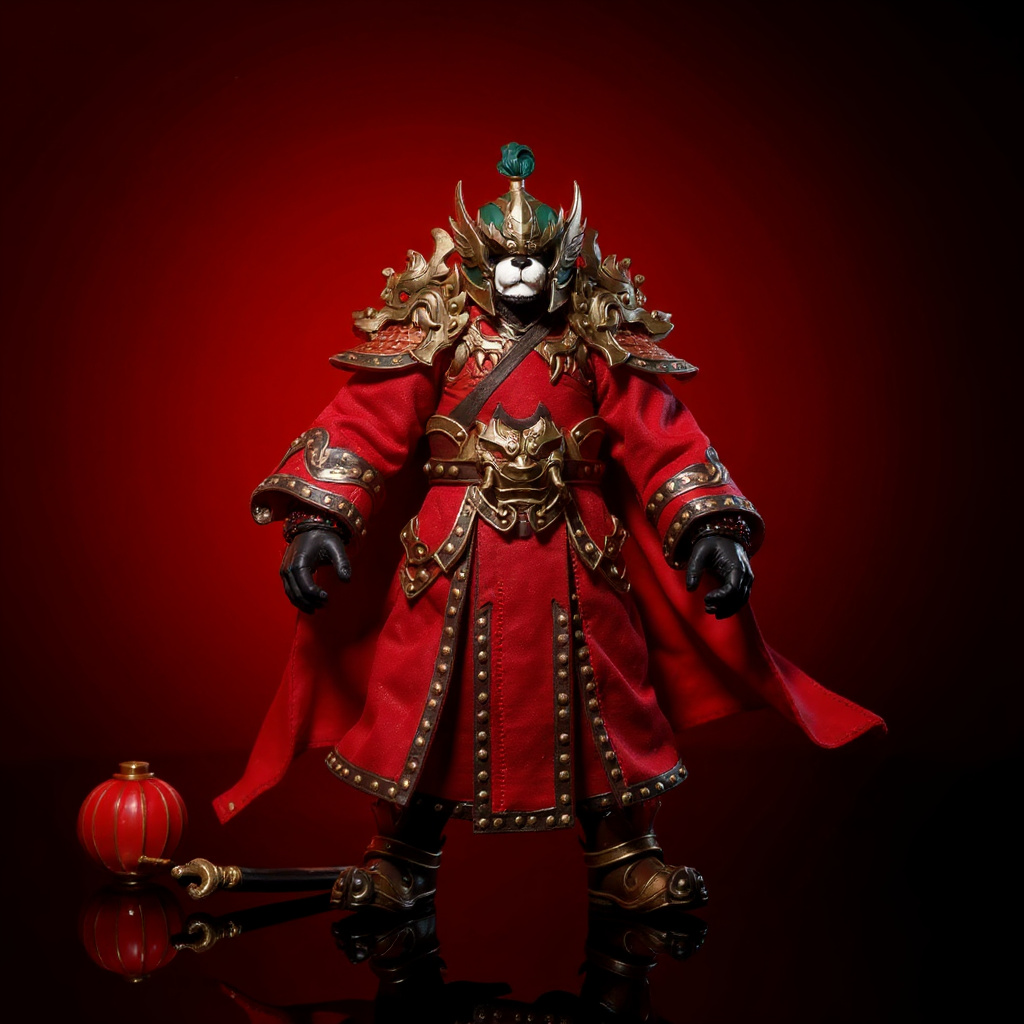
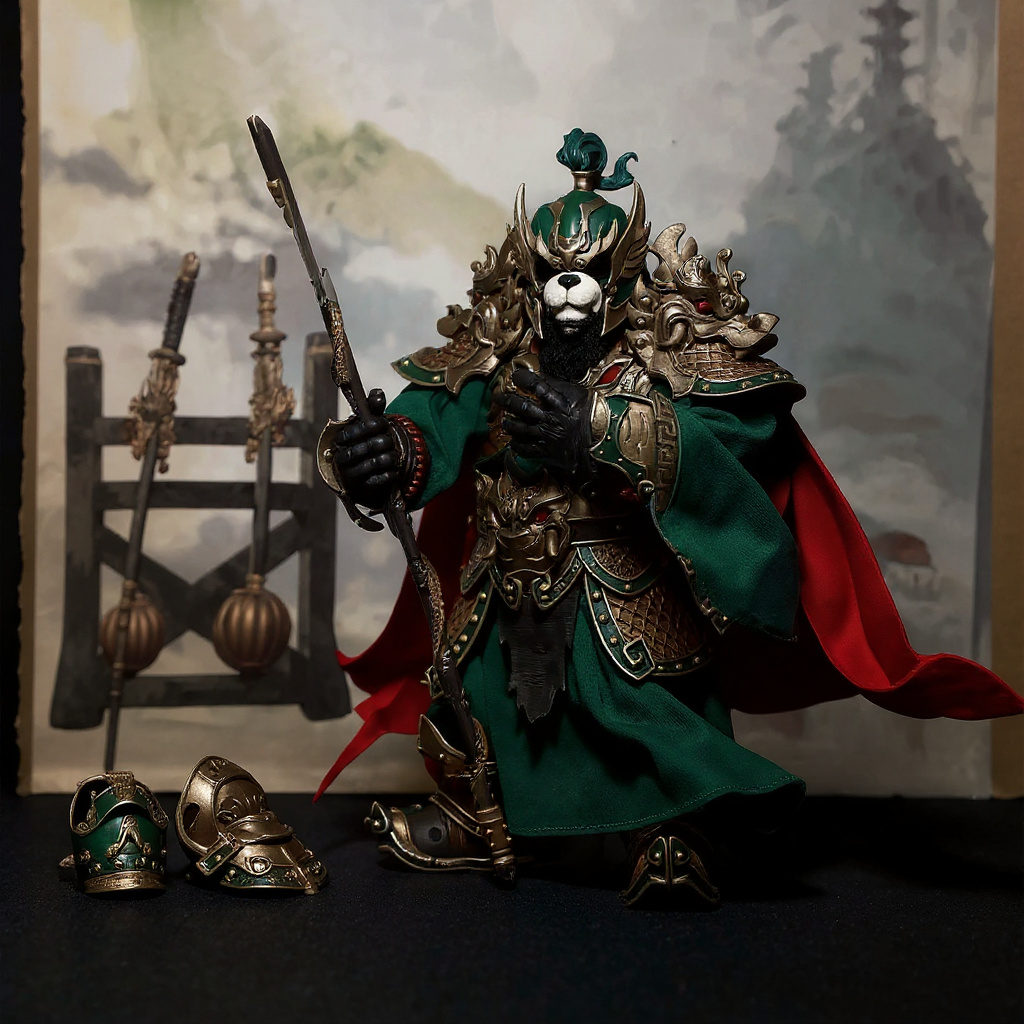
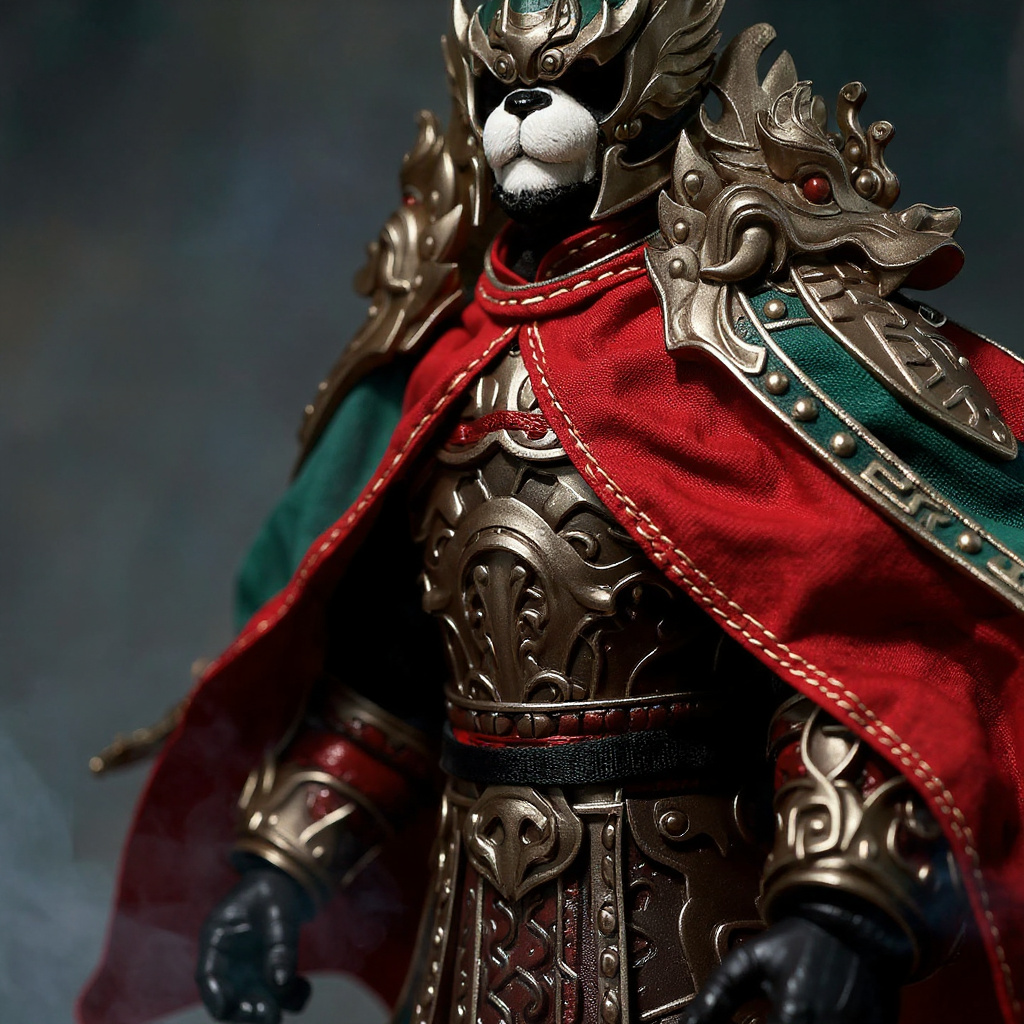
Traditional Chinese hanfu uses flowing fabrics that translate well to action figure scale, because the draping mimics how real fabric moves under gravity and motion. Plastic capes can't replicate that. They just can't.Our 7 Inch Action Figure Cape | Chinese Style Cloak for Panda General Wu Qinglong | Handmade DIY Cloth Accessory uses this exact approach: real fabric, wire support in the hem, and a cut built for Chinese-style proportions rather than a generic superhero silhouette. You can browse similar pieces in the Chinese-Style Accessories collection if you want to compare cuts before buying.
Seam Construction That Survives Repeated Posing
How the cape is sewn determines whether it survives repeated posing or falls apart after a season of shelf life. French seams or bound edges resist fraying. Raw edges look cheap and unravel fast, sometimes within weeks of regular handling.
The wire attachment point is the part most buyers never think to check. Good makers sew a fabric channel around the hemline, then thread the wire through it, so the wire stays locked in place no matter how many times you bend it. Cheap methods just tack the wire on top with a few stitches. That wire pops loose after a dozen poses, sometimes fewer.
Visible stitching isn't always a flaw. On a handmade piece, it can add to the character rather than take away from it. But loose threads and wandering seam lines scream beginner work. The stitching should stay straight and even, even on a one-person production run.
Reinforced stress points matter too. The cape attaches at the figure's neck or shoulders, so those spots need extra passes of thread. Skip that reinforcement, and the fabric tears away from the fastener within the first month of regular posing.
Five Signs a Handmade Cape Will Survive More Than 20 Poses
1. Wire channel, not surface tack — run your finger along the hem; you should feel a tube of fabric, not a lump of wire stitched on top. 2. Double-stitched shoulder points — check where the cape meets the neck loop or clasp for a second row of thread. 3. Consistent seam width — measure the hem allowance in three spots; more than a 2mm difference suggests rushed cutting. 4. Fabric that springs back slightly — pinch and release the cloth; pure limpness with zero recovery means no internal structure at all. 5. No fraying at raw edges after a light tug test — gently pull an edge; threads should hold, not unravel in a visible line.
Mass-Produced vs. Handmade: The Real Trade-offs
| Feature | Factory Cape (Hasbro/McFarlane) | This Handmade Panda General Wu Cape | Typical Handmade Market |
|---|---|---|---|
| Price | $10-15 | $7.50 | $8-20 |
| Wire gauge | None, or unlisted plastic rib | 20-22 gauge steel | 18-26 gauge, varies by maker |
| Pose durability | Fixed shape, no wire fatigue | 40-60 pose changes before fatigue | 15-60 changes depending on gauge |
| Fabric | Vacuum-formed plastic or thin poly | Cotton/silk blend, hanfu-cut | Cotton, poly-cotton, or silk |
| Turnaround | In stock, ships same week | 3-7 days, small batch | 1-4 weeks, varies by maker |
| Style accuracy | Generic superhero cut | Chinese hanfu-inspired tailoring | Varies widely by seller |
Handmade capes offer more character but come with real risk. Quality swings between makers. Some use techniques learned from years of tailoring; others are clearly still figuring it out on your dime.
The price gap helps offset that uncertainty. At $7.50 versus $12 for a factory accessory pack, you can afford to try a handmade piece without much financial pain if it doesn't work out.
What Actually Enables Dynamic Poses
Action poses need specific cape features. A billowing effect requires wire that holds curves and angles, not just straight lines. The fabric needs enough body to show the intended shape without looking stapled into place.
Here's what enables different pose types, based on the capes I've tested across roughly forty pose attempts each:
1. Wind-blown effects: Wire shaped in an S-curve with lightweight fabric. 2. Dramatic swoosh: Heavier fabric with strong wire running the entire hem. 3. Shoulder drape: Softer wire that bends easily but still holds a gentle curve. 4. Battle-torn look: Fabric with intentional wear points, wire in key areas only. 5. Formal hanging: Minimal wire, heavier fabric that drapes under its own weight. 6. Action leap: Strong wire throughout, fabric that resists permanent creasing. 7. Standing ready: Balanced weight distribution, wire that supports without looking stiff.
The attachment method affects posing too. Neck loops work for most poses but limit shoulder rotation. Magnetic attachments offer more flexibility, assuming your figure's shoulders support magnets in the first place.
Common Problems and How to Spot Them
Wire fatigue shows up after 20-30 pose changes in cheaper builds, or 40-60 in properly channeled 20-22 gauge wire based on my own handling. The cape stops holding shapes and develops permanent kinks. Thin wire or aggressive bending speeds this up considerably.
Fabric memory is a separate issue. Some materials want to snap back to flat no matter how you pose them. Synthetic fabric is the worst offender here — I had one poly cape return to a flat drape within thirty seconds of releasing a pose.
Sizing problems plague handmade capes more than people expect. A cape built for one 7-inch figure might not sit right on another, because body proportions vary between manufacturers even at the same nominal scale.
Attachment failures are the most obvious flaw: the cape falls off, or the connection points tear at the shoulder. This usually means the maker skipped reinforcement or picked the wrong fastener for the fabric weight.
Collectors on forums and hobby boards, including r/ActionFigures, frequently mention loose threads as the top annoyance with handmade cloth accessories. Factory items avoid this through automated cutting and sealing, which is one advantage mass production genuinely has over hand-sewn goods.
Scale Compatibility Beyond Just Size
A 7-inch cape isn't automatically compatible with every 7-inch figure. Body proportions matter more than height. A bulky armored figure needs more cape width than a slim character build, even at identical scale labeling.
Head size affects how the cape hangs too. Figures with oversized heads, common in anime-style designs, need wider collar openings than the standard pattern assumes. Standard cape patterns are built around realistic body proportions, not stylized ones.
Action figure scaling gets messy once you mix brands. A cape sized for one 7-inch line might not sit right on a different manufacturer's body, even when both say "7-inch scale" on the box.Honestly, if your figure has a non-standard neck joint or an oversized head sculpt, skip a generic cape entirely and look for one made specifically for that body type. Forcing a fit rarely looks good in photos.
Photography and Display Considerations
Static display needs different cape features than photography setups. Display capes can use heavier fabric that hangs under gravity alone. Photo capes need lighter material that holds a dramatic pose without a support stand hidden behind the figure.
Lighting changes fabric choice too. Shiny fabric throws harsh reflections under camera lights. Matte fabric photographs cleaner but can look a little flat sitting in a display case under ambient light.
The cape's color and pattern should complement the figure, not fight it for attention. Solid colors generally read better at this scale than busy prints, since fine detail gets muddy once printed small.
Backdrop interaction matters too, especially against a bamboo-themed setup. Dark capes vanish against black backdrops. Light capes blur into white or gray setups. Plan the display environment before you commit to a color.
What Makes the $7.50 Price Point Work
Handmade capes hit lower prices than factory items through direct sales and small-batch production, since there's no distributor markup sitting between maker and buyer.
The trade-off is inconsistent quality and limited stock. When a good maker sells out, you might wait weeks for the next batch. Factory items stay available but cost more for less posability.
At $7.50, you're getting fabric construction and wire posability for close to half what major brands charge for a plastic accessory. The quality gamble becomes easier to accept when the financial risk sits this low.
Some handmade capes beat factory quality outright. Small makers often care more about the finished piece than a production line built to hit a cost target and nothing more.
Frequently Asked Questions
What is a posable cape for a collectible action figure? It's a fabric cape with wire, usually 20-22 gauge steel, sewn into the hemline so a 7-inch or 1:12 scale figure can hold dynamic poses instead of hanging flat like a factory-molded accessory. How long does a 20-22 gauge wire cape last before it wears out? Based on my own handling, 20-22 gauge wire held clean poses through 40-60 pose changes before showing visible kinks. Cheaper 26 gauge wire started failing around pose 15. What is the most posable action figure in the world? Hot Toys figures typically ship with 28-32 points of articulation, and ThreeA figures run similar counts. Mezco One:12 figures average around 26-30 points but survive rougher handling better than the more delicate Hot Toys line. What should I do with old collectible figures I no longer display? List them on eBay or a collector forum within the first year of setting them aside. Figures lose an estimated 15-20% of resale value for every three years they sit unsold, based on general secondary-market trends for mid-tier lines. What action figures are worth money today? Vintage 1977-1985 Kenner Star Wars figures, sealed Marvel Legends exclusives from convention runs, and discontinued anime lines from the early 2000s hold value best, often selling 3-10x original retail on resale sites. How can I make my own superhero cape for an action figure? Cut lightweight cotton to shape, sew a fabric channel along the hem, and thread 22-gauge wire through it. Add snaps or velcro at the neck. Practice on scrap fabric first — the first attempt rarely fits right. Are Hot Toys figures worth it compared to smaller-scale collectibles? Hot Toys run $250-400 per figure and are fragile enough that many collectors keep them boxed. A 1:12 scale figure costs $30-80 and tolerates more handling, making it the better choice if you actually pose your collection. Why do collectors sometimes lose interest in figures they once loved? Display space fills up, new releases shift attention, and roughly every 2-3 years many collectors report a shift toward a different franchise or scale, based on patterns discussed across collector communities. Why do we love collecting action figures in the first place? They let us recreate favorite scenes, display characters we admire, and scratch a customization itch through accessories like capes and swappable parts. For a lot of people, it's a tangible link to a story that mattered to them.Is the Wire Investment Worth It?
A posable cape for a collectible action figure turns a static shelf piece into something closer to a diorama moment. The gap between a limp plastic cape and a properly wired fabric one is obvious the second someone looks at your display case.
Quality concerns with handmade pieces are real. No sugarcoating that. But the lower price point makes it easy to test a few makers and styles without a major financial commitment.
Collectors upgrading a Chinese fantasy figure or chasing period-accurate styling should look at the 7 Inch Action Figure Cape | Chinese Style Cloak for Panda General Wu Qinglong | Handmade DIY Cloth Accessory. It uses real fabric with wire support built into the hem, cut for authentic Chinese-style draping rather than a generic pattern. Check the cape care and posing guide too, if you want tips on keeping the wire from fatiguing early. Each piece has slight variation from hand construction. That's not a flaw. That's the point.

