


Short answer: fit depends on the manufacturer, not the scale number printed on the box. An action figure clothing set 7 inch shoppers grab online often assumes every 1/12 scale body is the same shape. It isn't. A Storm Collectibles figure won't wear the same size as a Mezco One:12 figure, despite both standing roughly 7 inches tall. Measure first. Buy second.
Most collectors underestimate how much shoulder width and torso thickness vary between brands, even at identical scale. The real key to any action figure clothing set 7 inch purchase is measuring your figure's chest, waist, and shoulder span before you click add to cart. Skip that step and you're guessing.
Scale Math That Actually Matters
The 1/12 scale ratio means your 7-inch figure represents a 6-foot person in real life. That translates into specific numbers you can actually use.
A standard 1/12 scale male figure measures 2.5-2.8 inches across the chest and 1.8-2.2 inches at the waist. Female figures run smaller, around 2.2-2.5 inches chest and 1.6-2.0 inches waist. But here's where it gets tricky: these are starting points, not guarantees, because sculptors don't follow a shared rulebook.
Hot Toys and Sideshow lean bulky and muscular. Figma and S.H. Figuarts stay lean and stylized. Shoulder spans range from 2.8 inches on slim builds up to 3.2 inches on heavily armored characters. I've watched too many collectors buy clothing that looked perfect in product photos, only to find it couldn't slip over their figure's shoulders. The fabric might stretch. Seams don't forgive.
Scale Comparison: 1/12 vs 1/10 vs 1/8
| Scale | Real-World Height Represented | Avg. Chest (in) | Avg. Shoulder Span (in) | Common Figure Brands |
|---|---|---|---|---|
| 1/12 | 6 ft | 2.5-2.8 | 2.8-3.2 | Mezco One:12, Marvel Legends, Figma |
| 1/10 | 6 ft | 2.8-3.4 | 3.2-3.6 | Storm Collectibles, some Kotobukiya |
| 1/8 (BJD) | 5.5-6 ft | 3.5-4.0 | 3.8-4.3 | Standard BJD lines, doll crossover pieces |
| 1/6 | 6 ft | 6.5-7.2 | 7.5-8.0 | Hot Toys, Sideshow (for reference only) |
Where Collectors Actually Source Clothing
Most figure clothing comes from three sources. Each has real limitations nobody mentions in the sales copy.
Third-party manufacturers dominate the market. Companies like Toys Era, Star Ace, and Asmus Toys produce clothing sets in the $15-30 range. These fit multiple body types but sacrifice some accuracy for that compatibility. Custom tailors on Etsy and specialized forums charge $25-60 per piece and deliver exact fits. They work from your figure's measurements and match specific fabric textures. Wait time runs 2-4 weeks. Worth it if you hate returns. Doll clothing crossovers from the BJD (ball-jointed doll) community sometimes work. 1/8 scale doll clothes can be altered down, though you'll need basic sewing skills. This route costs $10-20 but comes with trial and error baked in.Parting out damaged figures remains the most accurate option. A broken figure with intact clothing often sells for 30-40% of retail price. You get perfect scale matching. Selection stays limited to whatever happens to break that week.
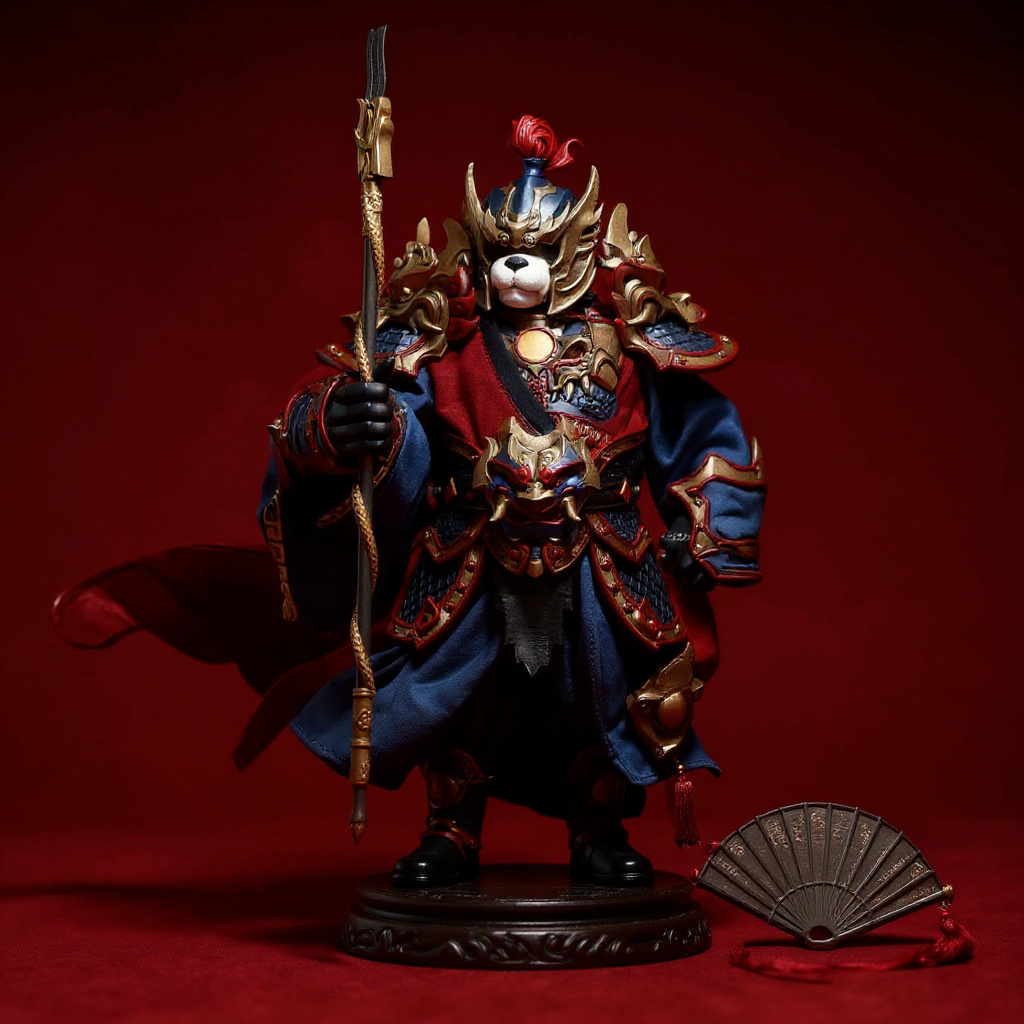
For traditional Chinese-inspired pieces, handmade options offer the best compromise between accuracy and customization. Take the red-and-gold wire-framed cape set we carry — at $19.50, the wire-framed construction gives you pose flexibility mass-produced capes can't match, and it's cut specifically for a 7-inch stand rather than resized from a doll pattern.
Action Figure Clothing Set 7 Inch: Fitting Challenges by Body Type
| Figure Type | Common Issues | Clothing Solutions | Price Range |
|---|---|---|---|
| Slim Build (Figma, Revoltech) | Clothes too baggy, sleeves too wide | Tapered cuts, elastic waistbands | $12-25 |
| Muscular (Storm, Mezco) | Tight shoulders, can't close jackets | Stretch fabrics, velcro closures | $20-35 |
| Armored (Hot Toys, Sideshow) | Nothing fits over gear | Removable pieces, cape-only options | $25-50 |
| Female Curves (Phicen, TBLeague) | Gaping at bust, tight at hips | Bias-cut fabrics, adjustable straps | $15-40 |
| Cloth-Cape Add-Ons (any 7-inch stand) | Cape slides off shoulders during posing | Wire-edge cloaks with tie closures | $18-30 |
Thicker or curvier bodies present the biggest challenge. Phicen seamless bodies have proportions that don't match most 1/12 clothing patterns, and silicone grips fabric differently than hard plastic does. For these figures, stretchy materials work better than rigid cotton or lined jackets that won't move with a soft form.
Honestly, if your figure is display-only and never gets reposed, skip the expensive stretch-fabric sets entirely. A cheap static-fit piece looks identical in a case and saves you $15.
Getting Clothes On Without Damage
The biggest mistake collectors make is forcing clothing over articulated joints. Those shoulder and elbow joints create sharp edges that catch fabric like a fishhook catches denim.
Here's the process that's worked for me across dozens of figures:
1. Remove hands and feet first if the figure allows it. Most modern figures have pop-off extremities that make sleeve and pant fitting far easier. 2. Work sleeves on gradually by bunching the fabric and sliding it up the arm. Don't pull from the cuff. 3. Use plastic bags on sticky joints. Wrap problem areas in thin plastic before threading fabric over them. The slick surface prevents snags. 4. Heat stubborn pieces with a hair dryer for 10-15 seconds. Warm fabric turns pliable and gives a little more. 5. Check seam stress constantly. If threads pull tight, back off. Try a different angle.
Some clothing just won't work with certain figures. I've learned to accept this rather than risk the outfit or the joint. A $30 shirt isn't worth cracking a $200 figure's shoulder pin.
Wire-Framed Capes vs. Standard Soft Goods
Capes deserve special attention because they're often the most dramatic part of any costume. The difference between wire-framed and standard soft goods is night and day once you try posing them.
Standard fabric capes hang straight down. Gravity wins every time. They look fine for static display but flat and lifeless in dynamic poses, and the fabric creases in the same predictable spots.
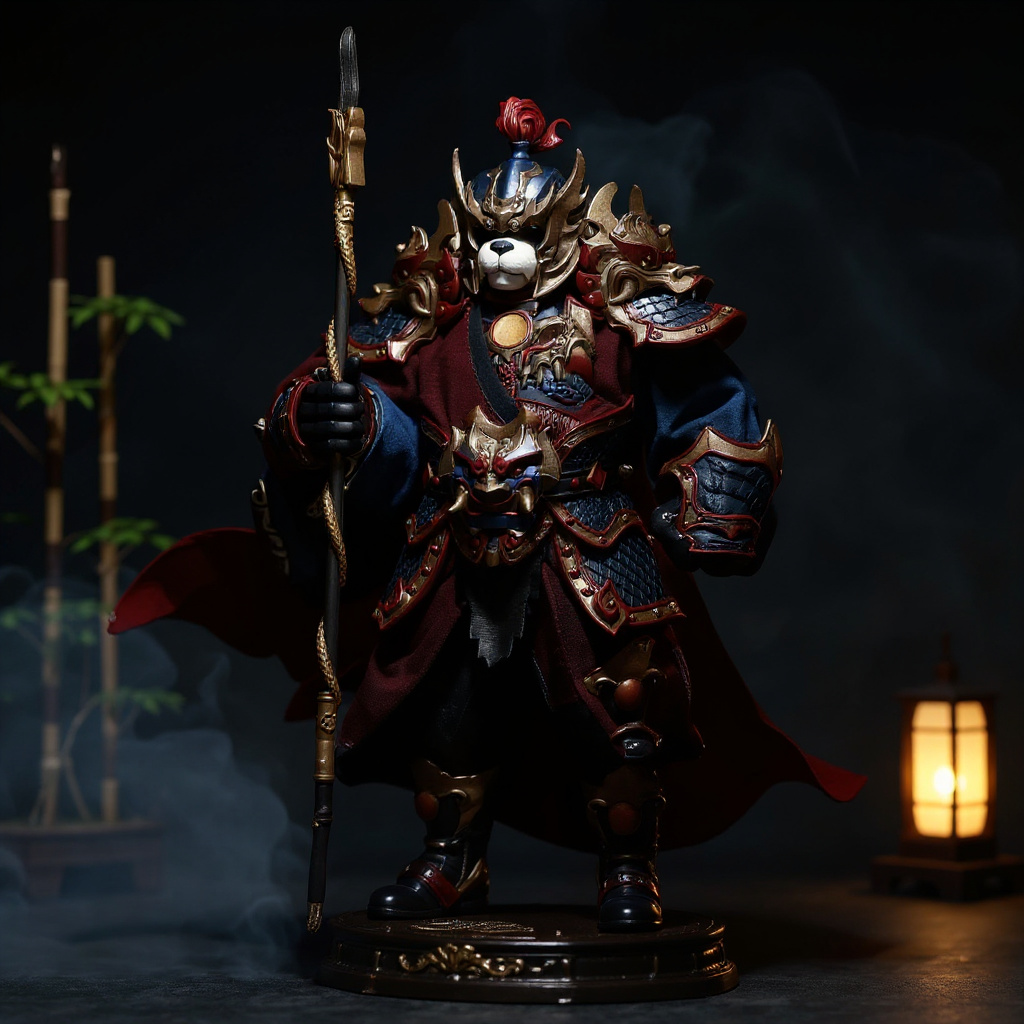
Wire-framed capes, like the handmade Chinese-style piece we carry, embed thin wire along the edges. Bend it. Hold it. Windswept, billowing, dramatically swept to one side — the shape stays put.
The wire adds maybe half an ounce to the cape's weight, which most 7-inch figures handle without stability problems. More important: it stays posed. Set up a dramatic shot and the cape holds that exact position for as long as the figure sits on the shelf.
Cast plastic capes offer another route, with major limitations. Pre-shaped into one dynamic pose, they look great if that's the pose you wanted. But you can't change it. Ever.
I've used wire-framed capes for stop-motion projects where consistency between frames matters more than anything. The ability to nudge a fold and have it hold is invaluable for that kind of work.
Shoulder Fit: The Make-or-Break Measurement
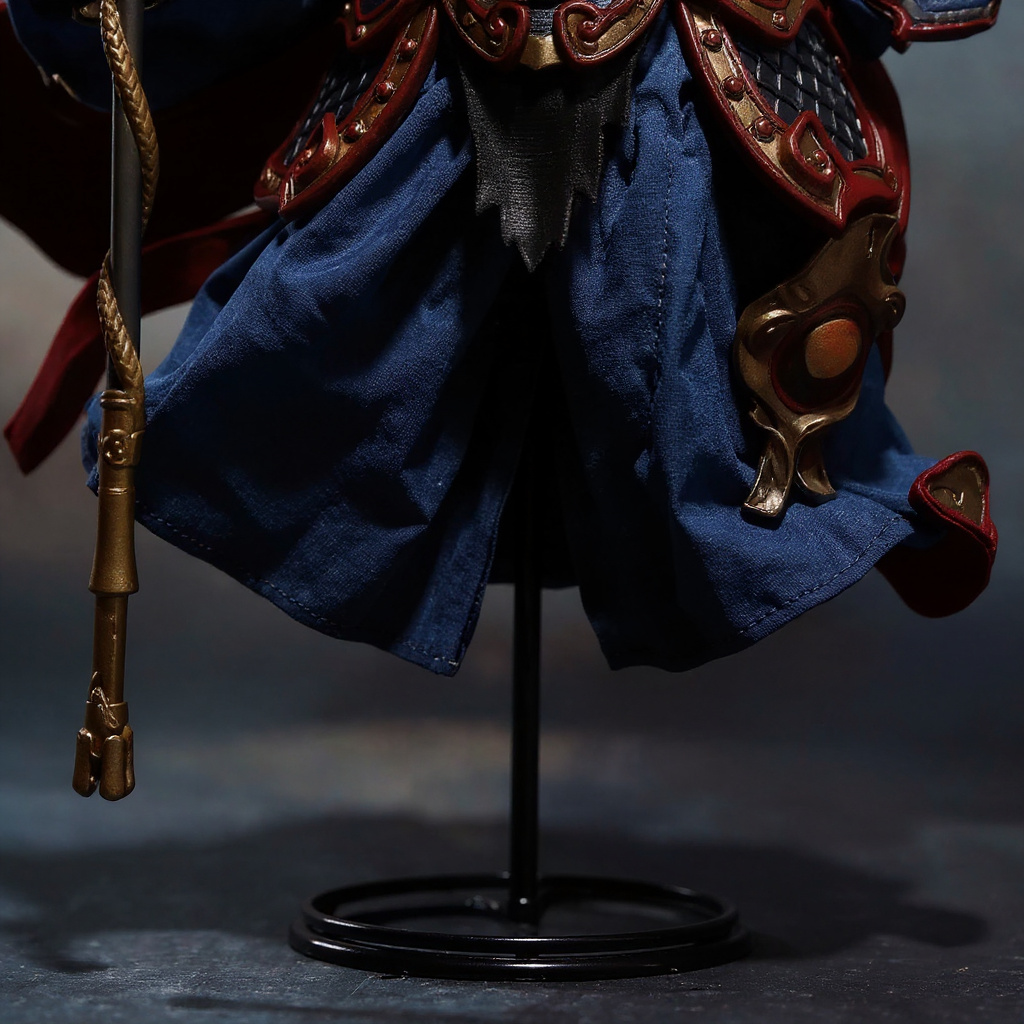
Shoulders determine whether any upper body clothing will work. This measurement gets overlooked constantly, but it's the most critical dimension on the whole figure.
Measure from the outside edge of one shoulder to the outside edge of the other, across the back. Don't follow the curve of shoulder armor or pads — measure the actual structural width underneath.
Most 1/12 male figures measure 2.8-3.2 inches shoulder-to-shoulder. Females run 2.5-2.9 inches. Heavily armored characters can hit 3.5 inches or more, which throws off standard-size clothing fast.
Clothing that's even 0.2 inches too narrow won't fit properly, full stop. The fabric might stretch enough to force it on, but it pulls tight across the back and limits arm movement. Worse, repeated posing stresses the seams until they fail.
When in doubt, go slightly larger. Most figure clothing includes some adjustment method — velcro strips, elastic inserts, adjustable straps. You can always take something in. You can't add fabric that isn't there.
BJD Clothing Conversion Tricks
Ball-jointed doll clothing opens up interesting options for figure collectors, but the conversion process takes patience and basic sewing skills. Not impossible. Just slow.
1. Measure the size gap first. 1/8 scale BJD clothes run about 25% larger than 1/12 scale needs, so know your target numbers before cutting anything. 2. Start with forgiving shapes. Vests, capes, and loose robes convert easier than fitted jackets or pants — the alterations don't need to be perfect. 3. Take in seams gradually. Pin first, sew second, and try the piece on the figure between adjustments. 4. Shorten sleeves and hems last. Length is easier to fix than width, so save it for the final pass. 5. Test small crossover accessories separately. Belts, small bags, and jewelry often work at 1/12 scale with zero modification. Shoes rarely fit. Hats sometimes do.
The fabric quality on BJD clothing tends to run higher than mass-produced figure outfits — better materials, tighter construction, designs that don't exist anywhere in the action figure market. The r/actionfigures community has several threads on conversion techniques with step-by-step photos worth digging through.
Traditional Chinese Styling Considerations
Hanfu and other traditional Chinese garments follow different construction rules than Western clothing. Flowing silhouettes and layered pieces work better on action figures than fitted Western cuts do.Traditional Chinese robes use straight-line construction with minimal fitted seams. That makes them forgiving across different body types and easier to get on and off. Wide sleeves accommodate articulated arms without binding at the elbow.
Layering is essential to the authentic look. A proper outfit might include an inner robe, outer robe, vest, and cape, each in a slightly different shade or texture. This builds visual depth that a single-piece costume can't touch.
Color symbolism matters here too. Deep reds signal prosperity and good fortune. Gold accents mark high rank or nobility. Black often carries sophistication or mystery in Chinese design tradition — which is exactly the tone the deep red, black, and gold cape set aims for on a 7-inch stand.
For collectors chasing historical accuracy, the r/hanfu community runs detailed discussions on proper styling and color pairing.
Common Sizing Mistakes to Avoid
1. Assuming all 7-inch figures share one size. Scale and actual dimensions aren't the same thing. A stylized anime figure and a realistic military figure can both stand 7 inches tall with completely different proportions. 2. Buying by eye instead of measuring. What looks right in photos rarely translates to your specific figure. Check actual measurements whenever they're listed. 3. Ignoring fabric stretch. Cotton twill won't give like jersey knit. Factor the material into your size choice, not just the number. 4. Forgetting about removal. Clothes that barely fit going on will fight you even harder coming off. Think about how often you'll swap outfits. 5. Overlooking joint clearance. Articulated figures need extra room around major joints. Static display figures can wear tighter clothing without consequence.
The priciest mistake is buying clothing that technically fits but reads wrong proportionally. A cape that's too short. Sleeves that bunch at the wrist. Both ruin the overall effect even when everything closes properly.
Is the Wire Frame Worth the Extra Cost?
For serious collectors and photographers, yes. The ability to build and hold a dramatic pose changes how your figures photograph and display, full stop.
Standard fabric capes cost $8-12 but hang limp in a predictable line. Wire-framed versions, like the Panda General Wu Qinglong cape set at $19.50, give unlimited posing options that hold their shape on the shelf indefinitely — no propping, no glue, no fighting gravity every time you move the case.
The handmade aspect brings both benefits and tradeoffs. You get character and detail mass production can't replicate. Expect slight variation in stitching and finishing from piece to piece — that's the handcraft, not a defect.
If you're upgrading a worn cape or adding pose variety to a Panda General Wu Qinglong figure, check the current cape and cloak listing for sizing notes and fabric close-ups before you buy.
Frequently Asked Questions
What's the rule of thumb for sizing clothes on 1/12 or 1/10 scale figures?
Measure your figure's chest and shoulders first, then add 0.1-0.2 inches for comfortable fit. 1/12 scale typically needs a 2.5-3.0 inch chest circumference, while 1/10 scale needs 2.8-3.4 inches. Manufacturer variation matters more than the scale ratio printed on the box.
Is it hard to get clothes on and off an action figure without ripping seams?
With proper technique, it's manageable. Remove hands and feet when possible, work sleeves on gradually, and never force a tight spot. The biggest risk comes from sharp joint edges catching fabric — wrap problem joints in thin plastic as protection.
Where can I find clothing for thicker or curvier action figure bodies?
Phicen/TBLeague bodies need clothing designed specifically for seamless figures. Check the One Sixth Warriors forum, eBay sellers who specialize in seamless-body clothing, or a custom tailor on Etsy. Expect to pay $25-45 for a properly fitted piece.
Can BJD or 1/8 doll clothes be resized to fit 7-inch action figures?
Yes, but it takes sewing skills. 1/8 scale clothes run about 25% too large, so you'll take in seams and shorten lengths. Simple pieces like capes or loose robes convert easier than fitted garments. Budget 2-4 hours of alteration per piece.
Do handmade capes and cloaks fit standard 1/12 scale bodies?
Most handmade capes use adjustable attachment systems — ties, snaps, or velcro — that accommodate different body types. Check the seller's size specs, but quality handmade pieces typically fit chest measurements from 2.4-3.2 inches without alteration.
How do you make a cape stay posed instead of hanging flat?
Wire-framed edges are the most reliable fix. Thin craft wire sewn into the hem lets you bend and hold any shape. Fabric stiffener spray works temporarily, and thin plastic strips are a cheap alternative, but wire offers the most control and lasts through repeated repositioning.
What's the difference between soft goods and cast plastic capes?
Soft goods use real fabric and can be posed if wire-framed, but they're subject to gravity and wrinkling over time. Cast plastic capes hold one dramatic shape permanently but can't be repositioned at all. Soft goods look more realistic; plastic gives more consistent display results shot after shot.
How do I know if a replacement costume will fit my figure's shoulders?
Measure shoulder-to-shoulder distance across your figure's back at the widest point. Compare it against the garment's stated measurements or ask the seller directly. Shoulders are the least forgiving dimension — even 0.2 inches too narrow causes problems. When in doubt, size up.
Will a wire-framed cape damage a lightweight figure stand?
Rarely, at 7-inch scale. The wire adds roughly half an ounce, and most stands are built to hold posed weight well beyond that. If your stand already tips with a bare figure, that's a stand problem, not a cape problem.
How long does a wire-framed cape hold its shape before needing readjustment?
In my experience, a well-made wire edge holds a pose for months of static display without drifting. Handling it during photo shoots — repositioning it dozens of times — is what wears the bend out first, not shelf time.

