


Short answer: you repair it, buy an official Sideshow replacement, or get a handmade Sideshow Court of the Dead figure cape with internal wire support built in. The right call depends on your budget and how much factory polish you actually need on a shelf you look at from three feet away.
Your Death Lord's cape is probably the first thing to show wear. Fabric moves with every pose adjustment, and it shows the damage first — always. The original Sideshow soft goods use thin material that catches on armor details and frays at stress points within months, not years.
Why the Sideshow Court of the Dead Figure Cape Fails First
Sideshow built these figures for display, not constant handling. That's not a knock — it's a design choice. The cape fabric is deliberately lightweight so it doesn't throw off the figure's center of balance, but lightweight also means fragile.
The attachment points take the worst of it. Most Court of the Dead figures use small fabric loops or snap closures at the shoulders. Every pose change stretches and weakens those connection points a little more. After 20 to 30 repositions, you'll see loose threads at the shoulder seam. I've watched this happen on my own Xiall figure in under four months of regular display rotation.
Edge fraying comes next. The hem isn't reinforced — reinforcement would add bulk that looks wrong at 1/12 scale. Ordinary room air circulation, plus minor contact with other figures on a crowded shelf, pulls threads loose over weeks.
Dust makes it worse. Fabric grabs particles that act like fine sandpaper every time the cape shifts. Clean your display case monthly. Skip that and you're sanding your own cape down one pose at a time.
Official Replacement vs. Third-Party vs. Handmade
Sideshow's customer service sells replacement capes for $35 to $45 depending on the figure. They match the original exactly, but shipping from their California warehouse runs 2 to 4 weeks. That's a long wait if you're prepping for a photo deadline.
Third-party premium makers charge similar prices but add upgrades — better fabric, reinforced seams, occasionally magnetic closures instead of snaps. Quality control tends to be tighter than mass production because these makers aren't running assembly lines.
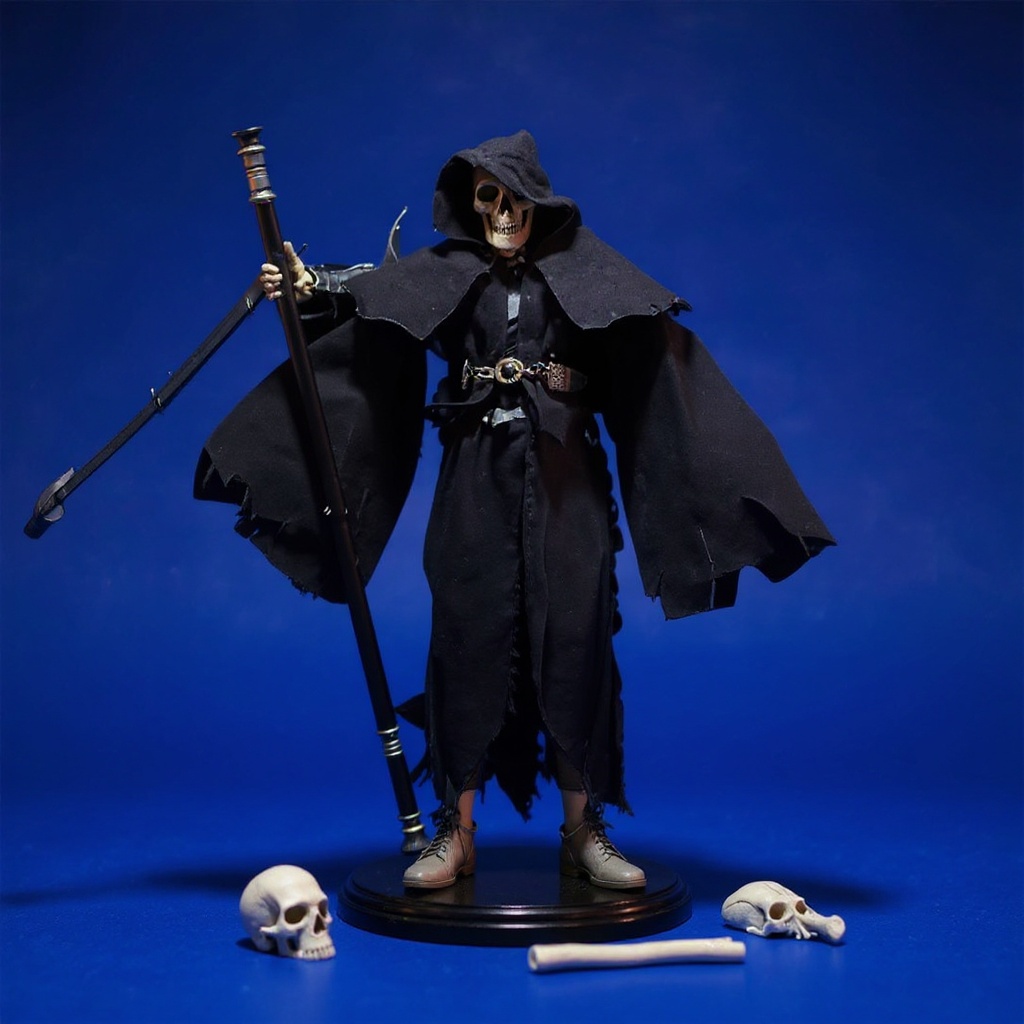
Handmade options like the 1/12 Scale Death Lord Replacement Cape run around $17.50. Trade-offs exist. You'll see slightly uneven hems or a stray loose thread here and there. That's the honest cost of individual craftsmanship instead of a factory line.
| Option | Price Range | Quality | Shipping Time | Best For |
|---|---|---|---|---|
| Official Sideshow | $35–$45 | Factory consistent | 2–4 weeks | Pristine, resale-ready displays |
| Premium third-party | $25–$40 | Enhanced materials | 1–2 weeks | Upgraders wanting reinforced seams |
| Handmade wired cape | $15–$25 | Variable, hand-finished | 3–7 days | Budget customizers who repose often |
| DIY repair | $5–$10 materials | Depends entirely on your hands | Immediate | Collectors with a needle and patience |
| No replacement (bare figure) | $0 | N/A | N/A | Collectors who prefer armor-only display |
Honestly, if you're a display-only collector who never touches the pose after unboxing, skip the wired upgrade entirely. It's overkill for a figure that sits still on a shelf forever. Wire shaping matters when you're actively posing for photos, not when the figure never moves again.
How Wired Soft Goods Change Your Display Game
Wired capes aren't just replacements. They're pose enhancers. The internal wire frame lets you build flowing shapes that hold position without a support rod in every shot.
Standard fabric hangs straight down. Gravity wins every time. Wired versions bend into wind-blown curves, billowing folds, or asymmetrical drapes that suggest mid-stride motion — the kind of shot that makes a static figure look alive.
Wire placement matters more than wire presence. Good implementations run wire along the cape's edge and add a couple of internal support lines through the body of the fabric. Cheap versions wire only the hem, which bunches unnaturally in the middle third of the cape.
Wire gauge changes how it behaves. Thicker wire, in the 20–22 gauge range, holds dramatic curves but resists quick adjustments. Thinner wire, 24–26 gauge, bends easily but starts sagging out of extreme poses after a few months of handling. For a broad-shouldered figure like Death Lord, I use 22 gauge along the collar seam and 26 gauge on the trailing edge — stiff where it needs structure, flexible where it needs to flow.
Most wired capes handle 50 to 100 major pose changes before the wire fatigues and starts holding a slight permanent bend. That's roughly a year of monthly repositioning for the average collector.
Step-by-Step: Repairing a Torn Cape Seam
Before ordering a replacement, check if repair is realistic. Here's the process I use on commission repairs:
1. Isolate the damage — lay the cape flat and mark every tear or loose thread with a pin so you don't miss one under low light. 2. Match the thread — bring the cape to a fabric store and compare against at least three black or charcoal spools; factory black rarely matches store black exactly. 3. Stabilize the tear — hand-stitch a small backing patch of thin interfacing behind the torn area before sewing the visible seam. 4. Sew the seam closed — use a whip stitch with tight, small spacing (about 1.5mm) to avoid bulk at 1/12 scale. 5. Reinforce the shoulder loops — add a second layer of fabric behind each attachment point; this is the part that fails first, so reinforce it even if it isn't torn yet. 6. Test the pose range — reposition the figure 10 times immediately after repair to confirm the stitch holds under normal stress before calling it done.
If more than 30% of the cape shows wear, or multiple stress points are failing at once, stop repairing and replace it. Repair time isn't free, and past that threshold you're patching a garment that's already lost the fight.
Photography Tips for Caped Figures
Capes add depth and movement to figure photography, but they need specific lighting or they read flat and cheap on camera.
Backlighting works. Position a small LED behind and slightly above the figure to create rim light along the cape edges — this separates dark fabric from a similarly dark background, which is exactly the problem with most Death Lord shots I see online.
Skip direct flash. It flattens texture and throws harsh shadows that expose thin material instantly. Diffused light at 45-degree angles hides more than it reveals, in a good way.
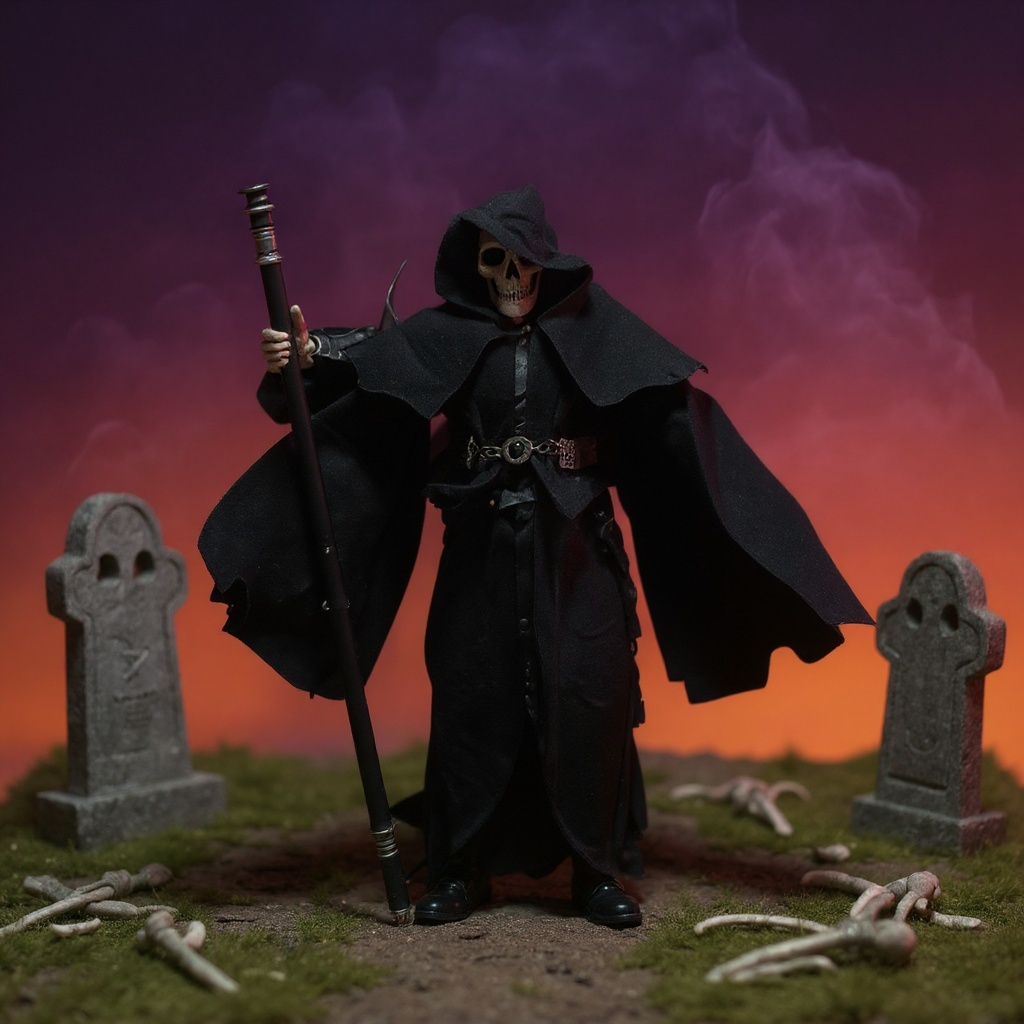
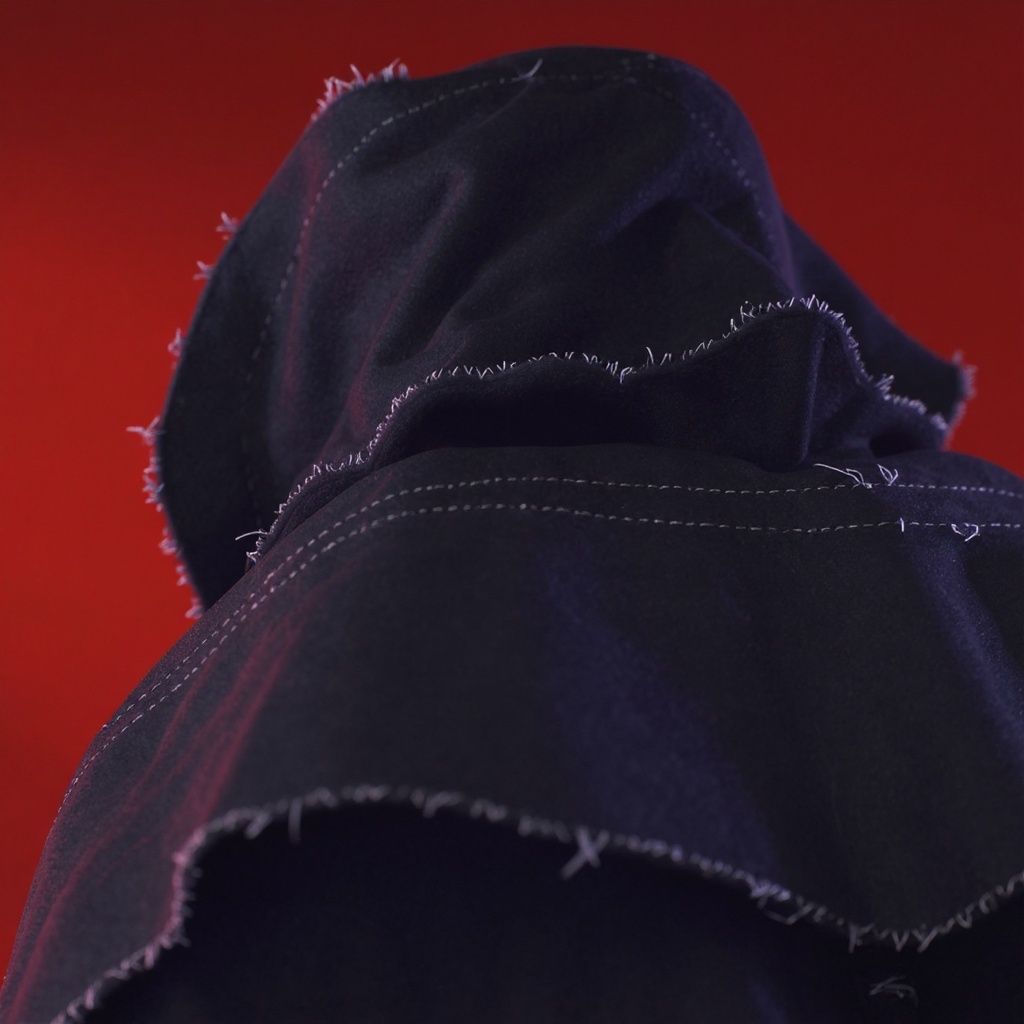
Figure photography communities and forums like OneSixthWarriors share setup guides worth studying. Popular techniques include:1. Wind simulation — small fans outside the frame create natural fabric movement for action shots. 2. Invisible support — clear acrylic rods hold cape sections in poses gravity alone can't produce. 3. Layered lighting — multiple small LEDs at different angles build complex shadow patterns in the folds. 4. Background contrast — light capes against dark backgrounds, dark capes against light ones. 5. Macro detail shots — close-ups of fabric texture and frayed edges showcase the handmade character instead of hiding it. 6. Diorama integration — capes catching on rocks or flowing around obstacles tell a better story than a flat backdrop. 7. Color temperature mixing — warm light on the figure, cool light on the cape, for a supernatural split-tone look.
Scale Compatibility Across Figure Lines
1/12 scale doesn't mean universal fit. Sideshow's proportions differ from other manufacturers, especially at the shoulders and torso length.
Most Court of the Dead figures stand 6 to 7 inches tall, but shoulder span varies by character. Death Lord runs broader than slimmer characters like Gethsemoni or Xiall.
Third-party makers design for average proportions. Some capes fit out of the box; others need minor adjustment at the shoulder loop. Check the attachment method before ordering — snap closures flex to fit a wider range of shoulder widths than fixed fabric loops do.
Custom sizing is available from some handmade makers for 20-30% more, with a set of shoulder and torso measurements required upfront. Worth it if your figure sits outside average proportions. Not worth it otherwise.
For a broader look at gothic-line accessory compatibility, check Sideshow's own Court of the Dead collectibles page alongside the wired cape collection for side-by-side attachment specs.
What You're Really Getting at $17.50
Handmade capes fill a specific niche. You're not getting factory precision. You are getting individual attention and a shipping window measured in days, not weeks.
Construction quality varies by maker skill. Expect visible stitching lines and a slightly uneven hem here or there. These aren't defects — they're the signature of a person sewing one cape at a time instead of a machine stamping thousands.
The wire frame adds real value at this price. Official Sideshow capes don't include internal shaping wire at all, so a handmade version gives you a pose feature Sideshow simply doesn't sell — for less money than their base replacement part.
The main risk is inconsistency between different makers. Read reviews. Understand the return policy before you buy. Some sellers have years of figure-accessory experience; others are new to it.
Frequently Asked Questions
Where can I buy a replacement cape for Sideshow Court of the Dead figures? Sideshow's customer service sells official replacements for $35–$45. Third-party options run $15–$40 depending on materials. Handmade alternatives like the Death Lord Replacement Cape offer the best value if you're budget-conscious. Are Court of the Dead figures 1/12 scale or 1/6 scale? Court of the Dead figures are 1/12 scale, roughly 6–7 inches tall — smaller than the 12-inch 1/6 scale figures most other collectible lines use. Can soft goods capes be reposed without damaging the fabric? Yes, with limits. Standard fabric capes tolerate 20–30 repositions before fraying starts. Wired capes handle 50–100 major pose changes before the internal wire fatigues. What is a wired soft goods cape and how is it different from a normal cloth cape? Wired capes have thin metal wire, typically 20–26 gauge, sewn into the fabric edge and sometimes along internal support lines. This lets the cape hold a shaped pose instead of hanging straight down under gravity. Does the original Death Lord figure include a removable cape? Yes. Most Court of the Dead figures ship with a removable soft goods cape attached by small snaps or fabric loops at the shoulders — it's a separate piece, not sewn to the body. How do collectors photograph action figures with capes for dramatic diorama shots? Use backlighting for rim-lit edges, avoid direct flash, and add a small fan outside the frame for wind movement. Layered LED sources at different angles build shadow depth in the fabric folds. Is a handmade replacement cape worth it compared to official Sideshow parts? Handmade capes cost 50–60% less and often include wire shaping Sideshow doesn't offer at all. The trade-off is minor craftsmanship variance between makers — worth it if function matters more than a flawless finish. Why do action figure capes tear or fray so quickly? The fabric is intentionally lightweight to avoid throwing off figure balance, which means it frays at stress points fast — usually the shoulder attachment first, then the hem. What wire gauge should I use for a Death Lord cape versus a smaller figure like Xiall? I use 20–22 gauge along the collar seam for broader-shouldered figures like Death Lord, and 24–26 gauge for slimmer characters like Xiall or Gethsemoni, where a stiffer wire would look out of proportion. How much thread do I need for a full shoulder-to-hem repair? A single repair typically uses under two yards of matching thread. Buy a full spool anyway — matching black shades between stores is harder than it sounds, and you don't want to run out mid-seam.Your Cape Strategy Depends on Your Collection Goals
Replacing a worn Sideshow Court of the Dead figure cape doesn't have to blow your budget. Repair, official parts, or handmade wired alternatives all solve the same problem at different price points and different quality ceilings.
For museum-quality resale-ready displays, official Sideshow replacements keep factory consistency intact. For photography-focused collectors, wired capes unlock poses standard soft goods can't hold on their own.
Budget-focused collectors save real money with handmade options while gaining pose-ability the original part never had. Minor imperfections disappear at normal viewing distance — especially under the dimmed lighting most display cases use anyway.
If your Death Lord needs a refresh without the official price tag, browse the 1/12 Scale Death Lord Replacement Cape — handmade, wired, and built for reposing, not just sitting still.

