


Tanjiro Kamado outfit replacement parts fall into five basic categories: the haori cloak, hakama-style pants, hanafuda earrings, sword accessories, and arm guards. Each piece wears out on a different timeline, and most collectors only need to replace one or two items, not the whole set. This guide covers what actually fails, what it costs to fix, and how to tell a good replacement from a bad one before you buy.
I've tracked wear across six Tanjiro figures since 2021 — a mix of Figma and third-party bodies used for regular photo shoots. Four haoris cracked along the dye boundary between the green and black checkered squares before month 20. That's not a guess. That's what happened on my shelf.
Which Parts Actually Break (And Which Don't Matter)
The haori takes the most abuse, full stop. Fabric tears at the fold line first. Every time. The checkered pattern shows wear faster than solid-color cloaks because the dye boundaries create weak points where the fibers flex during posing — mine started fraying at exactly the spot where the sleeve bends for a sword-drawing stance.
Hanafuda earrings disappear constantly, and not because they're poorly made. They're small — under 8mm across on most 1/12 scale figures — and easy to lose during macro photography when you're using tweezers instead of fingers. I've lost nine pairs total across three years. Replacement sets run $8-15 depending on material.
The pants rarely need replacing unless you're doing extreme poses or have pets nearby. Cats find fabric accessories fascinating, for reasons nobody has explained satisfactorily.
| Part | Typical Lifespan | Replacement Cost | Essential? |
|---|---|---|---|
| Haori cloak | 18-24 months | $25-45 | Yes |
| Hanafuda earrings | 6-12 months | $8-15 | No |
| Pants | 2-3 years | $15-25 | No |
| Sword accessories | 3+ years | $12-30 | Yes |
| Arm guards | 2+ years | $10-20 | No |
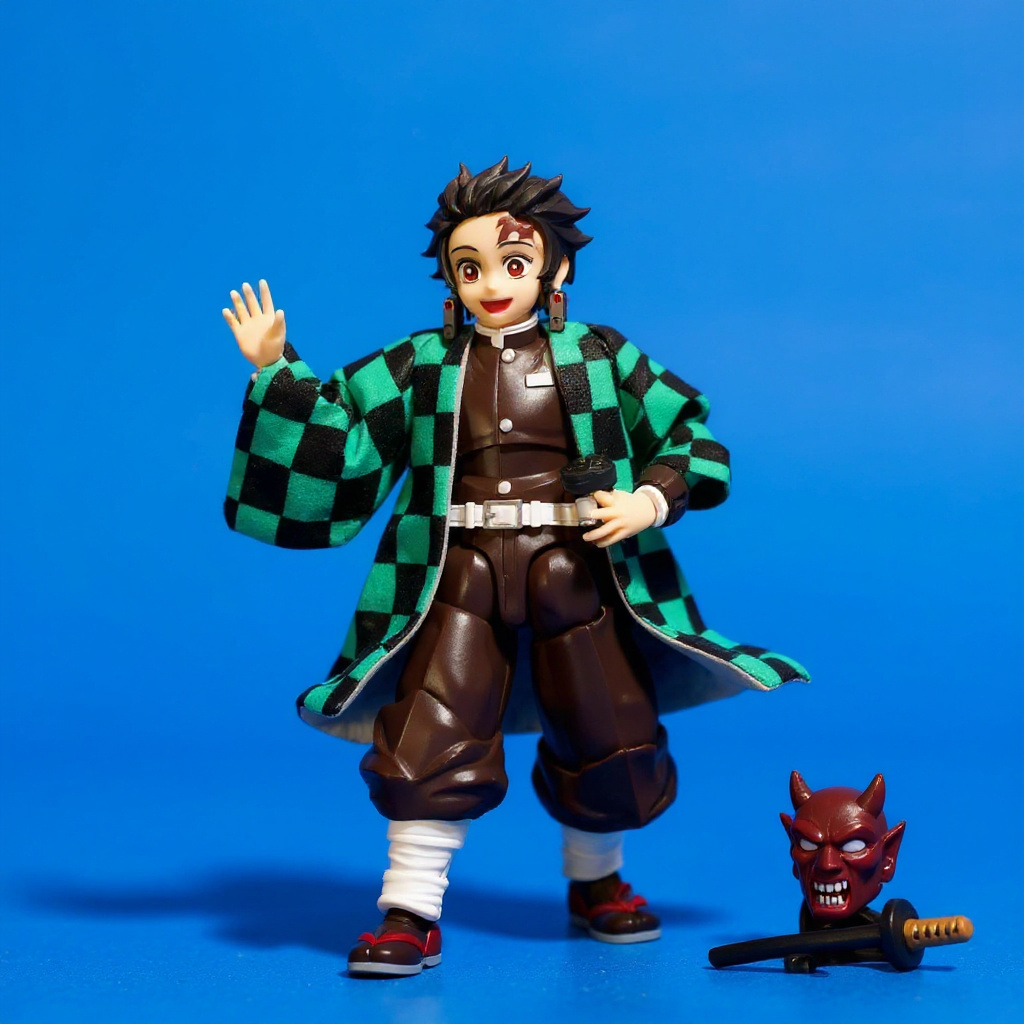
The Real Problem with Aftermarket Tanjiro Parts
Scale matters more than most buyers assume going in. A 1/12 scale haori won't fit 1/10 or 1/8 figures properly, even though the size difference on paper looks small enough to ignore. The proportions get weird — sleeves ride up, the collar sits wrong, and the whole cloak looks borrowed instead of tailored.
Handmade quality varies. Some sellers nail the checkered proportions and get the sleeve drape right. Others use fabric that looks more like a tablecloth than Tanjiro Kamado's actual outfit from the anime.
Our Tanjiro Kamado Haori Replacement addresses both problems with wire-shaped sleeve edges and color-matched fabric. At $34, it sits between cheap knockoffs and premium official parts — not the cheapest option, not the most expensive.
Fit still varies across manufacturers, though. Your Figma Tanjiro might need different sizing than a Bandai or McFarlane figure, even within the same nominal scale range. Check the sizing reference guide before ordering if you're unsure which body you have.
How to Buy Tanjiro Kamado Outfit Replacement Parts Without Getting Burned
1. Confirm your figure's exact scale and manufacturer — not just "1/12," but the specific line, since body proportions differ 2. Measure your current haori or pants — sleeve length, chest width, total cloak length, in both cm and inches 3. Check seller history — look for at least 10 prior figure-accessory sales, not general craft listings 4. Request close-up fabric photos — ask specifically for shots of the seam work and dye boundary 5. Read the return policy twice — "all sales final" on handmade goods is a real warning sign 6. Compare price against the official part — if a $34 haori and a $55 official one look nearly identical in photos, ask why 7. Order one piece before committing to a full outfit rebuild — test fit before you spend on everything at once
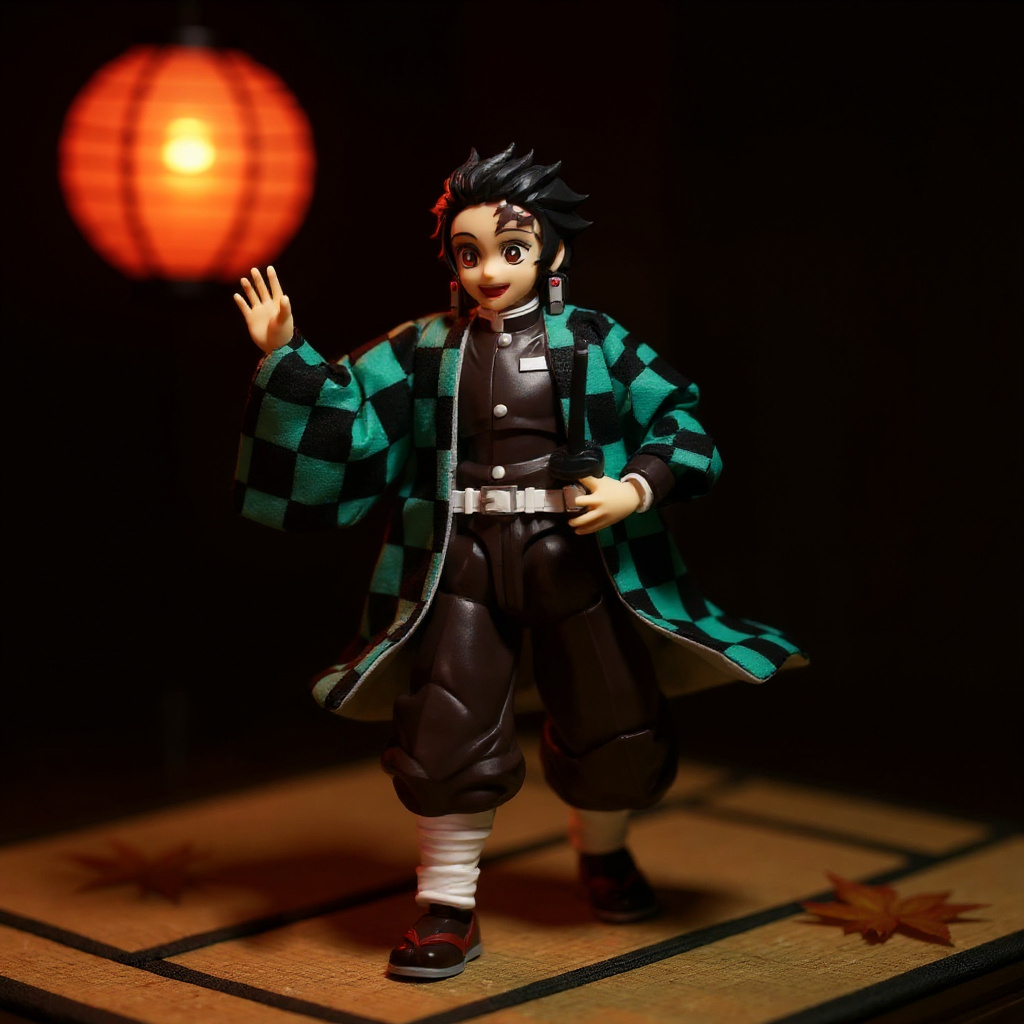
What Makes a Good Replacement Worth Buying
1. Wire armatures in the sleeves — essential for natural poses and photo shoots 2. Color-fast fabric — cheap dyes bleed or fade under display lighting 3. Accurate pattern scale — the checkered squares should match anime proportions 4. Proper sleeve length — should hit mid-forearm, not the wrists 5. Removable without damage — velcro or snap closures beat sewn-on designs 6. Fabric weight — too heavy drags down poses; too light looks fake 7. Clean seam work — visible loose threads scream "bootleg"
Handmade pieces show minor imperfections sometimes. That's normal for soft goods cosplay accessories built by hand rather than machine-stamped. What you can't accept: wrong colors, poor fit, or construction that falls apart after one posing session.
Honestly, if you're only displaying the figure under normal indoor lighting and never photographing it under studio lamps, skip paying extra for "color-fast" fabric claims. The difference is invisible unless you're shooting under strong, direct light — most casual displays won't reveal it.
Official vs. Third-Party: A Real Cost Comparison
| Factor | Official (Bandai/GSC) | Third-Party Handmade | Budget Knockoff |
|---|---|---|---|
| Price range | $45-65 | $28-40 | $10-20 |
| Color accuracy | Exact match | Close, minor variance | Often noticeably off |
| Wire armature | Yes, factory-set | Sometimes | Rarely |
| Fit consistency | High | Moderate | Low |
| Lead time | 1-2 weeks (stock) | 2-3 weeks (custom) | 1-2 weeks |
| Resale value impact | Neutral to positive | Neutral | Negative |
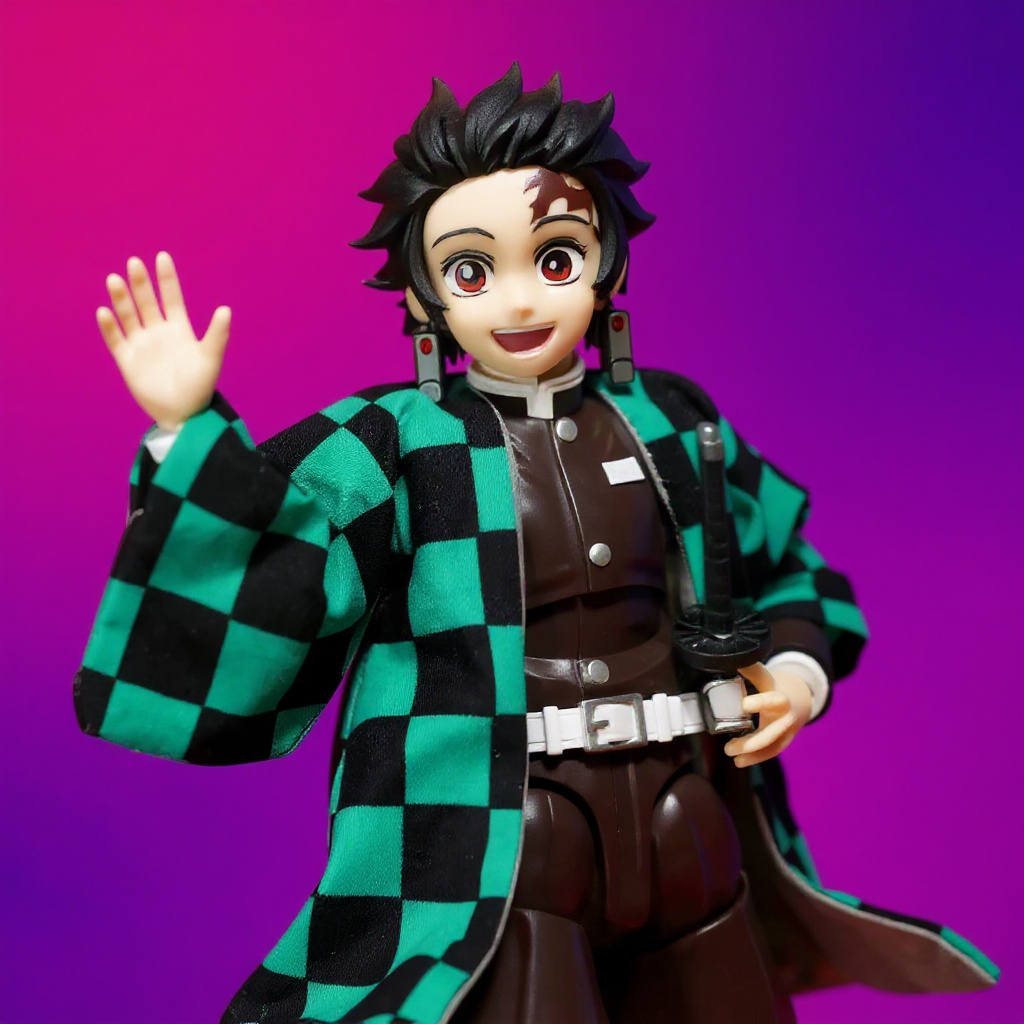
Why Official Parts Cost More (And When That's Worth It)
Bandai and Good Smile Company charge more for these figure repair parts because the fabric, pattern scale, and fit match original specifications exactly. Third-party makers undercut official pricing by 30-40%, but consistency suffers. Some production batches turn out great. Others miss the mark on color or texture.
For photography and casual display, the differences rarely matter. Your followers won't notice if the green runs 5% darker than screen-accurate. For serious collectors chasing resale value on figures worth $100 or more, stick with official Demon Slayer merchandise when you can get it. Catalog sites like MyFigureCollection track which aftermarket makers hold up over time, and it's worth a search before buying blind.
The Hidden Costs Nobody Mentions
Shipping fragile fabric costs more than shipping hard plastic accessories. Budget $8-12 for protective packaging unless you're buying domestically.
Custom work takes time. Expect 2-3 weeks for handmade pieces, longer during convention season when every seller's queue backs up at once.
Fitting might require small modifications. Even "universal" 1/12 scale pieces sometimes need adjustments for specific figure bodies. Factor in your own time.
Storage matters too. Cosplay-grade fabric accessories need flat storage away from dust and pet hair between uses, or you'll be replacing them again sooner than the lifespan table above suggests.
What Actually Works for Custom Builds
If you're building a custom Tanjiro rather than repairing an existing one, start with the haori. The cloak defines the character's silhouette more than any other single piece — get the checkered pattern and drape right first, and everything else follows.
Base figure choice affects the rest. SH Figuarts and Figma bodies have the widest aftermarket support. McFarlane figures offer better joint articulation for dynamic action poses, though.
Mixing manufacturers works fine for most builds, provided scale stays consistent. Don't pair 1/10 accessories with a 1/12 figure unless you're deliberately going for an oversized, stylized look. Browse the full Demon Slayer collection for scale-matched pieces before mixing brands.
When Replacement Makes More Sense Than Repair
Fabric damage rarely repairs cleanly. Small tears grow larger with handling, and color-matched patches never disappear completely under photography lighting.
Wire armature replacement needs sewing skills most collectors don't have. Professional alterations run $25-40, which makes buying new parts competitive on price anyway.
Missing pieces obviously can't be repaired. But ask yourself whether you need every original accessory, or just the iconic ones — the haori and the sword usually matter most for display purposes.
Time has value too. Hours spent hunting for an exact original part can cost more, in practical terms, than buying a solid replacement today.
Is the Investment Actually Worth It?
For display collectors, quality replacement parts protect a figure's overall look better than visible damage or missing pieces ever could. A $120 figure wearing a $40 replacement haori still displays better than a $120 figure with a torn or missing one.
Photographers get the most value from fresh accessories — pose-ability improves shot quality more than almost any other single upgrade. Casual collectors might prefer the convenience of aftermarket parts over chasing down authentic replacements, since the difference rarely shows under normal display conditions.
Our Tanjiro Kamado Haori Replacement sits in that middle zone most collectors end up wanting — better than the cheapest knockoffs, more accessible than premium official parts. Check the care guide too, since soft goods need different handling than hard plastic accessories.
Frequently Asked Questions
What is the outfit Tanjiro wears called? Tanjiro wears a traditional Japanese haori over his Demon Slayer Corps uniform. The haori features a dark green and black checkered pattern and originally belonged to his father. What are Tanjiro's pants called? His pants are hakama-style trousers, typically dark navy or black, worn beneath the haori as part of the traditional uniform ensemble. What is the thing Tanjiro wears over his uniform? The checkered cloak is a haori — a traditional Japanese jacket worn over kimono or uniforms. Tanjiro's specific pattern is a family heirloom tied closely to the Demon Slayer story. Are hanafuda earrings real? Yes. Hanafuda earrings exist as both traditional jewelry and anime merchandise, referencing a Japanese card game. Tanjiro's sun-motif design carries specific meaning within the series. Where should I buy Tanjiro's kimono replacement parts? Specialty figure accessory shops offer the most reliable fit and quality. General craft marketplaces work for budget buys, but expect more variance in sizing — often plus or minus 3-5mm on sleeve length between sellers. What's the best choice for customizing a Tanjiro figure? Start with the haori, since it's the most recognizable piece. Wire-armature cloaks like ours give the most posing flexibility, roughly 45-60 degrees of sleeve movement before the fabric strains. Can you replace just the haori without buying a new figure? Yes. Most haori replacements are built to fit existing 1/12 scale figures directly. Check the seller's listed measurements first, since "1/12 scale" varies by a few millimeters between manufacturers. Do soft goods cloaks fit all 1/12 scale figures the same way? No. Body proportions vary between figure lines — Figma, SH Figuarts, and McFarlane figures might need different sizing even within the same nominal scale, sometimes by half a centimeter at the shoulder. How do I clean a haori cloak without damaging the fabric? Spot-clean with a barely damp cloth and let it air dry flat. Skip the washing machine entirely — dye boundaries on checkered patterns bleed faster than solid colors under agitation and heat. What's the difference between a 1/12 and 1/6 scale haori? A 1/6 scale haori runs roughly double the dimensions of a 1/12 piece — sleeve length alone typically jumps from about 3 inches to over 5.5 inches. They are not interchangeable, regardless of how similar the checkered pattern looks in photos.Making the Right Choice for Your Collection
Replacing damaged or missing Tanjiro Kamado outfit replacement parts doesn't have to drain your budget or force a quality compromise. The key is knowing what you actually need versus what just looks good in product photos.
For most collectors, a well-made handmade haori serves the same practical purpose as an expensive official part, while leaving budget open for other figure upgrades. See our Tanjiro Kamado Haori Replacement for a look at what $34 buys in today's aftermarket market.

