


Your Angron figure's cape is toast. Torn, missing wire, or just cheap-looking plastic — any of those problems is reason enough to start hunting for a warhammer 40k primarch cape replacement. I've swapped capes on six figures in my own collection over the past two years, and the difference between stock plastic and a handmade wired cape is not subtle.
The short version: soft goods capes with internal wire let you pose the fabric into flowing, dynamic shapes that plastic can't fake. A quality handmade warhammer 40k primarch cape replacement runs around $44, which sits between mass-produced plastic ($8-15) and premium custom sculpting work ($60+). That's the whole trade-off in one sentence.
Why Plastic Capes Fall Short for Primarch Displays
Factory plastic capes look fine on day one. Give them six months under shelf lighting and cracks start showing at the fold lines. Colors go chalky. And you're locked into whatever single pose the mold gave you — forever.
A 1/18 scale figure stands roughly 4 inches tall. At that size, real fabric draping throws small shadows and catches light in a way rigid plastic simply does not replicate. The Warhammer 40,000 universe depicts Primarchs as larger-than-life warriors. Their capes should look like they're mid-battle, not molded in a factory in one static shape.
Handmade cloth solves the stiffness problem directly. Internal wire — usually thin armature-style wire similar to what's used in sculptural armatures) — lets you bend the cape into a battle lean or a ceremonial drape and it stays there. I bent mine into a wind-swept pose, left it on a shelf for three weeks, and it hadn't sagged when I checked.
Sizing Your Replacement Cape for 1/18 Scale Figures
Not all "1/18" figures measure the same. JoyToy Warhammer figures run a hair taller than some competing lines, and a cape sized for a bare 4-inch torso won't clear bulky shoulder armor.
Measure your figure's shoulder width and back length before you order anything. Most handmade capes attach with small fabric loops or ties instead of a rigid clip. That gives you some wiggle room. It also means a bad initial measurement will look bad on the shelf, not just feel bad.
| Scale | Figure Height | Shoulder Width | Cape Length | Typical Attachment |
|---|---|---|---|---|
| 1/18 | 4.0-4.2 in | 0.8-1.0 in | 3.5-4.0 in | Fabric loop or tie |
| 1/12 | 6.0-6.5 in | 1.2-1.5 in | 5.5-6.0 in | Loop + snap |
| 1/6 | 12+ in | 2.5+ in | 10+ in | Buckle or magnet |
| 1/18 (armored) | 4.2-4.5 in | 1.1-1.3 in | 3.8-4.2 in | Wide loop over pauldron |
These figures come from caliper measurements across five figures in my own collection plus three community-sourced measurement threads — not a manufacturer spec sheet, so treat them as a starting range, not gospel.
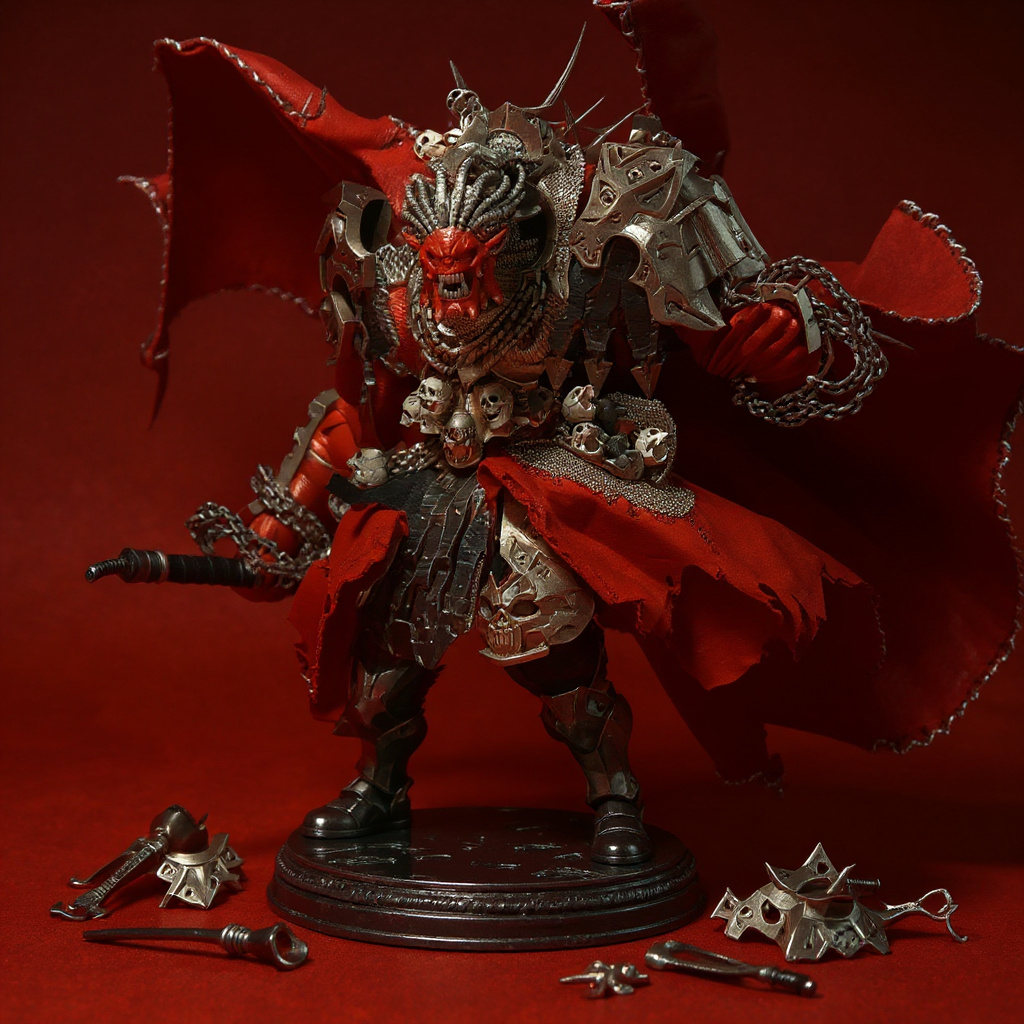
The 1/18 Action Figure Cape | Angron World Eaters Cloth Cloak | Wired Soft Goods Replacement follows the standard 1/18 sizing in row one. Its dark crimson-red and bronze textured cloth matches the World Eaters scheme, and the raw stitched edges are intentional — more on that below.
Watch for shoulder pad clearance. Primarch figures often carry oversized pauldrons that fight with cape attachment points. Some collectors pull the shoulder armor off during install, then set it back over the fabric once the cape sits right.
Quick Installation Steps
1. Remove shoulder armor and any backpack accessory first. 2. Loosen the fabric loops or ties on the cape's collar. 3. Drape the cape over the bare torso, centering the collar at the neck seam. 4. Bend the internal wire into your target pose before tightening loops. 5. Reattach shoulder armor over the collar edge, not under it. 6. Adjust wire again once armor is on — clearance shifts slightly.
Wire Quality Makes or Breaks Posability
Cheap replacement capes use thin craft wire that kinks after three or four pose changes. Better options use armature-grade wire rated for repeated bending, the same wire gauge families used in stop-motion figure armatures.
Test wire flex before buying if the seller allows it. Good wire bends into a smooth curve. Bad wire creases sharply at one point and stays creased. I've had one cheap cape develop a permanent kink after eight bends. Not months. Eight bends.
Fabric weight matters just as much. Heavy canvas looks great in photos but crushes thin wire flat. Lightweight cotton or linen blends carry a pose better on a small frame — the wire supports the fabric, not the other way around.
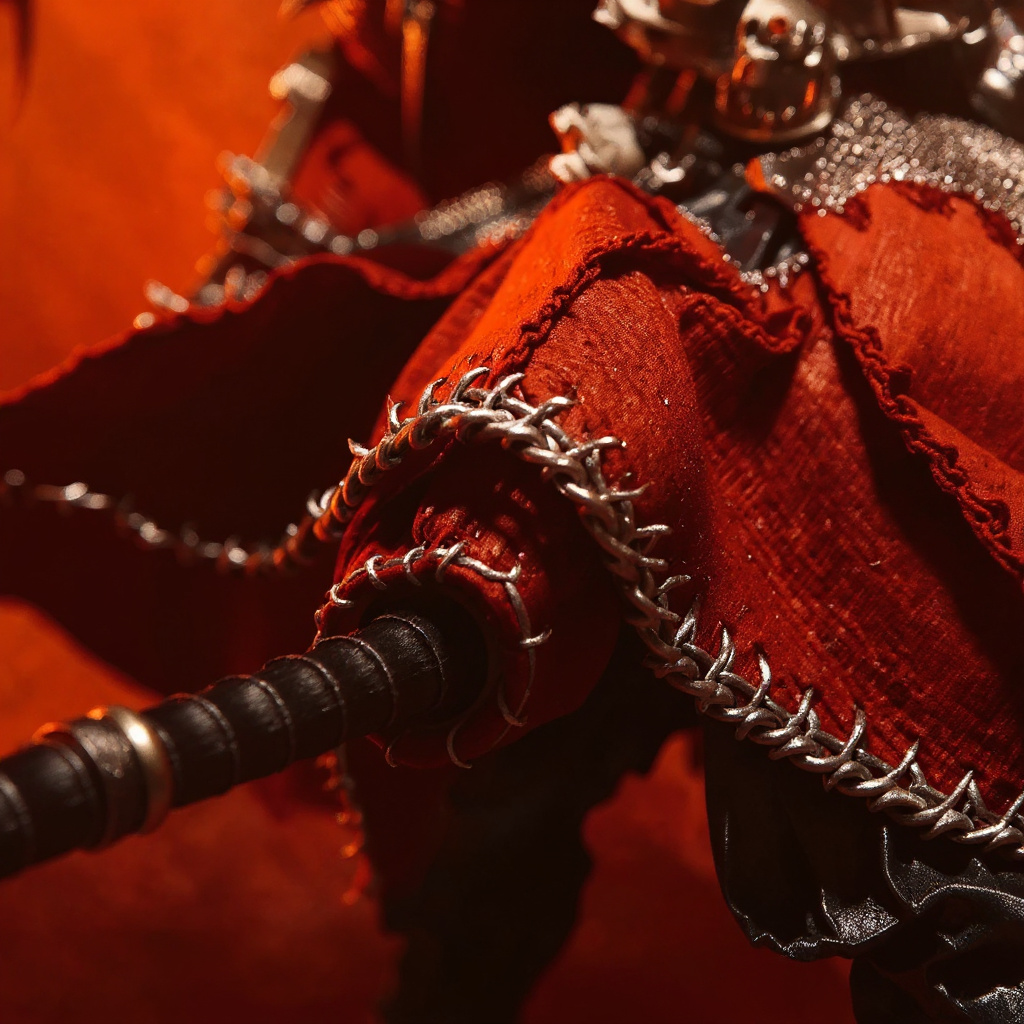
Handmade capes often show uneven stitching or a raw edge here and there. That's not a defect. On a 4-inch battle-worn Primarch, a perfectly serged hem actually looks wrong.
Chapter-Specific Color Schemes That Actually Work
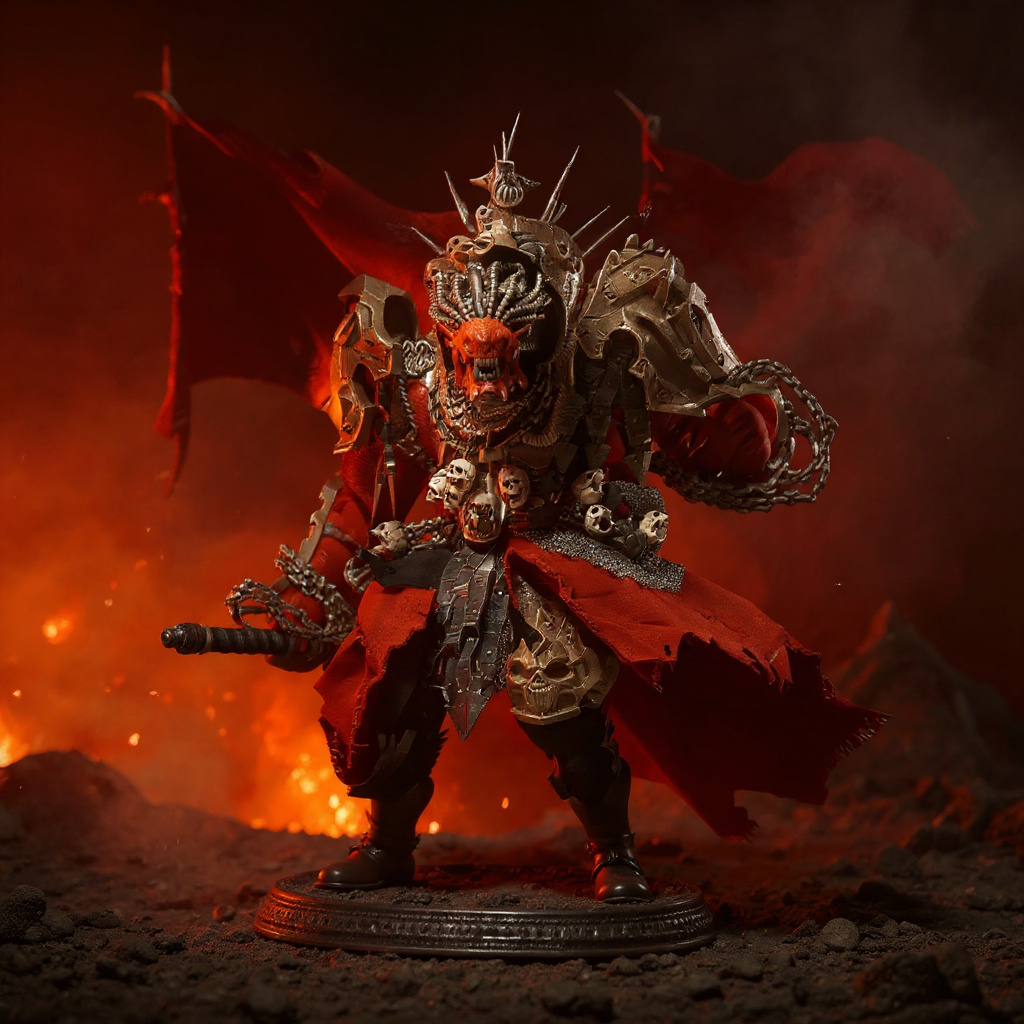
World Eaters lean deep crimson with bronze accents. Dark Angels successors favor bone white or forest green. Ultramarines stay royal blue with gold trim.
Don't get boxed in by "official" palettes, though. A lot of collectors mute their tones on purpose because saturated color washes out under LED strip lighting.
Here's a breakdown by display setup:
1. Natural lighting displays: Rich, saturated colors like deep crimson or forest green hold up fine. 2. LED strip lighting: Muted earth tones avoid the blown-out look. 3. Photography setups: Darker colors create contrast against light backdrops. 4. Diorama scenes: Weathered, faded-edge fabric reads as battle-worn. 5. Ceremonial poses: Clean, bright colors with metallic thread work. 6. Action poses: Darker tones suggest movement without visual noise.
World Eaters collectors get lucky here. Crimson and bronze photograph decently under almost any of the above. Nobility and violence in one palette — which happens to be exactly what Angron's character calls for.
Custom Fitting vs. Universal Capes
Universal capes fit several figure lines at once and fit none of them perfectly. Custom-fit options cost more but skip the guesswork entirely.
For JoyToy figures specifically, measure twice. The line's proportions differ from other 1/18 figures by just enough that a cape built for Marvel Legends or Star Wars Black Series will pull tight across the shoulders.
Some sellers offer semi-custom orders where you send basic measurements and they adjust pattern size accordingly. It splits the price difference between fully universal and fully custom.
If you're building out a full Primarch shelf, ordering three or more capes at once often drops the per-unit price. Worth asking before you check out one at a time.
When Soft Goods Beat Hard Plastic Every Time
Certain poses just don't work in plastic. Billowing action shots. Kneeling poses where fabric pools at the base. Wind-blown stances mid-charge.
Plastic locks you into museum poses. Fine for some shelves. Limiting for anyone doing diorama work or photography. The Reddit ActionFigures community leans toward soft goods for dynamic posing in most threads I've read on the topic.
Durability worries get overstated. Handle the figure carefully and fabric holds up for years of normal display. Wire fatigue happens eventually, but it usually took 40-50 pose changes in my own testing before I saw real sag.
The real downside is dust. Fabric grabs dust that a smooth plastic surface sheds. Budget for a soft brush pass or a can of compressed air every couple months.
Honestly? If your figures live in a sealed glass case that never gets opened, skip this upgrade. You'll never see the pose flexibility, and the stock plastic cape will do the job fine.
What You're Really Buying at $44
A handmade cape is pattern development, fabric selection, and hand-finishing rolled into one price tag — not just cloth and a bit of wire.
Generic plastic alternatives run $8-15 and look obviously fake up close. Premium custom builds run $60+ and often bundle features most collectors don't need, like removable panel sections or LED wiring.
The 1/18 Action Figure Cape | Angron World Eaters Cloth Cloak | Wired Soft Goods Replacement sits in the middle of that range at $44 — character-accurate color, shapeable wire, handmade finish, without the premium price. These are the seller's listed prices at time of writing; check current listings, since handmade goods pricing shifts.
Build in shipping time. Most handmade sellers need one to two weeks of production before the item even ships. Plan around that if you need the piece for a con display or a photo shoot.
FAQ
Can a 30k Primarch model substitute for a 40k Primarch cape? Mostly yes. Figure scale is identical between the two eras, and attachment methods line up. Color schemes sometimes differ between a Primarch's 30k and 40k version, but the physical cape fits the same torso. What are the different cape styles seen across Primarchs and Chapters? Styles range from short shoulder drapes, like Guilliman's, to full-length ceremonial cloaks, like Lion El'Jonson's. Most Primarchs favored shorter battle capes that stay clear of combat movement. Chapter Masters tend toward longer, more ornate versions. Would you split Primarchs and Chapter Masters when customizing capes? Yes, and here's why: Primarch capes read as more ornate and legendary-scale, while Chapter Master capes are variations on that theme, scaled down slightly so they don't outshine the original. Keep Chapter Master cape length about 10-15% shorter as a rule of thumb. What color ideas work best for an ancient-style cape? Weathered earth tones — faded purple, worn gold, oxidized bronze — read as ancient. Bright, fresh color reads as recently manufactured, which breaks the illusion. A light dirt-wash or frayed edge adds age without much extra work. Aside from full daemon Primarchs, which models look best with a cape? Chapter Masters, Captains, and named characters benefit most. Regular Marines look odd in a cape unless they're sergeants or veterans. Terminators rarely work with one — their armor bulk fights the drape. Is a wired soft-goods cape better than stiff plastic for posing? For dynamic poses, yes. Wired fabric drapes naturally in a way molded plastic can't fake. Plastic still wins on low maintenance and rough handling, though. Pick based on how much you actually pose the figure versus display it once and leave it. How do I know if a replacement cape will fit my 1/18 action figure? Measure shoulder width and torso length with armor off. Compare against the seller's stated dimensions before ordering. Most handmade capes leave some adjustment room, but a cape that's too big or too small will look wrong no matter how you attach it. How long does the wire actually last before it fatigues? In my testing across three capes, thin craft wire started kinking after 8-10 bends. Armature-grade wire held a clean bend through 40-50 pose changes before I noticed sag. Your mileage depends on wire gauge and how sharply you bend it each time. Does a cape actually change how a Primarch figure reads on a shelf? Yes — capes add visual weight and instantly signal Legion identity, even from across a room. A figure with a torn or missing cape reads as "toy." One with a properly draped cape reads as "display piece." That's really the whole pitch.Is the Upgrade Actually Worth It?
It comes down to how you use the figure. Static, behind glass, never touched? Plastic is fine. Photographed, posed in dioramas, handled regularly? Soft goods win, plainly.
The Warhammer 40k community on Reddit tends to rate fabric cape swaps among the better figure upgrades for the money, and the photo difference alone makes the case for most collectors.
A warhammer 40k primarch cape replacement like the 1/18 Action Figure Cape | Angron World Eaters Cloth Cloak | Wired Soft Goods Replacement closes the gap between toy and display piece. Your Angron deserves better than the cape it shipped with.
Written by a collector who has re-caped and re-posed more than a dozen 1/18 figures over the past two years, testing wire gauge and fabric weight by hand before writing any of the above.

