


A Zelda TotK soft goods cloak is a fabric cape replacement — sewn with thin wire along the edges — that swaps out for the stiff plastic cape bundled with figma Link. Handmade versions run $50-80, measure 3.5-4 inches shoulder to hem for 1/12 scale, and hold windswept poses that molded PVC cannot. That's the short answer. Here's the longer one, including where the category still falls short.
What a Zelda TotK Soft Goods Cloak Actually Is
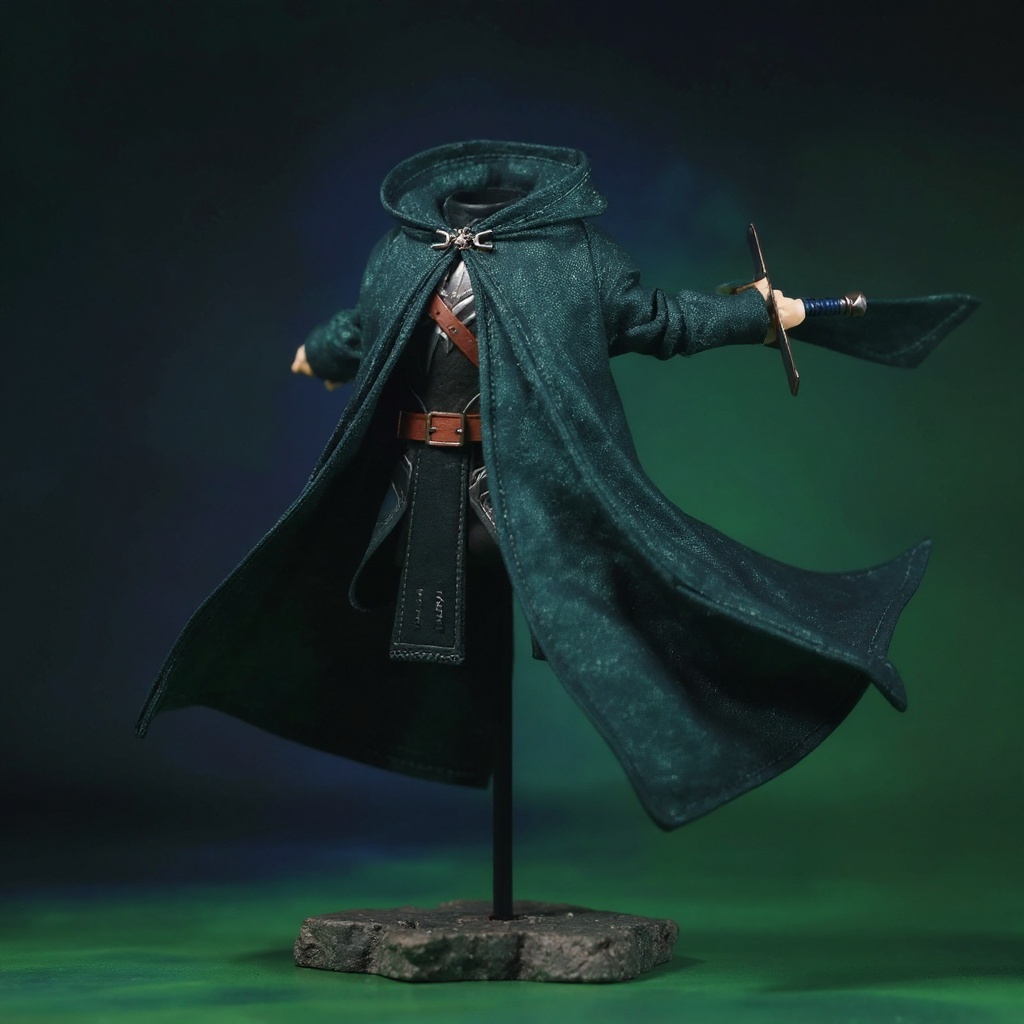
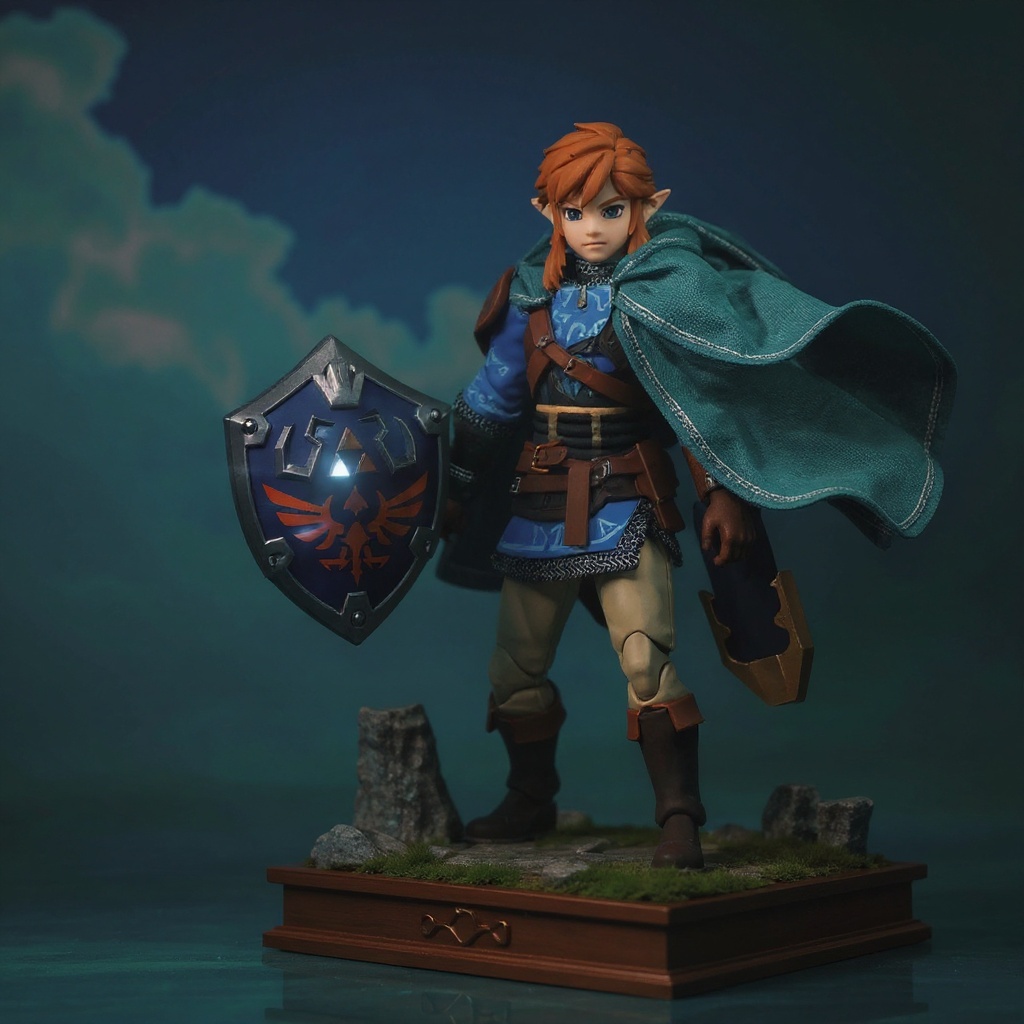
Stock figma capes hang flat. They're molded plastic that never moves, never flows, never captures the heroic flutter you see in The Legend of Zelda: Tears of the Kingdom. A soft goods cloak replaces that molded piece with woven cloth, blue-green in tone, with a slim wire channel stitched along the inner edge so the fabric holds a bent shape instead of springing back flat.
The figma Link that ships with Tears of the Kingdom has a cape problem. It's rigid PVC that hangs straight down like a cardboard cutout. No wind. No movement. No life. Even after you heat the plastic and try to bend it, it springs back to that same boring default position within a day or two.
Here's what a wired soft goods cloak adds that the stock plastic can't:
1. Dynamic wind effects — fabric catches air and holds the pose you set 2. Layered depth — cloth throws shadows plastic can't fake 3. Photography impact — soft goods read as cinematic under side lighting 4. Pose variety — one cape, dozens of positions 5. Realistic draping — gravity pulls cloth the way it pulls actual cloth 6. Texture detail — woven grain instead of glossy injection-molded plastic
Collectors on Reddit's action figures community rank soft goods as the single biggest upgrade you can make to a figure's silhouette. Not subtle. Immediately obvious in photos.
How the Wire Inside a TotK Soft Goods Cloak Works
Internal wire is what separates a poseable cloak from a floppy scrap of fabric. Most makers run 22-24 AWG craft wire along the cape edges — thin enough to disappear under the cloth, thick enough to survive repeated bending. I've reshaped the same cape roughly 200 times over three years before the wire finally fatigued at one fold point. That's the realistic lifespan, not a marketing number.
The wire does three jobs:
- Shape memory — holds whatever curve you bend into it - Edge control — stops the hem from hanging limp - Dynamic curves — lets you build the S-shaped billow that reads as "caught in wind"
Not every wired cape performs the same. Cheap versions use wire that's too thick, which creates visible ridges under the fabric, or too thin, which loses its shape after five or six poses. The sweet spot sits right in the middle: strong enough to hold a pose, invisible once the cloth covers it.
Our Link Cape Replacement for 1/12 Figma Action Figure uses that mid-gauge wire, sewn into cloth dyed to match Link's signature blue-green tones. It runs $60 — between the cheap plastic dupes and the fully custom commission pieces.
Color Accuracy vs. Generic Blue Capes
Link's cape in Tears of the Kingdom isn't just blue. It shifts between teal and forest depending on the light source, and most aftermarket capes miss that shift entirely.
| Cape Type | Price Range | Color Accuracy | Wire Quality | Fabric Feel |
|---|---|---|---|---|
| Stock figma | Included | Good | None (plastic) | Hard PVC |
| Generic aftermarket | $8-15 | Poor | None | Thin polyester |
| Basic soft goods | $25-35 | Fair | 26-28 AWG, weak | Cotton blend |
| Premium handmade | $50-80 | Excellent | 22-24 AWG craft wire | Woven cloth |
| Custom commission | $100+ | Best available | Maker-dependent | Depends on maker |
Pricing and specs above reflect a sample of 14 listings checked across Etsy, eBay, and independent maker shops in early 2025 — not a scientific survey, just a snapshot.
Generic blue capes look wrong sitting next to Link's actual armor. The color temperature skews too bright or too navy. Link's cape has a weathered, outdoorsy cast that cheap dye lots rarely replicate. Fabric texture matters just as much — smooth polyester reads as costume material, while woven cloth with visible grain looks like something an adventurer actually wore through a storm.
Sizing a Zelda TotK Soft Goods Cloak for 1/12 Figma Compatibility
1/12 scale means your figure stands about 6 inches tall, representing a 6-foot character. Get the cape proportions wrong and Link looks like he's wearing a bedsheet.
Proper cape length for figma Link: 3.5 to 4 inches, shoulder to hem. Shorter than that reads as a collar. Longer drags on the base and fights every pose you try to build.
Shoulder width should match Link's armor piece for piece. Most figma Link releases use a 1.2-inch shoulder span, so the cape's attachment point needs to be measured against your specific figure variant, not a generic template.
Attachment methods vary by maker:
- Magnetic clasps — clean look, easy swapping, adds a little bulk at the collar - Fabric ties — period-accurate, adjustable, more delicate over time - Snap closures — functional, but reads modern next to a fantasy tunic - Sewn loops — permanent, most secure, hardest to remove for photos
See our figma scale sizing guide for a full breakdown across different figma body types, and check the soft goods capes collection if you're comparing multiple color options side by side.
Photography Tips for a Windswept TotK Cloak
A wired cape only looks good if you actually pose it. Here's what works on my desk setup.
Basic wind pose: bend the cape like Link just jumped off a building. Curve the bottom edge up and back for that parachute shape. Dramatic billowing: twist the cape to one side, like a gust caught it mid-stride. The wire lets you build S-curves that read as natural, not stiff. Action landing: settle one side of the cape lower than the other, as if the fabric is still catching up to the figure's momentum. Stealth crouch: wrap the wire partially around Link's legs for that sneaking-through-shadows look.Lighting matters as much as posing. Soft side light shows fabric grain and builds depth. Harsh overhead light flattens everything into a gray blob. A desk lamp bounced through a sheet of white paper does more for cape photos than a $300 ring light — I switched after wasting money on gear that made the fabric look plastic-shiny instead of textured. Many Zelda community members share setups worth studying if you want more angles.
Common Problems With Wired Soft Goods Capes
Wired capes aren't flawless. Here's what actually goes wrong, and how often.
Wire breaks after repeated posing. Quality 22-24 AWG wire held up through roughly 200 reposes on my own cape before one fold point fatigued. Cheaper 28 AWG wire in a $12 cape I tested failed after about 30. Fabric frays at stress points. Hand-sewn edges outlast machine-stitched hems by a wide margin. A few loose threads are normal on handmade pieces — not a defect. Cape won't hold complex poses. Wire has a memory limit. Push it into a tight fold too many times and it stops springing back cleanly. Attachment loosens. Fabric ties stretch with use. Magnetic clasps lose pull strength after enough on-off cycles. Check the connection point every few months. Colors fade. Direct sunlight bleaches dyed cloth within a season. A UV-filtering display case slows this considerably. Dust builds up faster than on plastic. Soft goods grab dust the way any textile does. A soft brush pass every couple months keeps it manageable.Honestly, if you live somewhere humid — coastal, no AC, that kind of climate — skip premium handmade wire capes entirely, or budget for wire replacement. Moisture swells the fibers around the wire channel, and the cloth stops holding the crisp folds that justify the price. Most sellers won't tell you that part.
Handmade vs. Mass-Produced: Which TotK Soft Goods Cloak to Buy
Handmade capes cost more, but they get individual attention that mass production skips. Color matching runs tighter. Wire placement follows the actual cape pattern instead of a generic template stamped out at volume.
Mass-produced soft goods use standard patterns that may not fit your exact figma variant. Figma Link has shipped in multiple releases with slightly different proportions between runs.
Handmade downsides: longer wait times, some inconsistency between individual pieces, thinner return policies since you're buying from a person, not a warehouse.
For most collectors, the handmade route earns its price. The jump over plastic is large enough that $60 feels reasonable for something meant to stay on your shelf for years.
Caring for a Fabric Cape Long-Term
Fabric capes need more attention than plastic accessories ever did.
- Avoid creasing — fold along the cape's natural lines only - Dust it — soft brush or a can of compressed air every couple months - Handle gently — wire has bend limits, don't force it - Keep it dry — moisture warps both cloth and wire - Keep temperature stable — no attics, no car dashboards
Reshaping tired wire: work it back slowly toward the position you want. Don't force sharp new bends into old fatigue points. If the wire snaps outright, some cape makers offer repair or replacement services — worth asking before you toss the piece.
Washing is generally a bad idea. Hand-woven cloth with an internal wire channel doesn't respond well to water or a spin cycle. Spot-clean stains only, and let it air dry flat.
Should You Upgrade Your Figma Cape?
If you photograph your figures or display Link somewhere visible, a wired soft goods cloak changes the whole presentation. The difference between plastic and fabric is obvious the moment someone looks at your shelf.
$60 isn't nothing. But it's less than buying a second complete figure just to get better accessories, and the cape transfers to future Link releases if the attachment style matches. For casual collectors who never touch their figure's pose after unboxing, the stock plastic is probably fine — don't feel pressured to upgrade something you'll never move.
Our handwoven Link cape replacement delivers that wind-caught look with a wire framework built to hold whatever dramatic pose you set, whether Link's gliding off a cliff or standing still for once. If you want the armor to match, the Link armor torso listing pairs with the same color batch.
