


Action figure soft goods cape material breaks down into three real categories: cotton-poly blends, synthetic leather, and specialty performance fabrics. I've tested all three on my own workbench, and the results aren't close. The best action figure soft goods cape material uses 20-22 gauge wire sewn into the hem for posing, but you'll pay $25-50 for someone who does that work correctly.
The difference between an $8 plastic cape and a $29 handmade soft goods version isn't just materials. It's the wire core that lets you build flowing, dynamic poses instead of stiff plastic that screams "toy" from six feet away. I learned this the hard way after ruining two capes with the wrong wire gauge. More on that below.
Cotton-Poly Blends: The Standard Choice
Most custom cape makers use cotton-polyester blends in the 60/40 to 70/30 range. Cotton gives the drape and texture that looks real at 1:12 scale. Polyester adds durability and keeps wrinkles from taking over the fabric.
Fabric weight matters more than most collectors realize. Too light, under 3 oz per square yard, and the cape won't hang right on a 7-inch figure. Too heavy, over 6 oz, and it swallows the figure's proportions whole. Most cape makers land in that 4-5 oz range, and for good reason.
Pure cotton sounds appealing. It isn't. It wrinkles, fades under display lighting within a few months, and won't hold a wire shape past a handful of posing sessions. The polyester content is what keeps the silhouette crisp.
Honestly, if you display figures near a sunny window, skip pure cotton entirely. I had a cotton test cape lose half its color saturation in about ten weeks. Blended fabric held its tone for over a year in the same spot.
Wire Core Construction: What Actually Works
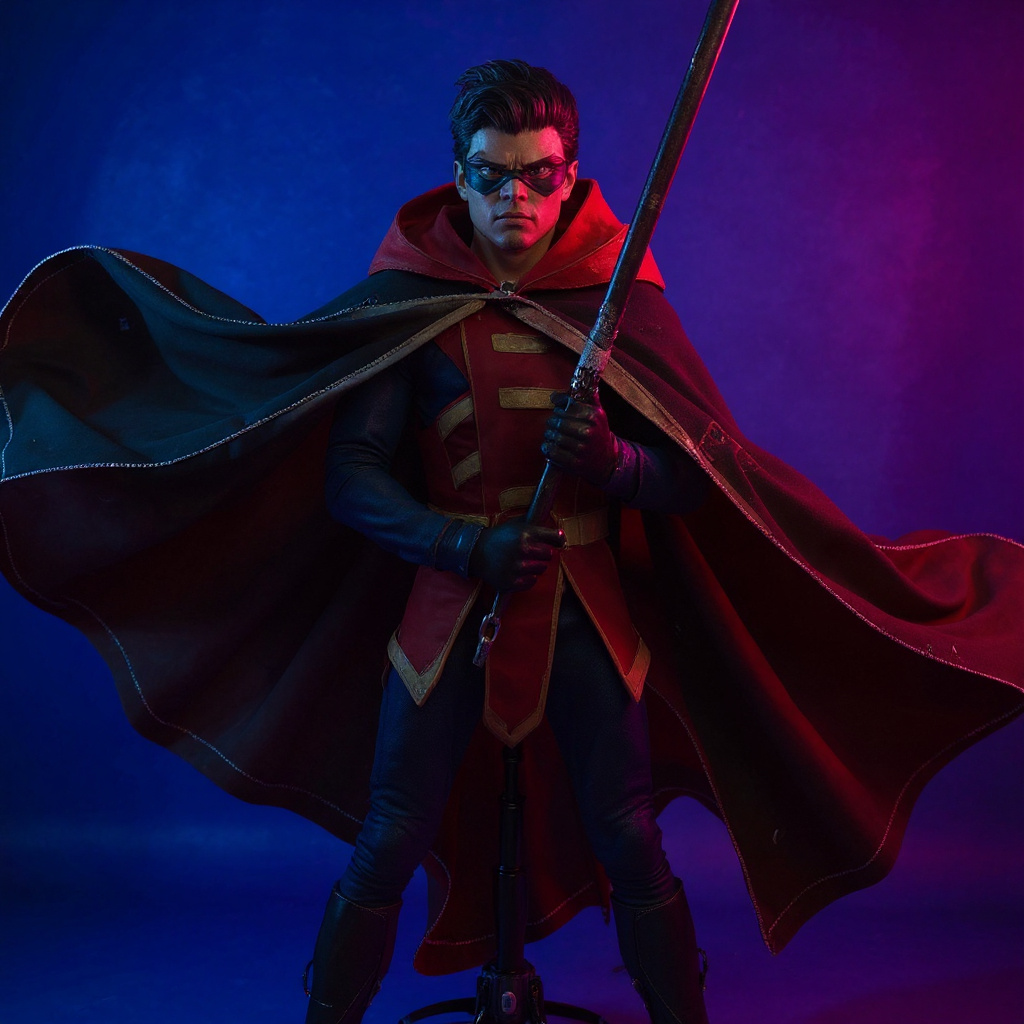
20-22 gauge craft wire is the standard for cape edges. Thicker wire, 18 gauge, is too stiff and creates kinks that never relax back into a natural line. Thinner wire, 24 gauge, bends too easily and won't hold a dramatic pose past a day or two of shelf sitting.
The wire needs a fabric channel. Not a few stitches. Spot-sewn wire creates weak points where the cape tears after repeated posing, and I've replaced three of my own capes because of exactly this shortcut. A proper channel spreads stress across the whole hem instead of concentrating it at a few tack points.
| Wire Gauge | Flexibility | Durability | Best Use |
|---|---|---|---|
| 18 gauge | Low | High | Heavy cloaks only |
| 20 gauge | Medium | High | Standard capes |
| 22 gauge | High | Medium | Light fabric capes |
| 24 gauge | Very High | Low | Delicate applications |
Coated wire outlasts bare copper by a wide margin. The plastic coating stops oxidation and keeps rust stains off the fabric. It costs about 30% more, and it's worth every cent on a piece you'll actually handle.
Speaking of wire-enhanced builds, the Spawn Cape Set for 7 Inch McFarlane Action Figure uses 20-22 gauge wire sewn into a proper fabric channel. At $29, it sits in that middle ground between cheap plastic and premium custom work. If you want to see what else is out there in this price bracket, browse other soft goods cape options before committing.
Steps to Inspect a Cape's Wire Core Before You Buy
1. Flex the hem gently - it should curve smoothly, not kink at one spot 2. Check for exposed wire ends - sharp tips poking through fabric will cut you and your figure 3. Look for a stitched channel - not scattered tack stitches every few inches 4. Press the seam flat - a channel that bunches means the wire was cut too long 5. Ask about coating - bare wire will eventually rust through fabric from the inside out
Synthetic Leather vs Fabric: The Trade-offs
Pleather and vinyl behave differently than woven fabric. They're stiffer by nature. That works for armored characters or heavy ceremonial cloaks, but it fights against natural drape at action figure scale.
Synthetic leather also struggles with temperature. Cold rooms make it brittle enough to crack at the fold lines. Warm display cases make it tacky to the touch within a season. Fabric shrugs off both problems.
The one real advantage synthetic material has is handling durability. Fabric capes fray with repeated posing over the years. Vinyl just flexes and keeps going.
Color, Finish, and the "Doll Clothes" Problem
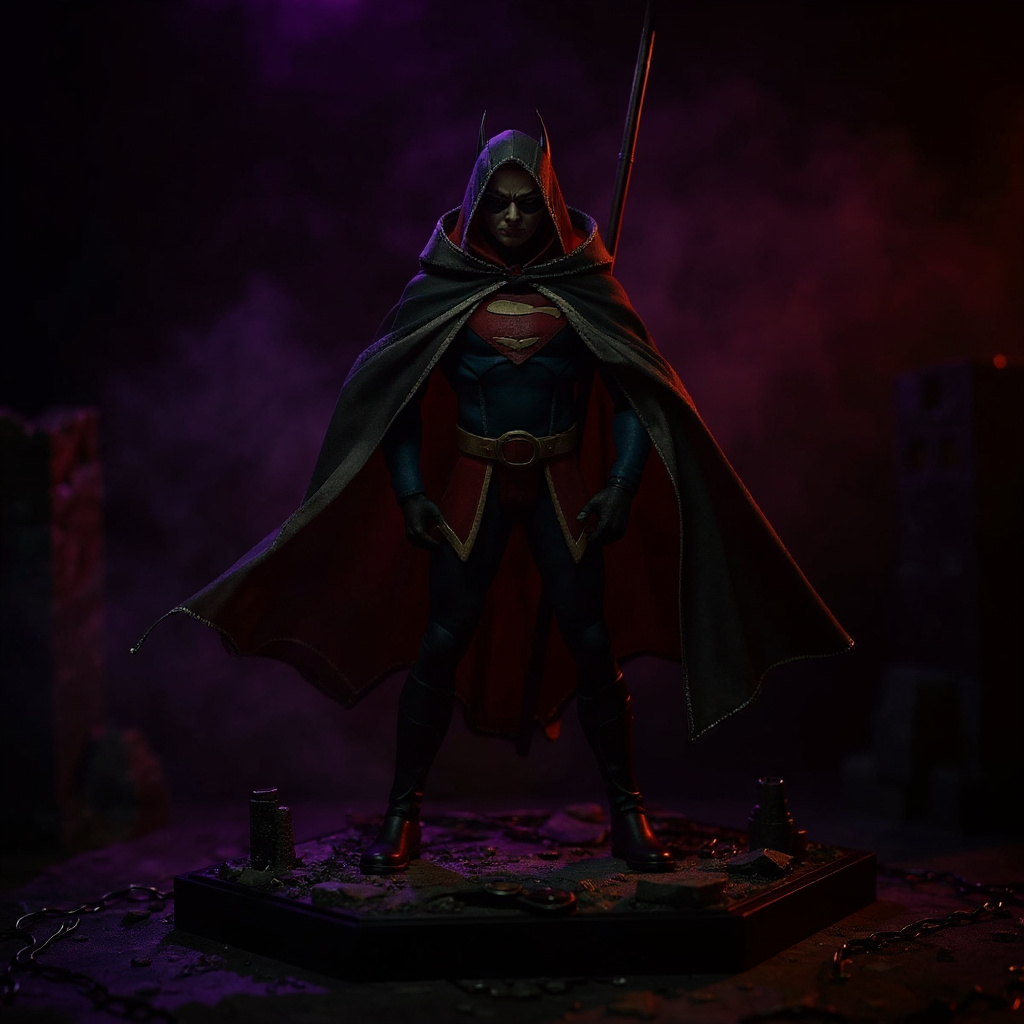
Matte finishes look real. Satin and glossy fabrics do not, at least not at 1:12 scale. Shiny material creates what most sculptors call the "doll clothes" effect, and it breaks the illusion the second you photograph it under any harsh light.
Black fabric photographs strange. True black turns into a void under studio lighting, swallowing all the fold detail you paid for. Most professional cape makers use dark gray or navy instead, even when the character calls for "black." The subtle tone shift is what actually reads as black to a camera.
Weathering helps. Light sanding, tea staining, dry brushing with acrylics - all of it adds realism you can't fake on a plastic cape. You can't sand plastic and get a convincing tattered edge. You just get scratched plastic.
What to Look For in Quality Construction
A well-made soft goods cape has five features that separate it from a costume-shop reject:
1. French seams or serged edges - prevents fraying and looks cleaner up close 2. Proper scale proportions - not a shrunk-down human cape pattern 3. Reinforced attachment points - where the cape connects to the shoulders 4. Consistent wire placement - no gaps or bunching inside the hem channel 5. Pre-washed fabric - prevents shrinkage after the first display cycle
Handmade items show slight irregularities. That's normal. It often adds character instead of taking away from it. But the basic construction underneath those quirks should still be solid, and if it isn't, no amount of character will save the piece after six months of handling.
Check the wire ends before you buy or before you gift one. They should terminate inside the fabric channel, never poking through raw. Sharp wire ends will cut through fabric eventually, or worse, scratch the figure's paint.
The McFarlane Factor: Why Spawn Needs Soft Goods
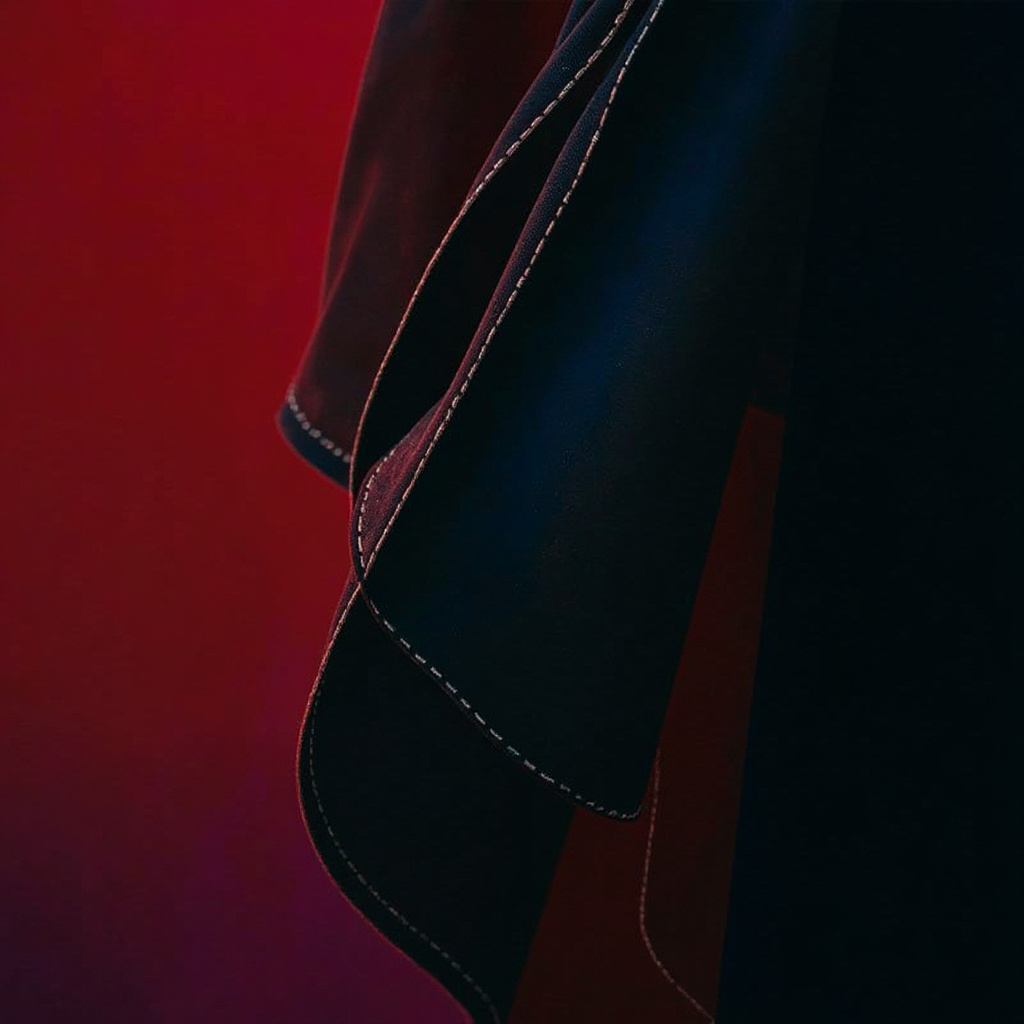
McFarlane Toys built their reputation on detailed sculpts, but their plastic capes often look frozen mid-fall instead of mid-flight. The original Robot Wars Spawn cape is particularly notorious for cracking at the shoulder attachment point after just a few pose changes.The character design of Spawn) specifically calls for a flowing, tattered cape that moves with the figure. Rigid plastic can't carry that gothic horror look the character is known for. It just can't.
Soft goods capes change the whole display. Instead of a static museum pose, you get something that looks caught mid-motion, like the shutter clicked half a second too early.
Many collectors on r/actionfigures specifically hunt for cape upgrades on their McFarlane figures. The sculpt quality is already there. The accessories are usually what need the work, and it shows in how often this exact topic comes up in collector threads.
For wire specs and gauge standards beyond what a hobby shop will tell you, the American Wire Gauge reference is a useful baseline before you buy craft wire in bulk.
Price Reality Check
Generic plastic replacement capes run $8-15 on eBay. They fit. They look like what they are.
Premium custom soft goods from established makers cost $35-50. You're paying for tight construction and less common materials, plus the maker's time.
The middle tier, $25-35, gets you handmade quality with a few visible imperfections. That's where most collectors land, and it's genuinely the best value if you're not planning to enter the figure in a diorama contest.
Factor in your actual display goals before you spend anything. If the figure sits on a shelf six feet away under normal room light, plastic might honestly be fine, and I won't pretend otherwise. If you're doing close-up photography or bringing the figure to a convention table, invest in fabric. The McFarlane accessory collection is a reasonable place to start comparing options side by side.
Is the Investment Worth It?
For most collectors, a quality soft goods cape upgrade makes sense on figures you actually pose and photograph. The difference in display impact is not subtle.
The wire-enhanced design lets you build flowing action poses that plastic can't fake. Your Spawn figure goes from standing stiffly on a shelf to looking like he's mid-leap, cape trailing behind him.
If you've dealt with broken or lifeless plastic capes on your McFarlane figures, a handmade fabric alternative solves both problems in one purchase. Check our wire armature guide if you want to try building or repairing one yourself before buying pre-made, or see the Spawn Cape Set here for a solid example of what $29 gets you in the current market.

