


The best soft goods cape for barbarian figure displays at 1/12 scale is the Conan Barbarian Cape 1/12 Scale. It has weathered tan fabric, fur-trimmed edges, hidden posing wire and a $34 price. It fits muscular 6-inch bodies such as Mezco One:12. Three things decide whether any cape earns shelf space: cloth thin enough to fold at scale, wire fine enough to vanish, and hems that survive handling. This guide shows how to check all three before you buy.
A note on sources. Where the listing gives no number (wire gauge, fabric gsm), I say so and tell you what to ask the maker. Scale figures below are simple 1:12 math, not lab results.
Quick Specs: What You Get for $34
| Feature | Detail |
|---|---|
| Price | $34 |
| Look | Weathered tan/brown, rough-hewn barbarian texture |
| Trim | Fur-trimmed edges |
| Posing | Hidden wire for windswept shapes |
| Scale | 1/12, made for 6-inch figures |
| Best on | Muscular bodies (Mezco One:12 class) |
| Backdrop | Rustic wood or stone |
| Not stated in listing | Wire gauge, fabric gsm (ask the maker) |
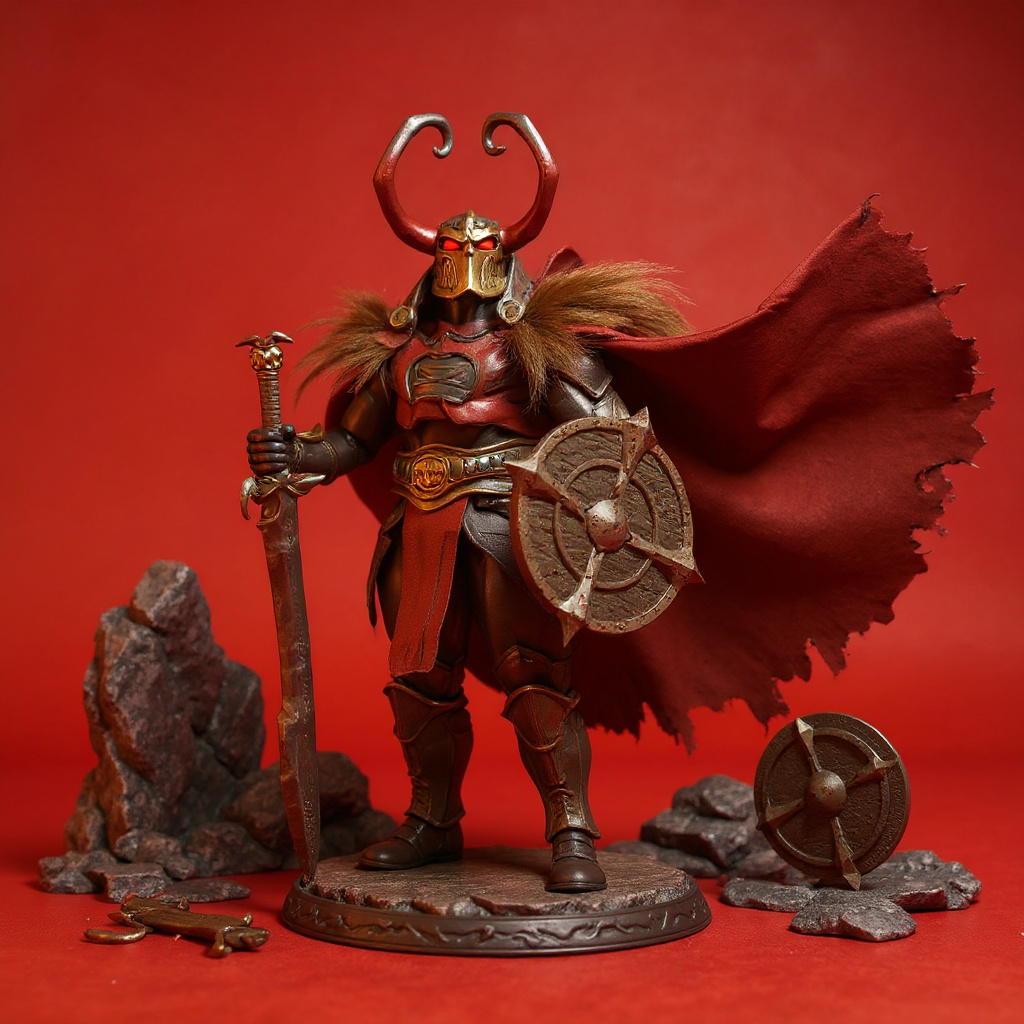
Why the Best Soft Goods Cape for Barbarian Figure Beats Plastic
Plastic capes freeze in one shape. They also throw a hard sheen under a lamp, and that sheen tells the viewer it is a toy. Fabric drapes over the shoulders, folds where cloth should fold, and takes a shadow like real clothing. Stiff. Glossy. Fake.
Diorama work shows the gap fastest. A plastic cape sits at the same angle whether your warrior charges or stands guard, while a wired fabric cape can lift behind him as if a cold wind were rolling off the mountain.
Soft goods have their own failure modes, though. Cheap cloth frays, heavy cloth makes the figure look like he is wearing a bath towel, and thin cloth turns see-through under a bright light.
What Makes Barbarian Fabric Look Right at 1/12 Scale
Scale math is the easiest test. Multiply real-world sizes by 1/12 and you get your targets.
- Cape length: A cloak that hangs from shoulder to mid-calf on a 6-foot man is about 40 inches. That works out to roughly 3.5 inches on your figure. Ankle length is closer to 4.5 inches. - Fur pile: Real trim with a 1 to 2 inch pile becomes 2 to 4 mm at scale. Anything longer reads as a costume boa. - Weave: Choose a visible, uneven weave that looks worn. Smooth cotton looks wrong on a barbarian, and shiny polyester looks like a party shop. - Color: Tan and brown show fold detail under a normal desk lamp. Black cloth tends to photograph as one flat shape, so I keep black for figures I plan to backlight.
The Conan cape follows this brief with a weathered tan and brown cloth and a trimmed fur edge. It reads as hide and rough wool from a normal shelf distance.
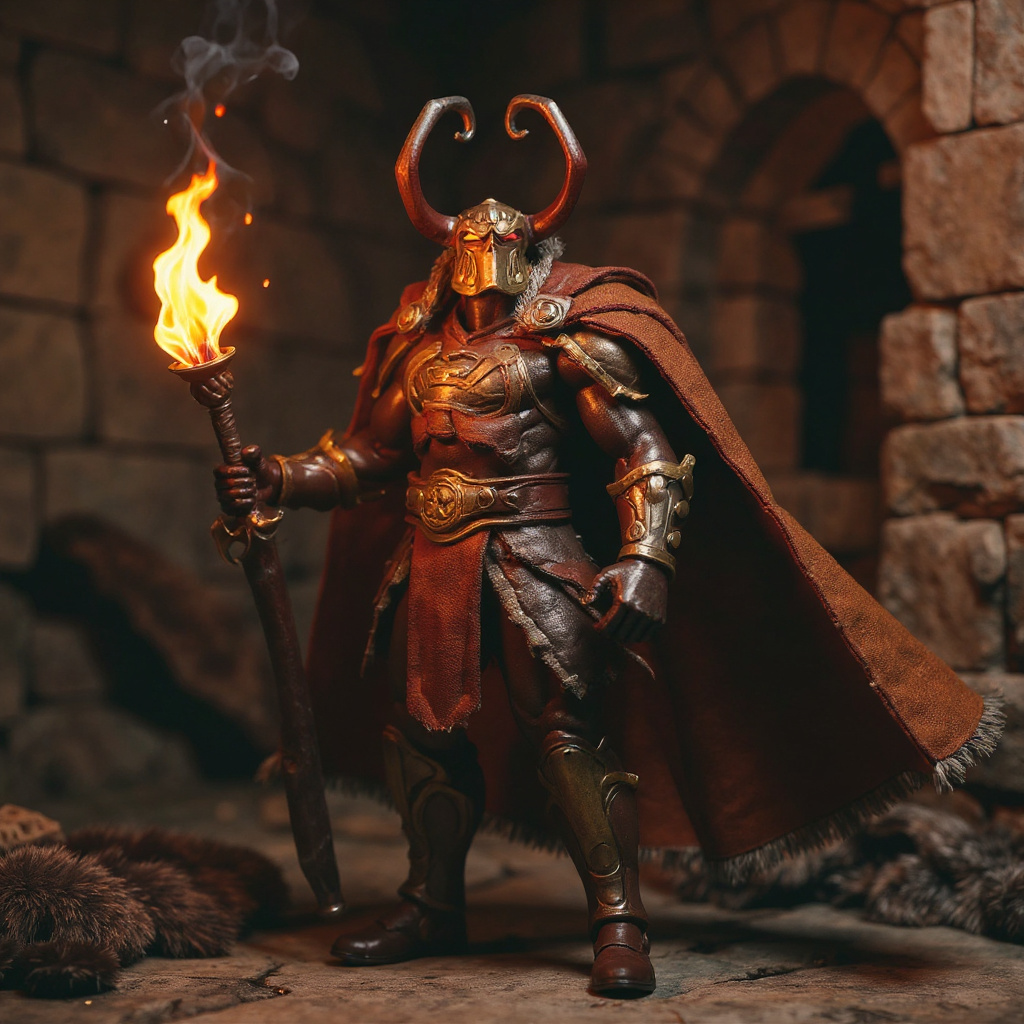
Hidden Wire: The Make-or-Break Feature
Wire lets you sweep the hem into a windblown curve. Without it, fabric hangs straight down and the pose dies.
Gauge decides how well it works. Per the American wire gauge standard, 26 AWG measures about 0.40 mm, 28 AWG about 0.32 mm, and 30 AWG about 0.25 mm. For a 1/12 cape, 28 to 30 AWG is my target range. Thicker wire prints a ridge through the cloth. Thinner wire bends but will not hold a shape.
The listing does not state the gauge, so ask the maker. A good reply names a number and says where the wire sits, ideally inside a stitched hem channel and not glued under the trim.
Cape Types Compared
| Cape type | Typical price | Wire | Fray risk | Realism at 1/12 |
|---|---|---|---|---|
| Factory plastic | $8-$15 | None | None | Low |
| Generic fabric cape (basic) | $15-$25 | Often none or bulky | High | Medium |
| Wired handmade cape (like the Conan cape) | $30-$45 | Hidden, thin | Low to medium | High |
| Custom boutique commission | $50-$70 | Hidden, thin | Low | High |
| DIY from scraps | $5-$10 in materials | Your choice | Depends on you | Varies |
At $34 the Conan cape costs roughly two to four times a plastic cape. What you buy for that gap is drape, posability and a texture that photographs like cloth.
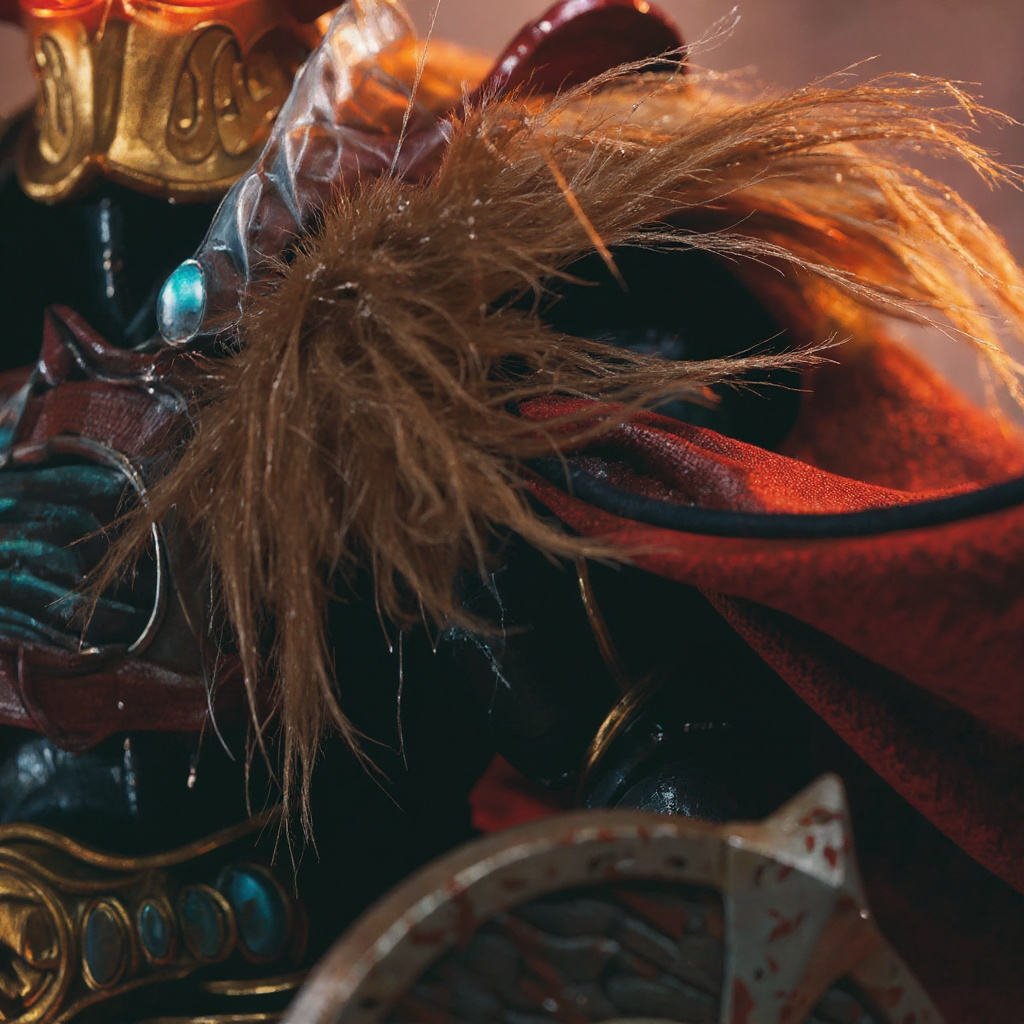
Does It Fit Your Figure? Body Compatibility
A 6-inch label does not guarantee fit. Shoulder width and neck design matter more than height. Measure your figure's shoulders before you order, since builds vary by line and even by release.
| Figure line | Build | Fit note |
|---|---|---|
| Mezco One:12 Collective | Broad, muscular | Intended target |
| Storm Collectibles fantasy figures | Bulky | Good match, check neck width |
| Mythic Legions | Varies | Fits some bodies, test first |
| NECA Ultimate | Medium to broad | Usually workable |
| McFarlane DC Multiverse | Bulkier characters | Fair to good |
| Marvel Legends | Medium to broad | Good on broader characters |
| Figuarts-style slim bodies | Narrow | Cape will swamp the shoulders |
Slim bodies suffer most. The cape bunches, gaps at the collar and drags the figure's proportions off. Check the Mezco Toyz site for One:12 body details if you are matching a specific release.
Buying Checklist: 6 Questions Before You Pay
1. What is the cape length in inches? Look for 3.5 to 4.5 for a barbarian cloak. 2. What wire gauge is inside, and where does it run? 3. How are the raw edges sealed or bound? 4. How long is the fur pile? Aim for 2 to 4 mm. 5. How does it attach at the neck: loop, ties or a collar piece? 6. Does the seller show photos of the actual batch, not renders?
Edge Finishing and Fray Control
Raw edges fray in days. Handmade capes vary by batch, so expect small differences in hem length and trim placement from the product photos. That is craft work, not factory output.
Here is how to protect the edge on any cape:
1. Inspect every hem under a bright lamp and trim loose threads with fine scissors. 2. Dab a thin line of fray sealant or diluted PVA glue along any exposed cut edge. Let it dry for a full day. 3. Do not bend the wire back and forth in one spot. Change the curve in a new place each time. 4. Store the cape flat or loosely draped, never crushed in a box. 5. Keep it out of direct sun, which fades tan dye fast.
A cape that frays a little at the hem still looks right on a barbarian. Frayed at the collar? That is a return.
How to Pose the Cape: 5 Steps
1. Fasten the cape at the neck and set the figure's arms first. 2. Drape the cloth so both shoulders are covered and the collar sits flat. 3. Bend the wire at the hem in one smooth curve, away from the direction of travel. 4. Add a second, smaller curve near the bottom edge for depth. 5. Step back, then tweak. Fabric remembers its storage shape, so make final changes last.
Photographing a Wired Cape
Side lighting pulls out weave and fur texture. A soft diffuser removes the harsh shadows inside deep folds. Ring lights flatten cloth, so I put them away for capes. A stone or aged-wood backdrop suits the tan and brown palette, and a mid-gray one works for close-ups. Shoot at f/8 or narrower if your macro lens allows it, so both hem and face stay sharp.
An Honest Caveat
Honestly, if you keep your figures behind glass and never photograph them, buy the $12 plastic cape and keep the extra $22. Fabric is also a poor fit for a humid room, where cloth can pick up damp and musty smells. Skip soft goods if your display area never dries out.
The Verdict
The best soft goods cape for barbarian figure collectors who photograph their work is the weathered, wired, fur-trimmed Conan Barbarian Cape 1/12 Scale at $34. It suits broad-shouldered 6-inch bodies and rustic backdrops. Verify the gauge and edge finishing with the maker, and browse more accessories at The Figure Vault.

